Alligatoring on a flat roof refers to a specific type of surface degradation where the roofing material develops interconnected cracks, much like an alligator’s skin. This visual cue primarily indicates material breakdown, often from prolonged exposure to environmental elements, especially the sun. Understanding what alligatoring signifies, how it differs from other roof issues, and the appropriate responses is crucial for maintaining a flat roof’s integrity and lifespan. This article explains alligatoring’s characteristics, compare it to related conditions, and outline practical solutions.
Key Differences Between Alligatoring Flat Roof and Cracked Bitumen Roof
While both alligatoring and general cracked bitumen suggest material distress on a flat roof, they represent different stages or types of degradation, with distinct implications.
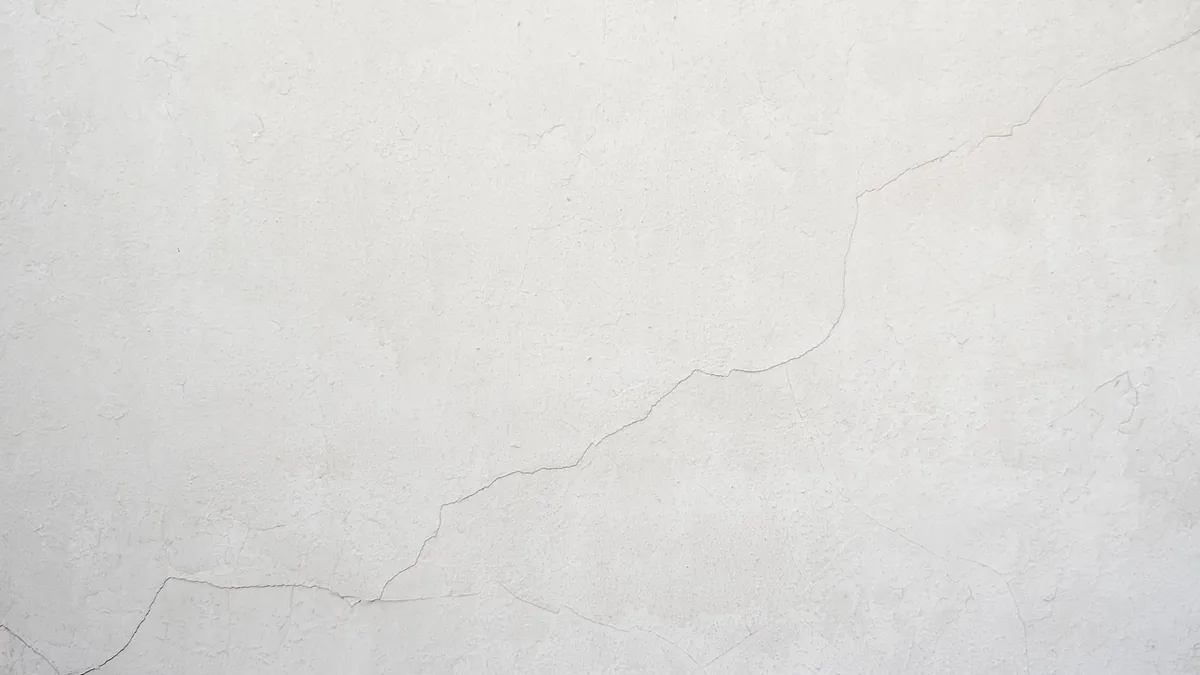
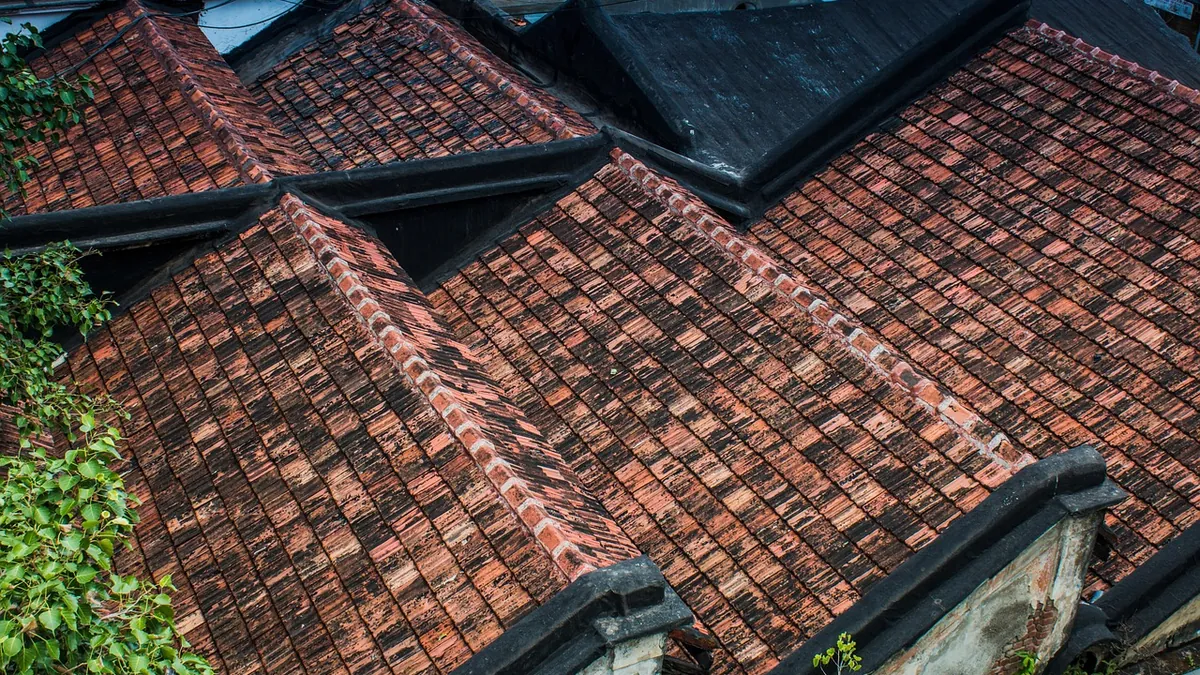
Alligatoring is specifically characterized by a fine, interconnected network of surface cracks that don’t immediately penetrate the full thickness of the roofing membrane. It’s a surface phenomenon, typically affecting the top layer of bitumen or asphalt-based coatings. The pattern is often described as resembling dried mud or, as the name suggests, alligator skin. This cracking arises from the material’s top surface drying out and shrinking faster than the layers beneath it, or from repeated cycles of expansion and contraction. It’s a sign of aging and UV degradation, indicating that the protective oils and plasticizers in the bitumen have evaporated or broken down.
Cracked bitumen, in a broader sense, can encompass alligatoring, but it often refers to more significant, deeper fissures that may extend through the membrane. These cracks can be linear, irregular, or follow stress points in the roof structure. Unlike the fine, superficial network of alligatoring, deeper cracks often indicate more advanced material failure, structural movement, or improper installation. They present a more immediate threat of water intrusion because they breach the waterproofing layer. For instance, a long, straight crack running across a roof might point to movement in the substrate or a seam failure, whereas alligatoring is a more generalized surface issue.
The practical implications differ significantly. Alligatoring, in its early stages, is primarily an aesthetic concern and a warning sign. It suggests the roof’s protective surface is losing elasticity and becoming brittle. While not immediately leading to leaks, it compromises the roof’s ability to shed water effectively and makes it more vulnerable to further damage from foot traffic or impact. Left unaddressed, alligatoring will eventually deepen, leading to more substantial cracking and potential leaks. Deeper cracked bitumen, however, often signifies existing or imminent water penetration. Repairing alligatoring typically involves resurfacing or coating, while addressing deeper cracks often requires patching, sealing, or even partial membrane replacement.
Consider a residential flat roof coated with an asphalt emulsion. If you observe a fine, mosaic-like pattern across large sections, it’s likely alligatoring. The surface feels rough and brittle. This indicates the coating is drying out. If, however, you see a half-inch wide crack extending several feet along a parapet wall where the roof meets the wall, this is a distinct, deeper crack, potentially due to thermal stress or building settlement, and represents a more critical breach in the waterproofing.
Shared Benefits and Overlaps
Despite their differences, alligatoring and broader bitumen cracking share some common ground in terms of their causes, the types of roofs they affect, and the overarching need for timely intervention.
Both conditions are primarily symptoms of material degradation on flat or low-slope roofs, particularly those utilizing asphalt, modified bitumen, or built-up roofing (BUR) systems. These materials rely on their flexibility and bituminous properties for waterproofing. When these properties diminish, cracking in various forms becomes inevitable. The sun’s ultraviolet (UV) radiation is a significant aggressor for both. UV rays break down the chemical bonds in bitumen, leading to the evaporation of volatile oils and plasticizers, which are essential for flexibility. This process makes the material brittle and prone to cracking, whether it manifests as fine alligatoring or deeper fissures.
Thermal cycling also plays a crucial role. Flat roofs experience extreme temperature fluctuations, heating up significantly under direct sunlight and cooling down at night or in colder weather. This constant expansion and contraction puts stress on the roofing material. Over time, this stress contributes to fatigue, leading to both surface-level alligatoring and deeper structural cracks. For example, a roof that experiences daily temperature swings of 50 degrees Fahrenheit will show signs of fatigue much faster than one in a more temperate climate.
Another shared factor is the importance of maintenance. Neglecting regular inspections and minor repairs allows both alligatoring and small cracks to escalate. A roof that isn’t regularly cleaned of debris or hasn’t received periodic protective coatings will degrade faster. For instance, standing water on a flat roof, while not a direct cause of alligatoring, can accelerate the breakdown of a surface already compromised by UV damage, exacerbating both shallow and deep cracking by subjecting the material to prolonged moisture exposure.
Ultimately, both alligatoring and deeper cracking underscore the need for a robust, resilient roofing membrane. They both signal that the roof’s protective capabilities are diminishing, and ignoring either condition will eventually lead to water intrusion and more costly structural damage. The underlying principle is that the roofing material is losing its battle against environmental forces.
When Alligatoring Flat Roof May Be a Better Fit
The concept of “alligatoring flat roof being a better fit” isn’t about choosing alligatoring itself, as it’s a symptom of degradation. Instead, this section considers scenarios where a roof exhibiting alligatoring might be a more suitable candidate for certain repair strategies compared to a roof with widespread deep cracking. It’s about the response to alligatoring.
Alligatoring is often a prime candidate for restorative measures, particularly the application of a new protective coating. When the alligatoring is still confined to the surface layer and the underlying membrane remains largely intact and free of significant leaks, a reflective roof coating can be an excellent solution. These coatings, typically acrylic, silicone, or asphaltic emulsions, are designed to restore flexibility, provide a new waterproofing layer, and, importantly, offer enhanced UV protection. The “better fit” here implies that the existing roof structure is still sound enough to serve as a substrate for a new coating, extending its life without requiring a full tear-off and replacement.
Consider a commercial building with a 15-year-old modified bitumen roof that shows widespread, but relatively shallow, alligatoring across its surface. There are no active leaks, and the membrane itself is not torn or punctured. In this scenario, applying a high-quality elastomeric coating can effectively encapsulate the alligatoring, prevent further UV degradation, and add years to the roof’s service life. This is a cost-effective alternative to a full replacement, which would be significantly more expensive and disruptive. The existing alligatoring provides a somewhat textured surface that, after proper cleaning and priming, can even aid in the adhesion of certain coatings.
Another instance where alligatoring makes a roof a “better fit” for specific interventions is when the roof is otherwise structurally stable and has not experienced significant ponding water or widespread membrane delamination. If the degradation is primarily superficial and uniform, it suggests a general aging process rather than localized failures due to structural issues or improper installation. This uniformity means that a broad, systemic solution like a coating application can address the problem comprehensively.
The key distinction is the depth and severity of the cracking. If the cracks are merely surface-deep and don’t compromise the primary waterproofing layer, the roof is still a viable candidate for restoration. This approach preserves the existing roofing system, reduces waste, and minimizes the carbon footprint compared to a complete re-roofing project. It’s an opportunity to intervene proactively before minor surface issues escalate into major leaks.
When Cracked Bitumen Roof May Be a Better Fit
Similar to the previous section, “cracked bitumen roof being a better fit” refers to situations where the presence of deeper, more severe cracking dictates a different, often more extensive, repair or replacement strategy.
When a flat roof exhibits widespread, deep, and interconnected cracks that penetrate the primary waterproofing membrane, it’s often a sign that the roof system has reached the end of its functional life. In these cases, a full roof replacement is typically the most durable and cost-effective long-term solution. Deep cracks indicate that the material has lost its elasticity to such an extent that localized repairs or coatings would only be temporary fixes, failing to address the fundamental breakdown of the membrane. For instance, if you can see the underlying insulation or deck through wide cracks, a coating alone won’t restore integrity.
Consider a multi-unit residential building with a 25-year-old built-up roof (BUR) system. Inspections reveal numerous long, wide cracks, some of which are actively leaking, and areas where the bitumen layers have delaminated. Attempts to patch these leaks have been short-lived, with new cracks appearing nearby. Here, the extent of the damage goes beyond surface alligatoring. The entire system is compromised, and a full tear-off and replacement with a new membrane (e.g., TPO, PVC, or a new BUR system) would be the “better fit” for ensuring long-term watertightness and structural protection. Applying a coating over such severe cracking would be futile, as the underlying movement and breaches would quickly cause the new coating to crack as well.
Another scenario where deeper cracking necessitates more aggressive action is if the cracking is accompanied by significant ponding water, blistering, or soft spots in the roof deck. These additional issues suggest that water has already infiltrated the system, potentially damaging the insulation, deck, or structural components. In such cases, simply addressing the cracks on the surface would ignore the deeper problem. A comprehensive assessment, often involving moisture surveys, would be required, leading to targeted repairs or a full replacement of damaged sections, or the entire roof.
Ultimately, a roof with extensive, deep cracking indicates that the structural integrity of the waterproofing layer is severely compromised. While more expensive and disruptive upfront, a full replacement in these situations provides a fresh start, ensuring the building is protected for decades to come, which is a “better fit” for long-term property value and occupant safety. Trying to salvage a deeply cracked roof with superficial repairs is often a false economy.
How to Choose Based on Goals and Context
Choosing the appropriate response to flat roof degradation, whether it’s alligatoring or deeper cracking, depends heavily on a confluence of factors: the extent of the damage, the roof’s remaining lifespan, budget constraints, and long-term property goals.
| Factor | Alligatoring (Surface Cracks) | Deep Cracking (Penetrating) |
|---|---|---|
| Primary Goal | Extend roof life, prevent future damage, enhance energy efficiency. | Stop active leaks, restore structural integrity, long-term waterproofing. |
| Damage Extent | Superficial, widespread fine cracks; no active leaks. | Visible breaches, active leaks, membrane delamination, soft spots. |
| Roof Age | Mid-life (50-75% of expected lifespan). | End-of-life or severely compromised early in life. |
| Budget | Lower initial cost; cost-effective restoration. | Higher initial cost; long-term investment. |
| Intervention | Cleaning, priming, elastomeric coating application. | Patching, partial replacement, full tear-off and re-roof. |
| Disruption | Minimal; less noise, shorter duration. | Significant; longer duration, more noise, potential interior access. |
| Expected Outcome | Added 5-15 years to roof life, improved performance. | New roof system, 20-30+ years of life, warranty. |
| Environmental | Reduced waste (no tear-off), often reflective coatings. | More waste initially, but new energy-efficient materials. |
For a property owner primarily focused on extending the life of a flat roof that is otherwise sound, but showing early signs of aging through alligatoring, a roof coating system is often the most sensible choice. This is particularly true for commercial properties where operational continuity is paramount, as coatings involve less disruption than a full tear-off. The goal here is preventative maintenance and proactive restoration. For example, a retail store owner might opt for a coating to avoid closing for an extended period, while still protecting their asset.
Conversely, if the primary goal is a long-term solution with minimal future maintenance concerns for the next two to three decades, and the existing roof exhibits extensive deep cracking and leaks, a complete roof replacement is the more prudent investment. This is often the case for new property acquisitions, or for buildings where previous repairs have proven ineffective. The context of a building’s sale or a major renovation might also dictate a full replacement to ensure compliance with new codes or to enhance property value significantly. A property manager of an apartment complex, for instance, would likely choose a full replacement for a heavily cracked roof to avoid frequent tenant complaints about leaks and to secure a long-term warranty.
The decision also hinges on the professional assessment. A qualified roofing contractor can perform a detailed inspection, potentially including core samples or infrared thermography, to determine the true extent of subsurface damage. Their recommendations, combined with the owner’s budget and long-term objectives, will guide the optimal choice. Ignoring the underlying causes and merely patching surface issues will inevitably lead to recurring problems and higher costs in the long run.
Frequently Asked Questions
Understanding the nuances of flat roof degradation is key to making informed decisions. Here are answers to common questions about alligatoring and related issues.
What is alligatoring flat roof?
Alligatoring on a flat roof refers to the development of a specific network of fine, interconnected cracks on the surface of the roofing material, typically asphalt or bitumen-based. This pattern resembles the scales of an alligator or dried, cracked mud. It’s primarily a superficial issue, indicating that the top layer of the roof’s waterproofing membrane has lost its elasticity and is drying out due to prolonged exposure to ultraviolet (UV) radiation from the sun and repeated thermal cycling (expansion and contraction). While not immediately leading to leaks, alligatoring is a visual warning sign that the roof’s protective surface is degrading and becoming brittle, reducing its ability to shed water efficiently and making it more vulnerable to further damage.
How does alligatoring flat roof compare with alternatives?
Alligatoring is a specific symptom of roof degradation, not an alternative roofing system. When comparing it to other types of roof damage, alligatoring is generally less severe than deeper, penetrating cracks or widespread membrane delamination.
- Compared to deeper cracking: Alligatoring is typically confined to the surface layer of the bitumen. Deeper cracks, on the other hand, penetrate through the waterproofing membrane, creating direct pathways for water intrusion. Alligatoring often precedes deeper cracking if left unaddressed.
- Compared to blistering: Blistering involves bubbles or raised areas on the roof surface, usually caused by trapped moisture or gases expanding under heat. While both are signs of roof distress, alligatoring is surface cracking, whereas blistering is a separation of layers.
- Compared to ponding water: Ponding water is standing water on a flat roof that doesn’t drain within 48 hours. While ponding water doesn’t directly cause alligatoring, it can accelerate the degradation of an already alligator-skinned surface by keeping it constantly wet, leading to further material breakdown and potential leaks.
The primary “alternative” to dealing with alligatoring is preventative maintenance (e.g., regular cleaning, applying protective coatings before alligatoring sets in) or, once it occurs, restorative measures like re-coating, as opposed to a full roof replacement which is often necessary for more severe, widespread damage.
What are the most common mistakes people make with alligatoring flat roof?
The most common mistakes regarding alligatoring on a flat roof often stem from misdiagnosis or procrastination:
- Ignoring it: The biggest mistake is dismissing alligatoring as merely a cosmetic issue. While it might not be leaking yet, it’s a clear indicator that the roof’s protective qualities are diminishing. Ignoring it allows the superficial cracks to deepen, eventually leading to water infiltration and more costly repairs or a premature roof replacement.
- Delaying intervention: Waiting until active leaks appear makes the repair process more complex and expensive. Addressing alligatoring proactively with a protective coating can significantly extend the roof’s life at a fraction of the cost of reacting to widespread leaks.
- Improper cleaning and preparation: Before applying any repair or coating, the alligator-skinned surface must be thoroughly cleaned of dirt, debris, and loose material. Failure to do so will compromise the adhesion of the new material, leading to premature failure of the repair.
- Using the wrong repair materials: Not all coatings are suitable for all types of flat roofs or for roofs with alligatoring. Using an incompatible or low-quality coating can be ineffective or even accelerate degradation. Consulting with a roofing professional is crucial to select the appropriate product.
- Applying a coating over active leaks or saturated insulation: If the alligatoring is accompanied by active leaks or if the underlying insulation is wet, simply coating over it will trap moisture, leading to further damage, mold growth, and eventual failure of the new coating. Any underlying issues must be addressed first.
- DIY attempts without proper knowledge: While some minor repairs can be DIY, addressing alligatoring and applying a roof coating requires specific knowledge of materials, application techniques, and safety protocols. Improper application can lead to wasted materials and a compromised roof.
Conclusion
Alligatoring on a flat roof is a distinct form of surface degradation that serves as a critical early warning sign of material aging and environmental stress. While it differs from deeper, more critical cracking, both conditions underscore the need for timely assessment and intervention. Understanding these distinctions allows property owners to choose between cost-effective restoration, such as protective coatings for superficial alligatoring, and more extensive repairs or full replacement for severe, penetrating cracks. The decision hinges on a careful evaluation of the roof’s condition, the owner’s budget, and long-term goals, always guided by professional expertise to ensure a durable and effective solution.
DIY safety disclaimer
Home Leak Fix publishes general DIY information for homeowners. Water intrusion can involve structural, electrical, height, mould, or insurance risks. Use proper safety equipment, follow local building rules, and call a qualified professional when a repair is unsafe, unclear, or beyond your experience.