As summer transitions to autumn, homeowners often turn their attention to preparing for colder, wetter weather. Among the many tasks, focusing on a home’s waterproofing elements before the full force of leaves and storms arrive is a practical step. This isn’t just about preventing a leaky basement; it’s about safeguarding the entire structure from moisture intrusion, which can lead to costly repairs down the line. Understanding what autumn waterproofing jobs entail, how they differ from related tasks like fall gutter cleaning, and when each is most appropriate, helps in making informed decisions for seasonal home maintenance.
Key differences between autumn waterproofing jobs and fall gutter cleaning
While both autumn waterproofing jobs and fall gutter cleaning contribute to a home’s defense against water, they address different components and aspects of moisture management. Autumn waterproofing jobs typically encompass a broader scope, focusing on the integrity of the building envelope – from the roof down to the foundation. This can involve sealing cracks, applying protective coatings, ensuring proper drainage away from the structure, and inspecting vulnerable areas for potential water entry points. The aim is to create a continuous barrier against moisture.
Fall gutter cleaning, conversely, is a specific maintenance task focused solely on the home’s gutter and downspout system. Its primary goal is to remove accumulated leaves, twigs, and debris that can block water flow. Clogged gutters prevent rainwater from being channeled away from the foundation, leading to overflow that can saturate the ground around the house, potentially contributing to basement leaks or foundation damage. While critical, gutter cleaning is a localized effort within the larger context of water management.
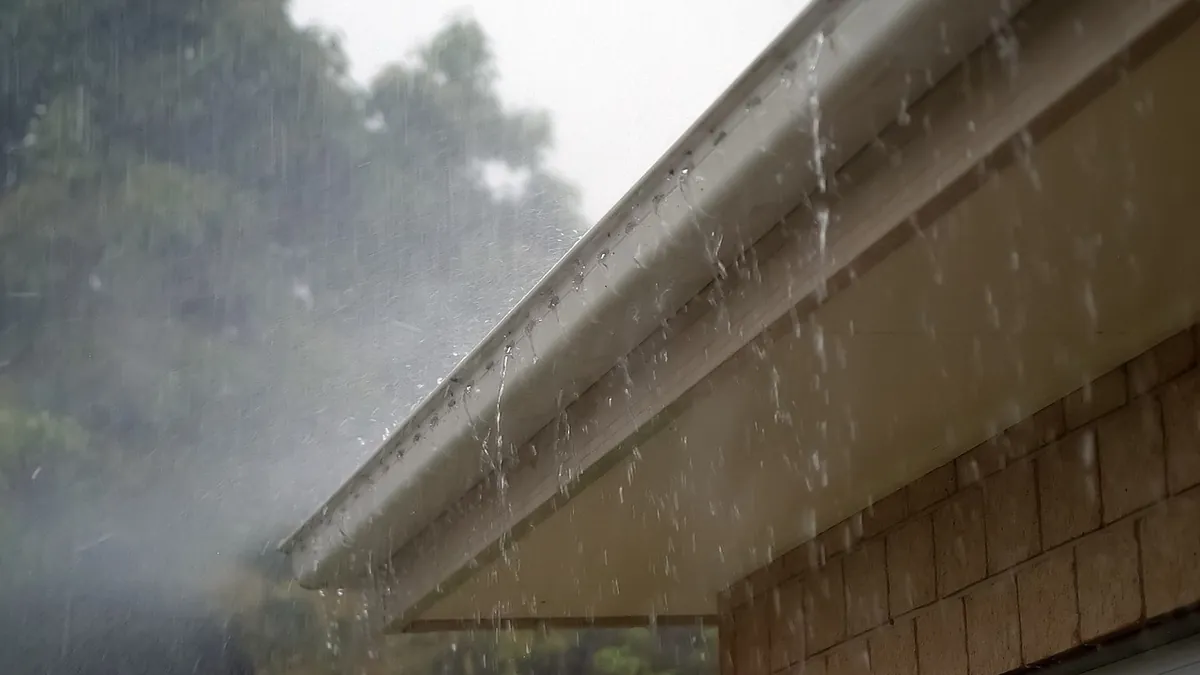
Consider a scenario where a heavy rainstorm hits. If gutters are clean, water flows freely. However, if the roof flashing is compromised, or a foundation crack exists, water can still penetrate the home, despite clear gutters. Conversely, perfectly sealed windows won’t protect a basement from water pooling due to overflowing gutters. One is about managing the flow of water around the house; the other is about preventing its entry into the house structure.
Shared benefits and overlaps
Despite their distinct focuses, autumn waterproofing jobs and fall gutter cleaning share significant benefits and often overlap in their protective outcomes. Both are proactive measures designed to prevent water damage, which, left unaddressed, can lead to structural compromise, mold growth, diminished indoor air quality, and significant financial burdens.
A primary shared benefit is the protection of the foundation. Properly functioning gutters direct vast amounts of rainwater away from the foundation, reducing hydrostatic pressure on basement walls. Similarly, foundation waterproofing jobs, such as sealing cracks or installing French drains, directly mitigate water intrusion at the lowest level of the home. When both are executed, the risk of basement flooding or dampness is substantially reduced.
Another overlap lies in preserving the integrity of exterior finishes. Overflowing gutters can cause water to cascade down siding, leading to rot, staining, and accelerated wear. Comprehensive waterproofing, including proper flashing around windows and doors and sealed exterior surfaces, protects these same finishes from moisture degradation.
Consider a home with an older roof. A pre-winter roof inspection, a component of many autumn waterproofing efforts, might identify loose or missing shingles. If these are repaired, and the gutters are simultaneously cleaned, the entire upper structure is better prepared for heavy autumn rains. Water that sheds properly from the roof, through clean gutters, and away from the foundation, minimizes stress on all parts of the home’s exterior envelope. This integrated approach ensures that water is not only managed but also prevented from entering the structure at multiple potential points.
When autumn waterproofing jobs may be a better fit
Autumn waterproofing jobs are generally a better fit when the concern extends beyond simple water diversion and into the realm of structural integrity and moisture penetration. If there are existing signs of water intrusion, such as damp spots in the basement, musty odors, efflorescence on foundation walls, or peeling paint near windows, a comprehensive waterproofing approach is warranted. These symptoms suggest that water is already finding its way into the home, not just accumulating around it.
For instance, if a homeowner consistently notices a wet patch on their basement floor after heavy rains, even with clean gutters, it points to a foundation issue. This could be a crack, a failing parging layer, or inadequate exterior drainage. In this scenario, sealing the crack, applying a waterproof coating, or installing an exterior drainage system would fall under autumn waterproofing jobs. Gutter cleaning alone would not resolve the issue.
Another situation where waterproofing jobs are paramount is when preparing for extreme weather events. While gutter cleaning helps with normal rainfall, robust waterproofing measures like ensuring proper grading away from the house, sealing all exterior penetrations (around pipes, wires), and inspecting roof flashing are crucial for resisting high winds, heavy snowmelt, and torrential downpours. These measures address the pathways water might take under more severe conditions.
Furthermore, if a home is located in an area with high water tables or experiences persistent soil saturation, autumn waterproofing jobs become a foundational necessity. This might involve more extensive work, such as installing interior drain tile systems or exterior foundation membranes, to actively manage groundwater.
When fall gutter cleaning may be a better fit
Fall gutter cleaning is the primary and often sufficient solution when the main concern is preventing water overflow and managing surface water around the perimeter of the house. This task is particularly critical in regions with deciduous trees, where falling leaves can rapidly clog gutters and downspouts.
Consider a scenario where a homeowner observes water cascading over the edge of their gutters during a moderate rain shower, even though there’s no visible dampness or leakage inside the home. This is a clear indicator of clogged gutters. In this case, a thorough fall gutter cleaning, including checking downspout extensions to ensure water is directed far from the foundation, would likely resolve the issue. There’s no immediate need for more extensive waterproofing efforts if the problem is confined to the gutter system’s functionality.
Additionally, if a home has a history of well-maintained waterproofing systems – a dry basement, intact roofing, sealed windows – but experiences heavy leaf fall, routine gutter cleaning is the most cost-effective and direct preventative measure. Neglecting this simple task can quickly undermine otherwise sound waterproofing. Overflowing gutters can saturate fascia boards, leading to rot, and can also erode landscaping near the foundation, creating depressions where water can collect.
For homes with newer construction or recently updated exterior components, the primary autumn focus might simply be on maintaining the existing infrastructure. Fall gutter cleaning fits perfectly into this routine maintenance, ensuring that the initial investment in waterproofing continues to perform as intended. It’s a preventative measure against future problems, rather than a corrective action for existing ones.
How to choose based on goals and context
Choosing between focusing on autumn waterproofing jobs or fall gutter cleaning, or deciding on a combination of both, depends heavily on a home’s specific condition, its environment, and the homeowner’s immediate goals.
Consider the following factors:
Current State of the Home:
- Existing Water Issues: If you have active leaks, dampness, or visible water damage, prioritize comprehensive autumn waterproofing jobs. This addresses the root cause of water intrusion.
- No Active Issues, but Susceptible: If your home is older, hasn’t had recent exterior maintenance, or is in an area prone to heavy rainfall, a thorough inspection as part of autumn home maintenance, leading to targeted waterproofing, is wise.
- No Issues, Good Condition: If your home is relatively new or well-maintained, and your primary concern is preventing future problems from leaf accumulation, fall gutter cleaning might be sufficient.
Environmental Factors:
- Presence of Trees: Homes surrounded by deciduous trees will inevitably require regular fall gutter cleaning.
- Soil Type and Grading: Clay soils retain water, increasing pressure on foundations. Poor grading directs water towards the house. These factors heighten the need for foundation-level autumn waterproofing.
- Local Rainfall/Snowfall: Regions with heavy precipitation or significant snowmelt benefit from robust waterproofing measures beyond just clean gutters.
Budget and Time:
- Limited Budget/Time: Fall gutter cleaning is generally less time-consuming and less expensive than extensive waterproofing jobs. If resources are constrained, and there are no critical leaks, focus on this essential task first.
- Ample Resources: A comprehensive approach that includes both thorough gutter cleaning and targeted waterproofing inspections and repairs provides the highest level of protection.
To help visualize the decision-making process, consider this comparison table:
| Feature/Consideration | Autumn Waterproofing Jobs | Fall Gutter Cleaning |
|---|---|---|
| Primary Goal | Prevent water entry into the structure. | Manage water flow away from the structure. |
| Scope of Work | Roof, flashing, exterior walls, windows, doors, foundation, grading. | Gutters, downspouts, downspout extensions. |
| Typical Cost | Varies widely (minor sealants to major foundation work). | Relatively low (DIY or professional service). |
| Time Investment | Can be significant (inspections, repairs, drying times). | Moderate (can be quick DIY or short professional visit). |
| Addresses Symptoms like | Basement leaks, damp walls, efflorescence, mold, structural damage. | Overflowing gutters, water pooling near foundation, landscape erosion. |
| When to Prioritize | Active leaks, persistent dampness, structural concerns, preparing for extreme weather. | Heavy leaf fall, visible gutter blockages, routine annual maintenance. |
| Long-Term Impact | Protects structural integrity, prevents costly interior damage. | Prevents fascia rot, foundation saturation, maintains curb appeal. |
Ultimately, the most effective strategy often involves a combination of both. Fall gutter cleaning serves as a foundational step in water management, while targeted autumn waterproofing jobs address specific vulnerabilities or existing issues. A pre-winter roof inspection, for instance, can identify areas needing waterproofing before issues arise, complementing the gutter cleaning effort. The goal is to create a multi-layered defense against the elements.
Frequently asked questions
What is autumn waterproofing jobs?
Autumn waterproofing jobs refer to a range of maintenance and repair tasks performed in the fall to protect a home from water intrusion as colder, wetter weather approaches. These jobs typically focus on sealing the building envelope against moisture. This can include inspecting and repairing roof flashing, sealing cracks in the foundation or exterior walls, ensuring proper window and door seals, checking the grading around the house to direct water away, and sometimes applying water-repellent coatings to exterior surfaces. The overarching goal is to prevent water from entering the home, which can cause significant damage like wood rot, mold growth, and structural issues.
How does autumn waterproofing jobs compare with alternatives?
Autumn waterproofing jobs are primarily preventative and corrective measures against water intrusion, distinct from other home maintenance tasks. For example, it compares with:
- General Home Cleaning: While important for aesthetics and hygiene, general cleaning doesn’t address the structural integrity against water in the same way waterproofing does.
- Landscaping: Proper landscaping can complement waterproofing by ensuring good drainage and preventing soil erosion, but it’s not a direct waterproofing method itself. Waterproofing might involve adjusting landscaping (e.g., re-grading) as part of the solution.
- Interior Repairs: These often address the results of water damage (e.g., repairing drywall, repainting). Autumn waterproofing jobs aim to prevent the initial water entry that necessitates such interior repairs.
Compared to simply ignoring the issue, autumn waterproofing jobs are a proactive investment that can save homeowners substantial money and stress by avoiding expensive repairs, health hazards from mold, and decreased property value caused by water damage.
What are the most common mistakes people make with autumn waterproofing jobs?
Several common mistakes can undermine the effectiveness of autumn waterproofing efforts:
- Ignoring the Roof: Many focus on the foundation but overlook the roof, which is the first line of defense. Missing shingles, damaged flashing around chimneys or vents, or compromised seals are major entry points for water. A pre-winter roof inspection is crucial.
- Neglecting Gutters and Downspouts: While distinct, clogged gutters can exacerbate waterproofing problems by causing water to overflow and saturate the ground near the foundation or cascade down exterior walls. Failing to clean them before winter is a significant oversight.
- Surface-Level Fixes for Deep Problems: Applying a sealant to a foundation crack without understanding the underlying cause (e.g., hydrostatic pressure) might be a temporary fix. True waterproofing often requires addressing the source of the water problem.
- Poor Exterior Grading: If the ground around the house slopes towards the foundation, water will naturally collect there, regardless of how well the foundation is sealed. Proper grading, ensuring a slope away from the house, is fundamental.
- Overlooking Window and Door Seals: Worn-out caulk or weatherstripping around windows and doors can allow water to seep in, leading to rot and interior damage. These are often easy fixes that are frequently missed.
- DIY Overconfidence: While some tasks are homeowner-friendly, complex waterproofing issues, especially those involving foundations or roofing, often require professional expertise. Incorrect DIY repairs can lead to more costly problems later.
- Waiting Until There’s a Problem: The most effective waterproofing is proactive. Waiting until you see a leak or dampness means water has already entered your home, potentially causing unseen damage.
Conclusion
Preparing a home for the colder, wetter months involves a strategic approach to water management. Autumn waterproofing jobs, encompassing everything from roof integrity to foundation sealing, are critical for preventing water intrusion and protecting the structural health of a home. While distinct from routine fall gutter cleaning, both tasks are complementary and essential for a comprehensive defense against the elements. Understanding the nuances of each, and when to prioritize one over the other or combine them, allows homeowners to make informed decisions that safeguard their property before leaves clog the drains and winter storms arrive. Proactive maintenance in autumn is an investment in long-term home resilience.
DIY safety disclaimer
Home Leak Fix publishes general DIY information for homeowners. Water intrusion can involve structural, electrical, height, mould, or insurance risks. Use proper safety equipment, follow local building rules, and call a qualified professional when a repair is unsafe, unclear, or beyond your experience.