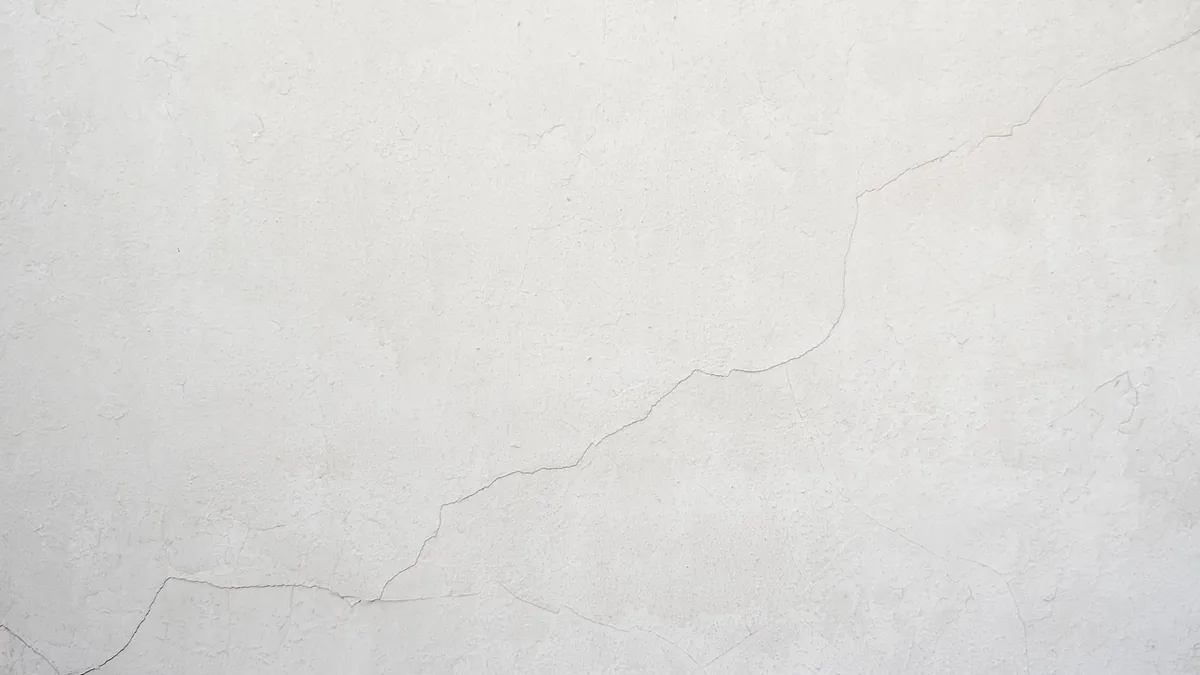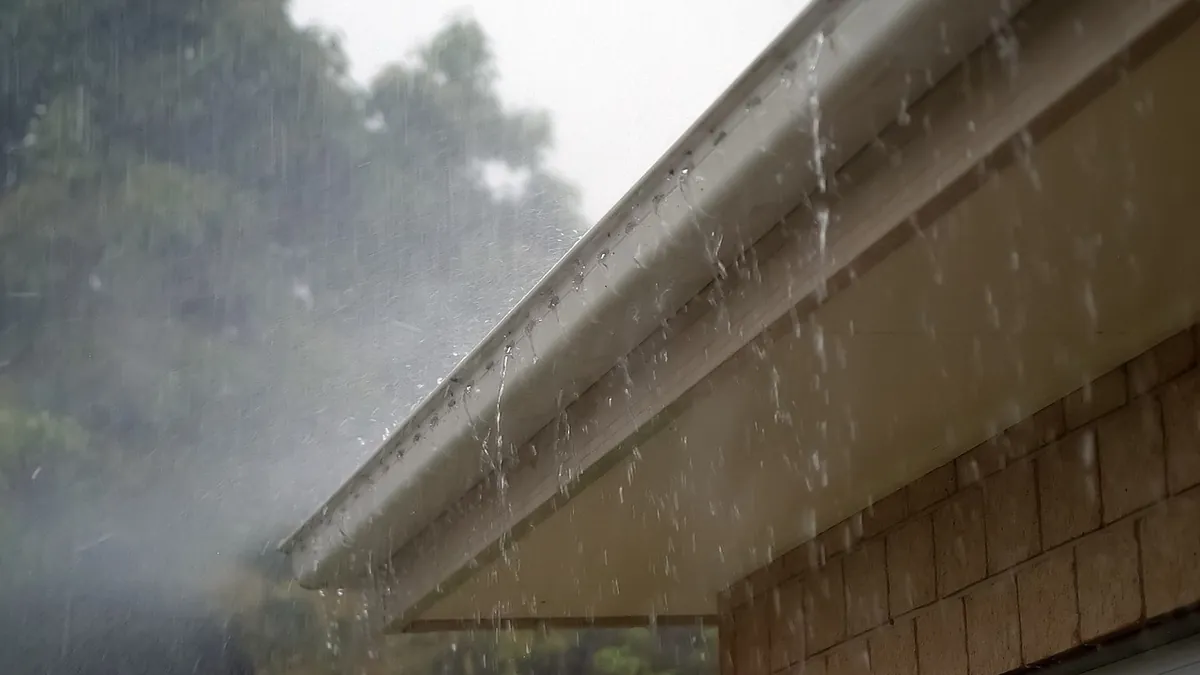
When water appears on your basement floor, particularly emerging from a crack, it’s a clear signal that something is amiss with your home’s foundation or drainage. This isn’t just about a minor inconvenience; the pattern of these leaks, the type of crack, and the circumstances under which the water appears can offer crucial clues about the underlying problem. Understanding these patterns is the first step toward effective diagnosis and repair, helping you differentiate between a simple sealant failure and a more significant structural or hydrostatic pressure issue.
Key Differences Between Basement Floor Crack Leaking and General Water Through Basement Floor
While both scenarios involve water in your basement, the distinction lies in the source and the path the water takes. “Basement floor crack leaking” specifically refers to water actively emerging from a visible crack in the concrete slab that forms your basement floor. This implies a direct conduit for water. “Water through basement floor,” on the other hand, is a broader term that encompasses any water penetration through the slab, which could include cracks, but also permeates through porous concrete, cold joints, or even up from beneath the slab without a visible, distinct crack.
The practical implications of this difference are significant. A crack leak often points to localized issues, such as a specific point of weakness in the slab or concentrated hydrostatic pressure beneath that particular area. Water permeating through the general floor area without a clear crack suggests a more widespread problem, potentially involving the overall porosity of the concrete, a high water table, or a broad failure in the sub-slab drainage system.
Consider this scenario: you find a damp spot directly over a thin, hairline crack running a few feet across your basement floor after a heavy rain. This is a classic example of “basement floor crack leaking.” The water is using that specific imperfection as its path of least resistance. Now, imagine your entire basement floor feels damp, with no visible cracks, and there’s a faint musty smell, especially during humid periods. This is more indicative of general “water through basement floor,” possibly due to capillary action drawing moisture through the concrete itself or widespread hydrostatic pressure forcing water through microscopic pores.
Another distinction lies in the urgency and type of repair. A leaking crack often requires targeted repair, like injecting epoxy or polyurethane. Widespread moisture intrusion through the general floor might necessitate a more comprehensive solution, such as a full basement waterproofing system involving interior drain tiles, sump pumps, or exterior excavation and membrane application.
Understanding the Mechanisms
- Basement Floor Crack Leaking: This typically occurs when water accumulates beneath the concrete slab. This accumulation can be due to poor exterior drainage, a high water table, or issues with the footing drains. As the water table rises, it exerts upward pressure (hydrostatic pressure) on the slab. If there’s a crack, it becomes the weakest point, and water is forced through it. The pattern of the crack – whether it’s a shrinkage crack, a settlement crack, or a structural crack – informs the diagnosis.
- Water Through Basement Floor (General Permeation): This often involves hydrostatic pressure pushing water through the concrete itself, not just an existing crack. Concrete, while dense, is not perfectly impermeable, especially if it’s older, poorly mixed, or has a high water-to-cement ratio. Capillary action can also draw moisture upwards from damp soil beneath the slab. This can manifest as widespread dampness, efflorescence (white, powdery mineral deposits), or even small puddles without a clear source.
Shared Benefits and Overlaps
Despite their differences, both “basement floor crack leaking” and general “water through basement floor” share common underlying causes and implications. Both are symptoms of excess moisture in the soil surrounding and beneath your home’s foundation, and both can lead to significant problems if ignored.
The primary shared benefit of addressing either issue is the preservation of your home’s structural integrity and indoor air quality. Prolonged moisture exposure, regardless of its specific entry point, can lead to:
- Foundation damage: While direct structural damage from water isn’t always immediate, continuous cycles of wetting and drying, especially with freeze-thaw, can weaken concrete. Water can also erode soil beneath the foundation, leading to settlement.
- Mold and mildew growth: Damp environments are ideal breeding grounds for mold. This not only causes unpleasant odors but can also trigger respiratory issues and allergies for occupants. Mold doesn’t discriminate between water from a crack or water permeating through the slab; any consistent moisture is an invitation.
- Damage to stored items: Anything kept in a damp basement – furniture, boxes, electronics – is susceptible to water damage, rot, or mold.
- Reduced property value: A damp, musty basement is a major turn-off for potential buyers and can significantly decrease a home’s market value.
- Pest infestations: Insects and rodents are often drawn to damp, dark environments.
Both types of water intrusion are ultimately driven by hydrostatic pressure. This is the force exerted by water in the soil pushing against or under your foundation. When the soil around your basement becomes saturated, the water seeks the path of least resistance. Whether that path is an existing crack or the microscopic pores within the concrete slab, the root cause is often the same: water accumulating where it shouldn’t.
Effective solutions for both often involve similar components as well. Improving exterior drainage, ensuring gutters and downspouts direct water away from the foundation, and maintaining proper grading around the house are fundamental first steps regardless of whether water is entering through a crack or generally permeating the floor. In more severe cases, interior or exterior drainage systems (like French drains or footing drains) and sump pumps are common solutions that address the overarching issue of hydrostatic pressure, thereby mitigating both specific crack leaks and general moisture intrusion.
For example, a homeowner might initially notice a crack leaking. Upon investigation, they might discover that their exterior grading slopes towards the house. Correcting this grading not only reduces the chances of that specific crack leaking but also lessens the overall hydrostatic pressure on the slab, thereby preventing general moisture permeation in other areas. The solutions often overlap because the underlying problem – managing water around the foundation – is shared.
When Basement Floor Crack Leaking May Be a Better Fit (for Diagnosis)
It’s not about one being “better” than the other in terms of desirability, but rather when the specific pattern of “basement floor crack leaking” offers a more precise diagnostic pathway or points to a more localized issue.
A leaking crack provides a clear, visible indicator of a problem. This direct evidence can simplify the diagnostic process significantly. When water is actively emerging from a crack, it points to:
- Localized hydrostatic pressure: The water isn’t just generally rising under the slab; it’s finding a specific, identifiable weak point. This can sometimes indicate a localized saturation point in the soil, perhaps due to a leaky pipe underground, a clogged footing drain section, or an area where surface water is pooling extensively.
- Specific slab weakness: The crack itself is the problem area. This might be a shrinkage crack that developed during concrete curing, a settlement crack from localized soil movement, or a crack caused by external pressure. The crack provides a tangible target for repair.
- Easier identification of the entry point: You can literally see where the water is coming in. This contrasts with general dampness, where pinpointing the exact entry method can be more challenging.
Consider a scenario where a single, relatively straight crack runs across the middle of your basement floor, and water consistently seeps from it after heavy rains. This pattern strongly suggests that hydrostatic pressure is building beneath that specific area, and the crack is acting as a relief valve. The repair can be quite targeted: cleaning the crack, potentially routing it out for a better bond, and then injecting it with a flexible polyurethane or epoxy sealant. This direct approach is often more straightforward and less invasive than addressing widespread moisture.
Another example: If you notice water coming from a crack directly above a utility line that enters your basement, it might indicate a compromised pipe or a void around the pipe entry point, allowing water to follow that path and emerge through the crack. The localized nature of the leak helps narrow down the potential external source.
In these instances, the “basement floor crack leaking” scenario offers a clearer, more defined problem statement. The crack provides a roadmap for investigation and a specific point of attack for repair, potentially saving time and resources compared to searching for the source of general moisture. The pattern of the crack itself – its width, depth, and whether it’s active or static – can also tell a story about the forces acting on the slab.
When Water Through Basement Floor May Be a Better Fit (for Diagnosis)
Conversely, when the issue is “water through basement floor” without a distinct crack, it typically signals a more pervasive problem that requires a broader approach to diagnosis and remediation. While seemingly less defined, this scenario can highlight systemic issues that a single crack might obscure.
General water permeation often points to:
- Widespread hydrostatic pressure: This suggests a consistently high water table or extensive poor drainage around the entire foundation, rather than a localized issue. The pressure is uniform enough to push moisture through the entire slab.
- Porous or compromised concrete: Older concrete, or concrete mixed with too much water, can be inherently more porous. This allows water vapor and even liquid water to pass through the material itself, not just through a crack. This isn’t a failure of a specific weak point, but a characteristic of the material.
- Failed or absent sub-slab drainage: If the sub-slab drainage system (if one exists) is overwhelmed, clogged, or was never installed, water can accumulate uniformly beneath the entire floor, leading to widespread permeation.
- Capillary action: Moisture from the soil can be drawn up through the concrete slab by capillary action, especially if there’s no vapor barrier or if it’s compromised. This often results in general dampness rather than distinct puddles from cracks.
Consider a situation where your basement floor consistently feels damp, and you see efflorescence (white powdery residue) appearing randomly across the surface, especially near the perimeter, but there are no obvious cracks. This scenario strongly indicates a general moisture problem. The absence of a specific leak point means the entire slab is likely under pressure or is allowing moisture to pass through.
In such cases, simply sealing a non-existent crack wouldn’t help. The solution typically involves a more comprehensive approach:
- Installing an interior perimeter drain tile system: This collects water that seeps through the basement walls or rises from beneath the slab and directs it to a sump pump.
- Applying waterproof coatings: These can help reduce moisture transmission through the concrete itself.
- Improving exterior drainage extensively: This might involve regrading the entire property, installing exterior French drains, or repairing all downspouts and gutters.
- Checking for and potentially installing a vapor barrier: If moisture is rising through capillary action, a sub-slab vapor barrier can be crucial.
The “water through basement floor” scenario, while initially daunting due to its less specific nature, compels a more holistic assessment of your home’s entire waterproofing envelope and drainage systems. It forces a look beyond a single point of failure to the broader environmental factors affecting your basement.
How to Choose Based on Goals and Context
Choosing the right approach to address basement water issues depends heavily on your specific goals, the observed symptoms, and your budget. It’s not about picking one type of leak over another, but rather diagnosing the problem accurately to implement the most effective solution.
Here’s a comparison to guide your decision-making:
| Feature/Consideration | Basement Floor Crack Leaking (Specific Crack) | Water Through Basement Floor (General Permeation) |
|---|---|---|
| Primary Symptom | Water actively emerges from a visible crack. | General dampness, widespread efflorescence, musty smell, no distinct crack entry. |
| Typical Underlying Cause | Localized hydrostatic pressure, specific slab weakness, settlement. | Widespread hydrostatic pressure, porous concrete, high water table, failed sub-slab drainage, capillary action. |
| Diagnostic Clarity | High; the crack provides a clear entry point. | Moderate; requires broader investigation to pinpoint source(s). |
| Initial Repair Focus | Targeted crack injection (epoxy/polyurethane), minor exterior drainage correction. | Comprehensive interior/exterior drainage, vapor barrier, waterproof coatings. |
| Cost Implications | Potentially lower for localized repairs. | Generally higher due to systemic nature of the problem. |
| Urgency | Moderate to high, depending on volume and frequency. | High, especially if mold is present or structural concerns arise. |
| DIY Potential | Some crack repairs can be DIY with kits, but professional assessment is best. | Most comprehensive solutions require professional expertise. |
| Long-Term Solution | May resolve the issue if the crack is the sole entry point. | Often requires a multi-faceted approach addressing multiple factors. |
When to focus on a “Basement Floor Crack Leaking” approach:
- Clear, isolated leaks: If you only see water coming from a single, well-defined crack, and the rest of your basement floor is dry.
- Recent crack formation: If the crack is new and coincides with the onset of the leak.
- Budget constraints for widespread solutions: If you need an immediate, targeted fix and cannot yet invest in a full waterproofing system. (However, be aware that a crack leak can be a precursor to broader issues.)
- Desire for minimal disruption: Crack injection is less invasive than installing interior drain tiles or excavating your foundation.
When to focus on a “Water Through Basement Floor” approach:
- Widespread dampness or efflorescence: If moisture is appearing in multiple spots, or the entire floor feels damp without specific cracks.
- Persistent musty odors: A strong, pervasive musty smell often indicates widespread moisture and potential mold growth, suggesting a general dampness problem.
- High water table in your area: If you live in an area known for high water tables or frequent flooding, a comprehensive solution is often necessary.
- Long-standing problem: If the issue has been chronic and previous localized fixes haven’t worked, it’s time for a broader strategy.
- Planning a basement renovation: Before finishing a basement, it’s crucial to address any general moisture issues comprehensively to protect your investment.
Ultimately, the goal is to create a dry, healthy basement environment. The pattern of water entry is a critical diagnostic tool. Don’t simply patch a crack if the underlying issue is widespread hydrostatic pressure, as the water will find another way in. Conversely, don’t undertake a full basement waterproofing system if a simple, targeted crack repair would effectively solve an isolated problem.
Always start by thoroughly investigating the exterior of your home. Are gutters clean and directing water far away? Is the ground sloped away from the foundation? Are there any visible signs of standing water near the house? These exterior factors are often the first line of defense against both types of basement water intrusion.
Frequently Asked Questions
What is basement floor crack leaking?
Basement floor crack leaking occurs when water seeps or flows through a visible crack in the concrete slab. This typically happens when water accumulates beneath the slab, creating hydrostatic pressure that forces it through the crack, which is the path of least resistance. The crack’s pattern, location, and the conditions under which it leaks offer clues about the underlying cause, such as localized settlement, shrinkage, or concentrated external water sources.
How does basement floor crack leaking compare with alternatives?
Basement floor crack leaking is a specific symptom, while “alternatives” might refer to other forms of basement water intrusion or different diagnostic approaches. Compared to general water permeation through the basement floor (where water enters through the concrete’s pores without a distinct crack), crack leaking offers a more defined entry point, often allowing for more targeted repairs. Compared to wall leaks, floor leaks often point to issues with hydrostatic pressure beneath the slab or sub-slab drainage, whereas wall leaks can also stem from issues with foundation walls directly (e.g., tie rod holes, block mortar joints). The “alternative” isn’t a choice of problem, but rather a different manifestation of water intrusion that requires a distinct diagnostic and repair strategy.
What are the most common mistakes people make with basement floor crack leaking?
One of the most common mistakes is to simply patch the crack from the inside without addressing the underlying cause. If the hydrostatic pressure or external water source isn’t managed, the water will likely find another weak point in the slab or wall, or the patch itself may fail. Another mistake is misdiagnosing the type of crack, leading to an ineffective repair (e.g., using rigid caulk on an active structural crack). Relying solely on DIY solutions for significant or recurring leaks without professional assessment is also a frequent error, as proper diagnosis often requires understanding soil mechanics, drainage, and concrete behavior. Finally, ignoring the problem altogether is a major mistake, as even minor leaks can lead to mold, structural issues, and decreased home value over time.
Conclusion
The presence of water in your basement, particularly from floor cracks, is more than just a nuisance; it’s a diagnostic puzzle. The specific pattern of a leaking basement floor crack, its location, and the conditions surrounding its appearance offer invaluable insights into the root cause of the moisture problem. Whether you’re observing isolated crack leaks or general dampness through the slab, understanding these differences is crucial for effective repair. By carefully observing these patterns and considering the broader context of your home’s drainage and foundation, you can make informed decisions, ensuring a dry, healthy, and structurally sound basement. Addressing these issues proactively protects your home’s integrity and value, turning a potential headache into a manageable problem with the right approach.
DIY safety disclaimer
Home Leak Fix publishes general DIY information for homeowners. Water intrusion can involve structural, electrical, height, mould, or insurance risks. Use proper safety equipment, follow local building rules, and call a qualified professional when a repair is unsafe, unclear, or beyond your experience.