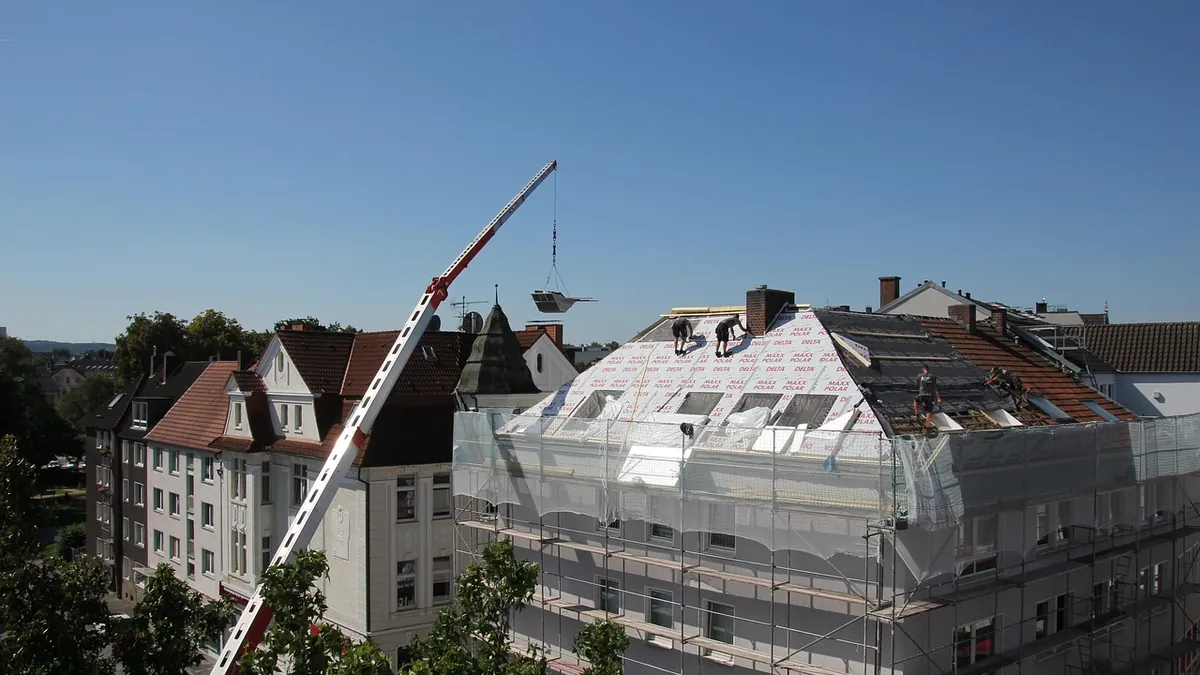
A leaking flat roof in wet weather presents an immediate problem: the leak won’t stop until the rain does, yet waiting for dry conditions can lead to further damage. While conventional wisdom suggests avoiding roof work in the rain, certain products and techniques are specifically designed for damp or wet conditions, offering temporary or even semi-permanent solutions. The ability to repair a flat roof in wet weather hinges on understanding the limitations, selecting appropriate materials, and prioritizing safety. This article explores these options, distinguishing between emergency patches and more robust wet-surface sealants, and highlights critical mistakes to avoid.
Key Differences Between Repair Flat Roof in Wet Weather and Roof Coating in Rain
When a flat roof leaks during a downpour, the immediate concern is stopping water ingress. Two terms often surface: “repair flat roof in wet weather” and “roof coating in rain.” While they both address wet conditions, their applications, expected outcomes, and longevity differ significantly.
“Repair flat roof in wet weather” generally refers to targeted, localized interventions aimed at stopping an active leak or sealing a specific breach. These are often reactive measures, designed to mitigate immediate damage. The products used are typically highly adhesive and formulated to cure or adhere even when the substrate is damp or outright wet. Think of these as emergency fixes. For instance, an asphalt-based mastic or a specialized wet-patch sealant is applied directly to a crack or tear in the membrane while it’s still raining or just after, to prevent further water penetration. The primary goal is to arrest the leak.
“Roof coating in rain,” on the other hand, describes a broader application, typically a liquid-applied membrane designed to cover a larger surface area. While some coatings are formulated to be applied in damp conditions or even light rain, their primary purpose is usually preventative maintenance, extending the life of the roof, or providing a seamless, waterproof layer over an existing, but not actively gushing, roof. These coatings are less about stopping an emergency leak and more about enhancing overall waterproofing or restoring an aging roof surface. An example would be an acrylic or silicone coating designed for damp surface application, though usually not for direct application into standing water or heavy rain. The aim here is often more long-term protection or restoration rather than immediate leak cessation.
The practical implication is that if you have a gushing leak, you’re looking for a “repair flat roof in wet weather” product – something designed to stick and seal in adverse conditions. If you’re undertaking a planned maintenance task and the forecast is uncertain, a “roof coating in rain” product might allow you to proceed, provided the conditions aren’t too severe. The trade-off is often in curing time and ultimate bond strength; emergency wet-weather repair products prioritize immediate sealing, sometimes at the expense of long-term durability compared to dry-applied, full-cure solutions.
Consider a scenario: a sudden thunderstorm causes a visible leak in your office building’s flat roof. You’d reach for an emergency roof patch or a wet surface sealant – a “repair flat roof in wet weather” solution – to stop the water from damaging equipment. If, however, you’re planning to recoat an aging flat roof to extend its lifespan, and a light drizzle is expected, you might consider a “roof coating in rain” product that allows for application in such conditions, but you wouldn’t use it to plug an active, heavy leak.
Shared Benefits and Overlaps
Despite their differences, both “repair flat roof in wet weather” products and “roof coating in rain” solutions share some common ground and offer similar benefits in specific contexts. Their primary shared advantage is the ability to address roofing issues without waiting for ideal dry conditions, which can be crucial in regions with prolonged wet seasons or during unexpected storms.
Both categories of products are formulated with specialized polymers and additives that allow them to adhere to damp or wet substrates. This is a significant departure from traditional roofing materials, most of which require a clean, dry surface for proper adhesion and curing. The chemical engineering behind these products often involves hydrophilic (water-attracting) or hydrophobic (water-repelling) properties that enable them to displace water or bond through it.
Another shared benefit is the potential for damage mitigation. Whether it’s a targeted patch or a broader coating application, by addressing a roof issue sooner rather than later, both approaches can prevent escalating interior damage, structural degradation, and the growth of mold or mildew. A small leak, if left unattended, can quickly become a major problem. The ability to intervene during wet conditions means that the window of vulnerability for the building is reduced.
Furthermore, both types of products can serve as temporary solutions, buying time until more comprehensive, dry-weather repairs or replacements can be undertaken. An emergency wet patch might stop a leak for weeks or months, allowing property owners to plan and budget for a permanent fix without the immediate pressure of an active leak. Similarly, a damp-applied coating can extend the life of a roof for a few more years, delaying a costly replacement.
Consider a commercial property manager discovering a leak during a week of continuous rain. Applying an emergency wet patch (repair flat roof in wet weather) allows them to prevent further damage to inventory and equipment. This patch then holds until a dry spell, at which point a professional roofing contractor can perform a more durable repair. In another instance, a facility manager might opt for a damp-surface coating (roof coating in rain) on an older roof during a period of intermittent showers, knowing that this will add a few more years of waterproofing performance before a full roof replacement becomes unavoidable. In both cases, the ability to work in less-than-ideal weather conditions provides flexibility and prevents more severe consequences.
When Repair Flat Roof in Wet Weather May Be a Better Fit
The decision to use a product designed for “repair flat roof in wet weather” typically arises from an urgent need to stop an active leak or address a critical breach in the roof membrane. These situations prioritize immediate leak cessation over long-term aesthetic or comprehensive restoration.
Here are scenarios where wet-weather repair solutions are particularly appropriate:
- Active Leaks During Precipitation: This is the most common and compelling reason. If water is actively dripping or flowing into the building, a product specifically designed to adhere to wet surfaces and cure in damp conditions is essential. Traditional sealants would simply wash away or fail to bond.
- Localized Damage: When the leak source is a specific, identifiable point, such as a tear, a puncture, a failing seam, or a crack around a penetration (e.g., a vent pipe, skylight curb), a wet-weather patch or sealant can be precisely applied to that area. This targeted approach is efficient and minimizes material waste.
- Emergency Situations: During severe storms, unexpected damage, or when waiting for dry weather is not an option due to the risk of significant interior damage (e.g., to sensitive equipment, electrical systems, or structural components), emergency wet-weather repairs are invaluable. They serve as a crucial first line of defense.
- Temporary Solutions: Sometimes, a permanent repair requires specialized tools, materials, or skilled labor that isn’t immediately available. A wet-weather repair can provide a robust temporary seal, allowing the building owner to buy time until optimal conditions and resources are in place for a lasting fix.
- Limited Access or Time: In situations where the window for repair is narrow, perhaps due to continuous bad weather forecasts or operational constraints, wet-weather repair products offer a practical workaround.
For example, imagine a manufacturing plant where a sudden downpour reveals a leak directly above a critical piece of machinery. Shutting down the machinery for an extended period to wait for dry weather is not an option. Here, an emergency wet-surface sealant, perhaps a fiber-reinforced asphalt mastic that can be troweled into place even with standing water, would be the ideal choice. It offers immediate waterproofing, preventing damage to the equipment, and allows the plant to continue operations while a more permanent repair is scheduled for a dry day. Another instance might involve a small business experiencing a leak over its main reception area during a protracted rainy spell. A quick application of a specialized wet-patch product can prevent further water damage to the interior, maintaining a professional appearance and avoiding business disruption.
When Roof Coating in Rain May Be a Better Fit
While emergency wet-weather repairs address immediate leaks, “roof coating in rain” solutions cater to different needs, typically falling under maintenance, restoration, or proactive waterproofing, often in less severe damp conditions.
Here are scenarios where applying a roof coating in damp or light rain conditions might be a more suitable approach:
- Proactive Maintenance and Restoration: When an existing flat roof is showing signs of age – minor cracking, chalking, or general surface degradation – but isn’t actively gushing water, a damp-surface compatible coating can extend its lifespan. These coatings create a new, seamless waterproof layer over the entire surface.
- Non-Emergency Situations: The decision to apply a damp-surface coating is usually planned, not reactive. It’s part of a scheduled maintenance program where the primary goal is to enhance the roof’s overall performance and durability.
- Widespread, Minor Leaks or Seepage: If a roof is experiencing general seepage or numerous tiny leaks across a broad area, rather than a single, large breach, a liquid-applied coating can provide a more comprehensive solution than trying to patch dozens of individual spots.
- Weather Variability: In climates where dry spells are short or unpredictable, and waiting for several consecutive dry days for a standard coating application is impractical, specialized coatings designed for damp surfaces offer a viable option. These products are formulated to cure effectively even with some ambient moisture or light precipitation.
- Energy Efficiency and UV Protection: Many roof coatings, especially reflective ones, offer energy-saving benefits by reducing heat absorption. If the primary goal includes improving energy efficiency alongside waterproofing, and weather conditions are only mildly damp, a suitable coating can fulfill both objectives.
- Improving Roof Aesthetics: Beyond functionality, coatings can significantly improve the appearance of an old, weathered flat roof, providing a fresh, uniform look. This is generally a planned undertaking, not an emergency.
Consider a large warehouse roof that is 15 years old, showing some minor surface deterioration, but no major active leaks. The facility manager wants to extend its life by another 5-10 years without the expense of a full replacement. The forecast for the next week includes several days with light morning drizzles followed by cloudy skies. Applying a silicone or elastomeric coating specifically designed for damp surface application would be appropriate here. This allows the work to proceed, providing a new waterproof membrane and UV protection, even if the roof surface isn’t perfectly bone dry, as long as there’s no standing water or heavy rain. Another example is a school building where the flat roof needs a refresh before the academic year starts. With a tight schedule and intermittent light rain, a damp-compatible coating allows the project to stay on track, ensuring the roof is protected without major disruption.
How to Choose Based on Goals and Context
Selecting the right approach for a flat roof issue during wet weather depends critically on your immediate goals, the nature of the problem, and the prevailing weather conditions. It’s a balance between urgency, longevity, and practicality.
Here’s a framework to guide your decision:
| Factor | Repair Flat Roof in Wet Weather (e.g., emergency patch, wet surface sealant) | Roof Coating in Rain (e.g., damp-surface elastomeric/silicone coating) |
|---|---|---|
| Primary Goal | Stop active, immediate leak; prevent further damage. | Proactive waterproofing, restoration, extend roof life, enhance performance. |
| Nature of Leak | Localized, active drip/flow, puncture, tear, failing seam. | General seepage, widespread minor cracks, aging surface, no active gushing. |
| Weather | Active rain, standing water, very damp conditions. | Damp surface, light drizzle, high humidity (no standing water or heavy rain). |
| Urgency | High – immediate action required to prevent significant damage. | Moderate to low – planned maintenance, can be scheduled. |
| Longevity | Often temporary; buys time for permanent repair. | Semi-permanent; extends roof life for several years. |
| Application | Targeted, often troweled or brushed into specific breach. | Broad, rolled or sprayed over entire roof surface. |
| Cost (per application) | Generally lower for individual patches. | Higher due to material volume and labor for full coverage. |
| Safety Concerns | High due to working in adverse, slippery conditions. | Moderate, still involves working at height, but less immediate weather hazard. |
Consider the following decision points:
- Is water actively entering the building? If yes, your priority is immediate leak cessation. Look for an “emergency roof patch” or “wet surface sealant” specifically designed to adhere and cure in wet conditions. These are your “repair flat roof in wet weather” solutions. The goal is to stop the water, even if it’s a temporary fix.
- Is the problem a general aging or deterioration, rather than an active, gushing leak? If your roof is old, showing signs of wear, or experiencing minor, widespread seepage, and you want to extend its life or improve its waterproofing proactively, a “roof coating in rain” product might be suitable. Ensure the specific product is rated for damp application and that conditions aren’t too severe (no standing water, not heavy rain).
- What are the ambient conditions? “Wet surface sealant” products can often handle standing water or heavy rain, while “damp weather waterproofing” coatings typically require the surface to be merely damp, not saturated or under active precipitation. Always check the product’s specific instructions.
- What is your long-term plan? If the wet-weather repair is an emergency, plan for a comprehensive, dry-weather inspection and permanent repair as soon as conditions allow. If you’re applying a coating, understand its expected lifespan and maintenance requirements.
- Safety: Any work on a wet roof is inherently dangerous. Prioritize safety regardless of the chosen method. This might mean only applying a quick patch from a safe vantage point or hiring professionals for broader applications.
For instance, if a flat roof on a retail store develops a puncture and water is pouring in, a contractor would use a specialized, fiber-reinforced wet patch (repair flat roof in wet weather) to stop the immediate ingress. This is a reactive, emergency measure. Conversely, if a property manager notices the 10-year-old flat roof of an apartment building is looking worn and wants to prevent future leaks without waiting for a prolonged dry spell, they might opt for a silicone coating that can be applied to a damp surface (roof coating in rain) to provide a new waterproof layer across the entire roof. This is a proactive, restorative measure.
Frequently Asked Questions
What is repair flat roof in wet weather?
“Repair flat roof in wet weather” refers to the process of applying specialized materials to a flat roof to stop or mitigate leaks and damage while the roof surface is damp, wet, or even under active precipitation. These repairs are typically reactive, emergency measures designed to prevent further water ingress into a building when waiting for dry conditions is not feasible or safe. The products used are formulated to adhere and cure despite the presence of moisture, often incorporating aggressive adhesives or water-displacing properties. Examples include asphalt-based wet patch cements, certain types of elastomeric sealants, or temporary patches that can be applied directly to a leaking area during a rainstorm.
How does repair flat roof in wet weather compare with alternatives?
The primary alternative to repairing a flat roof in wet weather is to wait for dry conditions and perform a traditional, permanent repair.
| Feature | Repair Flat Roof in Wet Weather | Traditional Dry-Weather Repair |
|---|---|---|
| Timing | Immediate, during rain or dampness. | Requires completely dry, clean surface, often stable temperatures. |
| Purpose | Emergency leak stoppage, damage prevention (often temporary). | Permanent, long-term solution, full structural integrity. |
| Material Types | Specialized wet-patch cements, sealants, waterproof tapes. | Asphalt, EPDM, TPO, PVC membranes, hot-applied bitumen, coatings. |
| Adhesion | Formulated to adhere to wet/damp surfaces, can be less robust long-term. | Strongest adhesion, optimal curing, designed for longevity. |
| Durability | Often temporary or semi-permanent; may require follow-up. | Designed for maximum durability and lifespan. |
| Cost | Generally lower for material, but may incur emergency labor rates. | Can be higher for materials and skilled labor for comprehensive work. |
| Safety | Higher risk due to slippery conditions, working in adverse weather. | Lower risk, but still involves working at height. |
| Preparation | Minimal; often just clearing debris from leak area. | Extensive; cleaning, drying, priming, surface preparation. |
While wet-weather repairs offer immediate relief and prevent escalating damage, they are often not a substitute for a thorough, permanent repair conducted under optimal dry conditions. They buy time and mitigate risk.
What are the most common mistakes people make with repair flat roof in wet weather?
Attempting to repair a flat roof in wet weather, especially without proper knowledge or materials, can lead to several common and potentially costly mistakes:
- Using the Wrong Materials: The most frequent error is attempting to use standard roofing cements, sealants, or coatings that require a dry surface. These products will not adhere properly to a wet roof, leading to immediate failure and wasted effort. Always use products explicitly labeled for “wet surface,” “damp application,” or “emergency wet patch.”
- Sacrificing Safety: Working on a wet, slippery roof is extremely dangerous. People often rush or fail to use proper fall protection, stable ladders, and appropriate footwear. This can result in severe injuries or fatalities. No repair is worth risking personal safety.
- Inadequate Surface Preparation: Even with wet-compatible products, some level of surface preparation is crucial. Failing to clear away standing water, loose debris, leaves, or old, crumbling material from the leak area can prevent even wet-patch products from achieving a proper bond.
- Applying Too Much Material: Believing that more material equals a better seal, some people apply excessive amounts of wet patch. This can lead to uneven curing, cracking, or create a dam that holds water rather than shedding it, exacerbating the problem. A proper application focuses on sealing the breach, not burying it.
- Assuming the Repair is Permanent: Wet-weather repairs are often temporary solutions. A common mistake is treating an emergency patch as a permanent fix and failing to schedule a comprehensive inspection and permanent repair once dry conditions return. This can lead to the leak recurring or new issues developing.
- Misidentifying the Leak Source: Water can travel significant distances under a flat roof membrane before appearing inside a building. Patching the visible leak inside doesn’t mean you’ve sealed the entry point on the roof. Without a thorough inspection, especially during dry conditions, the actual source may be missed, leading to repeated repairs.
- Working Alone or Unprepared: Attempting a wet-weather repair without a spotter, communication, or necessary tools (e.g., proper lighting, cutting tools, cleaning supplies) increases risk and reduces effectiveness.
By understanding these pitfalls, property owners and maintenance personnel can approach wet-weather flat roof repairs more safely and effectively.
Conclusion
Repairing a flat roof in wet weather is not always ideal, but it’s often a necessity. The critical distinction lies between immediate, targeted emergency repairs to stop active leaks and broader damp-surface coatings for maintenance or restoration. While specialized products exist for both, they are not interchangeable, and their application depends heavily on the specific problem, the urgency, and prevailing weather conditions. Prioritizing safety is paramount, as working on a wet roof carries inherent risks. Ultimately, wet-weather solutions can mitigate damage and buy time, but a thorough inspection and permanent repair under dry conditions remain the gold standard for long-term flat roof integrity.
DIY safety disclaimer
Home Leak Fix publishes general DIY information for homeowners. Water intrusion can involve structural, electrical, height, mould, or insurance risks. Use proper safety equipment, follow local building rules, and call a qualified professional when a repair is unsafe, unclear, or beyond your experience.