Selecting the right waterproofing method is critical for the longevity and integrity of any structure. Two prevalent approaches, cementitious and liquid membrane waterproofing, offer distinct advantages and limitations. Understanding these differences is essential for making an informed decision that aligns with specific project requirements and environmental conditions. This article delves into the core characteristics of each, explores their shared attributes, and provides guidance on how to choose the most suitable option for various applications.
Key Differences Between Cementitious vs Liquid Membrane Waterproofing
At a fundamental level, both cementitious and liquid membrane waterproofing aim to prevent water ingress. However, their material composition, application methods, and performance characteristics diverge significantly.
Cementitious waterproofing, often referred to as tanking slurry or cement waterproofing, involves applying a cement-based coating, typically modified with polymers, directly to a surface. These polymers enhance flexibility and adhesion, but the primary matrix remains mineral. It forms a rigid, breathable, yet impermeable layer. Think of it as a specialized, highly dense plaster that blocks water.
Liquid membrane waterproofing, on the other hand, utilizes a liquid polymer-based material that, once applied, cures to form a continuous, seamless, and elastic membrane. These materials can be bitumen-modified polyurethanes, acrylics, or other synthetic resins. The key characteristic here is flexibility and the formation of a true membrane that moves with the substrate.
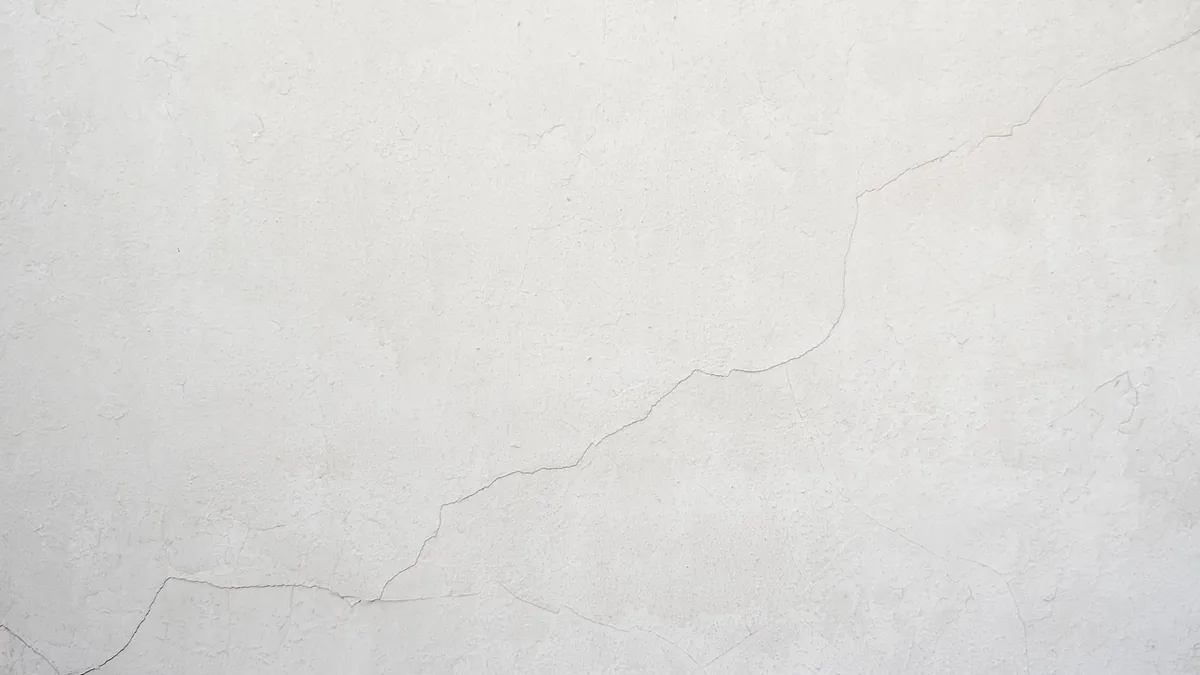
Consider a basement wall as an example. With cementitious waterproofing, a thick, slurry-like coating is troweled or sprayed onto the concrete. This coating becomes an integral, rigid part of the wall’s surface, resisting hydrostatic pressure by presenting an impenetrable barrier. If the concrete wall cracks significantly due to structural movement, the cementitious layer, being rigid, may also crack.
In contrast, applying a liquid membrane to the same basement wall would involve painting or spraying a viscous liquid that then dries or cures into a rubber-like sheet. Should the concrete wall experience minor cracking, the elastic liquid membrane is often capable of stretching and bridging these small fissures, maintaining its waterproof integrity. This inherent flexibility is a critical differentiator.
Another practical implication lies in surface preparation. Cementitious systems generally require a rough, porous surface for optimal mechanical bond, often needing the substrate to be damp. Liquid membranes, while also requiring a clean surface, may be more forgiving regarding surface texture, but often demand a completely dry substrate and specific primers to ensure proper adhesion and curing. The curing process for liquid membranes can also be sensitive to environmental factors like temperature and humidity, which can affect drying times and final performance.
| Feature | Cementitious Waterproofing | Liquid Membrane Waterproofing |
|---|---|---|
| Material Base | Cement, sand, polymers (mineral-based) | Polymers (e.g., polyurethane, acrylic, bitumen-modified) |
| Flexibility | Limited; rigid or semi-rigid | High; elastic and flexible |
| Breathability | Good; allows water vapor to escape | Limited; typically forms a vapor barrier |
| Application | Trowel, brush, spray; typically multiple coats | Brush, roller, spray; typically multiple coats |
| Curing Time | Varies; can be days to achieve full strength | Varies; skin formation often quick, full cure can be longer |
| Surface Prep | Requires rough, porous, often damp surface for bond | Requires clean, dry, often primed surface |
| Crack Bridging | Limited; susceptible to cracking with substrate movement | Excellent; can bridge minor substrate cracks |
| UV Resistance | Generally good (if polymer-modified) | Varies greatly by product; some require topcoats |
| Cost (Material) | Generally lower than liquid membranes | Generally higher than cementitious materials |
| Typical Use | Basements, foundations, wet areas (bathrooms), water tanks | Roofs, balconies, swimming pools, complex geometries |
Shared Benefits and Overlaps
Despite their differences, cementitious and liquid membrane waterproofing share several common objectives and offer overlapping benefits that make them both valuable choices in construction.
Both methods aim to create a barrier against water penetration, protecting structural elements from moisture damage, efflorescence, and corrosion of reinforcement. This fundamental goal is achieved through distinct mechanisms, but the end result – a waterproofed structure – is the same. For instance, both can be effectively used in a bathroom shower area. A cementitious tanking slurry creates a robust, tile-ready surface, while a liquid membrane provides a seamless, flexible layer beneath the tiles. In both scenarios, the objective is to contain water within the shower enclosure and prevent it from reaching the underlying structure.
Another shared benefit is their ability to be applied directly to a substrate, forming a monolithic, continuous layer without seams, unlike sheet membranes that require overlaps and sealing. This continuity minimizes potential weak points where water could otherwise infiltrate. This is particularly advantageous in complex areas with numerous penetrations or irregular shapes, where cutting and sealing sheet membranes can be challenging and prone to error.
Both technologies also offer a degree of chemical resistance, though the specific chemicals they can withstand vary significantly by product formulation. For example, a cementitious coating might be highly resistant to certain ground chemicals in a foundation application, while a specialized liquid membrane might be formulated to resist chemicals found in industrial tanks or wastewater treatment plants. It’s crucial to consult product datasheets for specific chemical compatibility.
Finally, both cementitious and liquid membrane systems contribute to the overall durability of a structure by preventing water-related degradation. Water ingress can lead to freeze-thaw damage, mold growth, and structural weakening over time. By effectively sealing surfaces, both types of waterproofing extend the service life of buildings and infrastructure, reducing maintenance costs and ensuring occupant health and safety.
Consider a concrete water tank. Both cementitious tanking slurry and a specialized liquid membrane could be used to waterproof its interior. The cementitious option would provide a rigid, chemically stable lining suitable for potable water, while a liquid membrane might offer better crack bridging if the tank is subject to thermal movement or minor structural shifts. The overlap here is the fundamental ability to create a sealed container for water, despite the material differences. The choice often comes down to secondary factors like expected movement, specific chemical exposure, and application conditions.
When Cementitious Waterproofing May Be a Better Fit
Cementitious waterproofing excels in environments where rigidity, breathability, and direct integration with concrete or masonry are paramount.
One primary scenario where cementitious waterproofing is a better fit is for below-grade structures subject to hydrostatic pressure. Basements, foundations, retaining walls, and underground car parks are prime candidates. Here, the rigid, dense nature of cementitious coatings provides a robust barrier against external water pressure. Imagine a basement wall where groundwater exerts continuous pressure. A cementitious tanking slurry, applied to the interior, becomes part of the wall’s structure. Its mineral composition and strong bond to concrete create an unyielding shield against the water trying to push through. This application is particularly effective when applied to the positive side (the side facing the water pressure).
Another key advantage of cementitious systems is their breathability. While they block liquid water, they often allow water vapor to pass through. This is crucial in environments where moisture might accumulate within the structure, such as older buildings or areas with fluctuating humidity. For instance, in a historic stone or brick basement, a breathable cementitious coating can prevent liquid water entry while still allowing trapped moisture within the wall to evaporate outwards, reducing the risk of dampness and mold without sealing the moisture in. Liquid membranes, being less breathable, could trap this moisture, potentially leading to other issues.
Wet areas with tiling, like bathrooms, kitchens, and balconies, frequently benefit from cementitious waterproofing. These areas require a waterproof layer that can withstand constant moisture and provide a stable base for tile adhesion. Cementitious slurries bond exceptionally well to concrete and screeds, creating a durable, rigid layer that’s ideal for direct tile application using cement-based tile adhesives. The robust nature of the cementitious layer also protects against impact damage that might occur during the tiling process or subsequent use.
Furthermore, potable water tanks and reservoirs often utilize cementitious waterproofing due to its non-toxic, inert nature once cured. Many cementitious products are certified for contact with drinking water, making them a safe and reliable choice for containing water intended for human consumption. Liquid membranes, depending on their chemical composition, may not always be suitable for potable water applications without specific certifications.
Finally, the cost-effectiveness of cementitious materials, especially for large areas, can make them a preferred choice. While labor costs for application are similar, the material itself is generally less expensive per square meter compared to many liquid membranes. This makes it an attractive option for budget-conscious projects where the performance characteristics align with the requirements.
In summary, if your project involves rigid substrates, hydrostatic pressure, the need for breathability, a tiled finish, potable water contact, or large-scale applications where cost is a significant factor, cementitious waterproofing is likely the more appropriate solution.
When Liquid Membrane Waterproofing May Be a Better Fit
Liquid membrane waterproofing shines in applications demanding high flexibility, seamless coverage over complex geometries, and superior crack-bridging capabilities.
A primary application where liquid membranes excel is roof waterproofing, especially for flat or low-slope roofs. Roofs are constantly exposed to thermal cycling, causing expansion and contraction of the substrate. A rigid material like cementitious waterproofing would be highly susceptible to cracking under these stresses. Liquid membranes, such as polyurethane or acrylic systems, cure into an elastic, rubber-like film that can accommodate significant structural movement and thermal expansion without compromising its waterproof integrity. Consider a large commercial flat roof with numerous vents, pipes, and HVAC units. Applying a liquid membrane allows for a truly seamless, monolithic coating that encapsulates all penetrations and irregular shapes without the need for complex detailing or vulnerable seams inherent with sheet membranes.
Balconies and terraces are another ideal use case for liquid membranes. Similar to roofs, these areas experience thermal movement and are often exposed to direct sunlight and weather. The flexibility of liquid membranes ensures that minor hairline cracks in the concrete slab, which are common, are bridged effectively, preventing water from reaching the structure below. Many liquid membrane systems for balconies also offer UV stability and can be finished with decorative topcoats or receive aggregates for anti-slip properties, providing both waterproofing and an aesthetic finish.
For swimming pools and water features, liquid membranes offer excellent adhesion to various substrates and can withstand continuous immersion in water. Their seamless nature eliminates the weak points that traditional tiling grout or rigid coatings might present over time, particularly at corners and junctions. The elasticity also helps in accommodating minor ground movements that can affect pool structures. A flexible membrane can absorb these stresses without cracking, maintaining the pool’s waterproof barrier.
Complex geometries and detailing are significantly easier to waterproof with liquid membranes. Pipes, drains, skylights, and other penetrations can be seamlessly integrated into the waterproof layer by simply brushing or rolling the liquid membrane around them. This creates a continuous seal without the need for intricate cutting, patching, or specialized pre-formed pieces often required by other systems. This ease of detailing contributes to a more reliable and efficient installation.
Finally, structures prone to movement or vibration, such as those in seismic zones or on suspended slabs, benefit greatly from the inherent elasticity of liquid membranes. Where a rigid cementitious coating would crack under dynamic stresses, a flexible membrane can stretch and recover, maintaining its integrity. This dynamic performance is critical for long-term waterproofing in challenging structural conditions.
Liquid membrane waterproofing is often the superior choice when your project involves significant thermal or structural movement, intricate details, large exposed areas like roofs or balconies, or requires a truly seamless and elastic barrier.
How to Choose Based on Goals and Context
The decision between cementitious and liquid membrane waterproofing ultimately hinges on a thorough evaluation of project-specific goals, environmental context, and long-term performance expectations. There’s no single “best” solution; rather, it’s about selecting the most appropriate tool for the job.
1. Analyze the Substrate and Structural Movement:
- Rigid, stable substrates with minimal movement (e.g., thick concrete foundations, basement walls): Cementitious systems are often suitable here. Their strong bond to mineral substrates and inherent rigidity work well where cracking is not anticipated.
- Substrates prone to movement, cracking, or thermal cycling (e.g., roofs, suspended slabs, balconies, structures in seismic areas): Liquid membranes are typically preferred due to their flexibility and crack-bridging capabilities. They can accommodate these movements without losing integrity.
2. Consider Exposure Conditions:
- Below-grade, hydrostatic pressure, or constant immersion (e.g., basements, water tanks, swimming pools): Both can work. For basements, cementitious offers positive side waterproofing against pressure. For pools, liquid membranes offer seamlessness and flexibility. For potable water, ensure certifications for either.
- Above-grade, exposed to UV radiation and weather (e.g., roofs, balconies): Liquid membranes, especially those formulated with UV resistance (or with a protective topcoat), are generally better suited. Cementitious systems, while durable, are not typically designed as primary exposed weathering surfaces without additional protection.
- Breathability requirements (e.g., old masonry, basements with internal moisture issues): Cementitious systems often allow vapor transmission, which can be critical to prevent moisture entrapment in specific building types. Liquid membranes create a vapor barrier, which is beneficial in some cases but detrimental in others.
3. Evaluate Application Environment and Complexity:
- Simple, large, flat surfaces: Both can be applied efficiently.
- Complex geometries, numerous penetrations, or irregular shapes: Liquid membranes simplify detailing significantly, reducing labor and potential failure points compared to rigid systems or sheet membranes.
- Temperature and humidity during application: Liquid membranes often have stricter requirements for dry conditions and specific temperature ranges for proper curing. Cementitious systems can sometimes be applied to damp substrates.
4. Budget and Longevity:
- Initial Cost: Cementitious materials are generally less expensive per square meter. However, total project cost includes labor, surface preparation, and potential repair.
- Long-term Maintenance and Lifecycle Cost: A more expensive liquid membrane that prevents leaks for 20+ years might be more cost-effective than a cheaper cementitious system that cracks after 5 years and requires extensive repairs. Consider the expected service life and warranty.
5. Intended Finish:
- Tiled surfaces (e.g., bathrooms, kitchens): Both can provide a suitable substrate. Cementitious systems often offer a good mechanical key for tile adhesives.
- Exposed surfaces requiring aesthetics (e.g., decorative roofs, balconies): Liquid membranes can be formulated with various colors and textures, or receive protective/decorative topcoats.
Decision Table:
| Factor | Cementitious Waterproofing | Liquid Membrane Waterproofing |
|---|---|---|
| Substrate Movement | Low to none (rigid substrates) | Moderate to high (flexible substrates, thermal cycling) |
| Hydrostatic Pressure | Excellent (positive side application) | Good (requires strong adhesion and appropriate thickness) |
| Breathability | High (allows vapor transmission) | Low (forms a vapor barrier) |
| UV Exposure | Moderate (can degrade over time if not protected) | Excellent (if formulated with UV resistance or topcoat) |
| Application Complexity | Good for general surfaces, more effort for complex details | Excellent for complex details, seamless integration |
| Crack Bridging Ability | Limited | High |
| Typical Cost (Materials) | Lower | Higher |
| Best For | Basements, foundations, wet rooms under tiles, water tanks | Roofs, balconies, swimming pools, complex details, high movement areas |
Ultimately, consulting with experienced waterproofing professionals is advisable. They can assess the specific nuances of a project, recommend suitable products, and ensure correct application, which is as critical as material selection for long-term success.
Frequently Asked Questions
What is cementitious vs liquid membrane waterproofing?
Cementitious waterproofing uses a cement-based, polymer-modified coating that forms a rigid or semi-rigid, breathable barrier against water. It’s like a specialized, dense plaster. Liquid membrane waterproofing, conversely, involves applying a liquid polymer material (e.g., polyurethane, acrylic) that cures into a seamless, elastic, and flexible membrane. The fundamental difference lies in their flexibility and material composition: cementitious is mineral-based and rigid; liquid membrane is polymer-based and elastic.
How does cementitious vs liquid membrane waterproofing compare with alternatives?
Compared to other waterproofing methods like sheet membranes (e.g., EPDM, PVC, TPO), both cementitious and liquid membranes offer the advantage of being seamless when applied. Sheet membranes require careful overlaps and sealing at joints, which can be potential failure points. However, sheet membranes often offer consistent thickness and factory-controlled quality.
Against bituminous coatings (e.g., asphalt emulsions), both cementitious and liquid membranes generally offer superior performance. Bituminous coatings can become brittle over time, especially with UV exposure, and may not offer the same level of flexibility or crack bridging as liquid membranes, nor the rigidity and breathability of cementitious systems.
Integral waterproofing, where admixtures are added to concrete during mixing, aims to reduce concrete’s permeability. While beneficial, it doesn’t create a surface barrier like cementitious or liquid membrane systems. Often, integral waterproofing is used in conjunction with these surface applications for enhanced protection.
The choice among these alternatives depends heavily on the specific application, budget, expected movement, and desired longevity.
What are the most common mistakes people make with cementitious vs liquid membrane waterproofing?
Several common mistakes can compromise the effectiveness of both cementitious and liquid membrane waterproofing:
- Improper Surface Preparation: This is perhaps the most critical error. For cementitious, inadequate cleaning or failing to achieve a rough, porous surface can lead to poor adhesion. For liquid membranes, a dirty, dusty, or damp surface will prevent proper bonding and curing, leading to delamination or blistering.
- Incorrect Mixing Ratios: Especially with two-component cementitious systems or some liquid membranes, deviating from manufacturer-specified mixing ratios can drastically alter the material’s properties, affecting strength, flexibility, and curing.
- Insufficient Thickness/Coverage: Applying too thin a layer or not enough coats means the system won’t achieve its designed waterproofing capabilities. This is often a misguided attempt to save material costs.
- Ignoring Manufacturer’s Instructions: Each product has specific application guidelines, including temperature ranges, humidity limits, curing times, and primer requirements. Skipping or ignoring these can lead to product failure.
- Lack of Detailing: Corners, pipe penetrations, and joints are common weak points. Failing to properly detail these areas with appropriate reinforcement (e.g., fabric reinforcement with liquid membranes, cove details with cementitious) can lead to leaks.
- Applying to an Unstable Substrate: If the underlying structure is cracked, moving excessively, or unsound, even the best waterproofing material will eventually fail. Substrate repairs should always precede waterproofing.
- Inadequate Curing: Not allowing sufficient time for the material to cure before exposure to water, traffic, or subsequent layers can severely impact its performance and durability.
Conclusion
Choosing between cementitious and liquid membrane waterproofing requires a nuanced understanding of their respective strengths and limitations. Cementitious systems offer rigid, breathable, and cost-effective solutions for stable substrates and below-grade applications, particularly where hydrostatic pressure is a concern. Liquid membranes, with their inherent flexibility and seamless application, are ideal for structures subject to movement, complex geometries, and exposed areas like roofs and balconies. By carefully considering the substrate, exposure conditions, application complexity, and long-term performance goals, stakeholders can make an informed decision that ensures durable and effective waterproofing for their specific project.
DIY safety disclaimer
Home Leak Fix publishes general DIY information for homeowners. Water intrusion can involve structural, electrical, height, mould, or insurance risks. Use proper safety equipment, follow local building rules, and call a qualified professional when a repair is unsafe, unclear, or beyond your experience.