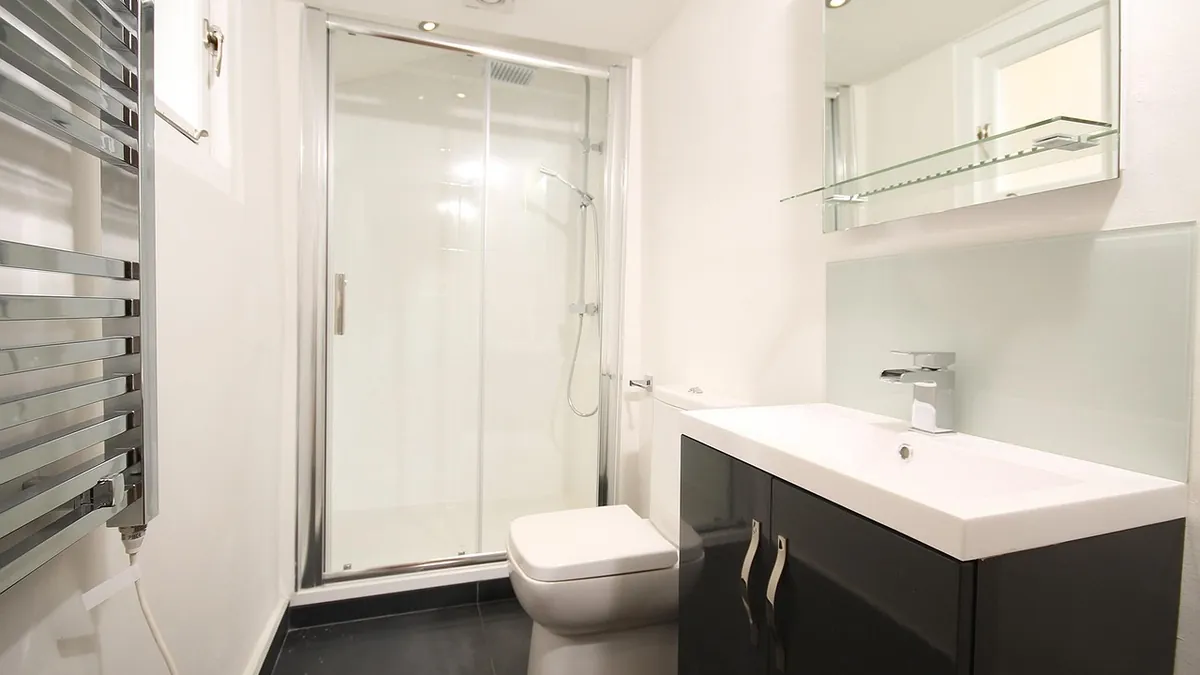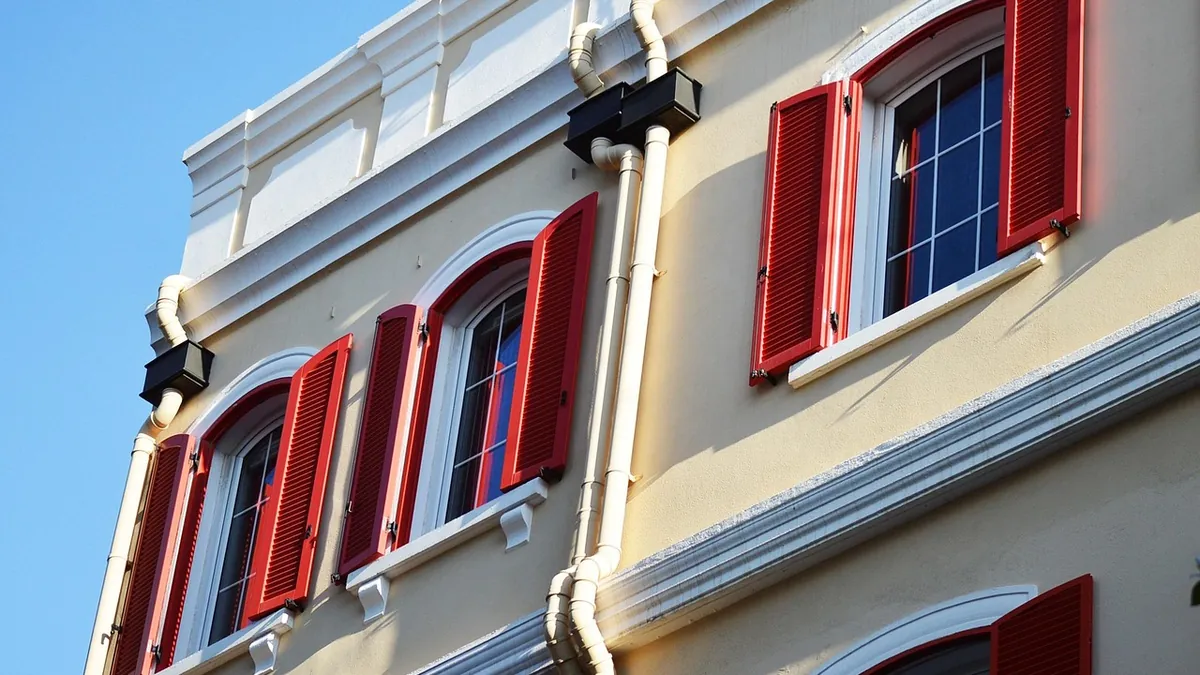
While water is essential for life, it can also be a homeowner’s worst enemy. Uncontrolled moisture intrusion, from the roofline to the foundation, causes structural damage, mold growth, poor indoor air quality, and expensive repairs. This guide covers the critical aspects of home waterproofing, detailing how to protect your property’s most vulnerable areas. We’ll explore roofs, gutters, basements, balconies, and bathrooms, offering insights into both preventative measures and remediation strategies to help you maintain a dry, healthy, and resilient home.
Key Differences Between Home Waterproofing and Home Leak Prevention
While often used interchangeably, “home waterproofing” and “home leak prevention” represent distinct, though related, approaches to managing moisture in a structure.
Home waterproofing typically refers to the application of materials or systems designed to stop water from entering a building envelope. This often involves creating a barrier that is impervious to water. Think of it as building a watertight shell around or within specific areas of your home. It’s a proactive, often intensive, measure taken to ensure water cannot penetrate. Examples include installing a rubber membrane on a flat roof, applying a sealant to a basement wall’s exterior, or using a waterproofing compound under bathroom tiles. The goal is complete resistance to water passage.
Home leak prevention, on the other hand, encompasses a broader range of strategies aimed at managing water and minimizing the chances of leaks occurring. This can involve design considerations, routine maintenance, and addressing potential vulnerabilities before they escalate into full-blown waterproofing challenges. It’s about diverting water away, ensuring proper drainage, and maintaining the integrity of existing systems. For instance, regularly cleaning gutters to prevent overflow, ensuring proper grading around the foundation, sealing cracks in driveways that might direct water toward the house, or maintaining caulk lines around windows are all forms of leak prevention. The focus here is on proactive care and smart design to reduce the likelihood of water finding a way in.
The practical implications of this distinction are significant. Waterproofing projects are often more complex, require specialized materials, and can be more expensive due to their intrusive nature. They are typically undertaken during construction, major renovations, or as a direct response to a persistent water intrusion problem. Leak prevention, conversely, is an ongoing process, often involving less invasive tasks that homeowners can perform themselves.
Consider a basement: applying an exterior waterproofing membrane to the foundation walls during construction is a waterproofing effort. Regularly inspecting the basement for hairline cracks, ensuring downspouts extend several feet from the foundation, and maintaining a sump pump are leak prevention activities. One creates an impenetrable barrier; the other manages the environment to reduce the need for that barrier to perform under extreme stress.
Shared Benefits and Overlaps
Despite their differences, home waterproofing and home leak prevention share fundamental goals and often work in concert to protect a property. Both strategies aim to:
- Protect Structural Integrity: Water infiltration can compromise building materials, leading to rot in wood, rust in steel, and deterioration of concrete and masonry. Both waterproofing and leak prevention mitigate these risks, preserving the long-term stability of the home.
- Prevent Mold and Mildew Growth: Damp environments are ideal breeding grounds for mold and mildew. These not only cause unpleasant odors and degrade surfaces but can also pose health risks. By keeping water out, both approaches contribute to a healthier indoor environment.
- Preserve Indoor Air Quality: Mold spores and dampness can significantly reduce indoor air quality. Effective moisture management, whether through a robust waterproofing system or diligent leak prevention, helps maintain fresh, clean air inside the home.
- Maintain Property Value: A home with a history of water damage or ongoing moisture issues will likely see a decrease in its market value. Proactive waterproofing and consistent leak prevention demonstrate good stewardship and protect this investment.
- Reduce Repair Costs: Addressing water damage after it occurs is almost always more expensive than preventing it. The cost of replacing damaged drywall, flooring, or structural elements, plus potential mold remediation, far outweighs the expense of preventative measures or initial waterproofing installations.
- Ensure Comfort and Usability: A dry basement can be a usable living space; a dry attic protects stored belongings. Water intrusion can render parts of a home unusable or uncomfortable. Both strategies contribute to maximizing the functional space within a residence.
The overlap is most evident in areas where a system failure in leak prevention leads directly to a waterproofing challenge. For example, if gutters (a leak prevention component) are consistently clogged and overflow, they can direct water directly against a foundation wall. Over time, this sustained exposure can overwhelm even a well-built foundation, potentially leading to water penetration that then requires a waterproofing solution. Similarly, a properly installed roof (a waterproofing element) requires regular inspection and maintenance (leak prevention) to ensure its longevity and continued performance. One without the other often proves insufficient in the long run.
When Home Waterproofing May Be a Better Fit
Home waterproofing, with its emphasis on creating impervious barriers, is often the more appropriate and effective solution in specific scenarios where the risk of water intrusion is high, or where existing leak prevention measures have proven insufficient.
- New Construction or Major Renovations: This is the ideal time for comprehensive waterproofing. Installing exterior foundation membranes, proper drainage systems, and robust roof underlayments during construction is far more effective and cost-efficient than trying to address issues later. For bathrooms and kitchens, integrating waterproofing membranes beneath tile in these wet areas is a standard practice.
- Persistent Basement or Crawl Space Leaks: If you’re experiencing recurring water intrusion in your basement or crawl space despite efforts to improve exterior grading and manage surface water (leak prevention), a more aggressive waterproofing approach is likely necessary. This could involve exterior excavation to apply a membrane, interior drainage systems, or specialized sealants.
- Flat or Low-Slope Roofs: These roof types are inherently more prone to standing water, making robust waterproofing critical. Materials like EPDM rubber membranes, TPO, or modified bitumen are designed to create a continuous, watertight surface that actively repels water, rather than just shedding it.
- Below-Grade Structures (e.g., Retaining Walls, Underground Garages): Any part of a structure that is constantly in contact with soil and potential groundwater requires comprehensive waterproofing to prevent hydrostatic pressure from forcing water through concrete or masonry.
- Balconies and Decks Over Living Spaces: For elevated structures that have living space directly beneath them, waterproofing is non-negotiable. A dedicated waterproof membrane or system is essential to prevent water from seeping through the deck surface and into the home below. This goes beyond simply sealing the top surface; it involves creating a complete barrier.
- High-Moisture Interior Areas (e.g., Shower Enclosures, Steam Rooms): In areas with constant direct water exposure, simple water-resistant materials are not enough. A dedicated waterproofing system, such as a liquid-applied membrane or sheet membrane behind tiles, creates a robust barrier to protect the wall and floor structure from saturation.
In these contexts, relying solely on leak prevention measures would be insufficient. The inherent design or environmental conditions demand a system that actively blocks water rather than just diverting it or reducing its likelihood of entry. Waterproofing provides a higher level of assurance against water ingress in challenging situations.
When Home Leak Prevention May Be a Better Fit
Home leak prevention strategies are often the primary, and most cost-effective, line of defense against moisture damage in many common situations. They focus on managing water flow and maintaining existing systems to prevent leaks from developing in the first place.
- Routine Maintenance and Upkeep: For most homeowners, the ongoing care of their property falls squarely into leak prevention. This includes tasks like regularly cleaning gutters and downspouts, inspecting and repairing roof shingles, checking and replacing caulk around windows and doors, and ensuring exterior paint is in good condition. These activities prevent small issues from escalating into major water intrusion problems.
- Addressing Surface Water Management: Proper grading around a home to ensure water flows away from the foundation is a fundamental leak prevention measure. Similarly, extending downspouts away from the house, installing French drains in areas prone to pooling, or maintaining permeable surfaces to absorb rainwater are all about managing surface water before it can pose a threat.
- Protecting Against Condensation: While not a direct leak, condensation can cause significant moisture damage. Proper attic ventilation, adequate insulation, and using bathroom exhaust fans are all leak prevention strategies aimed at controlling interior humidity and preventing condensation from forming on cold surfaces.
- Minor Cracks and Penetrations: For small, non-structural cracks in exterior walls, driveways, or around utility penetrations, sealing with appropriate caulk or sealant is a leak prevention measure. This addresses potential entry points before they become significant pathways for water.
- Protecting Against Wind-Driven Rain: While a good roof is a waterproofing element, ensuring adequate flashing around chimneys, vents, and skylights, and maintaining siding integrity, are crucial leak prevention steps to prevent wind-driven rain from exploiting weaknesses in the building envelope.
- Seasonal Preparations: Winterizing outdoor faucets, ensuring hoses are disconnected, and checking for drafts around windows are all seasonal leak prevention tasks that protect plumbing and the building envelope from cold-related damage.
In essence, leak prevention is about vigilance, maintenance, and smart landscaping. It’s about recognizing that every component of your home’s exterior and plumbing system plays a role in keeping water out. When these preventative measures are consistently applied, they significantly reduce the need for more extensive and costly waterproofing interventions.
How to Choose Based on Goals and Context
Deciding between a primary focus on home waterproofing or home leak prevention, or more often, the appropriate balance between the two, depends heavily on your specific goals, the age and condition of your home, and the particular areas of concern.
Consider Your Goals:
- Proactive Protection & Long-Term Investment: If your goal is to ensure the absolute longest lifespan for your home and proactively guard against all potential water issues, a comprehensive approach integrating both is best. During new construction, this means investing in robust waterproofing systems from the start. For an existing home, it means performing regular leak prevention while addressing any known vulnerabilities with targeted waterproofing.
- Addressing Existing Problems: If you are already experiencing water intrusion, your immediate goal is remediation. This will almost certainly require a waterproofing solution for the affected area. Once the leak is stopped, then implementing strong leak prevention measures is crucial to prevent recurrence.
- Budget & DIY Capability: Leak prevention often involves less expensive materials and tasks that many homeowners can DIY (e.g., cleaning gutters, re-caulking). Waterproofing, especially for foundations or roofs, typically requires specialized skills, equipment, and higher material costs, often necessitating professional help.
- Home Resale Value: Investing in both can enhance your home’s value. A dry basement and a well-maintained exterior are significant selling points. Transparently addressing past water issues with a robust waterproofing solution can also reassure potential buyers.
Consider the Context (Area of the Home):
The best approach often varies by location within the home.
| Home Area | Primary Focus (Often) | Secondary Focus (Still Important) | Considerations |
|---|---|---|---|
| Roofs | Waterproofing (shingles, membranes) | Leak Prevention (flashing, ventilation, debris removal) | Roof material dictates waterproofing type. Maintenance prevents premature failure of waterproofing. |
| Gutters | Leak Prevention (cleaning, proper slope) | Waterproofing (sealants on seams, downspout extensions) | Gutters are primarily for water diversion; their failure leads to other areas needing waterproofing. |
| Basements | Waterproofing (exterior membranes, interior drains) | Leak Prevention (grading, downspout extensions, crack sealing) | If already wet, waterproofing is key. Prevention minimizes hydrostatic pressure on existing waterproofing. |
| Balconies | Waterproofing (membrane under surface) | Leak Prevention (sealants, proper drainage slope) | Crucial if living space is below. Prevention ensures water doesn’t pool and challenge the membrane. |
| Bathrooms | Waterproofing (shower membranes, subfloor prep) | Leak Prevention (caulking, grout maintenance, fan use) | High-moisture areas require robust barriers. Maintenance of surface materials protects the waterproofing layer. |
| Windows/Doors | Leak Prevention (caulking, flashing, weatherstripping) | Waterproofing (integrated flashing during installation) | Proper installation and ongoing sealing are paramount. Modern windows have integrated water barriers. |
| Exterior Walls | Leak Prevention (siding maintenance, paint, crack repair) | Waterproofing (specialized coatings for masonry, foundation parging) | Siding and paint shed water. For highly porous materials or persistent issues, a waterproofing coating may be needed. |
Ultimately, a truly resilient home incorporates elements of both. Think of it as a layered defense: leak prevention forms the outer layer, managing the bulk of the water and directing it away. Waterproofing acts as the inner, impenetrable barrier, providing critical protection where water intrusion is most likely or most damaging. Regular inspection and maintenance (leak prevention) are vital to ensure that your waterproofing systems remain effective over time.
Frequently Asked Questions
What is home waterproofing?
Home waterproofing refers to the process of applying materials or systems to a structure to prevent water from penetrating its surfaces and entering the interior. This creates a barrier that is impervious to water. Common applications include sealing foundations, roofs, balconies, and wet interior areas like showers, to protect against moisture damage, mold growth, and structural degradation.
How does home waterproofing compare with alternatives?
The primary “alternative” to comprehensive home waterproofing is often a reliance on basic building practices and ongoing leak prevention. While leak prevention (like gutter cleaning, proper grading, and regular sealing) is crucial for managing water, it doesn’t create the same kind of absolute barrier that true waterproofing does. Waterproofing is generally a more intensive, often more expensive, and typically more permanent solution designed for high-risk areas or where existing leak prevention has failed. It handles scenarios where water pressure or prolonged exposure would overwhelm simple preventative measures.
What are the most common mistakes people make with home waterproofing?
Many mistakes can undermine waterproofing efforts:
- Ignoring the Source: Focusing on interior symptoms (e.g., painting over a damp patch) without addressing the exterior source of water intrusion.
- Insufficient Preparation: Failing to properly clean, dry, and repair surfaces before applying waterproofing materials. Adhesion and effectiveness depend heavily on a well-prepared substrate.
- Using the Wrong Materials: Applying products not designed for the specific type of water exposure, substrate, or climate (e.g., using interior paint on an exterior foundation crack).
- Incomplete Coverage: Missing crucial areas, especially around penetrations (pipes, vents, windows) or corners, which become weak points for water entry.
- Lack of Drainage: Waterproofing barriers need to be paired with effective drainage systems (e.g., weeping tiles, French drains) to relieve hydrostatic pressure. Without proper drainage, water can still find ways to compromise the barrier.
- DIY Overconfidence: Attempting complex waterproofing projects (like foundation excavation or roof membranes) without the necessary skills, tools, or understanding of building science, leading to costly failures.
- Neglecting Maintenance: Even robust waterproofing systems require occasional inspection and maintenance to ensure their longevity and continued performance.
Conclusion
Protecting your home from water damage is a continuous process that blends robust waterproofing solutions with diligent leak prevention strategies. From the critical barrier provided by a well-installed roof and a properly waterproofed basement to the everyday maintenance of clean gutters and sealed windows, each element plays a vital role. Understanding where and when to apply specific waterproofing techniques versus ongoing leak prevention measures is key to a dry, healthy, and resilient home. Proactive attention to these areas not only safeguards your investment but also ensures a comfortable living environment for years to come.
DIY safety disclaimer
Home Leak Fix publishes general DIY information for homeowners. Water intrusion can involve structural, electrical, height, mould, or insurance risks. Use proper safety equipment, follow local building rules, and call a qualified professional when a repair is unsafe, unclear, or beyond your experience.