Cracks in a concrete balcony often prompt immediate concern. Are they merely superficial blemishes, or do they signal a deeper problem that could lead to leaks and structural issues? Understanding the nature of these cracks is the first step toward effective concrete balcony crack repair. This article explores the distinctions between simple crack repair and comprehensive balcony crack waterproofing, helping you determine the appropriate course of action for your balcony’s specific needs.
Key Differences Between Concrete Balcony Crack Repair and Balcony Crack Waterproofing
When faced with a cracked concrete balcony, two primary approaches emerge: general concrete balcony crack repair and dedicated balcony crack waterproofing. While both address cracks, their scope, materials, and ultimate objectives differ significantly.
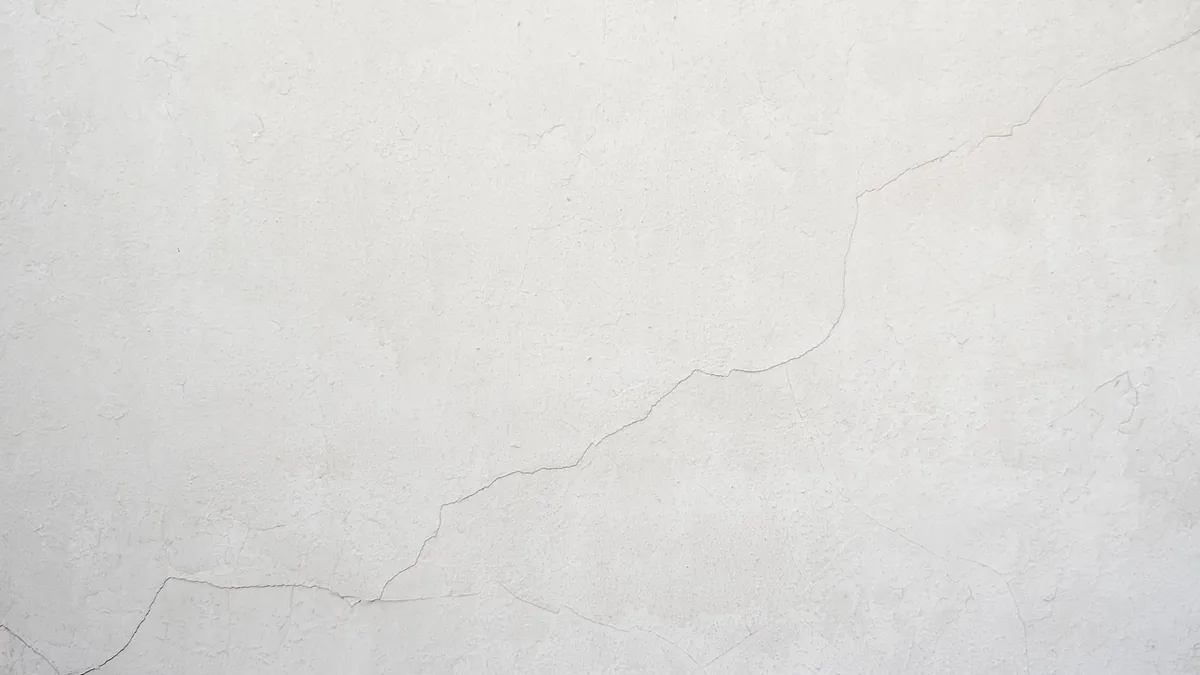
Concrete Balcony Crack Repair typically focuses on the immediate crack itself. The goal is to fill the void, restore the surface’s integrity, and often improve its appearance. This usually involves cleaning the crack, applying a suitable concrete crack sealant, and sometimes grinding or patching the surrounding area to blend the repair. These sealants are designed to bond with the concrete, preventing further ingress of dirt and moisture into that specific crack. For instance, if you have a hairline crack that appears only after extreme temperature fluctuations and doesn’t show signs of water penetration indoors, a simple crack repair might be sufficient. The primary concern here is often cosmetic, or to prevent the crack from widening due to freeze-thaw cycles.
Balcony crack waterproofing, on the other hand, takes a more comprehensive approach. Rather than just filling individual cracks, it focuses on creating an impervious barrier across the entire balcony surface, or a significant section of it, to prevent water penetration. This often goes beyond just applying concrete crack sealant. It might involve applying a liquid waterproof coating over the prepared surface, installing a waterproof membrane, or using a combination of techniques that address both existing cracks and potential future points of water entry. For instance, if water consistently pools on a balcony or dampness is visible on the underside of the slab, simply filling visible cracks might not resolve the underlying moisture issue. A thorough waterproofing solution would aim to effectively divert water and prevent it from reaching the concrete substrate at all.
The practical implication of these differences lies in their effectiveness against water. A basic concrete crack sealant might resist water ingress into that specific crack, but it doesn’t necessarily waterproof the entire surface. If the concrete itself is porous or has other micro-fissures, water can still find its way through. A full waterproofing system, conversely, is designed with the explicit purpose of stopping all water penetration across the treated area, offering a more robust defense against leaks. The trade-off is often cost and complexity; waterproofing is typically a more involved and expensive process than simple crack filling. Edge cases might include a balcony with a single, isolated crack that runs through an expansion joint – a situation where a specialized flexible sealant might be used as part of a targeted repair, but if the joint itself is failing across its length, a broader waterproofing strategy for the joint would be needed.
Shared Benefits and Overlaps
Despite their distinct primary goals, concrete balcony crack repair and balcony crack waterproofing share several common benefits and areas of overlap. Both approaches, when correctly implemented, aim to extend the lifespan of the balcony and protect the underlying structure.
One significant shared benefit is the prevention of further deterioration. Any open crack in concrete acts as an entry point for water, dirt, and de-icing salts. This ingress can lead to a host of problems, including:
- Freeze-thaw damage: Water expands when it freezes. If water penetrates a crack and then freezes, it exerts pressure, widening the crack and causing spalling (flaking or breaking away of concrete). Both crack repair and waterproofing aim to seal these entry points, mitigating this destructive cycle.
- Corrosion of rebar: Concrete balconies are reinforced with steel rebar. When water, especially water containing chlorides from de-icing salts, reaches this rebar, it can cause corrosion. Corroding rebar expands, leading to further cracking, spalling, and even structural compromise. By sealing cracks, both methods reduce the likelihood of water reaching the rebar.
- Aesthetic improvement: Even purely cosmetic cracks can detract from a balcony’s appearance. Filling these cracks improves the visual appeal of the concrete surface, which is a common goal for both basic repairs and comprehensive waterproofing projects.
There are also overlaps in the preparatory steps. Regardless of whether you’re performing a simple repair or a full waterproofing job, proper surface preparation is crucial. This typically involves:
- Cleaning the crack: Removing loose debris, dirt, and efflorescence (white, powdery deposits) from within and around the crack.
- Widening or routing the crack: Sometimes, cracks are routed into a “V” or “U” shape to provide a better reservoir for the sealant and improve adhesion.
- Priming: Applying a primer to enhance the bond between the concrete and the repair material or waterproofing membrane.
Consider a scenario where a balcony has multiple hairline cracks but no immediate signs of leakage. A decision might be made to perform targeted concrete balcony crack repair using a high-quality concrete crack sealant. While the primary goal might be aesthetic and preventative, the act of sealing these cracks inherently contributes to the overall waterproofing integrity of the balcony by reducing the pathways for water. Conversely, a comprehensive balcony crack waterproofing project will, by its very nature, involve sealing all existing cracks as part of the surface preparation before applying a wider protective coating. The distinction blurs when a high-performance sealant is used as part of a targeted repair that also aims to prevent water penetration.
The key takeaway is that while waterproofing is a broader concept that includes crack repair as a component, even standalone crack repair contributes to the balcony’s resistance to water and its longevity.
When Concrete Balcony Crack Repair May Be a Better Fit
Choosing concrete balcony crack repair over full waterproofing is often appropriate when the cracks are primarily cosmetic or indicative of minor, non-structural issues, and when there’s no evidence of widespread water penetration.
Here are specific scenarios where targeted crack repair is likely the more suitable and cost-effective approach:
- Hairline Cracks (Non-Active): These are very fine cracks, typically less than 1/16 inch wide, that don’t appear to be growing or moving. They often result from concrete shrinkage during curing or minor thermal expansion/contraction. If these cracks are isolated and don’t show signs of water seeping through to the underside of the balcony or into the adjacent structure, a simple application of a flexible concrete crack sealant can effectively address them. The goal here is mainly aesthetic improvement and preventing dirt or water from settling into the crack and causing future problems.
- Surface-Level Cracks: Cracks that are clearly superficial and do not penetrate the full depth of the concrete slab. These might be caused by inadequate finishing techniques, rapid drying, or minor impact. If the crack does not compromise the structural integrity and there’s no associated dampness or staining below, a localized repair is often sufficient. For example, if a heavy planter was dragged across the surface, leaving a shallow scratch-like crack, a targeted repair would be appropriate.
- Cosmetic Imperfections: When the primary concern is the appearance of the balcony. Even if a crack is benign, its presence can be an eyesore. A careful, color-matched concrete crack sealant can significantly improve the look of the balcony without the expense and labor of a full waterproofing system.
- Budgetary Constraints for Minor Issues: For homeowners or property managers facing limited budgets, and where the assessment clearly indicates no immediate leak risk or structural concern, a focused crack repair offers a pragmatic solution. It addresses the visible problem and provides a degree of protection without the higher investment required for comprehensive waterproofing.
- Temporary Solution or Pre-Sale Prep: Sometimes, a repair might be intended as a temporary measure before a larger renovation, or to improve the property’s appearance for sale. In these cases, a targeted repair can achieve the immediate goal without over-investing in a full system.
- Cracks in Non-Exposed Areas: If cracks appear in areas that are naturally sheltered from direct rainfall or where water runoff is minimal, the risk of leakage is inherently lower. For instance, a crack under a deep overhang might be less critical to waterproof fully than one on an exposed edge.
In these situations, the focus is on sealing the specific crack with an appropriate concrete crack sealant, ensuring it bonds well and withstands minor environmental stresses. The key differentiator is the absence of evidence suggesting widespread moisture issues or structural compromise. A thorough inspection, potentially involving moisture meters or even a simple water test, is crucial before deciding that a simple repair is sufficient.
When Balcony Crack Waterproofing May Be a Better Fit
Balcony crack waterproofing becomes the more appropriate and often necessary solution when cracks are indicative of potential or existing water penetration issues, or when the overall integrity of the balcony’s protection against moisture is compromised.
Consider these situations where comprehensive waterproofing is likely the better choice:
- Evidence of Leakage: This is the most compelling reason. If there are visible water stains, efflorescence, or dampness on the underside of the balcony slab, on walls below, or inside the building adjacent to the balcony, it means water is already penetrating. Merely filling a visible crack might not address the full extent of the water pathway. A comprehensive waterproof coating or membrane system is needed to create an impermeable barrier. For example, if after a rain shower, a drip enters the living space below the balcony, isolated crack repair is insufficient.
- Structural Balcony Cracks: While definitive structural judgment requires a professional engineer, certain crack characteristics can suggest structural involvement. These include wide cracks (e.g., >1/4 inch), cracks that extend through the entire slab thickness, cracks that show differential movement (one side higher than the other), or cracks that run in patterns indicative of stress (e.g., diagonal cracks at corners, or cracks running parallel to support beams). If there’s a possibility of a structural balcony crack, waterproofing is essential not only to prevent water ingress but also to protect the reinforcing steel within the concrete from corrosion, which would further compromise the structure. In such cases, the repair might involve crack injection with epoxy or polyurethane, followed by a surface waterproof coating.
- Widespread Cracking or Deterioration: If the balcony surface exhibits numerous cracks, crazing (fine, interconnected random cracks), spalling, or general concrete deterioration over a large area, a piecemeal approach to crack repair is inefficient and unlikely to be effective long-term. A full waterproof coating provides a continuous, protective layer that addresses all existing imperfections and prevents new ones from forming due to water ingress.
- Balcony Design for Water Management: Balconies that are designed with slopes to drain water, but where standing water still occurs due to surface irregularities or blockages, often benefit from a waterproofing system. This can include a liquid-applied membrane that helps to smooth the surface and ensure proper drainage, in addition to sealing cracks.
- Exposure to Severe Weather: Balconies in climates with heavy rainfall, frequent freeze-thaw cycles, or coastal environments (where salt spray can accelerate corrosion) require a more robust defense against water. A comprehensive waterproof coating provides this enhanced protection, safeguarding the concrete and rebar from aggressive environmental factors.
- High-Risk Applications: For balconies over habitable spaces, or those critical to the building’s envelope, the risk tolerance for leaks is very low. In these situations, the investment in a full balcony crack waterproofing system is justified to ensure maximum protection and peace of mind.
- When a New Surface is Desired: If the balcony surface is heavily stained, pitted, or generally unsightly in addition to having cracks, a waterproof coating can provide a fresh, uniform, and aesthetically pleasing finish while also addressing the underlying moisture concerns.
In these scenarios, the objective extends beyond merely patching a crack; it’s about establishing a reliable, long-term barrier against water across the entire vulnerable area. This often involves specialized materials and application techniques to ensure a seamless and durable waterproof layer.
How to Choose Based on Goals and Context
The decision between concrete balcony crack repair and full balcony crack waterproofing hinges on a careful assessment of your goals, the nature of the cracks, and the specific context of your balcony. It’s not always an either/or choice, but rather a spectrum of solutions.
Here’s a framework to guide your decision-making:
Assess the Nature of the Cracks:
- Hairline/Superficial: Are the cracks fine, shallow, and not extending through the slab?
- Active/Moving: Do the cracks widen or narrow significantly with temperature changes, or show signs of differential movement?
- Deep/Through-Slab: Can you see light through the crack, or does it appear to penetrate the entire concrete thickness?
- Pattern: Are they isolated, or part of a larger pattern (e.g., spiderwebbing, long linear cracks)?
Evaluate for Water Penetration:
- Evidence of Leaks: Are there water stains, dampness, or drips on the underside of the balcony, below it, or on adjacent interior walls?
- Standing Water: Does water consistently pool on the balcony surface after rain, even if it eventually drains?
- Efflorescence: Are there white, powdery mineral deposits, which indicate water has moved through the concrete and evaporated?
Consider the Balcony’s Location and Exposure:
- Over Habitable Space: Is the balcony directly above a living room, bedroom, or other finished interior space? The risk of water damage here is high.
- Exposure to Elements: How exposed is the balcony to rain, snow, freeze-thaw cycles, and direct sunlight?
- Drainage: Is the balcony designed with proper slope for drainage, and is that drainage currently effective?
Determine Your Goals:
- Cosmetic Improvement Only: Is your primary concern the appearance of the balcony?
- Preventative Maintenance: Do you want to prevent minor cracks from worsening and potentially leading to future leaks?
- Stop Existing Leaks: Is the main objective to halt active water penetration and protect the building below?
- Long-Term Protection: Are you looking for a durable solution that extends the lifespan of the balcony and minimizes future maintenance?
- Budget: What is your realistic budget for the repair?
Decision Matrix: Crack Repair vs. Waterproofing
| Feature/Condition | Concrete Balcony Crack Repair (Targeted) | Balcony Crack Waterproofing (Comprehensive) |
|---|---|---|
| Crack Type | Hairline, superficial, non-moving, isolated | Widespread, deep, active, structural (after engineer’s assessment) |
| Evidence of Leaks | None | Present (stains, drips, dampness below) |
| Balcony Location | Not over habitable space, or minimal exposure | Over habitable space, critical to building envelope, high exposure |
| Primary Goal | Aesthetic improvement, minor preventative maintenance | Stop leaks, long-term protection, structural integrity, full moisture barrier |
| Typical Cost | Lower (material and labor for specific cracks) | Higher (materials for entire surface, more intensive labor) |
| Longevity (of solution) | Ad hoc, depends on crack stability; may need re-application for new cracks | Designed for extended protection across the entire treated area |
| Required Expertise | DIY possible for very minor cracks; professional for more consistent results | Generally requires professional application for effective, lasting results |
Practical Considerations:
- Professional Assessment: For any crack beyond a simple hairline, it’s advisable to consult with a structural engineer or a reputable concrete repair specialist. They can accurately diagnose the crack type and recommend the most effective solution. What appears cosmetic might have deeper implications, and what looks severe might be easily remedied.
- Material Compatibility: Ensure any concrete crack sealant or waterproof coating chosen is compatible with your existing concrete and suitable for outdoor exposure and temperature fluctuations.
- Surface Preparation: Regardless of the chosen method, thorough cleaning and preparation of the concrete surface are paramount for the longevity and effectiveness of the repair or waterproofing system.
By systematically evaluating these factors, you can make an informed decision that aligns with the severity of the problem, your budget, and your long-term goals for the balcony.
Frequently Asked Questions
What is concrete balcony crack repair?
Concrete balcony crack repair refers to the process of addressing cracks in a concrete balcony surface. This typically involves cleaning the crack, and then filling it with a suitable concrete crack sealant, patch, or injection material. The primary aims are to improve the balcony’s appearance, prevent the crack from worsening, and stop water, dirt, and debris from entering the crack. It’s often a localized treatment focused on individual cracks.
How does concrete balcony crack repair compare with alternatives?
Concrete balcony crack repair is often a more targeted and less extensive solution compared to alternatives like full balcony crack waterproofing or complete balcony resurfacing.
- Compared to Balcony Crack Waterproofing: Crack repair focuses on sealing individual cracks, often with a sealant, to prevent water ingress at that specific point. Waterproofing, on the other hand, involves creating a continuous, impervious barrier over a larger area, or the entire balcony surface, using liquid-applied membranes or sheet systems, to prevent any water from penetrating the concrete, even through micro-fissures or porous concrete. Waterproofing is a broader, more comprehensive approach to moisture protection.
- Compared to Balating Resurfacing: Resurfacing involves applying a new layer of concrete or a polymer-modified overlay to the entire balcony surface. While resurfacing can hide and sometimes bridge existing cracks, its primary purpose is to restore the surface profile, improve aesthetics, and provide a new wear layer. It may or may not include integral waterproofing properties, whereas dedicated crack repair and waterproofing specifically target water ingress.
What are the most common mistakes people make with concrete balcony crack repair?
Several common mistakes can reduce the effectiveness and longevity of concrete balcony crack repair:
- Improper Crack Diagnosis: Assuming all cracks are cosmetic. Failing to identify if a crack is structural, active, or a sign of deeper water penetration can lead to ineffective repairs. A professional assessment is often crucial.
- Inadequate Surface Preparation: Not thoroughly cleaning the crack of dirt, loose debris, and efflorescence. Any contaminants will prevent the sealant or patch material from bonding properly, leading to premature failure.
- Using the Wrong Material: Applying a rigid, non-flexible concrete crack sealant to an active or moving crack. Such sealants will crack again as the concrete expands and contracts. Conversely, using an overly flexible sealant on a non-moving crack might be overkill or less durable than needed.
- Ignoring the Root Cause: Repairing a crack without addressing the underlying issue, such as poor drainage, excessive load, or structural movement. If the cause isn’t fixed, the crack will likely reappear.
- Insufficient Depth or Width of Repair: Not routing or widening the crack enough to allow for sufficient sealant material to create a strong, durable bond. Hairline cracks often need to be widened slightly to properly accept sealant.
- Rushing the Process: Not allowing sufficient cure time for primers, sealants, or patches. This can compromise the strength and waterproofing capabilities of the repair.
Conclusion
Addressing cracks in a concrete balcony requires a thoughtful approach, distinguishing between a superficial blemish and a potential leak risk. Concrete balcony crack repair, typically involving a concrete crack sealant, is a suitable solution for isolated, non-active cosmetic cracks, aiming to improve aesthetics and prevent minor deterioration. However, when faced with evidence of leaks, widespread cracking, or concerns about structural integrity, a comprehensive balcony crack waterproofing system, often incorporating a waterproof coating or membrane, becomes essential. The choice hinges on careful assessment of crack type, evidence of water penetration, the balcony’s exposure, and your long-term goals. For any significant cracking or suspected leaks, consulting with a professional concrete or structural expert provides the most reliable path to a durable and effective solution.
DIY safety disclaimer
Home Leak Fix publishes general DIY information for homeowners. Water intrusion can involve structural, electrical, height, mould, or insurance risks. Use proper safety equipment, follow local building rules, and call a qualified professional when a repair is unsafe, unclear, or beyond your experience.