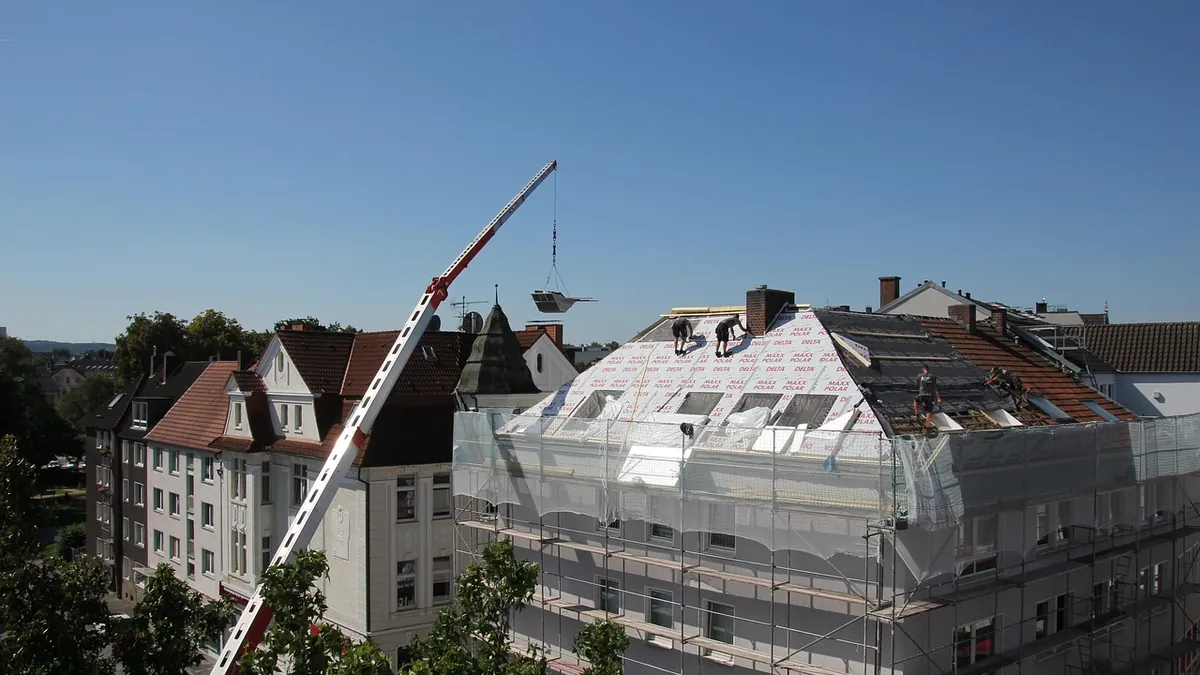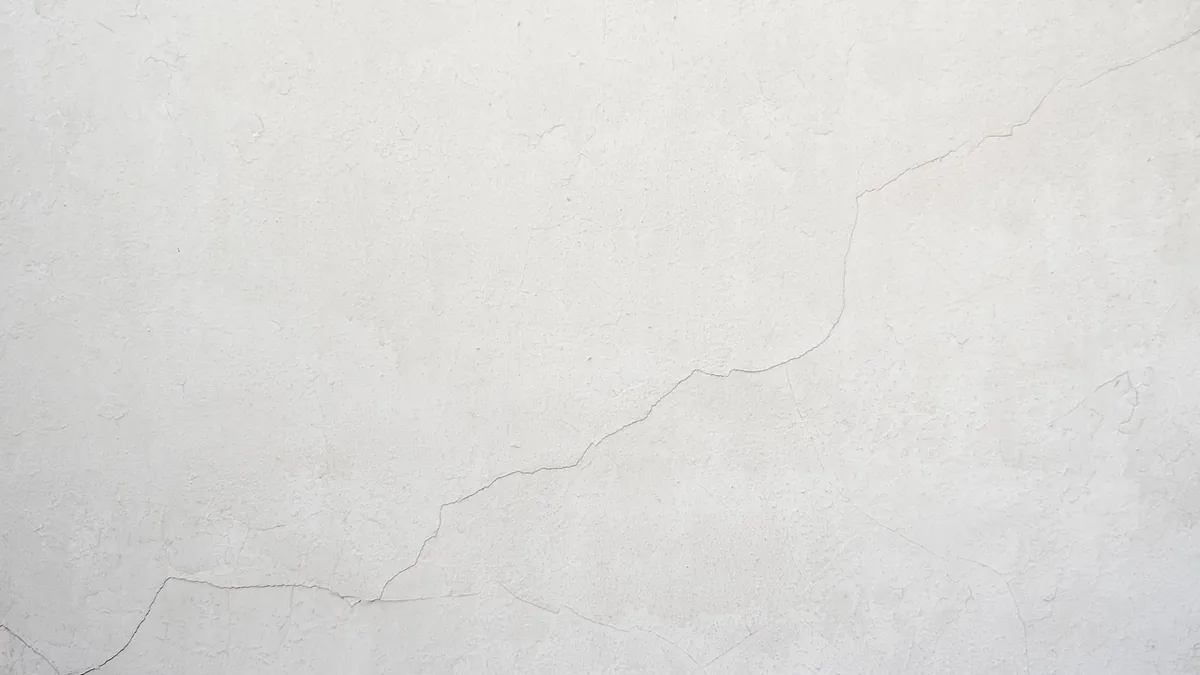
Concrete flat roofs, while durable, are not inherently waterproof. Left exposed, they are susceptible to water ingress, which can lead to structural damage, mold growth, and compromised insulation. Effective waterproofing for these roofs involves a combination of protective coatings, meticulous crack repair, and well-designed drainage systems. Understanding these components is crucial for maintaining the longevity and integrity of a concrete flat roof. This article explains the nuances of concrete flat roof waterproofing, distinguishing between general waterproofing strategies and specific coating applications, and discuss how to approach common issues like cracks and drainage.
Key Differences Between Concrete Flat Roof Waterproofing and Concrete Roof Coating
While often used interchangeably, “concrete flat roof waterproofing” and “concrete roof coating” refer to distinct, though related, concepts. Understanding their differences is key to making informed decisions about roof maintenance and protection.
Concrete flat roof waterproofing is a comprehensive approach aimed at preventing any water penetration into the roof structure. It encompasses a range of methods and materials designed to create a complete barrier against moisture. This can include:
- Membrane Systems: Layers of materials like modified bitumen, EPDM (ethylene propylene diene monomer), or PVC (polyvinyl chloride) that are installed over the concrete slab. These are often adhered or mechanically fastened, creating a continuous, impervious surface.
- Built-Up Roofing (BUR): Multiple layers of felt or fabric alternated with asphalt or tar, topped with a cap sheet or gravel. This traditional method relies on the redundancy of layers for waterproofing.
- Liquid-Applied Systems: Elastomeric or polymer-modified coatings applied in multiple layers to form a seamless, flexible membrane. These systems bond directly to the concrete.
- Integrated Drainage: Ensuring that water effectively leaves the roof surface to prevent ponding, which can compromise even the best waterproofing membranes over time.
- Crack Repair: Addressing existing structural weaknesses in the concrete slab itself before applying any waterproofing layers.
In contrast, a concrete roof coating typically refers to a specific type of liquid-applied material used as part of a waterproofing system or as a standalone protective layer. These coatings are primarily designed to create a surface barrier against water and often offer additional benefits. Common types include:
- Acrylic Coatings: Water-based, reflective coatings that provide UV protection and some waterproofing. They are generally more economical but may have a shorter lifespan than other options.
- Silicone Coatings: Solvent-based coatings known for their excellent UV resistance, flexibility, and ability to withstand ponding water without degradation. They are often applied as a single coat.
- Urethane Coatings: Durable and impact-resistant, these coatings offer good waterproofing and can withstand heavy foot traffic. They are available in both aromatic (less UV stable) and aliphatic (UV stable) formulations.
- Elastomeric Coatings: A broad category of flexible coatings that can expand and contract with the roof, bridging minor cracks. Many acrylic, silicone, and urethane coatings fall under this umbrella.
The practical implication is that while all concrete roof coatings contribute to waterproofing, not all waterproofing methods are simply “coatings.” A robust waterproofing strategy often involves a coating as one component within a larger system, especially for roofs with existing issues or those in challenging climates. For instance, a flat concrete roof with significant structural cracks would first require crack repair, then possibly a primer, followed by a liquid-applied elastomeric coating as part of a comprehensive waterproofing solution. Simply applying a coating without addressing underlying issues might provide temporary relief but not long-term protection.
Shared Benefits and Overlaps
Despite their distinctions, concrete flat roof waterproofing and concrete roof coatings share several important benefits and often overlap in their application. Both aim to protect the underlying concrete structure from moisture, but their contributions extend beyond simple water resistance.
One primary shared benefit is enhanced durability and extended roof life. By preventing water from penetrating the concrete, both approaches mitigate the freeze-thaw cycle damage, rebar corrosion, and concrete spalling that can significantly shorten a roof’s lifespan. A well-waterproofed or coated roof resists the elements more effectively, reducing the need for premature replacement. For example, a concrete roof in a region with heavy rainfall and cold winters would benefit immensely from either a robust membrane waterproofing system or a high-quality elastomeric coating to prevent water from seeping into micro-cracks and freezing.
Another common advantage is improved energy efficiency. Many modern roof coatings, particularly acrylic and silicone types, are highly reflective. This reflectivity deflects solar radiation, reducing heat absorption into the building. Even traditional waterproofing membranes, when topped with a reflective cap sheet or gravel, can contribute to this “cool roof” effect. This translates to lower cooling costs in warmer months. Consider a commercial building with a concrete flat roof in a sunny climate; applying a white reflective coating can significantly reduce the internal temperature, leading to substantial energy savings compared to an uncoated, dark concrete surface.
Both methods also contribute to structural integrity protection. Water ingress into concrete can lead to the corrosion of steel reinforcement (rebar), causing it to expand and crack the concrete further – a process known as spalling. By creating an impermeable barrier, waterproofing systems and coatings prevent this destructive process, preserving the structural soundness of the building. This is particularly critical for roofs that support heavy equipment or are designed for occasional foot traffic, where structural weakness could pose safety risks.
Furthermore, both waterproofing and coatings can offer resistance to environmental factors beyond just water. Many systems provide protection against UV radiation, chemical exposure (e.g., from industrial pollutants or cleaning agents), and biological growth like algae and moss. UV stabilizers in coatings prevent material degradation from sunlight, while the smooth, non-porous surface created by these applications makes it harder for organic matter to take root and thrive.
The overlap becomes most apparent when a coating is chosen as the primary waterproofing layer. A liquid-applied elastomeric coating, for instance, functions as both the “coating” material and the “waterproofing” system. In such cases, the coating is not just a protective layer but the fundamental barrier against water. This integration is common in roof restoration projects where an existing, but still sound, concrete roof is renewed with a seamless, liquid-applied membrane.
| Feature | Concrete Flat Roof Waterproofing (General) | Concrete Roof Coating (Specific Material) |
|---|---|---|
| Primary Goal | Comprehensive water barrier | Surface protection, often waterproofing |
| Scope | Systemic approach (membranes, BUR, liquid-applied, drainage, crack repair) | Specific material applied to surface |
| Components | Multiple layers, diverse materials, system design | Liquid-applied films (acrylic, silicone, urethane) |
| Typical Thickness | Often thicker, multi-layered | Generally thinner, 1-3 coats |
| Flexibility | Varies by system (some highly flexible) | Often highly flexible (elastomeric) |
| Application | Can be complex, installation-intensive | Relatively straightforward liquid application |
| Cost | Can be higher for full systems | Varies, can be cost-effective for renewal |
| UV Resistance | Varies, often good with top layers/coatings | Often excellent, especially silicone/acrylic |
| Ponding Water | Critical to manage with drainage | Some coatings tolerate ponding well (silicone) |
When Concrete Flat Roof Waterproofing May Be a Better Fit
A comprehensive concrete flat roof waterproofing strategy, encompassing more than just a surface coating, is often the more appropriate choice in several specific scenarios. These situations typically involve roofs with existing damage, complex designs, or those requiring the highest level of long-term protection.
Firstly, for new construction or major roof overhauls, a full waterproofing system is generally preferred. When building a new concrete flat roof, integrating a primary waterproofing membrane (like a torch-applied modified bitumen, a fully adhered EPDM, or a robust liquid-applied system with reinforcement) ensures a foundational, long-lasting barrier. This allows for proper detailing at penetrations, parapet walls, and drains from the outset, which is easier and more effective than trying to retrofit solutions later. For example, a new commercial building in a high-rainfall area would benefit from a multi-layer waterproofing system that is designed and installed as an integral part of the roof structure, rather than relying solely on a thin coating.
Secondly, when dealing with concrete roofs that have significant structural cracking or spalling, a comprehensive approach is essential. A simple roof coating, while flexible, may not be sufficient to bridge large, active cracks or cover areas where concrete has delaminated. In these cases, the waterproofing process must begin with thorough crack repair, potentially involving epoxy injections, patching, and fabric reinforcement, before any membrane or liquid-applied system is installed. An elastomeric coating might be part of the solution, but it wouldn’t be the entire solution. Imagine an older industrial building with a concrete roof exhibiting widespread hairline cracks and some larger fissures; merely painting over these with an acrylic coating would likely lead to continued leaks as the cracks expand and contract. A full waterproofing system, including substantive crack treatment, would be necessary.
Thirdly, in environments where severe weather conditions or extreme temperature fluctuations are common, a robust, multi-layered waterproofing system offers superior resilience. Areas prone to heavy snowfall, prolonged periods of standing water (if drainage is suboptimal), or intense freeze-thaw cycles demand a more durable and redundant barrier than a single-layer coating might provide. For instance, a concrete roof on a cold storage facility in a northern climate would require a waterproofing system designed to withstand constant thermal stress and potential ice formation, often involving robust membranes or thicker, reinforced liquid-applied systems.
Fourthly, for “zero-slope” or extremely low-slope roofs where positive drainage is difficult to achieve, a waterproofing system designed to tolerate prolonged water ponding is critical. While some silicone coatings perform well under ponding water, traditional membrane systems like EPDM or PVC are often specifically engineered for such conditions, providing a truly watertight bathtub effect. If a concrete flat roof has virtually no pitch, relying on a coating that might eventually degrade under constant submersion is risky. A membrane that is inherently resistant to water penetration and degradation, regardless of ponding, would be a safer choice.
Finally, for roofs with complex geometries, numerous penetrations, or high foot traffic expectations, a tailored waterproofing system provides greater reliability. Flashing details around vents, skylights, and HVAC units are often better integrated with membrane systems or specialized liquid-applied systems that can be reinforced at these vulnerable points. If the roof is intended as a plaza deck, a green roof, or has frequent maintenance access, a durable, often protected, waterproofing system is paramount to withstand mechanical stress and wear.
When Concrete Roof Coating May Be a Better Fit
While comprehensive waterproofing systems are vital for new construction or severely damaged roofs, concrete roof coatings often present a more suitable and cost-effective solution in other circumstances. These typically involve roofs in relatively good condition, those needing improved energy efficiency, or projects with budget constraints.
Firstly, for restoring an existing concrete roof that is structurally sound but showing signs of aging or minor leaks, a high-performance coating can be an excellent choice. If the concrete is largely intact with only small, non-active cracks (less than 1/16 inch) and the existing waterproofing (if any) is failing, a liquid-applied coating can provide a new, seamless, and durable waterproof layer. This is often more economical and less disruptive than a full tear-off and replacement. For example, a concrete roof on a mid-sized office building that is 15-20 years old, with some chalking and minor water staining inside, could be a prime candidate for a silicone or urethane coating application. The coating would restore waterproofing without the expense and waste of removing the old roof.
Secondly, when the primary goal is improving energy efficiency and reducing heat island effect, reflective roof coatings, particularly white acrylic or silicone, are highly effective. These coatings dramatically increase the roof’s solar reflectivity, keeping the building cooler and reducing air conditioning loads. This is particularly advantageous in hot, sunny climates. Consider a warehouse with a dark, uninsulated concrete roof in a desert region. Applying a highly reflective elastomeric coating would not only provide a waterproof barrier but also significantly lower interior temperatures and energy bills without requiring extensive structural changes.
Thirdly, for budget-conscious projects where a complete re-roofing is not feasible, a coating can extend the life of an existing roof at a fraction of the cost. While not a permanent solution for a structurally failing roof, a well-applied coating can provide several years of additional service, deferring the need for a major capital expenditure. This can be critical for businesses or property owners facing immediate leak issues but lacking the funds for a full replacement. An apartment complex owner, for instance, might opt for a durable urethane coating to get another 10-15 years out of a concrete roof that would otherwise need a costly membrane replacement.
Fourthly, for roofs with specific aesthetic requirements or light foot traffic, certain coatings offer advantages. Urethane coatings, for example, are known for their durability and can be formulated in various colors, making them suitable for accessible roof decks or areas where appearance matters. While not designed for heavy recreational use, they can withstand occasional maintenance traffic. A rooftop patio on a residential building might benefit from a colored, durable coating that provides waterproofing and a clean, appealing surface.
Finally, in situations where minimal disruption to building operations is a priority, liquid-applied coatings often have a quicker and less intrusive installation process compared to membrane systems. They typically involve less noise, fewer heavy materials, and can often be applied without complete evacuation of the building. This is a significant advantage for occupied buildings like hospitals, schools, or busy commercial centers where downtime is costly.
| Factor | When Concrete Flat Roof Waterproofing (System) is Better | When Concrete Roof Coating is Better |
|---|---|---|
| Roof Condition | New construction, significant structural damage, widespread cracks | Structurally sound, minor leaks, surface degradation |
| Project Type | New build, major renovation, complete re-roofing | Roof restoration, preventative maintenance, energy upgrade |
| Environmental Stress | Extreme weather, heavy snowfall, prolonged ponding, high thermal movement | Moderate weather, focus on UV/heat reflection |
| Budget/Lifespan | Higher initial investment, longer ultimate lifespan | Lower initial investment, extends current roof life |
| Roof Complexity | Complex geometries, numerous penetrations, high traffic, green roofs | Relatively simple roofs, light maintenance traffic |
| Primary Goal | Absolute watertightness, structural protection, long-term performance | Energy efficiency, leak repair, aesthetic improvement, cost-effective extension |
How to Choose Based on Goals and Context
Selecting the right approach for concrete flat roof waterproofing involves a careful evaluation of several factors unique to each project. There isn’t a one-size-fits-all answer; the optimal choice depends on the roof’s current condition, the building’s purpose, local climate, budget, and desired lifespan.
1. Assess the Current Condition of the Roof:
- New Construction or Major Renovation: For a brand new concrete slab, the opportunity exists to install a high-performance, long-lasting waterproofing system from scratch. This is the ideal scenario for a multi-layered membrane or a robust liquid-applied system with all necessary reinforcements and detailing.
- Existing Roof with Significant Damage (large cracks, spalling, structural issues): A comprehensive waterproofing system, which includes extensive concrete repair (e.g., crack injection, patching, rebar treatment) before applying any waterproofing layers, is crucial. A coating alone won’t address underlying structural problems.
- Existing Roof with Minor Leaks or Surface Degradation: If the concrete is mostly sound but showing signs of wear, surface chalking, or occasional small leaks, a high-quality elastomeric coating can be an effective and economical restoration solution.
2. Consider the Building’s Purpose and Occupancy:
- Critical Facilities (e.g., hospitals, data centers): These require the highest level of waterproofing reliability to prevent disruption. A redundant, robust membrane system or a premium, reinforced liquid-applied system is usually justified.
- Commercial/Industrial Buildings: Energy efficiency might be a high priority, making reflective coatings very attractive. Durability against potential foot traffic for maintenance is also a factor.
- Residential Buildings: Cost-effectiveness and aesthetics might play a larger role. A coating can offer good protection and improve curb appeal.
- Green Roofs or Plaza Decks: These applications demand specialized, highly durable, and often protected waterproofing membranes designed to withstand constant moisture, root penetration, and heavy loads.
3. Evaluate the Local Climate and Environmental Factors:
- Hot, Sunny Climates: Highly reflective coatings (silicone, acrylic) are excellent for reducing heat absorption and energy costs.
- Cold Climates with Freeze-Thaw Cycles: Flexibility is key. Elastomeric coatings or flexible membrane systems are needed to accommodate thermal expansion and contraction without cracking.
- High Rainfall/Snowfall Areas: Robust, seamless waterproofing systems that can handle prolonged water exposure and potential ponding (with proper drainage) are essential. Silicone coatings are known for their resistance to ponding water.
- Areas with High UV Exposure: Coatings with excellent UV stability (silicone, aliphatic urethanes) will perform better and last longer.
4. Determine Budget and Desired Lifespan:
- Long-Term Investment (20+ years): A full waterproofing system, while more expensive upfront, typically offers a longer service life and lower long-term maintenance costs.
- Mid-Term Solution (10-15 years): High-performance elastomeric coatings can provide a cost-effective way to extend the life of an existing roof without a full replacement.
- Short-Term/Budget-Constrained: While not ideal for concrete roofs, some basic coatings might offer temporary relief, but this comes with significant risks regarding durability and effectiveness.
5. Drainage Considerations:
- Existing Drainage Effectiveness: Regardless of the waterproofing method, effective drainage is paramount. If the roof has poor slope or inadequate drains, addressing these issues (e.g., creating crickets, adding drains, adjusting slope) is as important as the waterproofing itself. Ponding water is the enemy of most roof systems.
- Impact of Waterproofing on Drainage: Some thicker systems might slightly alter the roof profile, which needs to be considered in drainage planning.
By systematically addressing these points, property owners and contractors can make an informed decision that aligns with the specific needs and constraints of their concrete flat roof project. Often, the best solution involves a combination of elements: thorough crack repair, improved drainage, and then the application of a suitable membrane or coating system.
Frequently Asked Questions
What is concrete flat roof waterproofing?
Concrete flat roof waterproofing is the process of applying materials and systems to a flat concrete roof to prevent water from penetrating the concrete slab and entering the building structure. This is crucial because concrete, despite its strength, is porous and can develop cracks, allowing water to seep through. Effective waterproofing protects the building from leaks, structural damage, mold, and premature deterioration of the roof. It can involve various methods, including the installation of flexible membranes, liquid-applied coatings, and careful attention to drainage and crack repair.
How does concrete flat roof waterproofing compare with alternatives?
Concrete flat roof waterproofing, particularly using specialized systems, generally offers a robust and durable solution compared to some alternatives, especially for concrete substrates.
- Compared to Asphalt-Based Systems (e.g., BUR): Traditional Built-Up Roofing (BUR) is a common flat roof alternative. Concrete waterproofing systems, especially liquid-applied elastomeric coatings or single-ply membranes (like EPDM or TPO), often offer greater flexibility, better UV resistance, and a seamless finish, which can reduce leak points. BUR can be heavier and more labor-intensive, but it has a long track record.
- Compared to Metal Roofing: Metal roofs are durable and have a long lifespan, but they are typically sloped, not flat. For truly flat roofs, metal is not a direct alternative for the primary waterproof layer; it would require significant structural changes to create a slope.
- Compared to Shingles: Shingle roofs are designed for steep slopes and are entirely unsuitable for flat concrete roofs. They rely on gravity to shed water quickly.
- Compared to other flat roof materials (e.g., EPDM, TPO): Concrete waterproofing systems, particularly liquid-applied ones, can often be applied directly over existing concrete, or even existing membranes, offering a restoration option that avoids tear-off. Dedicated single-ply membranes like EPDM or TPO are excellent waterproofing solutions in their own right and are often installed over concrete decks, functioning as the primary waterproofing layer within a concrete flat roof system. The “concrete flat roof waterproofing” discussed often refers to making the concrete itself impermeable or applying a system to the concrete.
The key distinction is that concrete waterproofing specifically addresses the unique properties and challenges of a concrete substrate on a flat roof, leveraging its inherent strength while mitigating its porosity and cracking tendencies.
What are the most common mistakes people make with concrete flat roof waterproofing?
Several common mistakes can compromise the effectiveness and longevity of concrete flat roof waterproofing:
- Improper Surface Preparation: This is perhaps the most critical error. Applying waterproofing materials to a dirty, dusty, wet, or improperly cured concrete surface will prevent proper adhesion, leading to premature failure, blistering, and delamination. All loose debris, efflorescence, existing coatings, and contaminants must be removed, and the surface must be dry and structurally sound.
- Skipping Crack Repair: Ignoring existing cracks, even hairline ones, in the concrete slab. Waterproofing membranes and coatings are flexible, but they have limits. Active or larger cracks must be properly repaired (e.g., routed and filled with appropriate sealants, or injected with epoxy) before the main waterproofing layer is applied, otherwise, the cracks will propagate through the new system.
- Inadequate Drainage: Failing to ensure proper slope and functional drainage. Flat roofs are never truly “flat”; they require a slight slope (typically 1/4 inch per foot) to direct water to drains. Ponding water (water that remains on the roof for more than 48 hours) accelerates the degradation of almost all waterproofing materials, leading to premature failure.
- Insufficient Material Thickness or Coverage: Applying too thin a layer of liquid-applied coatings or using too few layers in a membrane system. Manufacturers specify minimum dry film thicknesses or layer counts for a reason; deviating from these reduces the system’s performance and lifespan.
- Poor Detailing at Penetrations and Edges: Flashing around pipes, vents, skylights, parapet walls, and expansion joints are critical weak points. Improperly detailed or sealed flashings are a common source of leaks, even if the main field of the roof is perfectly waterproofed.
- Choosing the Wrong Material: Selecting a waterproofing system or coating that isn’t suitable for the specific climate, roof condition, or intended use. For example, using a non-UV stable coating in a sunny environment or a material with poor ponding water resistance on a roof with known drainage issues.
- Lack of Maintenance: Assuming that once waterproofed, the roof needs no further attention. Regular inspections and minor maintenance (cleaning drains, repairing small damage) are essential to extend the life of any waterproofing system.
Conclusion
Effective concrete flat roof waterproofing is a critical investment in the longevity and structural integrity of any building. It’s not a singular product but a strategic approach combining appropriate materials, meticulous application, and proactive maintenance. Whether opting for a comprehensive membrane system or a high-performance coating, the decision hinges on the roof’s current condition, the building’s specific needs, and environmental factors. Prioritizing proper surface preparation, addressing existing cracks, and ensuring efficient drainage are foundational steps that underpin the success of any waterproofing effort. By understanding these nuances, property owners can make informed choices that safeguard their assets for years to come.
DIY safety disclaimer
Home Leak Fix publishes general DIY information for homeowners. Water intrusion can involve structural, electrical, height, mould, or insurance risks. Use proper safety equipment, follow local building rules, and call a qualified professional when a repair is unsafe, unclear, or beyond your experience.