Water in a basement is more than an inconvenience; it can lead to structural damage, mold growth, and a significant reduction in usable space. For concrete basements, the solution often involves waterproofing. Among the various methods, crystalline waterproofing stands out for its unique approach to sealing concrete from the inside. This guide will introduce you to crystalline waterproofing for basements, exploring its mechanisms, applications, and how it compares to other concrete waterproofing strategies.
Key differences between crystalline waterproofing basement and crystalline concrete waterproofing
When discussing “crystalline waterproofing basement” and “crystalline concrete waterproofing,” it’s easy to assume they are distinct methods. In practice, these terms largely refer to the same technology applied to a specific structure. Crystalline waterproofing is a type of concrete waterproofing. The “basement” simply denotes the common application area.
The core idea behind crystalline concrete waterproofing is its ability to create a waterproof barrier within the concrete itself, rather than just on its surface. When crystalline waterproofing compounds are applied to concrete, either as a surface coating or an admixture, they react with the free lime and moisture present in the concrete. This reaction forms insoluble crystal complexes that grow within the concrete’s capillary tracts and pores. Over time, these crystals fill the microscopic voids, blocking the pathways that water would otherwise use to penetrate the concrete.
Consider a concrete basement wall. It’s not a solid, impermeable barrier at a microscopic level. Instead, it’s riddled with tiny capillaries and pores, much like a sponge, albeit a very dense one. These minuscule channels are how water can eventually seep through, especially under hydrostatic pressure. Traditional surface coatings might act like a raincoat, but if that raincoat gets a pinhole, water gets in. Crystalline waterproofing, on the other hand, makes the concrete itself resistant to water penetration by filling those “pinholes” from within.
The practical implications of this internal growth are significant. Surface coatings can be damaged by abrasion, UV exposure, or hydrostatic pressure pushing them off the substrate. Crystalline waterproofing, because it’s integrated into the concrete matrix, is far less susceptible to these external forces. It becomes a permanent part of the concrete. This means that even if the surface is scratched or chipped, the waterproofing integrity remains largely intact beneath the damaged area.
However, a key distinction, if one were to force a separation, might lie in the application method and the stage of concrete’s life cycle.
- Crystalline waterproofing basement (as a surface application): This typically refers to applying a crystalline slurry coating to existing basement walls and floors. The compounds penetrate the already cured concrete, initiating crystal growth. This is a common solution for existing basements experiencing leaks.
- Crystalline concrete waterproofing (as an admixture): This often refers to adding crystalline compounds directly to the concrete mix during its initial batching. This approach ensures the crystal-forming chemicals are uniformly distributed throughout the concrete from the moment it’s poured. While technically “crystalline waterproofing for concrete,” its application during construction often means it’s part of the broader concrete specification rather than a remedial basement treatment.
The trade-offs involve the timing and accessibility. Applying a crystalline coating to an existing basement is feasible for homeowners or contractors dealing with a finished space. Incorporating it as an admixture requires planning during the construction phase. For a homeowner troubleshooting a leaky basement, the surface application is the more direct and relevant method.
Shared benefits and overlaps
Despite the subtle distinctions in terminology or application timing, the fundamental benefits of crystalline waterproofing, whether applied to an existing basement or integrated into new concrete, largely overlap.
The primary shared benefit is the deep penetration and self-sealing capability. Unlike membrane-based systems that form a surface layer, crystalline products penetrate deep into the concrete. This means they can seal not just the surface pores but also fine cracks that develop over time. When new hairline cracks form due to concrete shrinkage or minor structural shifts, the presence of unreacted crystalline chemicals within the concrete allows them to reactivate in the presence of moisture, forming new crystals to seal these new pathways. This “self-healing” property is a significant advantage, offering long-term protection that surface coatings cannot match.
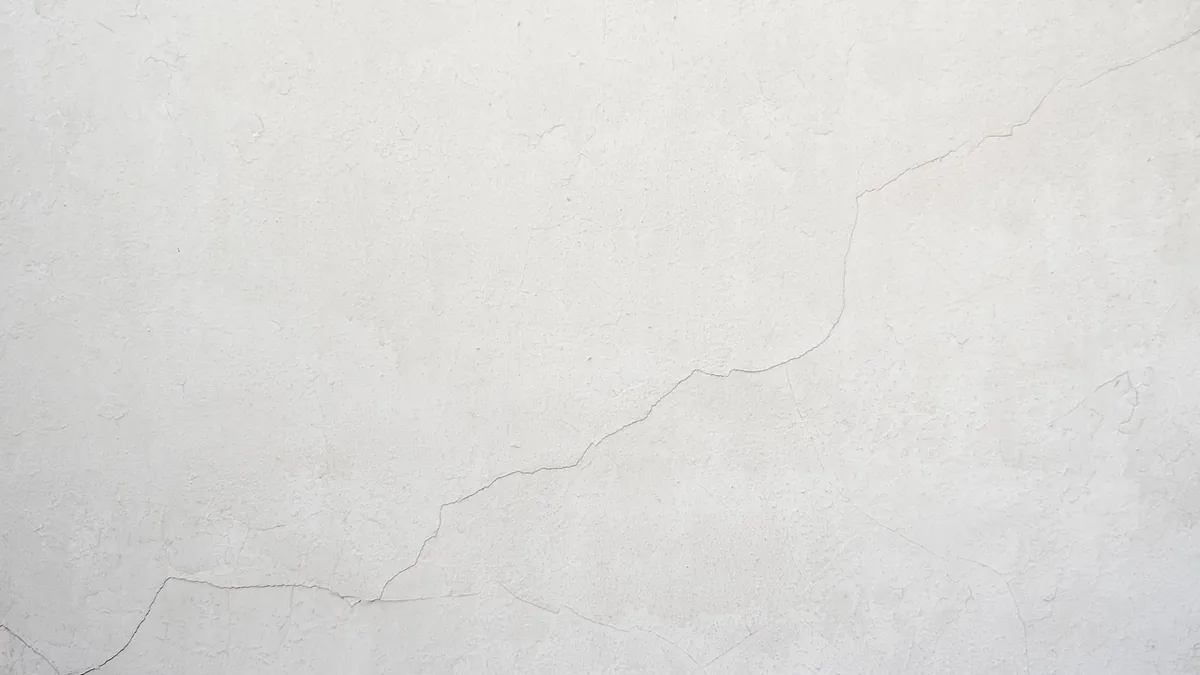
Consider a basement wall that experiences minor settling over the years, leading to hairline cracks. A painted waterproofing membrane might tear or lift at these points, creating new entry points for water. Crystalline waterproofing, however, has the potential to grow new crystals into these developing cracks, maintaining the integrity of the waterproof barrier from within. This resilience makes it a durable solution for structures exposed to constant moisture or hydrostatic pressure.
Another shared advantage is resistance to hydrostatic pressure. Hydrostatic pressure is the force exerted by water against a structure, common in basements where groundwater levels are high. Many surface-applied coatings can be pushed off the concrete by this pressure, leading to delamination and failure. Because crystalline waterproofing becomes an integral part of the concrete, it resists this pressure from the positive (water-side) or negative (dry-side) face of the concrete. This means it can be effectively applied to the interior of a basement wall, even if water is pushing in from the exterior. This is a critical factor for existing basements where excavation to waterproof the exterior is impractical or impossible.
Furthermore, crystalline waterproofing is generally non-toxic and safe for potable water contact once cured. This makes it suitable for applications in water tanks, reservoirs, and, importantly, basements where indoor air quality is a concern. The chemicals are inert and do not leach harmful substances into the environment.
Finally, the durability and longevity are significant overlaps. Once the crystalline reaction occurs, the crystals become a permanent part of the concrete matrix. They do not degrade, wear away, or become brittle over time like some other waterproofing materials. This leads to a long service life, often outlasting the concrete structure itself, reducing the need for reapplication or extensive maintenance. This permanence offers peace of mind for homeowners and builders alike.
When crystalline waterproofing basement may be a better fit
Focusing specifically on “crystalline waterproofing basement” as a surface application to existing structures, there are particular scenarios where it proves to be an exceptionally good fit.
One of the most compelling situations is when you need to waterproof an existing basement from the interior (negative side). Often, homeowners discover water issues in their basement years after construction. Excavating around the entire foundation to apply an exterior membrane (positive-side waterproofing) is an enormous, costly, and disruptive undertaking. It involves digging up landscaping, patios, and potentially damaging utilities. Crystalline waterproofing allows you to apply the material directly to the interior concrete surfaces. The active chemicals penetrate the concrete and react with moisture as it attempts to enter, effectively sealing the pathways from the inside out. This makes it a practical and often the only feasible solution for remedial basement waterproofing without major exterior work.
Consider a finished basement with drywall and flooring. The thought of tearing out everything, then excavating outside, is daunting. Applying a crystalline coating to the bare concrete walls and floor (after removing finishes) addresses the problem at its source without disturbing the exterior.
Another scenario where it excels is in cases of active leaks and seeping concrete. Some crystalline products are specifically formulated to stop active water flow through cracks and holes. While not a standalone solution for major structural issues, these specialized products can be mixed into a paste and applied directly to areas where water is actively seeping or even flowing. The rapid crystal formation can plug these leaks, providing immediate relief before a full surface application of the crystalline material. This capability is invaluable in emergency situations or when preparing a persistently wet basement for a broader waterproofing treatment.
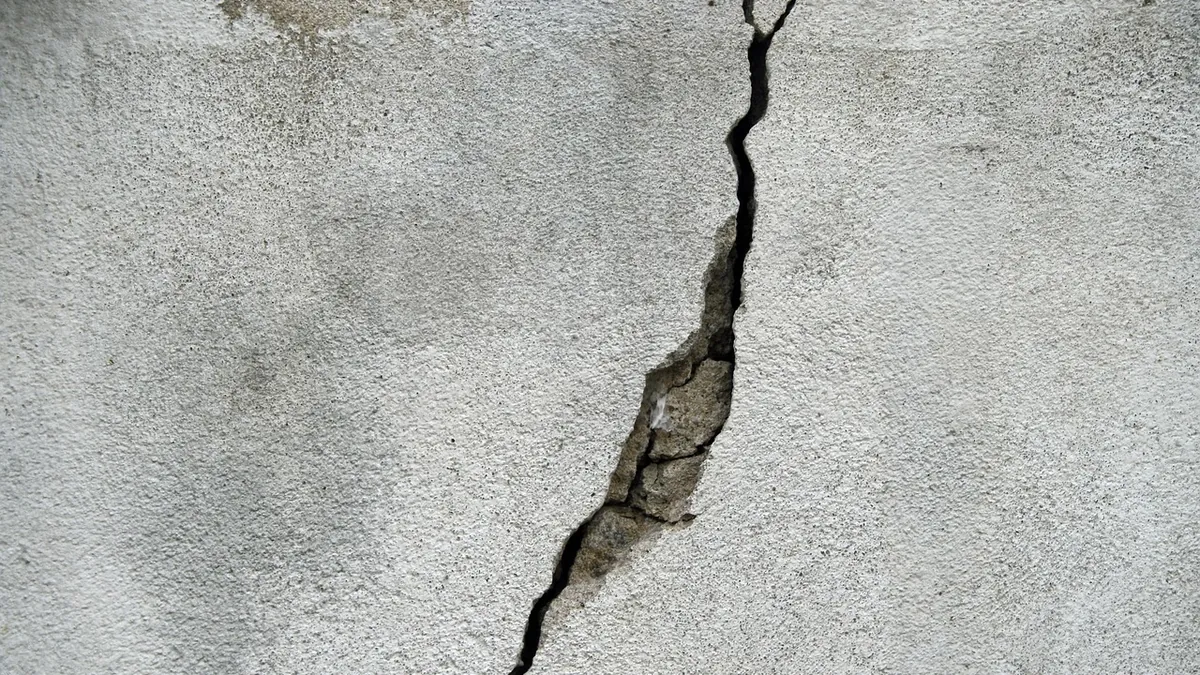
For example, if you have a hairline crack in your basement wall that consistently drips, a crystalline patch product can be applied to that specific area to stop the leak. Once the leak is contained, the entire wall can then be treated with a general crystalline coating for comprehensive protection.
Finally, for older concrete basements that might have a higher lime content or more extensive capillary networks due to age and original mix designs, crystalline products can be particularly effective. The abundance of free lime provides more material for the chemical reaction to occur, potentially leading to a denser and more comprehensive crystalline growth within the concrete. This can revitalize the waterproofing properties of aging concrete that might be too porous for other methods to effectively seal long-term.
In summary, if you have an existing basement with water intrusion, especially if exterior excavation is not an option, or if you’re dealing with active leaks through concrete, crystalline waterproofing applied to the interior is often a superior and more practical choice.
When crystalline concrete waterproofing may be a better fit
While the previous section highlighted scenarios for existing basements, “crystalline concrete waterproofing” as an admixture (meaning it’s added to the concrete mix itself) has its own set of optimal applications, primarily in new construction or major renovation projects.
The most ideal use case for crystalline concrete waterproofing as an admixture is in new construction of concrete basements, foundations, and below-grade structures. When the crystalline compound is mixed directly into the concrete, it disperses throughout the entire volume of the concrete before it sets. This ensures that the crystal-forming chemicals are present in every cubic inch of the concrete. As the concrete cures and later comes into contact with moisture, these chemicals activate to form crystals throughout the entire concrete matrix. This provides comprehensive, integral waterproofing from day one.
Imagine pouring a new basement wall. If you add crystalline admixture to the concrete truck, every part of that wall, from the inside face to the outside face, will have the potential to grow crystals and become waterproof. This eliminates the need for external membranes, which can be punctured during backfilling or degraded over time. It offers a “belt and suspenders” approach when combined with good drainage, providing a robust, multi-layered defense against water.
Another strong fit is for concrete structures that will be permanently submerged or exposed to high hydrostatic pressure. This includes underground parking garages, elevator pits, retaining walls, tunnels, and water treatment facilities. In these environments, the constant presence of water and significant pressure demands a waterproofing solution that is not merely a surface barrier but an intrinsic part of the structure. Admixtures ensure that the entire concrete section contributes to the waterproofing, making it highly resistant to pressure-induced failure.
For instance, an underground parking garage will experience water pressure from all sides. Relying solely on an exterior membrane is risky due to potential installation errors or damage. Concrete infused with crystalline waterproofing provides an additional, internal layer of protection that won’t delaminate under pressure.
Furthermore, crystalline concrete waterproofing is excellent for complex concrete geometries or areas difficult to access for surface application. If a concrete structure has intricate shapes, tight corners, or is poured in stages that make uniform application of a surface coating challenging, an admixture ensures even distribution of the waterproofing agent. Once the concrete is poured and cured, the waterproofing is already in place without requiring additional labor-intensive surface treatments in difficult spots.
Consider a complex foundation design with many angles and changes in elevation. Applying a consistent surface membrane to such a structure can be difficult and prone to gaps or thin spots. An admixture ensures the waterproofing is uniform, regardless of the concrete’s shape.
In essence, if you’re building new or undertaking a major concrete pour where you have control over the concrete mix, incorporating crystalline waterproofing as an admixture provides the most thorough and often the most cost-effective long-term waterproofing solution for the entire concrete structure.
How to choose based on goals and context
Selecting the right crystalline waterproofing approach depends heavily on your specific situation, budget, and desired outcomes. It’s not about one method being inherently “better” but rather which is the most appropriate tool for the job at hand.
First, consider the stage of construction.
- New Construction/Major Pours: If you are building a new basement, foundation, or any concrete structure below grade, incorporating crystalline waterproofing as an admixture (part of “crystalline concrete waterproofing”) is usually the superior choice. It offers integral, full-depth waterproofing from the start, often simplifying the construction process by eliminating the need for external membrane installation, protection boards, and extensive backfill precautions. This approach is proactive and generally provides the highest level of long-term protection.
- Existing Structures with Leaks: For an existing basement that is experiencing water intrusion, applying a crystalline slurry coating to the interior (which falls under “crystalline waterproofing basement”) is the most practical and cost-effective solution. It addresses the problem from the negative side without the significant expense and disruption of exterior excavation. It’s a reactive solution to an existing problem.
Next, evaluate the severity and nature of the water problem.
- Dampness/Minor Seepage: For general dampness or minor seepage through concrete pores, both admixture (in new construction) and surface coating (in existing structures) are highly effective. The key is to ensure the crystalline reaction has enough moisture and free lime to occur.
- Active Leaks/High Hydrostatic Pressure: While admixtures protect against pressure, for existing active leaks, specialized crystalline products designed for patching and stopping active water flow are invaluable before a full surface application. These products can quickly plug holes and cracks, allowing for a more controlled environment to apply the broader waterproofing system.
Consider accessibility and budget.
- Exterior Accessibility: If you have an existing structure and exterior access is easy, sometimes a combination of exterior drainage improvements and interior crystalline waterproofing can offer a robust solution. However, if exterior access is limited or impossible (e.g., zero lot line, established landscaping), interior crystalline coatings become the primary option.
- Budget: While the initial cost of crystalline admixtures might seem higher than some basic membranes, their long-term durability and self-healing properties can lead to significant savings in maintenance and repair over the life of the structure. For existing basements, interior crystalline coatings are often a fraction of the cost of exterior excavation and membrane repair.
Finally, think about long-term performance and maintenance.
- Crystalline waterproofing, in both admixture and surface-applied forms, offers exceptional durability and little to no maintenance once installed correctly. Its self-healing capability is a major advantage for long-term peace of mind.
- Compare this to external membranes that can be damaged during backfill or over time, requiring costly repairs.
To help visualize the decision points, here’s a comparison table:
| Feature/Consideration | Crystalline Admixture (New Construction) | Crystalline Coating (Existing Basement) |
|---|---|---|
| Application Stage | During concrete pour (new construction) | After concrete cures (existing structure) |
| Primary Use | Proactive, integral waterproofing | Reactive, remedial waterproofing |
| Accessibility | No issues, part of the pour | Excellent for interior (negative side) |
| Cost (Initial) | Part of concrete material cost | Material + labor for surface prep/application |
| Hydrostatic Pressure | Excellent resistance from within | Excellent resistance from within |
| Self-Sealing | Yes, throughout the concrete volume | Yes, within the treated depth |
| Active Leaks | Prevents future leaks | Can stop active leaks with specialized products |
| Durability | Permanent, integral to concrete | Permanent, within concrete’s pores |
| Disruption | Minimal, during construction phase | Minimal, inside basement |
Ultimately, for a beginner looking to understand “crystalline waterproofing basement,” the focus will likely be on the application of crystalline coatings to an existing basement. This method offers a powerful, durable, and less disruptive solution for dealing with water intrusion from the inside.
Frequently asked questions
Understanding crystalline waterproofing involves demystifying some common queries. Here are answers to frequently asked questions for beginners.
What is crystalline waterproofing basement?
Crystalline waterproofing for basements refers to a method of sealing concrete against water intrusion by applying a special cementitious coating to the interior surfaces of basement walls and floors. This coating contains active chemicals that react with the free lime and moisture within the concrete. This reaction forms millions of insoluble crystals that grow into the concrete’s capillary tracts and pores, effectively blocking water pathways. It’s not a surface membrane but rather becomes an integral part of the concrete itself, making the concrete waterproof from within.
How does crystalline waterproofing basement compare with alternatives?
Crystalline waterproofing offers several distinct advantages over traditional basement waterproofing alternatives:
- Compared to Exterior Membranes: Exterior membranes (like bitumen sheets or liquid-applied coatings) are applied to the outside of the foundation wall. They are effective but require extensive excavation, which is costly, disruptive, and often impossible for existing basements. Crystalline waterproofing can be applied from the interior, avoiding excavation. Exterior membranes can also be punctured during backfilling or by root growth, leading to leaks, whereas crystalline waterproofing is protected within the concrete.
- Compared to Interior Drain Tile Systems (e.g., French Drains): Drain tile systems manage water once it has already entered the basement, diverting it to a sump pump. They don’t stop water from entering the concrete walls. Crystalline waterproofing, conversely, aims to stop water from penetrating the concrete in the first place, making the wall itself waterproof. A drain tile system can be a good complementary solution for managing water that might come up through the slab-to-footing joint or through major cracks that crystalline products alone cannot bridge.
- Compared to Epoxy/Urethane Injections: Injections are typically used for sealing individual cracks. While effective for specific crack repair, they don’t provide broad-area waterproofing for the entire concrete surface like crystalline coatings do. Crystalline waterproofing can seal hairline cracks that haven’t developed into full-blown leaks and offers general protection.
The key differentiator for crystalline waterproofing is its ability to penetrate and become part of the concrete, offering self-sealing properties and resistance to hydrostatic pressure from both positive and negative sides, often without extensive exterior work.
What are the most common mistakes people make with crystalline waterproofing basement?
Several common mistakes can reduce the effectiveness of crystalline waterproofing:
- Improper Surface Preparation: This is perhaps the most critical step. The concrete surface must be clean, free of dirt, paint, sealers, efflorescence, and any other contaminants that could prevent the crystalline chemicals from penetrating. Often, mechanical preparation (e.g., grinding, shot blasting, or acid etching) is required to open up the concrete pores. If the surface isn’t properly prepared, the product will sit on top rather than penetrate, leading to failure.
- Inadequate Moisture Before Application: Crystalline products require moisture to activate the chemical reaction and facilitate crystal growth. The concrete surface typically needs to be pre-wetted to a saturated surface dry (SSD) condition before application. Applying to a completely dry surface can hinder penetration and crystal formation.
- Incorrect Mixing or Application Rate: Following the manufacturer’s instructions precisely regarding powder-to-water ratio and application thickness is crucial. Too much water can dilute the product, while too little can make it difficult to apply and penetrate. Applying too thin a coat will not provide enough active ingredient for robust crystal growth.
- Not Addressing Active Leaks First: While some specialized crystalline products can stop active leaks, a general surface application of crystalline waterproofing over gushing water will likely fail. Active leaks should be addressed with fast-setting plugs or patching compounds (often crystalline-based themselves) before the main coating is applied.
- Lack of Curing: After application, the crystalline coating needs to be properly cured, usually by keeping it damp for several days (e.g., misting with water, covering with plastic sheeting). This ensures the continuous presence of moisture needed for the crystal growth process. Skipping or shortening the curing period can result in incomplete crystal formation and reduced effectiveness.
- Ignoring Major Structural Issues: Crystalline waterproofing is excellent for sealing concrete pores and hairline cracks. However, it is not a structural repair. Large, moving cracks, significant honeycombing, or major structural defects require separate structural repairs before waterproofing.
Avoiding these common pitfalls will significantly increase the success and longevity of crystalline basement waterproofing.
Conclusion
Crystalline waterproofing offers a powerful and durable solution for managing water in concrete basements. Its ability to penetrate concrete and form an integral, self-sealing barrier sets it apart from many traditional methods. For existing basements facing water intrusion, interior application of crystalline coatings provides a practical and less disruptive alternative to exterior excavation. In new construction, incorporating crystalline admixtures into the concrete mix ensures comprehensive, long-lasting protection from the outset. Understanding the nuances of application, especially proper surface preparation and curing, is key to maximizing its effectiveness. For homeowners and builders alike, crystalline waterproofing provides a robust defense against moisture, contributing to a drier, healthier, and more resilient basement space.
DIY safety disclaimer
Home Leak Fix publishes general DIY information for homeowners. Water intrusion can involve structural, electrical, height, mould, or insurance risks. Use proper safety equipment, follow local building rules, and call a qualified professional when a repair is unsafe, unclear, or beyond your experience.