A damp proof course (DPC) is a barrier within a wall designed to prevent moisture from rising through the structure by capillary action. When this barrier fails, moisture from the ground can permeate walls, leading to a range of issues within a property. Understanding the signs of DPC failure, how to diagnose it, and the appropriate steps to take are crucial for maintaining the structural integrity and health of a building, particularly in older homes where original DPCs may be nearing the end of their lifespan or were never installed to modern standards.
Key differences between damp proof course failure and rising damp signs
While often discussed interchangeably, “damp proof course failure” and “rising damp signs” represent distinct aspects of the same problem. Damp proof course failure refers to the cause – the breakdown or inadequacy of the physical barrier meant to stop moisture. Rising damp signs, on the other hand, are the manifestations or symptoms that appear when that failure allows ground moisture to ascend into the wall.
Consider a plumbing leak: the failed pipe is the cause, and the water stain on the ceiling is a sign. Similarly, a compromised DPC is the underlying issue, while the visible damp patches, crumbling plaster, or salt efflorescence are the indicators you observe.
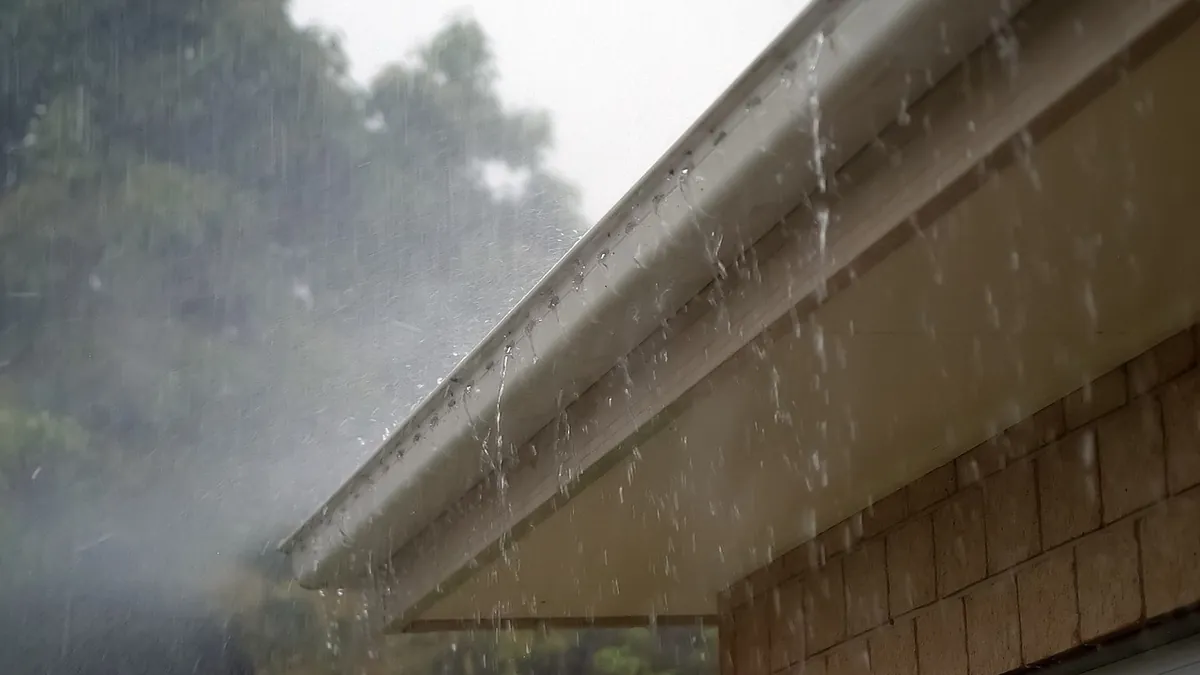
The practical implications of this distinction are significant for diagnosis. Identifying rising damp signs is the first step, prompting further investigation to determine if DPC failure is indeed the root cause. Not all rising damp signs are due to DPC failure; sometimes, other moisture sources like plumbing leaks, external ground levels, or condensation can mimic similar patterns. For instance, a blocked gutter overflowing can cause dampness that appears at first glance to be rising damp, but its origin is entirely different. An effective diagnosis requires looking beyond the visible symptoms to pinpoint the actual source of moisture ingress.
Shared benefits and overlaps
Both “damp proof course failure” (as the problem) and “rising damp signs” (as the evidence) share a common goal: to alert property owners to the presence of unwanted moisture in their walls. The primary benefit of understanding both concepts is the ability to initiate timely and appropriate action. Ignoring either the signs or the underlying failure can lead to progressive damage, including:
- Structural degradation: Prolonged moisture can weaken masonry, timbers, and other building materials.
- Aesthetic damage: Peeling paint, wallpaper, crumbling plaster, and staining are common and unsightly.
- Health concerns: Damp environments foster mold and mildew growth, which can exacerbate respiratory issues and allergies.
- Reduced property value: A home with persistent damp issues is less appealing and can be difficult to sell.
The overlap lies in their interconnectedness. You cannot diagnose DPC failure without observing rising damp signs, and understanding the signs is meaningless without grasping that DPC failure is a primary potential cause. For example, the characteristic ’tide mark’ pattern of dampness, typically found up to about 1-1.5 meters above ground level, is a classic rising damp sign. Its consistent appearance along a wall’s base strongly suggests that the DPC is either absent, bridged, or has deteriorated. Recognizing this pattern allows for a targeted investigation into the DPC’s condition, rather than chasing other potential moisture sources initially.
When damp proof course failure may be a better fit
Focusing specifically on “damp proof course failure” as a concept is most fitting when you’ve already observed rising damp signs and are moving into the diagnostic and remedial phases. This perspective shifts from merely identifying symptoms to understanding the specific defect that needs correction.
This approach is particularly relevant in the following scenarios:
- Pre-purchase surveys: A surveyor identifying potential rising damp will then specifically investigate the DPC’s integrity. Their report will likely discuss DPC failure rather than just rising damp signs, detailing the nature of the failure (e.g., bridged DPC, perished DPC) and recommending appropriate repairs.
- Remedial planning: When you’re engaging a damp proofing specialist, their assessment and proposed solutions will directly address the DPC failure. This might involve installing a new chemical DPC, repairing an existing physical DPC, or addressing external factors that are bridging the DPC. For instance, if external ground levels have risen above the DPC, the solution isn’t just to treat the internal damp but to lower the external ground, thereby rectifying the DPC bridging – a direct consequence of DPC failure.
- Old house damp: Properties built before around the 1870s often lack a DPC entirely. In these cases, the “failure” isn’t a breakdown but an absence. Understanding this specific type of “failure” is crucial for recommending appropriate, often sympathetic, solutions that respect the building’s original construction method. For example, introducing a modern chemical DPC into a solid stone wall might be less effective or even detrimental compared to improving external drainage and ventilation.
Understanding DPC failure in this context means moving beyond the visible damage to the root cause, enabling a more precise and effective intervention strategy.
When rising damp signs may be a better fit
Conversely, “rising damp signs” is the more appropriate term when you are in the initial stages of observation and suspicion. It serves as a broad umbrella for any visual or olfactory cues that suggest moisture is entering the lower parts of your walls from the ground.
This perspective is crucial for:
- Initial homeowner awareness: Most homeowners first notice a problem when they see peeling paint, feel a cold spot, or smell a musty odor. These are the rising damp signs that trigger concern. They don’t immediately know if it’s DPC failure, condensation, or a leak.
- Distinguishing from other damp issues: Many types of damp exist. Rising damp signs, with their characteristic pattern (generally affecting the lower part of the wall, often with a clear ’tide mark’ and salt efflorescence), help differentiate it from penetrating damp (often appearing at higher levels, around windows or cracks) or condensation (typically affecting colder surfaces, particularly in corners or behind furniture, and often accompanied by mold).
- Prompting professional assessment: When you observe rising damp signs, the next logical step is to call a professional for a comprehensive damp survey. At this stage, you’re not yet certain of DPC failure, but you know something is wrong. A surveyor will use moisture meters and other diagnostic tools to ascertain the type of damp and its source. For example, a surveyor might measure high moisture content at the base of a wall, but then find the external ground level is significantly higher than the DPC. The rising damp signs are present, but the immediate cause is bridging, which is a form of DPC failure, but requires a very specific remedial action that might not involve injecting a new DPC.
In essence, rising damp signs are the ‘what’ that you see, while DPC failure is the ‘why’ that a professional will subsequently diagnose.
How to choose based on goals and context
Choosing whether to focus on “damp proof course failure” or “rising damp signs” depends entirely on your objective and stage in addressing a damp problem.
If your goal is initial identification and assessment, you should focus on understanding rising damp signs. This means familiarizing yourself with the visual and sensory indicators:
- Visual: Tide marks, peeling wallpaper, bubbling paint, crumbling plaster, salt efflorescence (white, fluffy deposits), staining, dark patches.
- Sensory: Musty odors, a cold feeling on affected walls.
If your goal is diagnosis, remediation, and understanding the underlying cause, then damp proof course failure becomes the central concept. This involves:
- Professional Diagnosis: Engaging a qualified surveyor to determine if the DPC is absent, damaged, bridged, or ineffective. They will use specialized equipment and knowledge to differentiate DPC failure from other moisture sources.
- Remedial Action: Implementing solutions directly addressing the DPC failure. This could range from lowering external ground levels, repairing defective rainwater goods, to installing a new chemical DPC or a physical DPC.
Consider the following table to help guide your focus:
| Aspect | Focus on “Rising Damp Signs” | Focus on “Damp Proof Course Failure” |
|---|---|---|
| Stage of Problem | Initial observation, suspicion, homeowner concern | Professional diagnosis, remedial planning, specific solution seeking |
| Primary Question | “Is there damp, and what does it look like?” | “Why is there damp, and how do we fix the source?” |
| Key Indicators | Visible wall damage, odours, cold spots | Surveyor reports, moisture meter readings, DPC inspections |
| Action Taken | Call a professional for a damp survey | Implement specific damp proofing treatments or structural changes |
| Target Audience | Homeowners, tenants, general public | Surveyors, damp proofing specialists, building contractors |
| Risk of Misdiagnosis | Higher (could be condensation or penetrating damp) | Lower (once professional diagnosis confirms DPC issue) |
Ultimately, both concepts are crucial for a complete understanding of ground moisture ingress into a building. Rising damp signs are the alarm bells, and DPC failure is the specific fault that needs silencing.
Frequently asked questions
What is damp proof course failure?
Damp proof course (DPC) failure refers to the inability of a DPC to perform its intended function of preventing moisture from rising from the ground into the walls of a building. A DPC is a horizontal barrier, typically a layer of impermeable material like slate, bitumen, or plastic, inserted into the mortar course near ground level. When it fails, it can be due to several reasons:
- Absence: In older properties (pre-1870s), a DPC may never have been installed.
- Deterioration: Over time, materials like bitumen or slate can crack, perish, or become ineffective.
- Bridging: This is a common cause where external ground levels, render, debris, or even internal floor screeds bypass the DPC, allowing moisture to cross over it.
- Damage: Physical damage during construction or subsequent alterations can compromise the DPC.
- Incorrect installation: A DPC installed too low, too high, or improperly overlapped can be ineffective from the start.
Regardless of the cause, DPC failure allows ground moisture to be drawn up into the porous masonry through capillary action, leading to rising damp.
How does damp proof course failure compare with alternatives?
When addressing dampness in a property, it’s essential to compare DPC failure as a cause with other common sources of damp. Each requires a different diagnostic approach and remedial strategy.
| Feature | Damp Proof Course Failure | Penetrating Damp | Condensation Damp |
|---|---|---|---|
| Source of Moisture | Ground moisture rising through capillary action | External moisture (rain, leaks) entering through defects | Internal airborne moisture condensing on cold surfaces |
| Typical Location | Lower sections of walls (up to 1-1.5m), generally uniform | Often patchy, around windows, doors, cracks, roof/gutter issues | Coldest surfaces (corners, behind furniture, bathrooms, kitchens) |
| Appearance | ‘Tide mark’, salt efflorescence, crumbling plaster, peeling décor | Random damp patches, localized staining, often visible external defects | Black mold, musty smell, water droplets on windows/walls |
| Seasonality | Often worse in wet weather, but persistent | Worse during heavy rain or wind-driven rain | Worse in colder months (reduced ventilation, heating on) |
| Primary Cause | Failed, absent, or bridged DPC | Defective external fabric (cracks, faulty pointing, roof leaks, blocked gutters) | Poor ventilation, high humidity, insufficient heating |
| Remedial Action | Repair/install DPC, lower external ground, improve drainage | Repair external defects, seal cracks, fix rainwater goods | Improve ventilation (fans, open windows), adequate heating, reduce moisture sources |
Misdiagnosing the type of damp can lead to ineffective and costly repairs. For instance, treating what is actually penetrating damp with a new chemical DPC will not solve the problem if the external wall defect remains.
What are the most common mistakes people make with damp proof course failure?
Several common mistakes can exacerbate or prolong issues related to DPC failure:
- Misdiagnosis: The most significant mistake is assuming all damp at the base of a wall is rising damp due to DPC failure. As discussed, it could be condensation, penetrating damp, or even a plumbing leak. Without a proper diagnosis, any remedial work is likely to be ineffective.
- Ignoring external factors: Often, DPC failure isn’t just about the DPC itself but external elements bridging it. Raising external ground levels, overflowing gutters, leaking downpipes, or defective render that extends below the DPC level can all bypass a perfectly functional DPC. Failing to address these external issues means internal damp will persist.
- Applying a ‘band-aid’ solution: Simply re-plastering or re-decorating over damp patches without addressing the underlying DPC failure is a temporary fix. The moisture will eventually return, causing further damage.
- DIY solutions without expertise: While some minor issues, like clearing blocked gutters, can be DIY, installing a new DPC or undertaking significant structural repairs requires specialist knowledge and equipment. Improper DIY attempts can cause more harm or fail to resolve the problem.
- Not seeking professional advice: A qualified damp surveyor or building professional can accurately diagnose the type and cause of dampness. Their expertise is invaluable in recommending the most appropriate and cost-effective solutions.
- Using inappropriate materials: In older, solid-walled properties, applying modern impermeable renders or paints to damp walls can trap moisture, preventing the walls from breathing and potentially causing more extensive damage or shifting the damp problem elsewhere. Sympathetic materials that allow walls to dry out are often necessary.
Addressing damp due to DPC failure requires a thorough understanding of the building’s construction, the moisture source, and the most effective and appropriate remedial strategies.
Conclusion
Understanding damp proof course failure is critical for anyone dealing with persistent dampness in a property, especially in older buildings. While “rising damp signs” are the initial indicators that something is amiss, “damp proof course failure” pinpoints the specific structural or material defect allowing ground moisture to enter. Recognizing the distinctions and overlaps between these concepts empowers homeowners and professionals to accurately diagnose the problem and implement effective, lasting solutions. The next step after observing signs of damp should always be a professional assessment to ensure the correct cause is identified, leading to targeted and successful remedial action.
DIY safety disclaimer
Home Leak Fix publishes general DIY information for homeowners. Water intrusion can involve structural, electrical, height, mould, or insurance risks. Use proper safety equipment, follow local building rules, and call a qualified professional when a repair is unsafe, unclear, or beyond your experience.