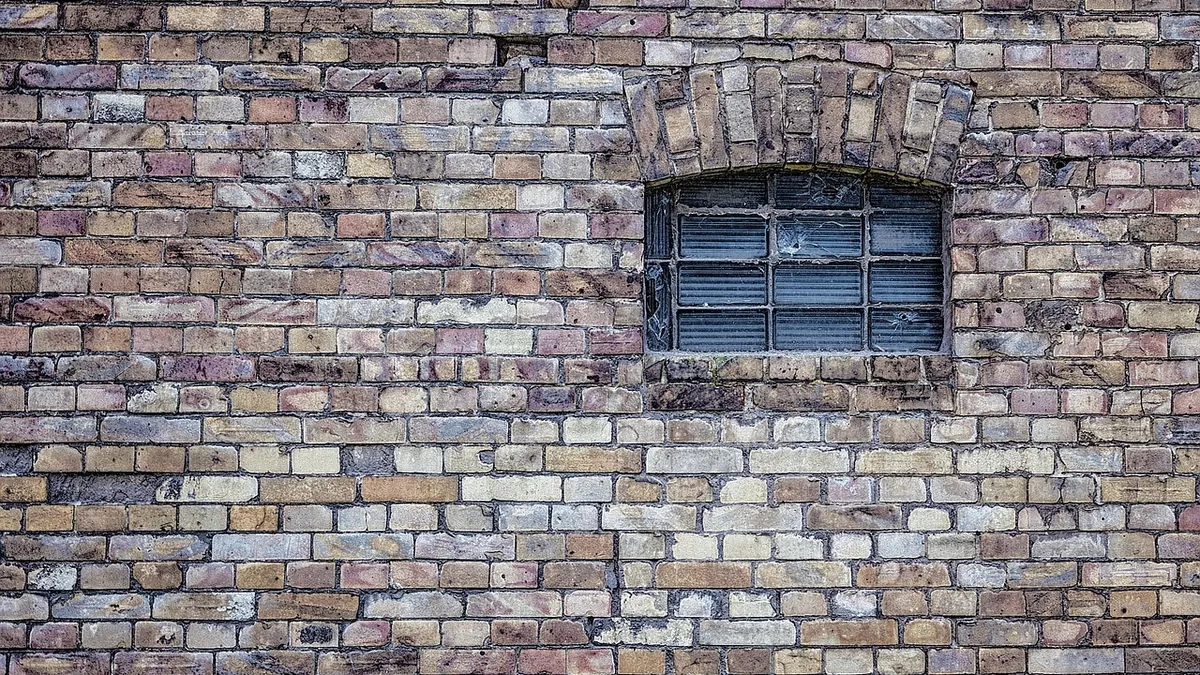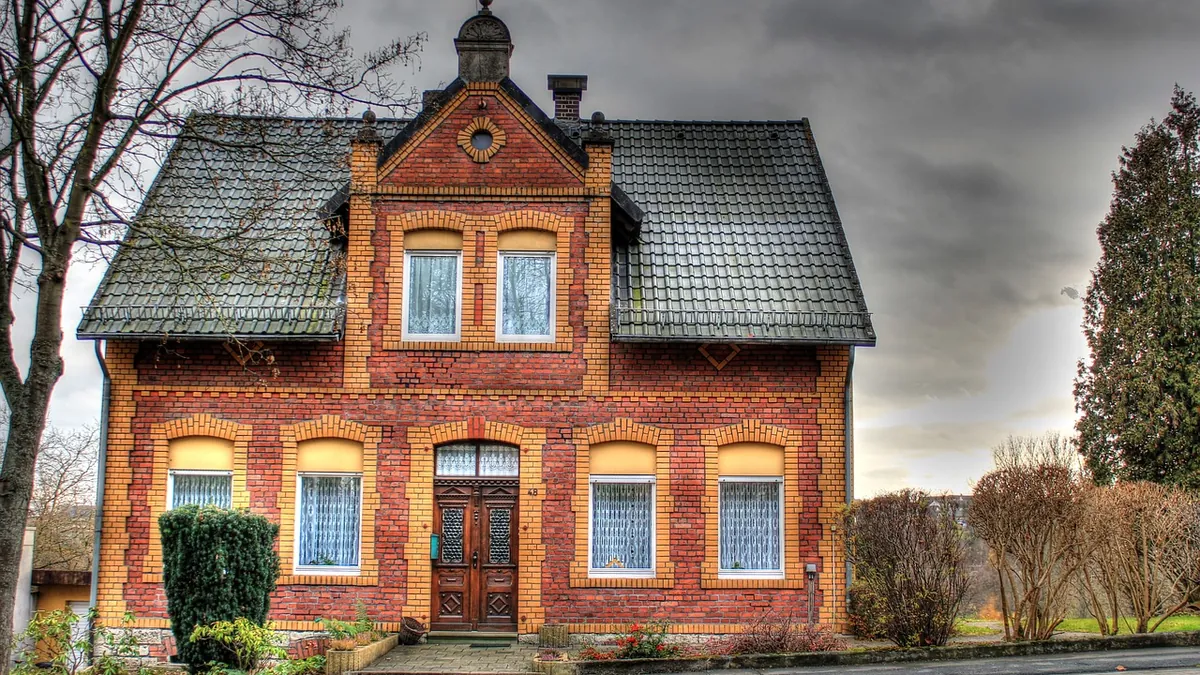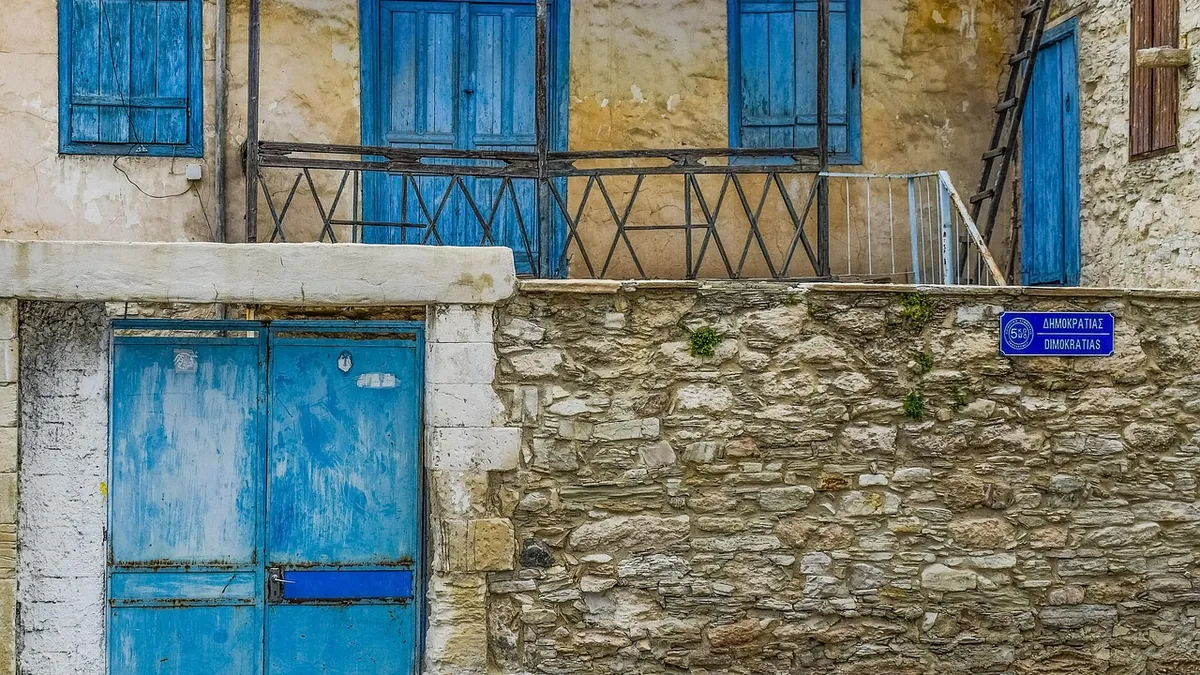
Efflorescence, often appearing as a white, powdery residue, is a common phenomenon on outdoor concrete and brick surfaces. It’s essentially a natural process where soluble salts within a porous material migrate to the surface and crystallize upon contact with air. While often a cosmetic concern, understanding its causes and implications is crucial for property owners and maintenance professionals. This article explains what efflorescence means for your outdoor concrete and brick, differentiating between its manifestations and offering insights into managing it.
Key Differences Between Efflorescence on Outdoor Concrete and White Salts on Brick
While both concrete and brick can exhibit efflorescence, the specific characteristics and underlying causes can vary slightly due to differences in material composition and manufacturing processes. Understanding these distinctions helps in identifying the source and formulating appropriate remediation strategies.
Concrete Efflorescence: The Material’s Own Character
Concrete, a mixture of cement, aggregates, and water, contains various soluble salts primarily derived from the cement itself. Calcium hydroxide, a byproduct of cement hydration, is a common culprit. When water penetrates the concrete, it dissolves these salts. As the water then moves to the surface and evaporates, it leaves behind the white, crystalline deposits.
The appearance of efflorescence on concrete can range from a fine, dusty film to thick, crusty formations. Its prevalence is often linked to the concrete mix design, the curing process, and environmental conditions. Rapid drying of newly poured concrete, for instance, can draw more moisture and salts to the surface. Furthermore, the porosity of concrete, even dense varieties, allows for the necessary water movement.
White Salts on Brick: A Broader Chemical Palette
Brick, typically made from fired clay, also contains soluble salts, but the range can be more diverse. These salts can originate from the clay itself, the water used in manufacturing, or even additives. Beyond calcium, salts of sodium, potassium, and magnesium can contribute to efflorescence on brick.
A significant difference with brick is that the efflorescence can also be influenced by the mortar used between the bricks. Mortar, like concrete, contains cement and can be a source of soluble salts. If the mortar is more permeable than the brick, or if there are issues with the mortar mix, it can contribute significantly to the problem. The porosity of brick also plays a critical role; highly porous bricks are more susceptible to water absorption and subsequent efflorescence.
Practical Implications and Trade-offs
The primary practical implication for both materials is aesthetic. White streaks or patches can detract from the appearance of a patio, driveway, or brick facade. Beyond aesthetics, however, there are other considerations:
- Concrete: While generally not structurally damaging, severe or persistent efflorescence on concrete can sometimes indicate ongoing moisture issues within the slab, which could lead to other problems like freeze-thaw damage if not addressed. The repeated cycle of salt crystallization can also, in rare cases, lead to minor surface spalling over time, especially in conjunction with other stressors.
- Brick: For brick, persistent efflorescence can be a more direct indicator of water penetration issues. If the efflorescence is heavy and recurs frequently, it suggests that the brickwork is consistently damp. This dampness can lead to more serious issues like mortar degradation, freeze-thaw damage to the bricks themselves, and even internal dampness in the building if the brick is part of an exterior wall. In extreme cases, the pressure from crystallizing salts can cause the outer face of the brick to flake off, a condition known as spalling.
The trade-off in both cases is between immediate cosmetic removal and addressing the underlying moisture problem. Simply cleaning off the efflorescence without tackling the source of dampness will likely result in its return.
Shared Characteristics and Overlaps
Despite their distinct material compositions, efflorescence on outdoor concrete and brick shares fundamental mechanisms and several common characteristics. Recognizing these overlaps is key to a holistic understanding of the phenomenon.
The Underlying Mechanism: Soluble Salts, Water, and Evaporation
At its core, efflorescence on both concrete and brick relies on three essential components:
- Soluble Salts: Both materials naturally contain various salts that can dissolve in water. For concrete, calcium hydroxide is prominent. For brick, a wider array of salts, including sodium, potassium, and magnesium, can be present.
- Water: Water is the transport agent. It penetrates the porous material, dissolves the soluble salts, and carries them towards the surface. Sources of water can include rain, groundwater, condensation, faulty drainage, or even water used during the initial construction and curing phases.
- Evaporation: As the water reaches the surface and evaporates, it leaves the dissolved salts behind. These salts then crystallize, forming the characteristic white deposits.
This shared mechanism means that controlling efflorescence often involves managing one or more of these three factors, regardless of whether the surface is concrete or brick.
Common Contributing Factors
Several environmental and construction-related factors contribute to efflorescence on both materials:
- High Moisture Content: This is the most critical factor. Whether it’s persistent rain, rising damp from the ground, or trapped moisture within the structure, excess water provides the medium for salt transport.
- Porous Materials: Both concrete and brick are inherently porous, allowing water to penetrate and move through their matrix. The degree of porosity influences the likelihood and severity of efflorescence.
- Temperature Fluctuations: Cycles of wetting and drying, often driven by temperature changes, accelerate the process. Solar radiation can rapidly evaporate surface water, promoting crystallization.
- Poor Drainage: Inadequate drainage around foundations or paved areas can lead to prolonged saturation of concrete slabs or brick walls, increasing the chances of efflorescence.
- New Construction/Curing: Newly installed concrete or brickwork is particularly susceptible. The initial water content in the mix, combined with the curing process, often provides ample moisture for salts to migrate to the surface as the material dries out. This is often referred to as “new build” efflorescence.
- External Salt Sources: While less common, salts can also be introduced externally through de-icing salts, fertilizers, or even salt-laden sea spray in coastal areas. These external salts can then be absorbed by porous masonry and contribute to the problem.
Overlap in Remediation Strategies
Given the shared mechanisms and contributing factors, many remediation and prevention strategies apply to both concrete and brick:
- Cleaning: Initial cleaning typically involves dry brushing for light efflorescence or using a stiff brush with water for more stubborn cases. Mild acid solutions (like diluted vinegar or specialized efflorescence removers) are often effective, but caution is advised, especially on colored concrete or certain types of brick, as they can cause etching or discoloration.
- Moisture Management: This is paramount. Improving drainage, repairing leaks, applying sealants, or installing damp-proof courses are crucial for long-term control on both surfaces.
- Material Selection: Specifying low-alkali cement for concrete or bricks with low soluble salt content can help reduce the potential for efflorescence.
- Proper Curing: For new concrete, proper curing helps to hydrate the cement thoroughly, reducing the amount of free calcium hydroxide available to migrate.
- Waterproofing/Sealing: Applying breathable sealers can reduce water absorption while still allowing the material to “breathe,” preventing moisture from being trapped.
The table below summarizes these shared aspects:
| Feature/Strategy | Concrete Efflorescence | White Salts on Brick |
|---|---|---|
| Primary Mechanism | Soluble salts + Water + Evaporation | Soluble salts + Water + Evaporation |
| Common Salt Sources | Calcium hydroxide from cement | Calcium, sodium, potassium, magnesium from clay/mortar |
| Contributing Factors | High moisture, porosity, temperature flux, poor drainage | High moisture, porosity, temperature flux, poor drainage |
| Aesthetic Impact | White powdery/crusty deposits | White powdery/crusty deposits |
| Cleaning Methods | Dry brushing, water, mild acid solutions | Dry brushing, water, mild acid solutions |
| Long-Term Control | Moisture management, sealing, proper curing | Moisture management, sealing, proper curing |
Understanding these shared elements allows for a more unified approach to diagnosing and addressing efflorescence issues across different outdoor masonry surfaces.
When Efflorescence on Outdoor Concrete May Be a Better Fit
The phrase “efflorescence outdoor concrete” isn’t about choosing efflorescence itself, but rather understanding its implications on concrete specifically. In certain contexts, the presence or potential for efflorescence on concrete might be more tolerable or easier to manage than on other materials. This isn’t about efflorescence being “good,” but rather about concrete’s specific properties and typical applications.
Durability and Structural Integrity
Concrete is renowned for its strength and durability. While efflorescence is a cosmetic issue, it rarely compromises the structural integrity of a concrete slab, driveway, or patio. In applications where structural performance is paramount, and aesthetics are secondary (e.g., utility pads, industrial flooring, hidden foundations), the presence of efflorescence might be tolerated more readily.
- Example: A concrete foundation slab that develops efflorescence in a crawl space. While it indicates moisture, the structural function of the foundation is unlikely to be impaired, and the efflorescence is not visible. The focus would be on addressing the moisture rather than the efflorescence itself as a primary concern.
Ease of Cleaning and Repair
Concrete surfaces are often large and relatively uniform. This can make cleaning efflorescence more straightforward compared to intricately laid brickwork.
- Cleaning: For widespread efflorescence on a concrete driveway or large patio, pressure washing combined with appropriate cleaners can be an efficient method. The uniform surface allows for consistent application and rinsing.
- Repair: If minor spalling or etching occurs due to severe, neglected efflorescence, concrete repairs (patching, resurfacing) can be done, though matching color and texture perfectly can be challenging. However, concrete is generally more forgiving for such repairs than trying to replace individual spalled bricks within an existing wall.
Cost-Effectiveness
Concrete is often a more cost-effective material than brick for large outdoor surfaces. When budget is a primary concern, and some level of maintenance for efflorescence is acceptable, concrete remains a viable choice. The potential for efflorescence is a known characteristic of concrete, and its management is often factored into long-term maintenance.
Specific Applications Where Concrete’s Characteristics Align
- Driveways and Sidewalks: These are high-traffic, functional areas where concrete’s strength is essential. While efflorescence might appear, it’s often viewed as a minor aesthetic issue compared to the material’s performance benefits.
- Garage Floors: Indoor/outdoor transition areas like garage floors can experience efflorescence due to moisture wicking up from the ground. Concrete’s resilience makes it a suitable material for these environments, even with the potential for salt deposits.
- Retaining Walls (Structural): For large, structural retaining walls where the primary function is earth retention, concrete’s strength and stability are key. Efflorescence on such a wall, while visible, does not typically undermine its structural role.
In essence, when the robust, structural qualities of concrete are the driving factor for material selection, and the potential for efflorescence is understood as a cosmetic byproduct that can be managed, concrete remains an excellent choice. It’s about recognizing that efflorescence is a characteristic, not a flaw that negates concrete’s fundamental advantages in these scenarios.
When White Salts on Brick May Be a Better Fit
Similar to concrete, the discussion here isn’t about choosing efflorescence on brick, but rather understanding the specific contexts where brick, despite its susceptibility to white salt deposits, remains the preferred material. Brick offers distinct aesthetic, thermal, and historical advantages that often outweigh concerns about efflorescence, provided those concerns are adequately addressed.
Aesthetic and Architectural Value
Brick possesses a timeless aesthetic appeal that concrete often cannot replicate. Its natural earthy tones, varied textures, and the intricate patterns created by mortar joints contribute significantly to architectural character.
- Historic Buildings: Many historic structures are built with brick. Preserving their original appearance means maintaining brick, even if it occasionally exhibits efflorescence. The choice is driven by heritage and architectural authenticity.
- Traditional Homes: For homes designed with a traditional or classic aesthetic, brick provides warmth, texture, and a sense of permanence that is highly valued. The occasional cleaning of efflorescence is a minor trade-off for the desired look.
- Feature Walls and Facades: Where the visual impact of a wall is a primary design element, brick’s aesthetic qualities often make it the material of choice.
In these scenarios, the presence of white salts is generally viewed as an unfortunate but manageable characteristic of a desirable material, rather than a reason to choose an alternative.
Thermal Mass and Energy Efficiency
Brick has excellent thermal mass properties, meaning it can absorb and store heat. This can contribute to energy efficiency, especially in climates with significant temperature swings.
- Passive Solar Design: In buildings designed for passive solar heating, brick walls can help regulate indoor temperatures by absorbing solar radiation during the day and releasing it slowly at night.
- Temperature Regulation: For exterior walls, brick can help buffer against extreme outdoor temperatures, contributing to a more stable indoor environment.
The energy benefits of brick can make it a preferred material, even with the understanding that moisture management will be necessary to mitigate efflorescence.
Permeability and Breathability
While porosity can contribute to efflorescence, brick’s inherent breathability is sometimes an advantage, particularly in older building techniques or certain climate zones.
- Moisture Vapor Transmission: Brick allows for the transmission of moisture vapor, which can be beneficial in managing condensation within wall cavities, especially when paired with lime-based mortars. This “breathability” can help prevent moisture from becoming trapped, which can lead to more severe problems like rot in timber frames.
- Restoration: For restoration projects on older buildings, using traditional brick and mortar often aligns with the original construction’s moisture management philosophy.
Specific Applications Where Brick’s Characteristics Align
- Exterior Walls of Homes and Commercial Buildings: Beyond aesthetics, brick provides a durable, fire-resistant, and low-maintenance cladding. The long lifespan and classic appearance often make it the material of choice for building envelopes.
- Garden Walls and Landscaping Features: For garden walls, planters, or decorative elements, brick’s smaller unit size allows for more intricate designs and curves, offering a level of detail that poured concrete struggles to match.
- Patios and Walkways (Pavers): Brick pavers offer a permeable surface that allows water to infiltrate the ground, reducing stormwater runoff. Their modular nature also simplifies repairs; individual pavers can be replaced if damaged.
When the unique aesthetic, thermal, or architectural qualities of brick are paramount, and the occasional appearance of white salts is considered a manageable maintenance item rather than a fundamental flaw, brick remains the superior choice. The focus then shifts to proactive moisture management and appropriate cleaning techniques to preserve its beauty and integrity.
How to Choose Based on Goals and Context
Deciding between concrete and brick for outdoor applications, especially with the consideration of efflorescence, hinges on a clear understanding of your project goals, aesthetic preferences, functional requirements, and long-term maintenance expectations. It’s not about which material is “better” overall, but which is better suited for a specific context.
Defining Your Project Goals
Before making a material choice, clarify what you want to achieve:
- Aesthetics: Is a modern, minimalist look preferred (often concrete), or a traditional, textured, and classic appearance (typically brick)? Do you value uniformity or natural variation?
- Functionality: What is the primary use of the surface? Is it a high-traffic driveway, a serene patio, a load-bearing wall, or a decorative garden edge?
- Budget: What is your initial investment capacity, and what are your long-term maintenance budget expectations?
- Durability and Lifespan: How long do you expect the material to last, and how will it perform under local climate conditions?
- Maintenance Tolerance: How much time and effort are you willing to put into cleaning and upkeep?
Contextual Considerations
The surrounding environment and specific application heavily influence the material choice:
- Climate: In areas with heavy rainfall or frequent freeze-thaw cycles, managing moisture becomes even more critical for both materials. Brick might be more susceptible to freeze-thaw damage if saturated, while concrete can also suffer.
- Soil Conditions: Poorly draining soils can exacerbate moisture issues for both concrete slabs and brick foundations, leading to increased efflorescence.
- Existing Architecture: For additions or renovations, matching existing materials (concrete or brick) is often a priority to maintain visual continuity.
- Local Regulations: Building codes or homeowner association rules might dictate acceptable materials or finishes.
Decision-Making Framework
Use the following framework to guide your choice:
- Prioritize Aesthetics:
- Modern/Industrial/Minimalist: Concrete (can be stained, stamped, polished for varied looks).
- Traditional/Classic/Textured: Brick (offers warmth, historical appeal, intricate patterns).
- Evaluate Functional Needs:
- High Load-Bearing/Structural: Concrete often provides superior structural capacity for large slabs, foundations, and heavy-duty driveways.
- Permeable Surface/Stormwater Management: Brick pavers, installed with permeable base layers, can be excellent for managing runoff.
- Intricate Design/Curves: Brick’s smaller unit size allows for more detailed and curved designs.
- Consider Budget and Installation:
- Large, Simple Areas: Poured concrete is often more cost-effective per square foot for large, straightforward installations.
- Labor-Intensive Installation: Brickwork, especially intricate patterns, typically has higher labor costs.
- DIY Potential: Some concrete projects (e.g., small slab) might be DIY-friendly, but professional installation is recommended for both for best results.
- Assess Maintenance Commitment:
- Lower Initial Maintenance (but potential for efflorescence): Both materials will require some cleaning if efflorescence appears. Concrete sealers can extend periods between cleaning.
- Proactive Moisture Management: Regardless of choice, if efflorescence is a concern, invest in proper drainage, waterproofing, and sealing. For brick, consider breathable sealers.
Comparison Table: Concrete vs. Brick for Outdoor Applications (with Efflorescence in Mind)
| Feature | Concrete | Brick |
|---|---|---|
| Primary Aesthetic | Modern, uniform, industrial; versatile with stamping/staining | Traditional, classic, textured, natural; varied colors/patterns |
| Structural Role | Excellent for heavy loads, large slabs, foundations | Good for walls, pavers; less ideal for very large, single slabs |
| Cost (Typical) | Often lower for large, simple areas | Generally higher due to material and labor for installation |
| Efflorescence | Common (calcium salts); usually cosmetic; rarely structural | Common (diverse salts); can indicate deeper moisture issues; can lead to spalling |
| Cleaning Eff. | Relatively straightforward for large, flat areas; pressure washer friendly | More intricate, especially with mortar joints; careful acid use |
| Moisture Issues | Can indicate poor drainage or rising damp; can lead to freeze-thaw if saturated | Strong indicator of water penetration; can lead to mortar degradation, spalling |
| Repairability | Patching/resurfacing possible, but color matching can be hard | Individual unit replacement possible; mortar matching is key |
| Permeability | Varies (can be sealed to be very low); some permeable concrete options | Generally more permeable/breathable; allows vapor transmission |
| Lifespan | Very durable, 30-50+ years with proper installation/care | Extremely durable, 50-100+ years with proper installation/care |
Ultimately, the choice comes down to aligning the material’s inherent properties and potential for efflorescence with your project’s specific requirements. Neither material is inherently “better” when it comes to efflorescence; rather, understanding how it manifests on each and how to manage it allows for informed decision-making.
Frequently Asked Questions
What is efflorescence outdoor concrete?
Efflorescence on outdoor concrete is the white, powdery, or crystalline deposit that appears on the surface of concrete. It forms when soluble salts within the concrete are dissolved by water. This salt-laden water then migrates to the surface, and as the water evaporates, it leaves behind the crystallized salt deposits. The most common salt involved in concrete efflorescence is calcium carbonate, which forms from calcium hydroxide, a byproduct of the cement hydration process. It’s primarily a cosmetic issue but can indicate ongoing moisture problems.
How does efflorescence outdoor concrete compare with alternatives?
Efflorescence on concrete is fundamentally similar to efflorescence on other porous masonry materials like brick, stucco, or natural stone. The core mechanism—soluble salts, water, and evaporation—remains the same across all these materials.
The main differences lie in:
- Salt Composition: Concrete efflorescence is predominantly calcium-based. Brick and other materials can have a wider range of soluble salts (sodium, potassium, magnesium) derived from their raw materials or mortar.
- Material Porosity and Structure: The specific pore structure and density of concrete versus brick, for example, influence how water moves through the material and how readily salts migrate. Brick’s smaller units and mortar joints can create different moisture pathways.
- Visual Impact: While always white, the texture and density of efflorescence can vary slightly between materials. On concrete, it might appear as a uniform haze across a slab, whereas on brick, it might be more concentrated along mortar lines or individual bricks.
- Severity of Damage: While efflorescence is largely cosmetic on both, persistent and heavy efflorescence on brick can be a stronger indicator of significant water penetration and can lead to more severe spalling (flaking) of the brick face due to salt crystallization pressure. On concrete, severe efflorescence can sometimes contribute to minor surface etching or spalling, especially in freeze-thaw cycles.
In essence, while the phenomenon is universal to porous building materials, its specific manifestation and implications are nuanced based on the material itself.
What are the most common mistakes people make with efflorescence outdoor concrete?
People often make several common mistakes when dealing with efflorescence on outdoor concrete:
- Ignoring the Root Cause: The biggest mistake is simply cleaning the efflorescence without addressing the source of moisture. If the concrete remains damp due to poor drainage, rising damp, or undetected leaks, the efflorescence will almost certainly return.
- Using Harsh or Improper Cleaners: Applying strong, undiluted acids or abrasive cleaning methods can damage the concrete surface, etch it, or remove its color, making the problem worse or creating new aesthetic issues. Always test cleaners on an inconspicuous area first and follow manufacturer instructions for dilution.
- Not Allowing Proper Drying Time: Attempting to seal concrete immediately after cleaning efflorescence, without allowing it to thoroughly dry, can trap moisture and salts beneath the sealer, potentially leading to more severe efflorescence or sealer failure.
- Applying a Non-Breathable Sealer: Using a film-forming, non-breathable sealer on concrete that is prone to moisture issues can trap moisture and salts beneath the surface. This can lead to efflorescence forming under the sealer, causing it to delaminate or creating an even more difficult cleaning problem. Breathable, penetrating sealers are generally preferred for concrete susceptible to efflorescence.
- Lack of Maintenance: Concrete, like any outdoor material, benefits from regular cleaning and maintenance. Neglecting efflorescence can allow it to build up, becoming harder to remove and potentially contributing to minor surface degradation over time.
- Misidentifying the Problem: Sometimes, white deposits might be mold, mildew, or lime leaching from other sources, not true efflorescence. Misidentification can lead to ineffective treatment.
Addressing efflorescence effectively requires a methodical approach that prioritizes moisture control and uses appropriate cleaning and sealing techniques.
Conclusion
Efflorescence, the white powdery residue seen on outdoor concrete and brick, is a natural and usually cosmetic phenomenon. It forms when soluble salts, water, and evaporation interact. Though it appears similar on both materials, its implications and the specific salt compositions differ. On concrete, efflorescence is typically a visual issue, rarely impacting structural integrity, and often stems from the cement’s inherent chemistry. On brick, however, while also cosmetic, persistent efflorescence can be a stronger indicator of deeper moisture problems and may eventually contribute to material degradation like spalling.
Choosing between concrete and brick for outdoor applications involves weighing aesthetic preferences, functional needs, budget, and maintenance commitment. Neither material is immune to efflorescence, but understanding its presentation and management strategies for each allows for informed decisions. Ultimately, effective control of efflorescence, regardless of the material, centers on addressing the root cause: managing moisture. By doing so, property owners can preserve the beauty and longevity of their outdoor concrete and brick surfaces.
DIY safety disclaimer
Home Leak Fix publishes general DIY information for homeowners. Water intrusion can involve structural, electrical, height, mould, or insurance risks. Use proper safety equipment, follow local building rules, and call a qualified professional when a repair is unsafe, unclear, or beyond your experience.