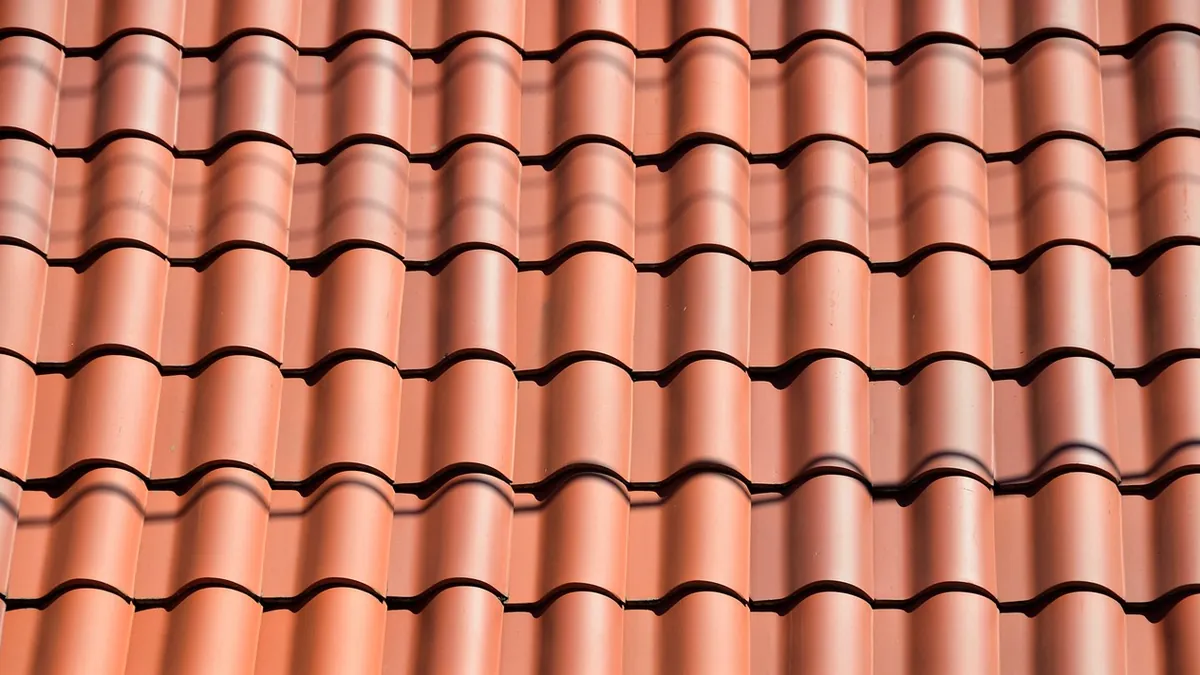
EPDM roofing, often called “rubber roofing,” is a common choice for low-slope and flat roofs on commercial and residential buildings. Its durability and flexibility make it a reliable weather barrier. However, even the most robust roofing systems can develop leaks. When they do, identifying the source and applying the correct repair method is crucial to prevent further damage. This article delves into the specifics of EPDM roof leak repair, focusing on common trouble spots like seams, punctures, and edge details.
Key Differences Between EPDM Roof Leak Repair and Rubber Roof Leak
The terms “EPDM roof leak repair” and “rubber roof leak” are often used interchangeably, but understanding the subtle distinctions can help clarify discussions and repair approaches.
EPDM (Ethylene Propylene Diene Monomer) is a specific type of synthetic rubber. When we talk about “EPDM roof leak repair,” we are referring to addressing breaches in this particular material. The repair methods, adhesives, and patches are formulated to be compatible with EPDM’s chemical composition. This specificity ensures a strong, lasting bond that can withstand the material’s expansion and contraction.
Conversely, “rubber roof leak” is a broader term. While it most often refers to EPDM, it could, in some contexts, encompass other rubber-like roofing materials such as TPO (Thermoplastic Polyolefin) or PVC (Polyvinyl Chloride). These materials, while sharing some characteristics with EPDM, have distinct chemical makeups that require different repair products and techniques. For example, TPO roofs are typically heat-welded at seams, a method not used for EPDM, which relies on adhesive tapes or liquid adhesives. Using an EPDM repair kit on a TPO roof would likely result in a failed repair because the chemical compatibility isn’t there.
The practical implication is that when diagnosing a leak, confirming the exact type of “rubber” roof is the first step. If it’s EPDM, then specialized EPDM repair products are the correct choice. If it’s another material, a different set of tools and materials will be necessary. For instance, an EPDM roof patch, designed for adhesion to EPDM, won’t properly bond to a TPO membrane. Misidentification can lead to repeated leaks and wasted effort.
Shared Benefits and Overlaps
Despite the material-specific differences in repair techniques, EPDM and other rubber roofing systems share several overarching benefits and commonalities when it comes to leak repair.
One significant overlap is the general approach to leak detection. Regardless of the specific rubber membrane, the process often involves visual inspection, water testing, and sometimes infrared thermography. Leaks in any flexible membrane roofing system tend to manifest in similar ways: water stains on ceilings, dripping, or saturated insulation.
Another shared benefit is the relative ease of repair compared to some other roofing materials. Unlike built-up roofs (BUR) or modified bitumen, where repairs can involve hot tar or open flames, EPDM and other rubber roofs typically use cold-applied adhesives, tapes, or heat welding (for TPO/PVC). This generally makes the repair process safer and often quicker for skilled professionals. A small puncture on an EPDM roof, for instance, can often be addressed with a simple patch kit, returning the roof to watertight integrity efficiently.
Furthermore, the materials themselves, whether EPDM, TPO, or PVC, are designed for longevity and flexibility. This means that a properly executed repair, using the correct materials and techniques, can restore the roof’s performance for many years. The patch or sealant, when applied correctly, becomes an integral part of the existing membrane, maintaining the roof’s overall weather resistance.
Consider a scenario where a tree branch punctures a roof. If the roof is EPDM, a specialized EPDM patch will be applied. If it’s TPO, a TPO patch, likely heat-welded, would be used. While the method of application differs, the goal and outcome are the same: a durable, waterproof repair that extends the life of the roof. The shared benefit is that flexible membrane roofs are generally repairable without requiring extensive re-roofing, offering a cost-effective solution for localized damage.
When EPDM Roof Leak Repair May Be a Better Fit
EPDM roof leak repair is specifically suited for roofs constructed with EPDM membranes. This might seem obvious, but understanding the nuances of why it’s a better fit for EPDM, compared to other materials or general “rubber roof” approaches, is key.
EPDM’s unique properties dictate its repair methodology. It’s a thermoset material, meaning it cures into a stable form and cannot be re-melted. This is in contrast to thermoplastic membranes like TPO and PVC, which can be softened and welded with heat. Because EPDM cannot be heat-welded, its repairs rely on specialized primers, adhesives, and tapes designed to create a chemical bond with the existing EPDM surface.
Specific scenarios where EPDM-specific repair is the better, if not only, fit:
- Existing EPDM Roof: This is the most straightforward case. If your roof is confirmed to be EPDM, then using EPDM-compatible repair materials is essential. Attempting to use TPO welding techniques or general-purpose sealants not approved for EPDM will result in a temporary or failed repair.
- Repairs to Seams: EPDM seams are typically adhered using contact adhesives or seam tapes. Over time, these seams can delaminate or lift due to thermal expansion and contraction, or improper initial installation. EPDM seam repair involves cleaning the area thoroughly, applying a primer, and then re-adhering with new seam tape or liquid EPDM adhesive specifically designed for these applications. General-purpose sealants often lack the elasticity and UV resistance needed for a durable seam repair on EPDM.
- Punctures and Tears: Small punctures from dropped tools, hail, or falling debris are common. An EPDM patch, typically a reinforced EPDM membrane with a factory-applied adhesive or applied with liquid adhesive, is the appropriate solution. These patches are engineered to flex with the existing membrane and resist UV degradation, ensuring a long-term seal.
- Flashing and Edge Details: EPDM flashing around penetrations (vents, pipes, skylights) and at roof edges requires specific EPDM flashing materials and adhesives. These materials are designed to conform to complex shapes and maintain adhesion despite movement. Using non-EPDM materials here could lead to premature failure due to incompatibility in flexibility or bonding.
For example, if a roofer identifies a small tear near a pipe penetration on an EPDM roof, they would clean the area, apply an EPDM primer, and then adhere an EPDM patch, often using a roller to ensure full contact. This specific process, using EPDM-formulated products, ensures the patch integrates seamlessly with the existing membrane, providing a durable, watertight seal that matches the flexibility and longevity of the original roof.
When Rubber Roof Leak May Be a Better Fit (Broader Context)
While “EPDM roof leak repair” refers to a specific material, the broader term “rubber roof leak” can apply to situations where the exact rubber material isn’t immediately known, or when discussing general principles applicable to any flexible membrane roof. This broader terminology becomes useful in certain contexts.
Scenarios where the general “rubber roof leak” perspective is more appropriate:
- Initial Leak Detection (Undetermined Material): When a building owner first discovers a leak on a flat roof, they might not know the specific membrane type. In this early stage, discussing “rubber roof leak” is appropriate because the initial steps—identifying water entry points, looking for obvious damage like tears or standing water—are universal across all flexible membrane roofs. Only after a professional inspection can the specific material (EPDM, TPO, PVC) be identified, leading to material-specific repair.
- General Maintenance Discussions: When advising on general maintenance practices for flat roofs, such as keeping gutters clear, inspecting for debris, or avoiding sharp objects, the advice applies to all “rubber roofs.” The principles of preventive care transcend the specific membrane chemistry.
- Comparative Discussions: When comparing the pros and cons of flexible membrane roofing systems against other types like metal or asphalt shingles, “rubber roof” serves as a useful umbrella term. For instance, discussing the inherent flexibility and UV resistance of “rubber roofs” as a category is valid, even if the specific repair methods differ between EPDM and TPO.
- DIY Scenarios (with Caution): For very minor, temporary fixes by a homeowner who isn’t sure of their roof type, a general-purpose, roofing-grade sealant or patch (often labeled for “multiple roof types” or “rubber roofs”) might be a temporary stopgap. However, this comes with a strong caveat: such repairs are rarely permanent and should always be followed up by a professional assessment and material-specific repair. A general “rubber roof patch” might stick for a short while, but it won’t have the long-term chemical bond and durability of a material-specific EPDM patch.
For example, a homeowner observing a leak on their flat roof might simply search for “rubber roof leak repair near me.” A contractor responding to this general query would first need to identify the specific membrane type (e.g., EPDM, TPO) before recommending or performing any specific repair. The initial search and inquiry fall under the broader “rubber roof leak” umbrella, even if the eventual solution is “EPDM roof leak repair.”
In essence, “rubber roof leak” is often a starting point for discussion or diagnosis, while “EPDM roof leak repair” is the precise, actionable solution once the specific roofing material has been confirmed.
How to Choose Based on Goals and Context
Choosing the right approach to EPDM roof leak repair, or any rubber roof leak, hinges on understanding the specific material, the nature of the damage, and your overall goals.
1. Identify the Roofing Material:
This is the most critical first step. As discussed, EPDM requires EPDM-specific products. TPO and PVC require different approaches, typically involving heat welding. Mismatched materials lead to failed repairs.
- How to identify: Look for labeling on the membrane itself (rarely present after installation), consult original building plans, or ask the installer. Absent those, an experienced roofing professional can usually identify the material by its look, feel, and the way it reacts to cleaning solvents or primers. EPDM is typically black, but can be white, and has a slightly chalky feel over time. TPO is usually white, gray, or tan, and feels smoother.
2. Assess the Nature and Extent of the Leak:
- Small Puncture/Tear: A minor, isolated puncture (e.g., from a dropped tool) on an EPDM roof can often be addressed with a simple EPDM patch kit. The goal here is a quick, durable, localized repair.
- Seam Failure: Delaminated seams require more meticulous work. The goal is to re-establish a continuous, watertight bond along the seam, often involving cleaning, priming, and re-taping or re-adhering with liquid EPDM.
- Flashing/Edge Detail Issues: Problems around penetrations, parapet walls, or scuppers often indicate issues with the specific flashing material or its adhesion. These areas are prone to movement and complex geometries. The goal is to ensure flexibility and watertightness in these high-stress areas.
- Widespread Deterioration/Multiple Leaks: If the EPDM membrane is brittle, cracked in multiple places, or showing widespread deterioration, individual patch repairs may only be temporary. In this scenario, the goal shifts from localized repair to potentially restoring the entire roof surface (e.g., with a liquid-applied EPDM coating) or even full roof replacement. Patching a failing roof is like putting a band-aid on a crumbling wall.
3. Consider Your Goals:
- Temporary Fix vs. Long-Term Solution: Are you trying to stop a leak immediately to prevent interior damage, or are you looking for a repair that will last for many years? For EPDM, a proper, material-specific repair is a long-term solution. A general-purpose sealant might offer a temporary fix, but it’s not a substitute for a correct EPDM repair.
- Cost-Effectiveness: Localized EPDM repairs are generally cost-effective. However, if the roof requires numerous repairs, or if the underlying insulation is saturated, the cost-effectiveness shifts towards more comprehensive solutions.
- DIY vs. Professional: While some very minor EPDM repairs can be attempted by a skilled DIYer with the right EPDM patch kit, complex seam repairs, flashing details, or large tears are best left to professionals. Incorrect application of primer or adhesive can lead to repair failure.
Decision Table: EPDM Leak Repair Scenarios
| Scenario | Material Identification | Repair Type | Recommended Approach | Key Consideration |
|---|---|---|---|---|
| Small Puncture on EPDM | Confirmed EPDM | Localized Patch | Clean, prime, apply EPDM patch. | Ensure thorough cleaning and adhesion. |
| Delaminated EPDM Seam | Confirmed EPDM | Seam Re-adhesion | Clean, re-prime, apply EPDM seam tape/adhesive. | Proper prep and full contact are vital. |
| Leaking EPDM Flashing Around Pipe | Confirmed EPDM | Flashing Repair | Clean, apply EPDM flashing material/caulk. | Flexibility and detail work. |
| Leak on Unidentified Rubber Roof | Unsure (could be EPDM, TPO, PVC) | Initial Inspection | Professional assessment to identify material. | Avoid incompatible materials. |
| Multiple Leaks/Widespread EPDM Cracks | Confirmed EPDM | Extensive Repair/Coating/Replace | Consider liquid EPDM coating or roof replacement. | Cost vs. longevity, underlying issues. |
| Temporary Stopgap (DIY) | Any Rubber Roof | General Purpose Sealant | Apply roofing sealant (temporary only). | Not a permanent fix; professional follow-up. |
Ultimately, for EPDM roof leak repair, the choice is usually clear: use EPDM-specific products and techniques. The “rubber roof leak” distinction is more about the initial stage of problem identification and understanding that different “rubber” materials require different solutions.
Frequently Asked Questions
What is EPDM roof leak repair?
EPDM roof leak repair involves identifying and fixing breaches in an Ethylene Propylene Diene Monomer (EPDM) synthetic rubber roofing membrane. This process typically uses specialized primers, adhesives, tapes, and patches that chemically bond with the EPDM material to restore the roof’s waterproofing integrity. Common repair targets include punctures, tears, delaminated seams, and compromised flashing around roof penetrations.
How does EPDM roof leak repair compare with alternatives?
EPDM roof leak repair is distinct from repairs for other flat roofing materials like TPO (Thermoplastic Polyolefin) or PVC (Polyvinyl Chloride), even though these are also sometimes broadly referred to as “rubber roofs.”
- EPDM vs. TPO/PVC: EPDM is a thermoset material and cannot be heat-welded. Its repairs rely on cold-applied adhesives and tapes that form a chemical bond. TPO and PVC are thermoplastics and are typically repaired by heat-welding new material to the existing membrane, creating a strong, monolithic bond. Using EPDM repair materials on TPO/PVC, or vice-versa, will result in a failed repair due to material incompatibility.
- EPDM vs. Built-Up Roof (BUR) / Modified Bitumen: BUR and modified bitumen roofs are typically multi-layered asphalt-based systems. Repairs often involve hot asphalt, torches (for modified bitumen), or cold-applied mastics and fabric reinforcement. EPDM repairs are generally cleaner and do not involve open flames, making them safer and often quicker for localized damage.
- EPDM vs. Liquid-Applied Systems: Liquid-applied roofing systems (e.g., acrylic, silicone, urethane) are coatings that form a seamless membrane. Repairs usually involve cleaning and reapplying the same liquid coating. While an EPDM roof can sometimes be coated with a liquid-applied system as a full restoration, specific leak repairs on the EPDM membrane itself are typically done with EPDM patches and adhesives.
In summary, EPDM repair is generally simpler and faster than traditional asphalt-based systems for localized leaks, but requires material-specific products, unlike the heat-welding methods used for TPO/PVC.
What are the most common mistakes people make with EPDM roof leak repair?
Several common mistakes can lead to failed EPDM roof leak repairs:
- Incorrect Material Identification: The most frequent error is assuming all “rubber roofs” are the same. Using TPO repair materials on EPDM, or vice-versa, will not create a lasting bond. Always confirm the roof material first.
- Inadequate Surface Preparation: EPDM surfaces must be thoroughly cleaned of dirt, dust, old adhesive residue, and chalking before applying primer or adhesive. Failure to clean properly prevents a strong bond. A common mistake is not using the correct EPDM primer/cleaner.
- Improper Primer Application: EPDM primers are crucial for preparing the surface to accept adhesives. Applying too little, too much, or not allowing sufficient flash-off time can compromise adhesion.
- Rushing the Repair: Adhesives and primers need specific cure times and temperatures to perform effectively. Rushing the process or repairing in unsuitable weather conditions (too cold, too wet, or extremely hot) can lead to premature failure.
- Not Locating the True Leak Source: Water can travel horizontally under a membrane before appearing inside a building. Patching a visible tear that isn’t the actual entry point will not stop the leak. Thorough leak detection is paramount.
- Using Non-EPDM Compatible Sealants: Applying silicone caulk or other general-purpose sealants not specifically formulated for EPDM will often lead to a short-lived repair that eventually delaminates due to incompatibility with EPDM’s expansion and contraction properties and UV exposure.
- Ignoring Underlying Issues: A single leak might be a symptom of a larger problem, such as saturated insulation, widespread membrane deterioration, or structural movement. Patching without addressing these underlying issues will only provide temporary relief.
Conclusion
Addressing leaks in an EPDM roof requires a clear understanding of the material’s properties and the specific repair techniques it demands. While the term “rubber roof leak” might serve as a general starting point, effective repair hinges on confirming it is indeed EPDM and then employing EPDM-specific cleaners, primers, adhesives, and patches. Whether tackling a simple puncture, a compromised seam, or a tricky edge detail, the success of the repair depends on meticulous surface preparation and the correct application of compatible materials. For building owners, recognizing these distinctions ensures that repairs are not just temporary fixes, but durable solutions that extend the life and integrity of their roofing system. When in doubt, consulting with a qualified roofing professional who specializes in EPDM systems remains the most reliable path to a lasting repair.
DIY safety disclaimer
Home Leak Fix publishes general DIY information for homeowners. Water intrusion can involve structural, electrical, height, mould, or insurance risks. Use proper safety equipment, follow local building rules, and call a qualified professional when a repair is unsafe, unclear, or beyond your experience.