When a patch of damp appears on an exterior wall after rain, it’s a clear signal that water is getting in where it shouldn’t. Pinpointing the exact cause can be challenging, as several issues can lead to a damp external wall. Often, the problem stems from defects in the building’s envelope, such as cracked render, faulty gutters, or issues related to ground water. Understanding the distinctions between these potential sources is the first step toward effective diagnosis and repair. This article explores the common culprits behind exterior wall damp after rain, helping you identify whether the issue is primarily due to penetrating damp from above, rising damp from below, or a combination of factors.
Key Differences Between Exterior Wall Damp After Rain and Penetrating Damp
The term “exterior wall damp after rain” broadly describes the symptom: a wall becoming wet following precipitation. “Penetrating damp,” on the other hand, refers to a specific mechanism where external water directly infiltrates the building fabric. While all instances of exterior wall damp after rain are a form of penetrating damp, not all penetrating damp manifests immediately after rain in a way that’s easily observed from the outside.
The key difference often lies in the source and pathway of the water. Exterior wall damp after rain focuses on the direct observable consequence of rainfall. Penetrating damp is the umbrella term for water ingress through walls, roofs, or floors from an external source. This external source could be anything from a leaking roof to a burst pipe in an external wall, or even water splashing up from the ground.
Consider a scenario where a diagonal damp streak appears on an external wall, originating near a window sill after heavy rain. This is a clear case of exterior wall damp after rain, and it is also penetrating damp. The water is actively penetrating the wall structure. If, however, an interior wall shows a damp patch that grows steadily over weeks, and there’s no clear link to recent rainfall, it could still be penetrating damp (e.g., from a slow leak in a pipe within the wall, or a persistent issue with a flat roof), but it wouldn’t fit the immediate “after rain” observation.
Practical Implications: When you see damp on an exterior wall after rain, it narrows down the potential causes significantly. You’re looking for defects that allow rainwater to enter. This immediately directs your inspection to external elements like roof integrity, guttering, downpipes, render condition, window and door seals, and external ground levels. If the damp appears without direct correlation to recent rainfall, the investigation might need to consider other less obvious external sources or even internal plumbing issues.
| Feature | Exterior Wall Damp After Rain | Penetrating Damp (Broader Term) |
|---|---|---|
| Observation | Directly observed after rainfall, often visible externally. | Can be observed at any time, often visible internally first. |
| Primary Trigger | Active rainfall; often intensifies with heavy or prolonged rain. | Any external water source (rain, leaks, ground water, etc.). |
| Focus | Symptom: wall becoming wet externally due to rain. | Mechanism: water ingress through the building fabric. |
| Typical Causes | Defective gutters, cracked render, faulty flashing, porous bricks, high ground levels, damaged pointing. | All causes of “Exterior Wall Damp After Rain,” plus: internal pipe leaks in external walls, leaking roofs (even if not visible externally), rising damp (a specific type of penetrating damp). |
| Urgency | Often requires relatively quick action to prevent further damage. | Urgency varies; can be slow, chronic, or acute. |
Shared Benefits and Overlaps
Both “exterior wall damp after rain” and the broader concept of “penetrating damp” share significant overlaps in their underlying physics and potential consequences. Both involve unwanted water ingress into a building’s structure, leading to a range of similar problems if left unaddressed.
The primary shared benefit of understanding these concepts is the ability to diagnose and mitigate moisture-related damage to a property. Whether the damp is immediately apparent after rain or a more insidious form of penetrating damp, the goals are the same: identify the source, stop the ingress, and repair any damage.
Overlaps in Causes and Effects:
- Degradation of Building Materials: Water ingress, regardless of its immediate trigger, can lead to the deterioration of building materials. Timber can rot, plaster can crumble, and brickwork can suffer from freeze-thaw damage.
- Mould and Mildew Growth: Damp conditions create an ideal environment for mould and mildew, which can pose health risks to occupants and cause unpleasant odours.
- Reduced Thermal Performance: Wet insulation loses its effectiveness, leading to higher heating costs. A damp wall conducts heat more readily than a dry one.
- Structural Concerns: In severe or prolonged cases, water ingress can compromise the structural integrity of a building, especially if it leads to timber rot in structural elements.
- Aesthetic Damage: Stains, efflorescence (salt deposits), and peeling paint are common visual indicators of both types of damp.
For example, a cracked render allows rainwater to penetrate the wall (exterior wall damp after rain). This is a direct form of penetrating damp. The consequences—rotting laths behind the render, damp internal plaster, and potential mould—are identical to those caused by penetrating damp from a leaking downpipe (another form of exterior wall damp after rain). The distinction often lies in the immediacy of the observation and the direct link to a rainfall event, but the damage mechanisms are very similar.
The tools and techniques for investigating both types of damp also overlap significantly. Moisture meters, thermal imaging cameras, and visual inspections are crucial for tracing the path of moisture, irrespective of whether it’s an immediate post-rain phenomenon or a more chronic ingress.
When Exterior Wall Damp After Rain May Be a Better Fit
Focusing specifically on “exterior wall damp after rain” is particularly useful when the link between rainfall and the appearance of damp is direct and observable. This specific framing helps in scenarios where the problem is episodic and directly tied to weather events.
Scenarios where “Exterior Wall Damp After Rain” is a more fitting description and diagnostic approach:
- Intermittent Damp Patches: If damp patches on an external wall or corresponding internal areas only appear or worsen after heavy or prolonged rainfall, and then dry out to some extent during dry spells, this term precisely describes the observed pattern. This direct correlation is a strong indicator of a defect in the external envelope that is being overwhelmed by significant water exposure.
- Visible External Defects: When an inspection during or immediately after rain clearly shows water running incorrectly, pooling, or entering through a specific visible defect like a crack in the render, a displaced roof tile, or an overflowing gutter. The “after rain” aspect helps to isolate the problem to active water management systems.
- High-Level Water Sources: Issues originating from the roofline, chimney stacks, or upper wall sections are often best identified “after rain.” Examples include:
- Blocked or Damaged Gutters/Downpipes: Overflowing gutters can saturate walls below.
- Defective Flashings: Around chimneys, dormers, or parapet walls, allowing water to penetrate.
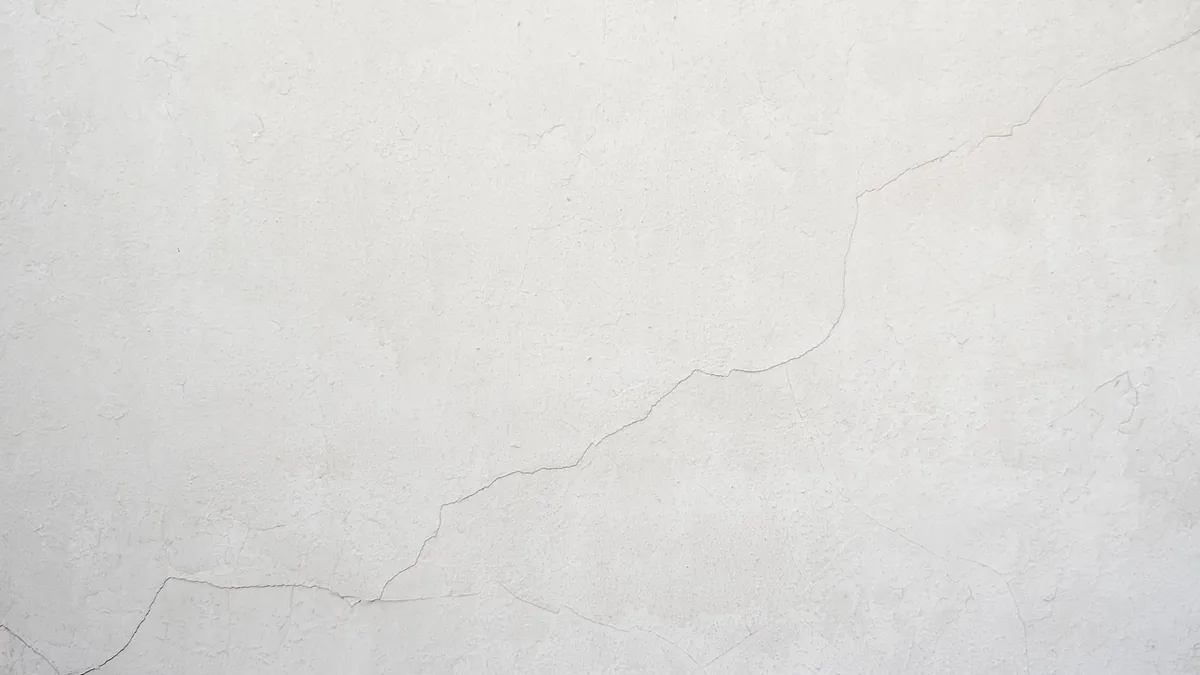
- Cracked or Porous Render/Pointing: Rainwater can soak directly into the wall fabric.
- Leaking Window/Door Seals: Water bypassing the frame and entering the wall cavity.
- Rapid Onset of Symptoms: If a new damp patch appears relatively quickly following a storm, the “after rain” descriptor highlights the acute nature of the problem, prompting an immediate external inspection.
Example: Imagine you notice a dark, wet patch on your brick wall directly below a section of guttering only after a heavy downpour. During dry weather, the wall appears perfectly normal. This is a classic case of exterior wall damp after rain. Your immediate investigation should focus on that specific section of guttering – is it blocked, cracked, or improperly sloped? The “after rain” observation points directly to a defect in the rainwater disposal system. The term guides your initial investigation to active external water sources.
This specific focus helps avoid misdiagnosis as rising damp (which is typically constant) or internal plumbing leaks (which usually aren’t weather-dependent).
When Penetrating Damp May Be a Better Fit
While “exterior wall damp after rain” is a subset of “penetrating damp,” sometimes the broader term is more appropriate. This is particularly true when the water ingress isn’t directly or immediately linked to a rainfall event, or when the source is less obvious.
Scenarios where “Penetrating Damp” is a more fitting description and diagnostic approach:
- Persistent Damp, Regardless of Rain: If damp patches are consistently present, even after long dry spells, and don’t seem to fluctuate significantly with recent rainfall, the issue might be a chronic form of penetrating damp. This could indicate a slow, continuous leak or a problem where water is retained within the wall structure.
- Internal Damp Without Clear External Signs: When damp manifests primarily on internal walls, and external observation doesn’t immediately reveal an obvious point of entry (like a cracked render or overflowing gutter), “penetrating damp” allows for a broader investigation. The water might be entering through a less visible defect, or tracking horizontally within the wall cavity.
- Rising Damp: This is a specific type of penetrating damp where groundwater rises through capillary action from the ground into the walls, typically affecting the lower sections of walls. While heavy rain can exacerbate it by raising the water table, the primary mechanism isn’t direct rainfall penetration but ground moisture. “Penetrating damp” encompasses rising damp, while “exterior wall damp after rain” typically does not, as the water isn’t falling onto the wall.
- Below-Ground Issues: If damp is observed in basements or at the base of walls where external ground levels are consistently high or poorly drained, allowing water to saturate the foundations or lower wall sections. This is penetrating damp, but not necessarily a direct “after rain” phenomenon in the sense of water running down the wall.
- Slow Leaks or Hidden Defects: A small, persistent leak from a pipe within an external wall, or a subtle defect in a flat roof that allows water to pool and slowly seep, might not show an immediate “after rain” effect but would still be classified as penetrating damp.
- Complex or Multiple Sources: When there are several contributing factors, or the water path is convoluted, the general term “penetrating damp” provides a more flexible framework for investigation without prematurely narrowing the focus to immediate rainfall effects.
Example: You notice a band of damp along the bottom of an internal ground floor wall, which seems constant regardless of the weather. There are no obvious cracks in the external render at that level, nor are there any signs of overflowing gutters. This scenario strongly suggests rising damp, a form of penetrating damp. While heavy rain might make it worse by saturating the ground, the primary mechanism is capillary action from the soil, not direct rain hitting the wall. Here, “penetrating damp” is the more accurate diagnostic term, guiding you to investigate the damp proof course (DPC) and external ground levels.
How to Choose Based on Goals and Context
Choosing the right diagnostic approach depends heavily on the specific observations and the ultimate goal: accurate identification and effective resolution of the damp problem. Neither term is inherently “better” than the other; rather, they serve different purposes in the diagnostic process.
Consider these factors when choosing your approach:
Observe the Pattern:
- Is it episodic and directly linked to rainfall? If damp appears or worsens immediately after rain and then dries out, focus on “exterior wall damp after rain.” This points to direct external defects that are exposed to precipitation. Your goal is to pinpoint the exact entry point related to active rainwater.
- Is it persistent, regardless of recent rain? If the damp is constant or fluctuates only slightly with weather, or appears in areas not directly exposed to falling rain (e.g., lower wall sections, basements), then “penetrating damp” is the broader, more appropriate term. Your goal is to identify any external water source, including ground water or hidden leaks.
Location of Damp:
- Upper sections of walls, around windows, or near rooflines? This strongly suggests “exterior wall damp after rain” from sources like defective gutters, roof leaks, or render cracks.
- Lower sections of ground floor walls, especially near the ground level? This points more towards “penetrating damp,” specifically rising damp or issues with external ground levels.
- Basements or below-ground areas? Almost always “penetrating damp” related to hydrostatic pressure or drainage issues.
Visible External Defects:
- Are there obvious cracks, gaps, or overflowing gutters? If so, prioritize “exterior wall damp after rain” investigation. These are usually direct entry points for rainwater.
- Is the exterior seemingly intact, yet damp persists internally? This requires a broader “penetrating damp” investigation, looking for less obvious issues like porous brickwork, damaged cavity trays, or hidden leaks.
Urgency and Severity:
- Sudden onset after a storm? Treat as “exterior wall damp after rain” for immediate mitigation of active water ingress.
- Slow, chronic damp? A “penetrating damp” investigation might be more involved, potentially requiring professional assessment to trace latent issues.
Decision Table: Choosing Your Diagnostic Focus
| Observation/Context | Primary Focus | Likely Causes | Initial Action |
|---|---|---|---|
| Damp appears/worsens only after rain. | Exterior Wall Damp After Rain | Cracked render/pointing, faulty gutters/downpipes, defective flashing, leaky window/door seals, porous materials. | Inspect external envelope during/immediately after rain for visible water entry. |
| Damp is persistent, regardless of rain. | Penetrating Damp (general) | Rising damp, high external ground levels, slow pipe leaks, hidden structural defects, damaged DPC. | Broad investigation, consider professional damp survey, check DPC. |
| Damp localized to upper walls/roofline. | Exterior Wall Damp After Rain | Roof leaks, chimney issues, defective parapet walls, high-level render defects. | Inspect roof, chimney, and upper wall sections. |
| Damp localized to lower walls/ground level. | Penetrating Damp (rising/ground) | Rising damp, high external ground levels, poor drainage, damaged DPC. | Check DPC, external ground levels, drainage around property. |
| Obvious external defect visible. | Exterior Wall Damp After Rain | Crack in render/brick, overflowing gutter, broken pipe. | Repair visible defect immediately. |
| No obvious external defect, but internal damp. | Penetrating Damp (hidden) | Porous materials, cavity wall issues, hidden pipe leaks, subtle roof defects. | Deeper investigation, possibly thermal imaging, moisture mapping. |
Ultimately, both terms describe the presence of unwanted water. The “after rain” qualifier simply adds a crucial piece of diagnostic information that can significantly narrow down the potential sources and expedite the repair process. If that immediate link to rainfall isn’t present, then the broader “penetrating damp” framework encourages a more comprehensive search for the source.
Frequently Asked Questions
What is exterior wall damp after rain?
Exterior wall damp after rain refers to the phenomenon where an external wall, or the internal wall surface behind it, becomes visibly wet or damp specifically following a period of rainfall. This indicates that rainwater is successfully breaching the building’s external protective layer and entering the wall structure. It’s a direct consequence of a fault in the external envelope, such as cracked render, faulty gutters, or compromised seals, that only becomes apparent when subjected to active precipitation.
How does exterior wall damp after rain compare with alternatives?
Exterior wall damp after rain is a specific type of penetrating damp. The key difference is its direct, observable correlation with rainfall. Other forms of damp include:
- Rising Damp: Water drawn up from the ground into walls by capillary action. It’s usually constant, affecting lower wall sections, and does not directly depend on rainfall, though heavy rain can raise the water table and exacerbate it. It’s a form of penetrating damp, but not “after rain” in the direct sense.
- Condensation: Occurs when warm, moist air cools on cold surfaces, leading to water droplets. This is an internal issue, not directly related to external water ingress after rain, though damp walls can make condensation worse.
- Internal Plumbing Leaks: Water ingress from faulty pipes within the building. These are typically constant and not linked to external weather.
Compared to these, “exterior wall damp after rain” immediately points to a defect in the external building fabric that is failing to keep rainwater out.
What are the most common mistakes people make with exterior wall damp after rain?
- Ignoring it or delaying action: Damp, even if seemingly minor, can lead to significant structural damage, mould growth, and health issues if left unaddressed.
- Misdiagnosing the cause: Assuming it’s rising damp when it’s actually a leaky gutter, or vice-versa, leads to ineffective and costly repairs. The “after rain” observation is a critical clue that shouldn’t be overlooked.
- Patching without addressing the source: Painting over damp patches or making superficial repairs without fixing the underlying water ingress point will only provide a temporary cosmetic fix, and the damp will inevitably return.
- Not inspecting during rainfall: The best time to identify the exact source of a rainwater leak is often during active rainfall, when water pathways are visible.
- Overlooking subtle clues: Small cracks, slightly dislodged roof tiles, or minor blockages in downpipes can all lead to significant damp problems over time. A thorough inspection is crucial.
- Neglecting external drainage: Poor ground drainage, high external ground levels, or overflowing planters near the wall can direct water towards the building, mimicking penetrating damp from above.
Conclusion
Understanding the difference between general penetrating damp and the more specific “exterior wall damp after rain” is crucial for accurate diagnosis and effective remediation. When damp appears directly after rainfall, it provides a powerful clue, narrowing the focus to external defects that are actively failing to shed water. This immediate link points towards issues like cracked render, faulty gutters, or compromised flashing. In contrast, persistent damp, or damp in areas less exposed to direct rain, might indicate broader penetrating damp issues such as rising damp or hidden structural defects. The ultimate goal is to identify the precise source of water ingress, whether it’s an intermittent rain-driven leak or a chronic moisture problem, to prevent further damage and maintain the integrity of the building.
DIY safety disclaimer
Home Leak Fix publishes general DIY information for homeowners. Water intrusion can involve structural, electrical, height, mould, or insurance risks. Use proper safety equipment, follow local building rules, and call a qualified professional when a repair is unsafe, unclear, or beyond your experience.