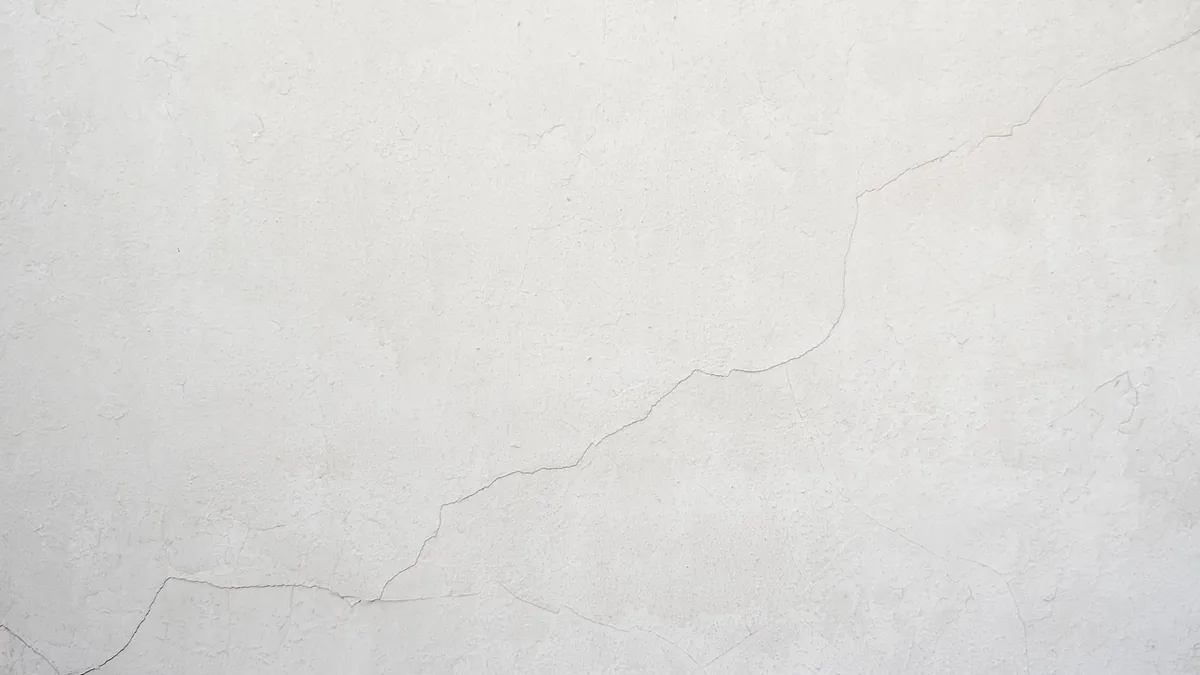
A crack in your foundation that’s letting in water is more than just a nuisance; it’s a clear indicator that something needs attention. Water intrusion through foundation cracks can lead to a host of problems, from mold growth and structural damage to decreased indoor air quality and compromised property value. Understanding the nature of these leaks, their potential causes, and the available repair options is crucial for any homeowner facing this issue. This guide will explore the common types of foundation cracks, the warning signs that accompany them, and the various strategies for effective repair, helping you make informed decisions about protecting your home.
Key Differences Between Foundation Crack Leaking Water and Basement Wall Crack Repair
While often used interchangeably, the terms “foundation crack leaking water” and “basement wall crack repair” highlight slightly different aspects of a common problem. Understanding this distinction can help clarify the scope of the issue and the appropriate response.
“Foundation crack leaking water” specifically emphasizes the symptom – water actively entering through a breach in the foundation. This phrasing immediately brings the problem to the forefront: a leak. It focuses on the visible evidence of water intrusion and the urgent need to stop it. The crack itself might be hairline or wide, vertical or horizontal, but the key element is the presence of water. This scenario often implies a direct pathway for exterior moisture to enter the interior space. The focus here is on identifying the source of the leak and implementing a repair that effectively seals it against further water entry.
“Basement wall crack repair,” however, is a broader term for fixing cracks in basement walls, whether they are actively leaking or not. While many basement wall cracks do leak, some remain dry or only indicate past movement. This term covers a wider range of crack types and potential repair methods, including preventative or cosmetic fixes when no water is present. Such repairs might involve sealing, structural reinforcement, or even addressing the underlying soil issues that caused the crack.
Consider a hairline crack in a basement wall. If it’s bone dry, it falls under “basement wall crack repair” for assessment and potential sealing to prevent future leaks. If, however, that same hairline crack has a steady drip of water, it becomes a “foundation crack leaking water” scenario, demanding immediate attention to both the crack and the water issue. The practical implication is that a leaking crack usually requires a more robust and water-tight repair solution, often involving materials designed to expand or cure in the presence of water, whereas a dry crack might be addressed with simpler sealing compounds.
The trade-off lies in the perceived urgency and the complexity of the solution. A leaking crack often necessitates a more immediate and comprehensive approach, potentially involving external excavation or interior injection systems designed to block water. A dry crack might allow for more flexible timing and less invasive repair options. Edge cases include cracks that leak only during heavy rain, or cracks that appear to be dry but show signs of efflorescence (mineral deposits left by evaporating water), indicating intermittent leakage. In these scenarios, treating it as a “foundation crack leaking water” problem from the outset is generally the safer and more thorough approach.
Shared Benefits and Overlaps
Despite their nuanced differences, both “foundation crack leaking water” and “basement wall crack repair” share fundamental benefits and often overlap in their ultimate goals. The primary shared benefit is the protection of the home’s structural integrity. Any crack in a foundation or basement wall, especially one allowing water entry, can compromise the structural soundness of the building over time. Water can erode soil supporting the foundation, lead to freeze-thaw cycles that widen cracks, and weaken concrete or masonry. Addressing these cracks, whether actively leaking or not, helps maintain the stability and longevity of the entire structure.
Another significant shared benefit is moisture control and prevention of secondary damage. Water entering a basement or crawl space can lead to a cascade of problems. Mold and mildew thrive in damp environments, posing health risks and causing unpleasant odors. Water can damage stored items, finished basements, and even electrical systems. Repairing these cracks, particularly those that are leaking, directly mitigates these risks by stopping the source of moisture. Even a dry crack, if left unaddressed, could eventually become a pathway for water, making preventative repair a valuable strategy for moisture control.
Consider the scenario of a finished basement. A leaking concrete crack in a foundation wall not only damages the wall itself but can also ruin drywall, flooring, and insulation. The repair, whether categorized as stopping “foundation crack leaking water” or a general “basement wall crack repair,” aims to prevent this damage and restore the usability of the space. Similarly, both approaches contribute to maintaining or increasing property value. A home with a history of water intrusion or visible foundation cracks can deter potential buyers and significantly reduce market value. Proactive repair demonstrates responsible homeownership and preserves the aesthetic and functional appeal of the property.
The overlap often occurs in the diagnostic phase. When a homeowner notices a crack, the first step is typically to determine if water is involved, either currently or historically. This assessment helps pinpoint the most appropriate repair method. Many repair techniques, such as epoxy or polyurethane injections, are effective for both sealing active leaks and reinforcing cracks, making them versatile solutions that bridge both concepts. The ultimate goal, in both cases, is to create a durable, watertight barrier that restores the integrity of the foundation or basement wall and protects the interior environment.
When Foundation Crack Leaking Water May Be a Better Fit
Focusing specifically on “foundation crack leaking water” as the primary concern is appropriate when the presence of water is undeniable and ongoing. This framework is particularly relevant in situations demanding immediate attention and specialized solutions designed for active water management.
One clear scenario is active water intrusion during or after rain. If you observe water actively dripping, flowing, or even leaving a damp trail from a crack in your foundation wall during or shortly after precipitation, the focus must shift directly to stopping that leak. In such cases, simply filling the crack with a generic sealant might not suffice, especially if hydrostatic pressure (water pushing against the foundation from the outside) is a factor. Repair strategies for active leaks often involve materials that can cure in the presence of water, such as hydrophilic polyurethane injections. These materials react with water to expand and create a flexible, watertight seal, effectively blocking the flow.
Another instance where “foundation crack leaking water” is the better fit involves persistent dampness, efflorescence, or mold growth directly associated with a crack. Even if you don’t see a steady stream of water, these signs indicate that water is intermittently entering through the crack and evaporating, leaving behind mineral deposits (efflorescence) or feeding mold colonies. This situation points to a chronic moisture problem that needs to be addressed as a leak, even if it’s not always visible. Ignoring these subtle signs can lead to long-term health issues and structural degradation.
Consider a scenario where a homeowner has a finished basement, and they notice a musty smell and a slight discoloration on the drywall near the floor. Upon investigation, they find a vertical crack behind the drywall with efflorescence. In this case, the problem is squarely “foundation crack leaking water,” even if the actual water flow is intermittent. The repair would need to address not just the crack but also the waterproofing aspect to prevent future moisture intrusion.
If a foundation crack is below grade and exposed to exterior soil moisture, it’s wise to treat it as a leaking crack. Even if it appears dry now, there’s a high potential for water to enter later from saturated soil. In such cases, repair methods like robust external waterproof barriers or internal injection systems designed for below-grade use are often appropriate. This proactive approach can prevent future problems and damage. The priority should be solutions proven to effectively manage and block water, rather than just cosmetic crack repairs.
When Basement Wall Crack Repair May Be a Better Fit
While addressing leaking cracks is paramount, there are specific situations where a broader “basement wall crack repair” approach, not necessarily focused on active water, is more appropriate. This often pertains to cracks that are dry, stable, or primarily indicate past movement rather than ongoing water problems.
One primary instance is dry, hairline cracks that show no signs of current or past water intrusion. These cracks might be a result of concrete shrinkage during curing, minor thermal expansion and contraction, or slight settlement of the foundation. If there’s no efflorescence, dampness, or mold associated with the crack, and it hasn’t changed in size over time, the repair might focus on sealing it to prevent future issues and improve aesthetics. Simple epoxy or cementitious patches can often suffice for these types of cracks, offering a preventative measure without the need for complex water-stopping injections. The goal here is often reinforcement and future protection more than immediate leak cessation.
Another scenario involves cracks that are purely cosmetic or appear in non-load-bearing elements of the basement wall. For example, a crack in a parge coat (a thin layer of cement applied over masonry) or a superficial crack that doesn’t extend through the entire wall thickness. While these still warrant repair to maintain the integrity of the surface and prevent deterioration, they typically don’t pose an immediate threat of water leakage or structural failure. The repair might involve grinding out the crack and filling it with a suitable patching compound, followed by a new surface finish.
Consider a homeowner inspecting their unfinished basement and noticing several vertical hairline cracks that are completely dry. They’ve lived in the home for years and have never seen water in the basement. These would fall under “basement wall crack repair.” The repair might involve injecting a low-viscosity epoxy to bond the concrete back together, adding strength and preventing them from widening, but without the specific consideration for active water management that a leaking crack would demand.
If a crack is part of a larger structural issue that needs more than just sealing, “basement wall crack repair” can involve more comprehensive solutions. For instance, a wide, diagonal, or horizontal crack often signals significant foundation movement, requiring repairs like carbon fiber straps, steel I-beams, or underpinning, in addition to sealing the crack itself. In these situations, stopping a leak is secondary to addressing the underlying structural instability. The crack repair then becomes one part of a broader structural stabilization effort, where water management is a consideration but not the primary driver for the repair choice.
How to Choose Based on Goals and Context
Selecting the right approach for a foundation crack—whether primarily focused on stopping a leak or a broader wall repair—depends heavily on your specific goals, the nature of the crack, and your home’s context. A methodical assessment can guide you toward the most effective solution.
1. Identify the Primary Goal:
- Stop Active Water: If your primary goal is to immediately stop water from entering your basement, then solutions tailored for “foundation crack leaking water” are essential. This means prioritizing methods like polyurethane injection that react with water to form a seal, or external excavation and waterproofing.
- Prevent Future Water: If the crack is currently dry but you want to prevent future leaks, a “basement wall crack repair” focused on sealing and reinforcement is appropriate. Epoxy injections or surface sealants might be considered.
- Address Structural Integrity: If the crack indicates potential structural movement (wide, horizontal, or stair-step cracks), your goal extends beyond just sealing. You’ll need to consider structural reinforcement in addition to waterproofing.
- Improve Aesthetics: For minor, non-leaking cracks in finished areas, cosmetic repair might be a primary goal, though underlying issues should always be checked.
2. Assess the Crack’s Characteristics:
- Is it Wet or Dry? This is the most crucial distinction. Active leaks demand immediate, water-resistant solutions. Dry cracks allow for more flexibility.
- What is the Crack’s Orientation? Vertical cracks are often due to concrete shrinkage or minor settlement and are generally less structurally concerning than horizontal or stair-step cracks, which can indicate more significant pressure or settlement.
- What is the Crack’s Width and Depth? Hairline cracks (<1/8 inch) are usually less severe than wider cracks. Cracks that extend through the entire wall thickness require more robust solutions.
- Is it Stable or Widening? Monitor the crack over time. If it’s growing, it indicates ongoing movement that needs to be addressed structurally.
3. Consider the External Environment:
- Soil Conditions: Is your home built on expansive clay soils? Is there poor drainage around the foundation? These factors increase hydrostatic pressure and the likelihood of water intrusion, making robust waterproofing critical.
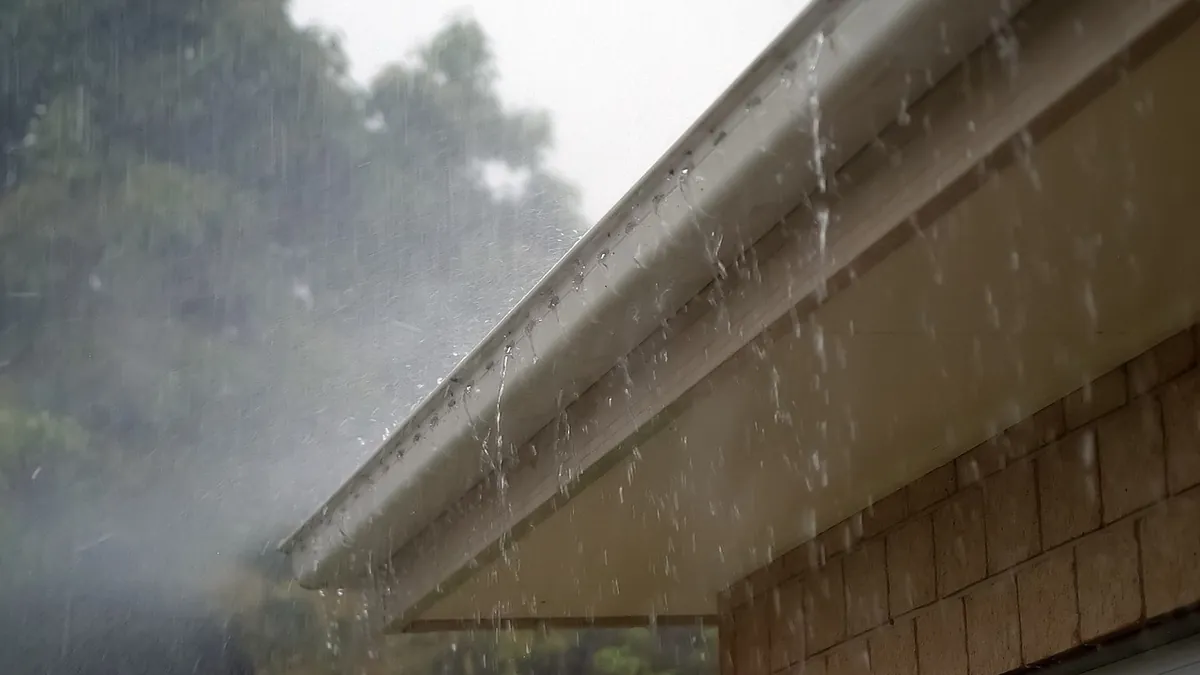
- Water Management: Do your gutters discharge water close to the foundation? Is the ground sloped towards your house? Addressing exterior drainage issues is often a prerequisite for effective crack repair.
4. Evaluate Your Budget and Long-Term Plans:
- Budget: Simple surface repairs are less costly than injection methods or external excavation. However, skimping on a leaking crack can lead to more expensive problems down the line.
- Finished vs. Unfinished Basement: Repair in a finished basement might involve removing drywall, adding to the overall cost and complexity.
- Home Value: Investing in comprehensive repairs, especially for leaking cracks, can protect your home’s value.
The following table provides a comparative overview to aid in your decision-making:
| Factor | Foundation Crack Leaking Water (Primary Focus) | Basement Wall Crack Repair (Broader Focus) |
|---|---|---|
| Primary Issue | Active water intrusion, dampness, efflorescence | Dry crack, cosmetic, potential structural |
| Urgency | High (potential for immediate damage) | Moderate to low (preventative, long-term) |
| Typical Cracks | Vertical, horizontal, or diagonal with water | Hairline, shrinkage, minor settlement |
| Key Solutions | Hydrophilic polyurethane injection, exterior excavation/waterproofing, French drains | Epoxy injection (structural), cementitious patching, carbon fiber straps, steel I-beams |
| Material Needs | Water-reactive, flexible, strong adhesion | Strong bonding, reinforcement, aesthetic |
| Cost Range | Higher (specialized materials, labor for water management) | Lower to moderate (can escalate for structural issues) |
| Long-Term Goal | Watertight seal, moisture control | Structural integrity, aesthetic, future leak prevention |
Ultimately, for any crack that shows signs of moisture, treating it as a “foundation crack leaking water” issue is the most prudent course of action. If the crack is genuinely dry and stable, a more general “basement wall crack repair” approach can be considered, but always with an eye toward preventing future water problems. When in doubt, consulting a qualified foundation repair specialist is the best way to get an accurate diagnosis and recommended solution.
Frequently Asked Questions
What is foundation crack leaking water?
When a home’s foundation or basement wall has a crack that allows outside moisture to enter the interior, this is known as a foundation crack leaking water. This can appear as active drips, steady streams, damp spots on walls or floors, efflorescence (white mineral deposits), or mold and mildew. It’s a critical issue because it signals a breach in the foundation’s integrity, potentially leading to significant water damage, structural problems, and poor indoor air quality. Water usually enters due to hydrostatic pressure from saturated soil outside the foundation, or from direct exposure to rain and melting snow.
How does foundation crack leaking water compare with alternatives?
The primary “alternative” to addressing foundation crack leaking water is often doing nothing, or attempting a superficial, inappropriate repair. Compared to these, a proper repair for a leaking foundation crack offers several key advantages:
- Doing Nothing: While seemingly cost-free in the short term, ignoring a leaking foundation crack almost invariably leads to escalating problems. Water damage to finishes, personal belongings, and electrical systems can be extensive. Mold growth is a significant health concern. Freeze-thaw cycles can widen cracks, leading to more severe structural damage. Ultimately, the cost of remediation will far exceed the cost of an initial repair.
- Superficial Patching (e.g., caulk, hydraulic cement applied to the surface): These methods are often temporary fixes at best. Caulk is not designed for hydrostatic pressure and will eventually fail. Hydraulic cement applied only to the interior surface may stop the visible leak but doesn’t address the underlying issue of water pressure or the crack extending through the wall. Water can still enter the wall cavity, potentially causing internal damage or simply finding another path. A proper repair, like polyurethane injection, seals the crack through its entire thickness and provides a flexible, long-lasting barrier against water.
- Exterior Waterproofing (as an alternative to interior crack repair): This is often a more comprehensive solution for widespread water issues or deeply structural problems. It involves excavating the soil around the foundation, repairing cracks from the outside, applying a waterproof membrane, and often installing a drainage system (like a French drain). While highly effective, it’s significantly more invasive and expensive than interior crack injection for isolated leaks. Interior crack injection is a more targeted and less disruptive alternative for specific leaking cracks.
What are the most common mistakes people make with foundation crack leaking water?
People often make several common mistakes when dealing with foundation cracks that are leaking:
- Ignoring the Problem: This is perhaps the biggest mistake. Homeowners might hope the problem will go away, or they underestimate the potential damage. Leaking cracks rarely fix themselves and almost always worsen over time, leading to more costly repairs down the line.
- Delaying Repair: Even if acknowledged, putting off repairs allows water to continue entering, causing progressive damage to the foundation, interior space, and potentially fostering mold growth.
- Using Inappropriate DIY Solutions: Attempting to seal a leaking crack with standard caulk, spray foam, or even just hydraulic cement applied to the surface is often ineffective for long-term water control. These materials may not bond effectively with wet concrete, lack the necessary flexibility, or fail to address the full depth of the crack and the hydrostatic pressure behind it.
- Not Addressing Exterior Drainage: A crack might be repaired, but if the underlying cause of water accumulation (e.g., clogged gutters, improper downspout discharge, negative grading around the house) isn’t fixed, water will continue to put pressure on the foundation, potentially causing new cracks or stressing the repair.
- Misdiagnosing the Crack Type: Not all cracks are the same. A hairline shrinkage crack in a non-structural area requires a different approach than a horizontal crack indicating significant structural movement. Misdiagnosing can lead to an ineffective repair or, worse, masking a more severe structural issue.
- Failing to Consult Professionals: While some minor, dry cracks might be suitable for DIY, active leaks or significant cracks warrant professional assessment. Foundation repair specialists can accurately diagnose the cause, recommend the most effective repair method, and ensure the work is done correctly and durably.
Conclusion
Understanding foundation cracks, especially those that are actively leaking water, is a critical aspect of home maintenance. The distinction between a general basement wall crack repair and addressing an actively leaking foundation crack lies in the urgency and the specialized solutions required to manage water intrusion. While all cracks warrant attention, a leak demands immediate, water-resistant strategies to protect your home from structural compromise, mold, and extensive water damage. By carefully assessing the nature of the crack, considering the external environment, and aligning repair choices with your long-term goals, you can make informed decisions. When faced with a leaking concrete crack, prioritizing professional evaluation and robust repair methods is the most reliable path to safeguarding your home’s integrity and value.
DIY safety disclaimer
Home Leak Fix publishes general DIY information for homeowners. Water intrusion can involve structural, electrical, height, mould, or insurance risks. Use proper safety equipment, follow local building rules, and call a qualified professional when a repair is unsafe, unclear, or beyond your experience.