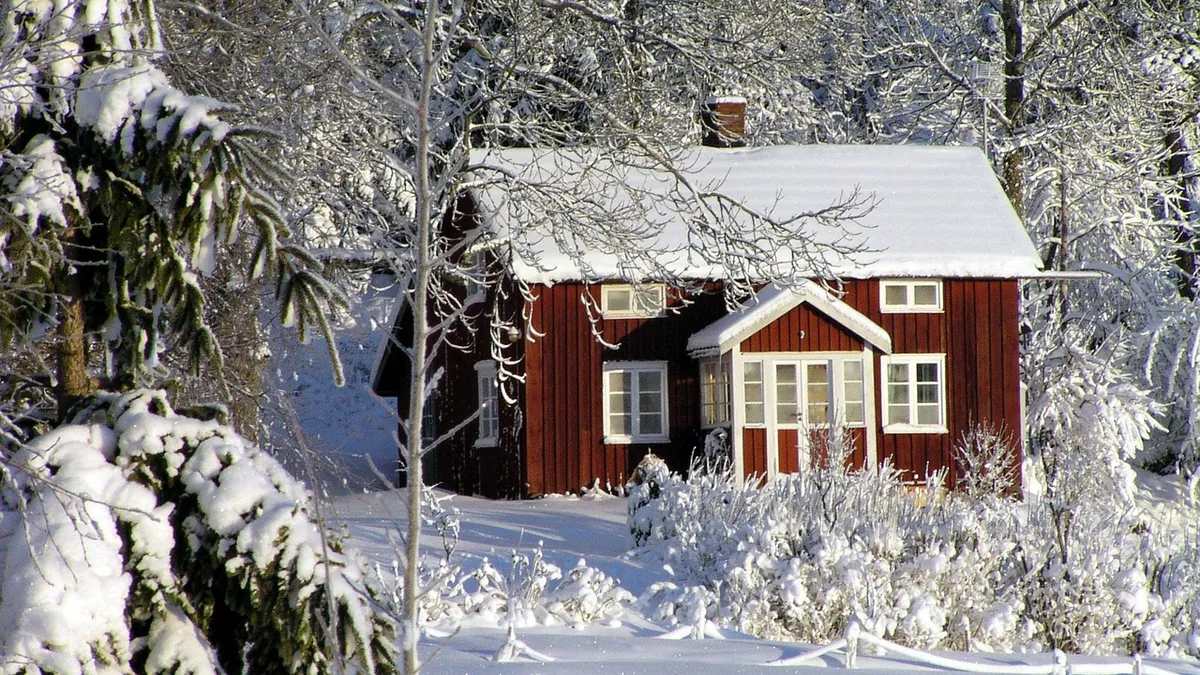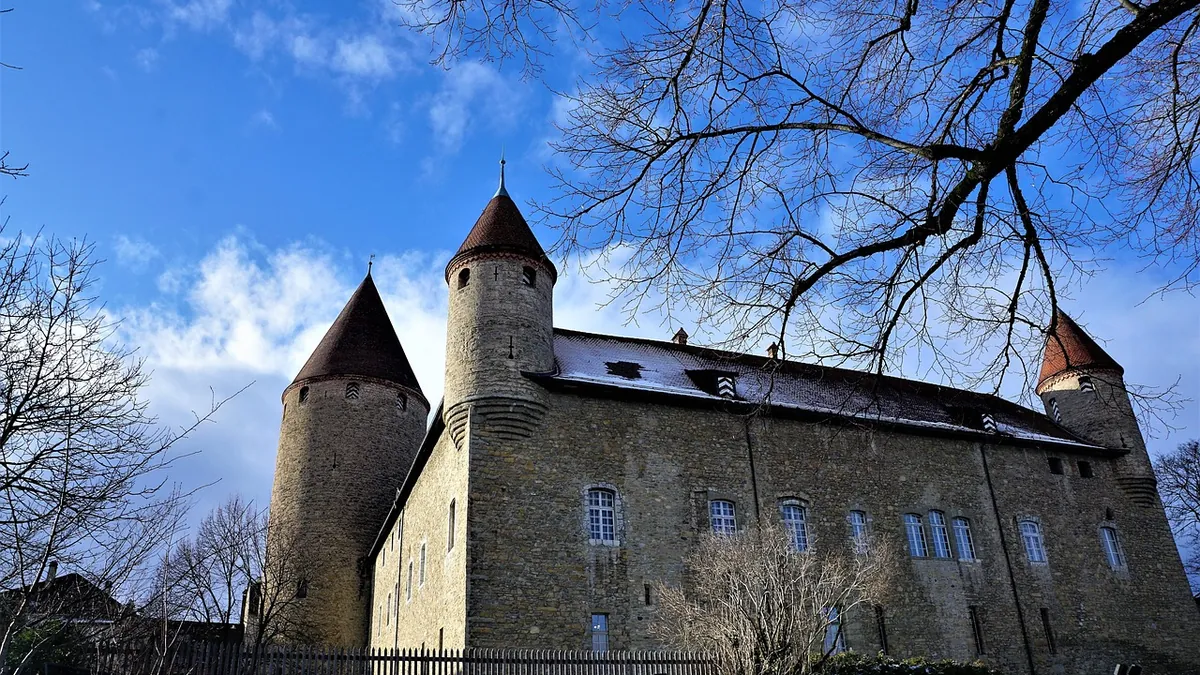
Winter weather presents unique challenges for outdoor surfaces. Freezing temperatures, ice, and repeated thaws can degrade materials like concrete, masonry, and even certain types of wood. This degradation often stems from water ingress. When water seeps into cracks and pores, then freezes, it expands. This expansion exerts pressure, leading to spalling, cracking, and eventual material breakdown. Frost-resistant waterproofing aims to prevent this cycle, offering a protective barrier that maintains its integrity even through harsh temperature fluctuations.
This article explores the specifics of frost-resistant waterproofing and its distinctions from related methods like freeze-thaw waterproofing. We’ll examine their core differences and shared advantages to help you choose the best solution for various outdoor applications in cold climates.
Key Differences Between Frost-Resistant Waterproofing and Freeze-Thaw Waterproofing
While often used interchangeably, “frost-resistant waterproofing” and “freeze-thaw waterproofing” describe distinct, though related, aspects of protecting outdoor surfaces from winter damage. Understanding these differences is crucial for selecting the right material and application.
Frost-resistant waterproofing primarily refers to the material’s inherent ability to withstand repeated freezing and thawing cycles without losing its waterproofing properties. It’s about the coating or sealant itself remaining flexible, adhering, and impermeable even as temperatures swing from below freezing to above. The focus is on the durability and performance of the protective layer under thermal stress.
Imagine a flexible membrane applied to a concrete patio. If that membrane becomes brittle and cracks when temperatures drop, it fails its purpose, regardless of how well it initially repelled water. A truly frost-resistant waterproofing material will retain its elasticity and adhesion, preventing new pathways for water to enter the substrate. This often involves specific polymer formulations that maintain flexibility at low temperatures and resist the internal stresses caused by ice formation within the material itself.
Freeze-thaw waterproofing, conversely, describes a broader range of strategies and materials designed to protect the substrate from the damaging effects of the freeze-thaw cycle. While this certainly involves frost-resistant coatings, it also includes methods that enhance the substrate’s inherent resistance to water penetration and subsequent ice expansion.
Consider a brick wall. A freeze-thaw waterproofing approach might involve applying a hydrophobic (water-repelling) sealant that penetrates the brick and mortar, reducing their water absorption. This doesn’t necessarily mean the sealant itself is exceptionally flexible, but rather that it prevents water from getting into the porous material where it can cause damage. It might also involve using additives in new concrete mixes to create a more dense, less permeable structure, or incorporating air-entraining agents that create microscopic air pockets to accommodate expanding ice without damaging the concrete.
Here’s a breakdown to clarify their primary distinctions:
| Feature | Frost-Resistant Waterproofing | Freeze-Thaw Waterproofing |
|---|---|---|
| Primary Focus | Durability and integrity of the waterproofing material itself under thermal stress. | Protecting the underlying substrate from freeze-thaw damage. |
| Key Mechanism | Material maintains flexibility, adhesion, and impermeability at low temperatures. | Reduces water absorption into the substrate; allows for ice expansion without damage. |
| Material Properties | High elasticity, low glass transition temperature, strong adhesion in cold. | Hydrophobicity, reduced porosity, air-entrainment (for concrete). |
| Application Scope | Coatings, membranes, sealants designed for cold weather performance. | Includes frost-resistant coatings, but also penetrating sealers, substrate additives, and structural design. |
| Example Scenario | A liquid-applied membrane on a flat roof that won’t crack or delaminate when frozen. | A penetrating sealer on a concrete driveway that reduces spalling by preventing water saturation. |
| “Failure” Mode | The waterproofing layer itself cracks, delaminates, or loses elasticity. | The substrate (e.g., concrete, masonry) still suffers damage despite the treatment, often due to water ingress through untreated areas or material saturation. |
In essence, frost-resistant waterproofing is a specific type of material property, while freeze-thaw waterproofing is a broader strategy that often employs frost-resistant materials as a component. A good freeze-thaw protection plan will almost always incorporate frost-resistant waterproofing materials where appropriate.
Shared Benefits and Overlaps
Despite their distinct technical definitions, frost-resistant waterproofing and comprehensive freeze-thaw protection share many common goals and benefits for outdoor surfaces in winter. Both ultimately aim to mitigate the destructive forces of ice formation and temperature cycling.
One primary shared benefit is extended service life of outdoor surfaces. By preventing water penetration and subsequent freeze-thaw damage, both approaches contribute significantly to the longevity of concrete patios, walkways, retaining walls, foundations, and even wooden decks. This translates directly into reduced maintenance costs and less frequent need for repairs or replacement. Without adequate protection, a concrete driveway, for instance, might show significant spalling within a few seasons, requiring costly resurfacing or replacement. With effective waterproofing, its lifespan can be dramatically increased.
Another crucial overlap is maintaining structural integrity. Water seeping into structural elements, especially foundations or bridge decks, can compromise their strength over time. The expansion of ice can widen existing cracks, leading to deeper degradation and potentially structural instability. Both frost-resistant coatings and freeze-thaw resistant substrates work to keep water out, thereby preserving the load-bearing capacity and overall stability of these critical structures.
Both approaches also contribute to improved aesthetic appearance. Spalling, efflorescence (white mineral deposits), and widespread cracking are not only structural issues but also detract significantly from a property’s visual appeal. By preventing these forms of damage, surfaces remain cleaner, smoother, and more uniform, maintaining their intended look for longer periods. For example, a masonry wall treated for freeze-thaw resistance will be less prone to powdery deposits and crumbling joints, preserving its original finish.
Furthermore, both concepts contribute to enhanced safety. Cracked or spalled surfaces can become tripping hazards. In winter, these imperfections can also make de-icing less effective, as ice can accumulate more readily in rough, damaged areas. Smooth, intact, and well-maintained surfaces are generally safer for foot traffic and vehicle movement.
Finally, there’s a significant overlap in the material science involved. Many polymers, resins, and cementitious additives are engineered to perform well under both definitions. For instance, a high-performance acrylic or polyurethane coating designed to be frost-resistant will inherently contribute to freeze-thaw protection of the substrate by forming an impermeable, flexible barrier. Similarly, penetrating sealers, while not always “flexible” in the traditional sense, are formulated to resist degradation from cold temperatures and thermal cycling, ensuring their hydrophobic properties remain effective season after season.
In practical terms, it’s rare to implement one without considering the other. A contractor applying a waterproof coating in a cold climate will invariably choose a product that is itself frost-resistant to ensure its long-term performance. Conversely, when designing a concrete mix for a northern climate, engineers will specify aggregates and admixtures that enhance the concrete’s freeze-thaw durability, often complemented by external waterproofing or sealing. The best solutions typically integrate principles from both.
When Frost-Resistant Waterproofing May Be a Better Fit
Choosing between a primary focus on the material’s frost resistance versus a broader freeze-thaw protection strategy often comes down to the specific application, the existing condition of the surface, and the desired outcome. Frost-resistant waterproofing, particularly in the form of flexible coatings or membranes, is often the superior choice in several key scenarios.
One prime example is surfaces with existing or potential minor movement. Concrete slabs, particularly large ones or those exposed to direct sunlight, will expand and contract with temperature changes. Structures like balconies or elevated walkways can also experience slight shifts. A rigid, non-frost-resistant coating might crack under this stress, especially when cold temperatures make materials more brittle. A truly frost-resistant waterproofing membrane, however, maintains its elasticity even at sub-zero temperatures. This flexibility allows it to stretch and contract with the substrate, preventing the formation of cracks in the waterproofing layer itself, which would otherwise allow water ingress. Think of a liquid-applied elastomeric membrane on a rooftop deck; its ability to remain pliable in winter is paramount to its long-term effectiveness.
Another scenario where frost-resistant waterproofing excels is in applications requiring a continuous, seamless barrier. This is often the case for flat roofs, below-grade foundations, or shower pans in outdoor settings. These areas demand an absolute block against water penetration. If the waterproofing material itself fails due to frost, the entire system is compromised. For instance, a foundation wall waterproofing application relies heavily on the membrane’s ability to withstand soil pressures, moisture, and temperature fluctuations without cracking or losing adhesion. A frost-resistant bitumen or synthetic rubber membrane is designed precisely for this, ensuring a continuous, unbroken seal even when the surrounding soil freezes and thaws.
Repair and restoration projects are also ideal candidates for frost-resistant waterproofing. When dealing with an older structure that has already experienced some freeze-thaw damage, simply applying a penetrating sealer might not be enough if the underlying material is already compromised or prone to movement. A flexible, frost-resistant coating can bridge existing hairline cracks and provide a new, durable surface barrier. For example, rehabilitating a spalled concrete balcony might involve repairing the concrete, then applying a high-performance, frost-resistant cementitious or polymer-modified coating that can bond well to the existing surface and resist future damage.
Finally, surfaces exposed to extreme thermal cycling or prolonged cold benefit most from materials specifically engineered for frost resistance. Regions with dramatic day-night temperature swings, or areas that remain frozen for extended periods, put immense stress on materials. A standard waterproofing product might perform adequately in milder cold, but a dedicated frost-resistant product is formulated to withstand the most severe conditions without degradation. This includes components like bridge decks, parking garage ramps, and other critical infrastructure where material failure is not an option.
In these cases, the emphasis shifts from merely reducing water absorption into the substrate to ensuring the integrity and performance of the protective layer itself under the most challenging cold weather conditions. The investment in genuinely frost-resistant materials pays off in long-term durability and peace of mind.
When Freeze-Thaw Waterproofing May Be a Better Fit
While frost-resistant coatings are vital for many applications, a broader freeze-thaw waterproofing strategy, often involving penetrating sealers or substrate modifications, can be a more appropriate or complementary choice in other situations.
Porous, absorbent substrates where surface aesthetics are critical often benefit more from penetrating freeze-thaw solutions. Materials like natural stone, architectural concrete, unglazed terracotta, or brick masonry are designed to breathe and often have a specific look that a film-forming coating would obscure. In these cases, applying a clear, hydrophobic penetrating sealer is often preferred. These sealers don’t sit on the surface as a separate layer but instead soak into the material, reacting chemically to create a water-repellent barrier within the pores. This reduces the amount of water the material can absorb, thereby minimizing the internal pressure caused by ice formation without altering the surface appearance or texture. For instance, a historic brick facade might be treated with a silane or siloxane-based penetrating sealer to prevent spalling and efflorescence, preserving its character while enhancing its freeze-thaw resistance.
New construction projects, especially with concrete or mortar, present an opportunity to integrate freeze-thaw resistance from the ground up. This involves specifying concrete mixes with low water-to-cement ratios, air-entraining admixtures, and appropriate aggregates. Air-entrainment creates microscopic air bubbles within the concrete, providing tiny relief valves for expanding ice, preventing internal stresses that lead to cracking and spalling. For example, a new concrete driveway in a cold climate should always be specified with air-entrained concrete to inherently resist freeze-thaw damage. This approach tackles the problem at its source, making the material itself more resilient, rather than relying solely on a surface application.
Surfaces where traffic or abrasion is high might also favor penetrating sealers or integral freeze-thaw resistance. A separate surface coating, however frost-resistant, can still be subject to wear from foot traffic, vehicle tires, or snow removal equipment. While some coatings are highly durable, a penetrating sealer or an inherently freeze-thaw resistant substrate offers protection that is “within” the material, making it less susceptible to surface wear. For example, a busy pedestrian walkway made of pavers might benefit more from a penetrating sealer that protects the individual paver units from water absorption, rather than a coating that could wear off in high-traffic areas.
Cost considerations and ease of application can also steer choices toward freeze-thaw solutions. Penetrating sealers are often simpler and quicker to apply than multi-coat membrane systems, and can sometimes be more budget-friendly for large, expansive areas like large parking lots or extensive concrete agricultural pads, especially if the primary goal is to reduce water absorption rather than bridge cracks.
In these situations, the focus shifts from the flexibility and integrity of an applied layer to either modifying the substrate’s inherent properties or providing a subtle, non-film-forming barrier that prevents water from saturating the material. The goal is still to protect against freeze-thaw damage, but the method employed is different, often more integrated with the material itself.
How to Choose Based on Goals and Context
Selecting the appropriate waterproofing strategy for winter protection involves evaluating several factors related to your specific project, climate, and desired outcome. There’s no one-size-fits-all answer, but a structured approach can guide your decision.
1. Understand the Substrate Material and Condition:
- Porous vs. Non-Porous: Is the surface concrete, brick, natural stone (porous), or metal, plastic, or a previously coated surface (less porous)? Porous materials often benefit from penetrating freeze-thaw solutions, while non-porous or already sealed surfaces might require a frost-resistant surface coating.
- Existing Damage: Are there already cracks, spalling, or signs of water ingress? If so, a flexible, frost-resistant coating capable of bridging minor cracks and providing a new, robust barrier might be necessary after repairs. If the surface is sound but merely absorbent, a penetrating sealer could suffice.
- Movement: Does the substrate experience thermal expansion/contraction or structural movement? Flexible, frost-resistant coatings are crucial here.
2. Evaluate the Climate and Exposure:
- Severity of Winter: How cold does it get? How many freeze-thaw cycles occur annually? Extremely harsh conditions with frequent cycles demand the highest level of protection, often integrating both frost-resistant materials and substrate preparation.
- Water Exposure: Is the surface regularly exposed to standing water, heavy snowmelt, or splashing? High moisture exposure increases the risk of freeze-thaw damage, necessitating a highly effective waterproofing layer. Areas prone to ice damming, for example, need robust, frost-resistant solutions.
3. Consider the Application Type and Functional Requirements:
- Traffic: Is it a pedestrian walkway, a vehicular surface, or a non-traffic bearing area like a foundation wall or a roof? High-traffic areas need durable solutions that resist abrasion; often, penetrating sealers or integral concrete treatments are preferred for their wear resistance.
- Aesthetics: Is preserving the natural look of the material paramount? Clear, penetrating sealers are ideal. If a colored or textured finish is desired, a frost-resistant coating might be suitable.
- Structural vs. Non-Structural: For critical structural elements like bridge decks or foundations, a comprehensive, multi-layered approach, often incorporating highly durable frost-resistant membranes, is non-negotiable.
4. Budget and Longevity Expectations:
- Initial Cost vs. Long-Term Value: While some penetrating sealers might have a lower upfront cost, a high-performance, frost-resistant coating might offer superior long-term protection and require less maintenance, justifying a higher initial investment.
- Expected Lifespan: How long do you need the protection to last? Some solutions offer decades of protection, while others might require reapplication every few years.
5. Application Method and Skill Level:
- Are you performing a DIY project or hiring professionals? Some specialized frost-resistant membranes require expert application, while many penetrating sealers are user-friendly.
Here’s a comparison table to help visualize these considerations:
| Factor | Frost-Resistant Waterproofing (Coatings/Membranes) | Freeze-Thaw Waterproofing (Penetrating Sealers/Integral) |
|---|---|---|
| Substrate Condition | Best for surfaces with minor cracks, movement, or need for continuous barrier. | Best for sound, porous surfaces where appearance is critical. |
| Porousness | Can be applied to various, including less porous, surfaces. | Primarily for porous materials (concrete, masonry, stone). |
| Existing Damage | Can bridge hairline cracks, part of restoration. | Prevents new damage; less effective on existing significant damage. |
| Climate Severity | Excellent for extreme cold, frequent freeze-thaw cycles. | Good for general cold climates, reduces water saturation. |
| Water Exposure | Forms an impermeable barrier, ideal for high water exposure. | Reduces water absorption, but doesn’t form a “barrier” in the same way. |
| Traffic | Some durable coatings exist, but can be subject to wear. | Protection is within the material, often more wear-resistant. |
| Aesthetics | Can alter appearance (color, texture); clear options exist but are not always as robust. | Preserves natural appearance, clear. |
| Longevity | High-performance products offer long lifespans (10-25+ years). | Varies widely (3-15 years), often requires reapplication. |
| Cost | Generally higher initial cost for high-performance products. | Often lower initial cost, but may require more frequent reapplication. |
| Application | Can be more complex, often professional application. | Often simpler, DIY-friendly for many products. |
Ultimately, the best strategy often involves a combination. For example, new concrete might be poured with air-entraining admixtures (freeze-thaw resistant), and then, after curing, a frost-resistant, flexible coating is applied to its surface for an extra layer of protection, particularly in high-exposure areas. Consulting with material manufacturers or experienced contractors can provide tailored advice for your specific project.
Frequently Asked Questions
Understanding the core concepts behind protecting outdoor surfaces in winter can still leave practical questions. Here are answers to some common inquiries.
What is frost resistant waterproofing?
Frost-resistant waterproofing refers to the property of a waterproofing material (like a coating, sealant, or membrane) that allows it to maintain its flexibility, adhesion, and impermeability even when exposed to freezing temperatures and repeated freeze-thaw cycles. Unlike materials that might become brittle and crack in the cold, a frost-resistant product is specifically engineered to endure these thermal stresses without compromising its protective barrier. Its primary function is to prevent water from penetrating the underlying surface, even when the ambient temperature fluctuates significantly below and above freezing.
How does frost resistant waterproofing compare with alternatives?
Frost-resistant waterproofing primarily compares with broader freeze-thaw protection strategies, which can include:
- Penetrating Sealers: These alternatives soak into porous materials like concrete or masonry, creating a hydrophobic barrier within the material’s pores. They don’t form a surface film, so they preserve the material’s natural look and texture. While they help prevent water absorption (thus reducing freeze-thaw damage), they don’t offer the same crack-bridging or continuous barrier properties as a flexible, frost-resistant coating. They are often less effective on existing cracks or for preventing water entry through movement joints.
- Integral Admixtures (for concrete): These are chemicals added directly to the concrete mix during production, such as air-entraining agents. They improve the concrete’s intrinsic resistance to freeze-thaw cycles by creating microscopic air pockets that accommodate expanding ice. This is a foundational approach to freeze-thaw protection but relies on the concrete being mixed correctly and doesn’t provide a surface barrier against liquid water ingress from external sources or through future cracks.
- Non-Frost-Resistant Coatings: Some waterproofing coatings are effective at repelling water in temperate conditions but lack the flexibility and durability to withstand freezing temperatures. These alternatives can become brittle, crack, and delaminate when exposed to cold, rendering them ineffective in winter climates.
In essence, frost-resistant waterproofing materials are often a component of a comprehensive freeze-thaw protection strategy, particularly when a surface barrier is needed. Alternatives often focus on different aspects, like internal material modification or non-film-forming hydrophobic treatments.
What are the most common mistakes people make with frost resistant waterproofing?
Several common mistakes can undermine the effectiveness of frost-resistant waterproofing:
- Improper Surface Preparation: This is arguably the biggest pitfall. Surfaces must be clean, dry, and free of loose debris, oil, grease, and efflorescence. Any existing cracks or spalling should be repaired according to product specifications. Failing to prepare the surface correctly will lead to poor adhesion, blistering, and premature failure of even the best frost-resistant material.
- Applying in Unsuitable Conditions: Most waterproofing products have specific temperature and humidity ranges for application. Applying a product when it’s too cold, too hot, or too humid can prevent proper curing and adhesion, significantly compromising its frost resistance and overall performance. Always check the manufacturer’s guidelines for ambient and substrate temperatures.
- Insufficient Coverage or Thickness: Skimping on material or applying too thin a coat reduces the protective barrier’s effectiveness and longevity. Frost-resistant coatings often rely on a certain film thickness to achieve their stated performance, including flexibility at low temperatures.
- Ignoring Manufacturer’s Instructions: Each product has unique characteristics and application requirements. Deviating from mixing ratios, cure times, recoat windows, or specific primers can lead to product failure.
- Using the Wrong Product for the Application: As discussed, not all waterproofing is equally frost-resistant or suitable for every substrate. Using a rigid, non-flexible product on a surface prone to movement, or a film-forming coating where a penetrating sealer is more appropriate, will lead to unsatisfactory results.
- Not Addressing Substrate Issues First: If the underlying concrete or masonry is severely degraded, actively leaking, or structurally unsound, simply applying a frost-resistant coating is a temporary fix at best. The root causes of damage must be addressed first.
- Lack of Maintenance: Even frost-resistant waterproofing isn’t a “set it and forget it” solution forever. Regular inspection for damage, reapplication of sealers if needed, and proper cleaning will extend the life of the protective system.
Avoiding these common mistakes is crucial for ensuring that your investment in frost-resistant waterproofing truly protects your outdoor surfaces through the winter.
Conclusion
Protecting outdoor surfaces from the ravages of winter weather, particularly the freeze-thaw cycle, is a critical aspect of property maintenance and longevity. While the terms “frost-resistant waterproofing” and “freeze-thaw waterproofing” are often used interchangeably, understanding their distinct focuses is key to making informed decisions. Frost-resistant waterproofing emphasizes the durability and integrity of the protective material itself in cold conditions, ensuring it remains flexible and impermeable. Freeze-thaw waterproofing, on the other hand, refers to a broader strategy that includes not only frost-resistant coatings but also penetrating sealers and integral modifications to the substrate, all aimed at preventing water-induced damage during temperature fluctuations.
The best approach often involves a careful assessment of the specific surface, local climate, functional requirements, and aesthetic goals. For surfaces prone to movement, those needing a robust surface barrier, or areas requiring significant repair, flexible, frost-resistant coatings are often the superior choice. Conversely, for porous materials where natural appearance is paramount, or for new construction where integral resistance can be built in, penetrating sealers and substrate admixtures offer effective solutions. Ultimately, combining these strategies, where appropriate, provides the most comprehensive and long-lasting protection against winter’s harsh elements.
DIY safety disclaimer
Home Leak Fix publishes general DIY information for homeowners. Water intrusion can involve structural, electrical, height, mould, or insurance risks. Use proper safety equipment, follow local building rules, and call a qualified professional when a repair is unsafe, unclear, or beyond your experience.