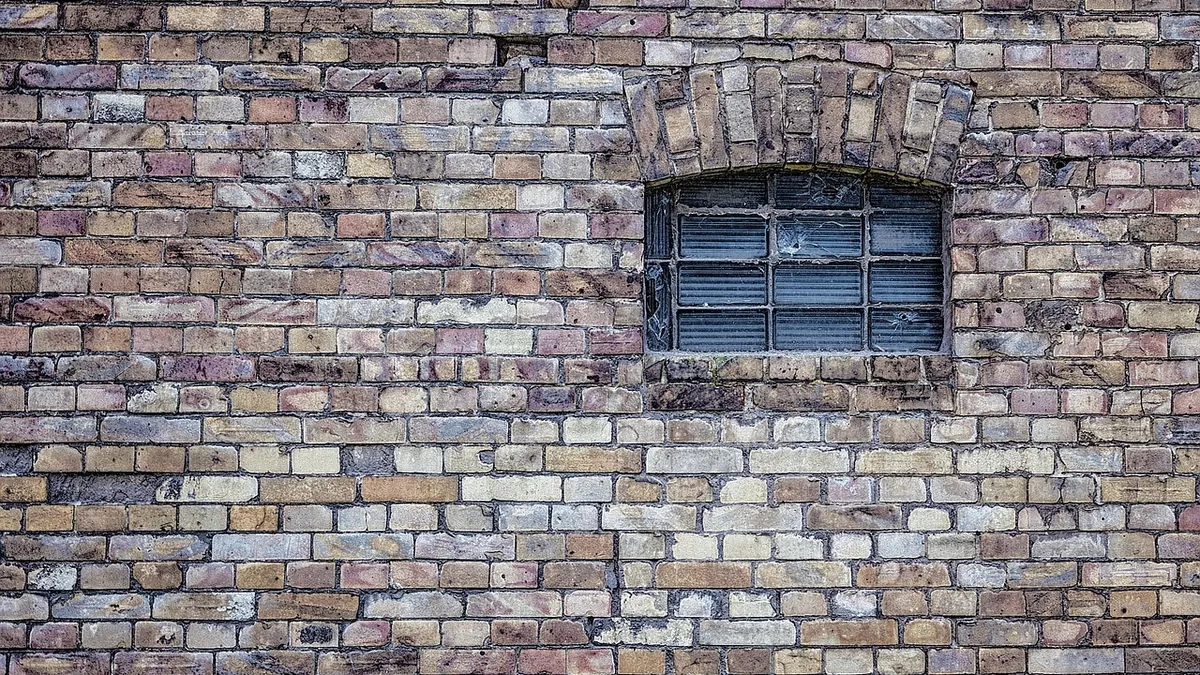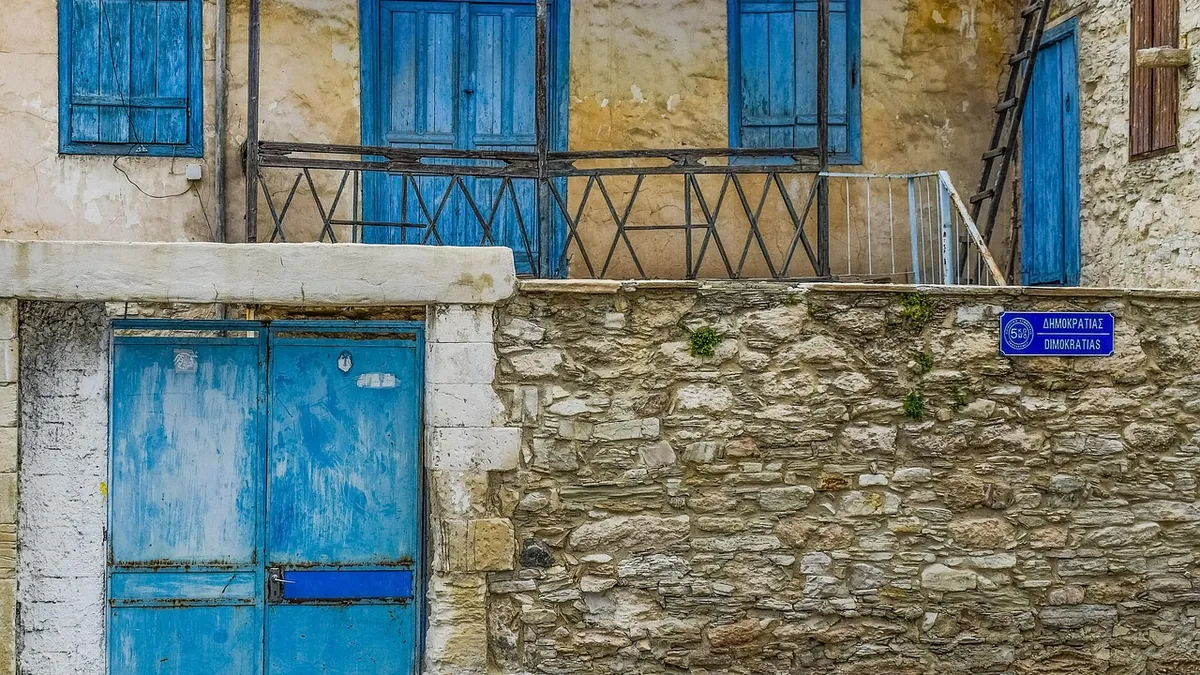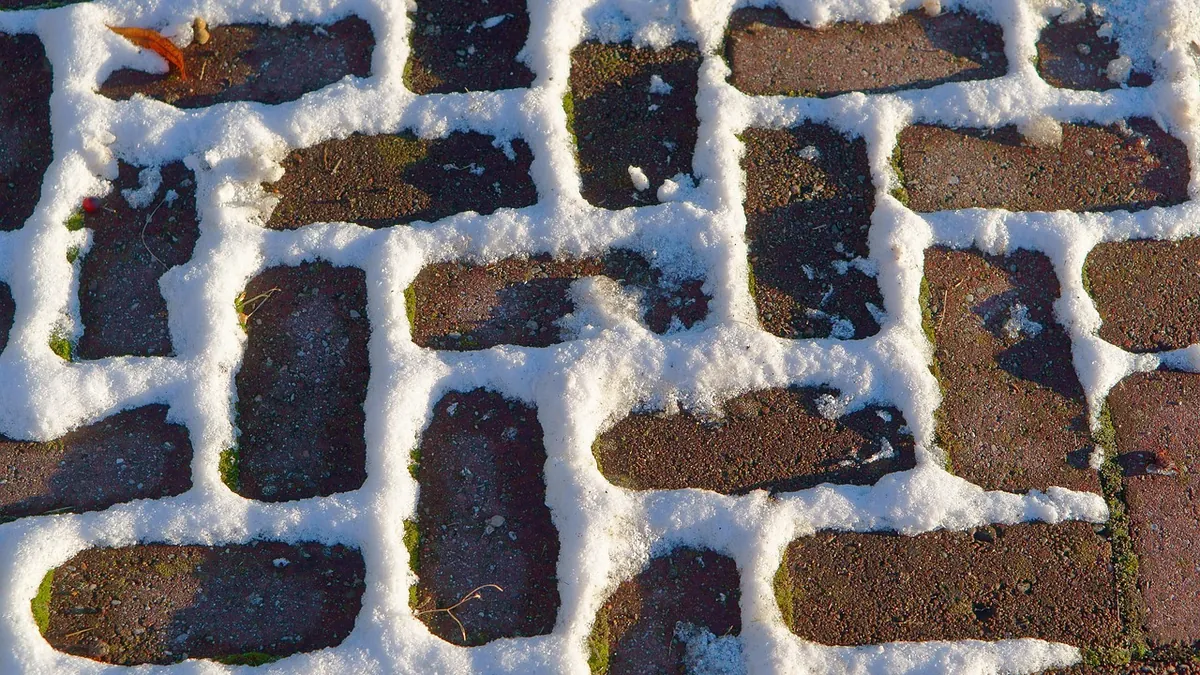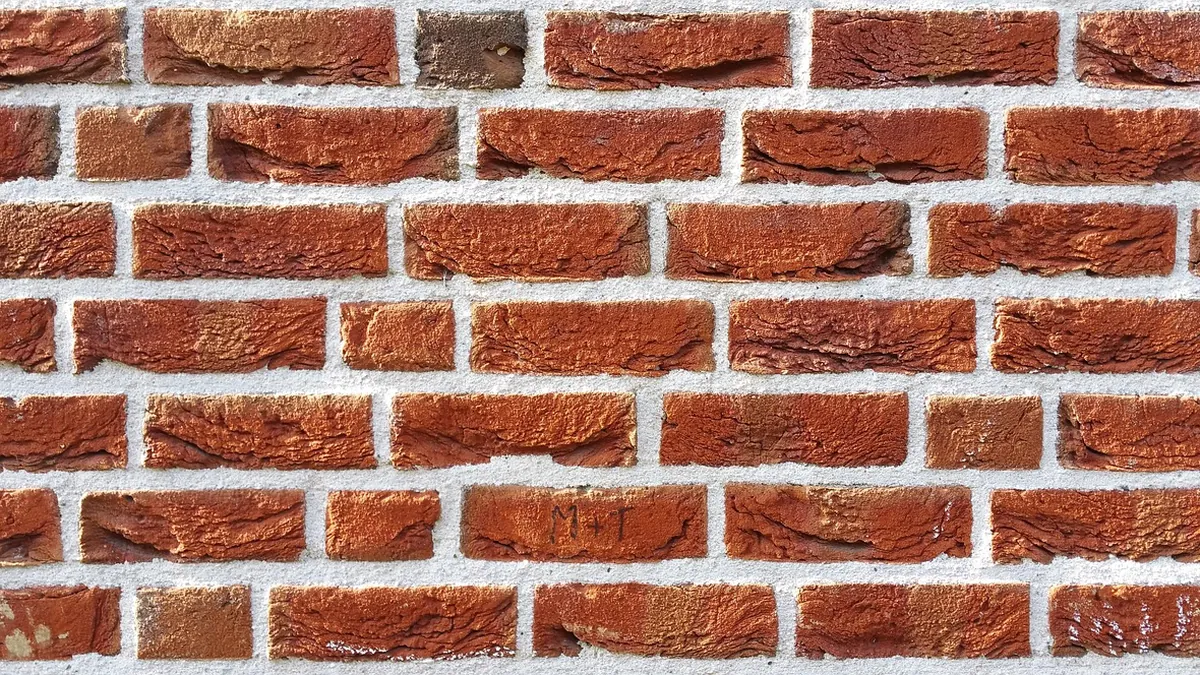
Garden walls, whether they define a boundary, create a raised bed, or form part of a terraced landscape, are constantly exposed to the elements. Rain, snow, and fluctuating temperatures can lead to various forms of deterioration, including dampness, efflorescence, and frost damage. Understanding how to protect these structures is key to their longevity and appearance. This article explores the nuances of garden wall waterproofing, comparing different approaches and clarifying when specific methods are most appropriate for addressing the common issues of damp, efflorescence, and frost damage.
Key Differences Between Garden Wall Waterproofing and Damp Garden Wall Issues
The terms “garden wall waterproofing” and “damp garden wall” describe distinct aspects of wall care, though they are inherently linked. Garden wall waterproofing refers to the proactive or reactive application of materials and techniques designed to prevent water ingress into the wall structure. This is a solution-oriented approach, aiming to create a barrier or modify the wall’s porosity to resist moisture.
In contrast, a “damp garden wall” describes the condition of a wall that has already absorbed excess moisture. This condition manifests in various ways, from a discolored, dark appearance to more severe issues like efflorescence or structural weakening. While waterproofing is a method to prevent or mitigate dampness, dampness itself is the problem that waterproofing seeks to resolve.
The practical implications of this distinction are significant. If you have a damp garden wall, simply applying a waterproofing treatment without understanding the source of the dampness might offer a temporary fix or even exacerbate the problem. For instance, if the damp is rising from the ground due to a lack of a damp-proof course (DPC) or a compromised one, a surface-applied waterproof coating might trap moisture within the wall above the DPC, leading to internal issues. Conversely, if the dampness is purely from rain penetration, a suitable waterproofing treatment can be highly effective.
Consider a scenario where a garden wall consistently shows a dark, wet patch after heavy rain. This is a clear sign of a damp garden wall. The waterproofing solution might involve cleaning the wall and applying a breathable, water-repellent sealant to the exterior masonry. However, if the dampness is localized at the base of the wall, and the ground level outside is higher than the DPC, then addressing the landscaping and drainage around the wall might be a more critical first step than applying a mere surface treatment. The waterproofing, in this case, would be secondary to resolving the source of the damp.
Shared Benefits and Overlaps
Despite their differences, garden wall waterproofing and addressing damp garden wall issues share a common goal: protecting the structural integrity and aesthetic appeal of the wall. Both approaches ultimately aim to prevent water from causing damage.
A primary shared benefit is the prevention of structural degradation. Water ingress can freeze and expand within masonry (frost damage), dissolve binding agents, and promote the growth of moss and algae, all of which weaken the wall over time. By waterproofing, or by successfully treating a damp wall, you reduce the likelihood of these damaging processes. This extends the lifespan of the wall, saving on potentially costly repairs or even rebuilding.
Another overlap lies in aesthetic preservation. Damp walls often look unsightly. They can be stained, discolored, and covered in efflorescence – the white, powdery deposits left behind when water evaporates from masonry, drawing salts to the surface. Both effective waterproofing and successful damp treatment work to eliminate these visual imperfections, restoring the wall’s original appearance or preventing its deterioration.
Furthermore, both concepts contribute to a healthier garden environment. Excess moisture in walls can create conditions favorable for mold and mildew, which, while perhaps less critical for an exterior garden wall than an interior house wall, can still contribute to unwanted biological growth in the garden ecosystem.
Consider a brick garden wall that has developed a green, slimy coating. This indicates persistent dampness, encouraging algal growth. A waterproofing treatment, such as a fungicidal wash followed by a water-repellent application, directly addresses both the dampness and the biological growth. Here, the waterproofing acts as the treatment for the damp wall, showcasing a direct overlap in solution and benefit. Similarly, if a wall is showing signs of efflorescence, cleaning it and then applying a breathable water repellent will prevent future salt migration, thereby both treating the symptom (efflorescence) and providing a waterproofing benefit.
When Garden Wall Waterproofing May Be a Better Fit
Garden wall waterproofing is generally a better fit when you are looking for proactive prevention or when the source of dampness is clearly external moisture penetration. This approach is ideal for new constructions or existing walls that are currently dry but are in an exposed location and susceptible to future water damage.
One clear scenario for waterproofing is a newly built garden wall. Applying a suitable masonry cream or clear water repellent from the outset can imbue the bricks or stone with hydrophobic properties, significantly reducing water absorption from the start. This prevents dampness from ever becoming an issue and guards against efflorescence and frost damage before they have a chance to develop. This is a cost-effective preventive measure compared to dealing with repairs later.
Another instance is a wall exposed to heavy rainfall or prevailing winds. Walls on the windward side of a property, or those in regions with high annual precipitation, are prime candidates for waterproofing. Even if the wall shows no current signs of dampness, the constant exposure means it’s under continuous stress from moisture. A clear, breathable waterproofing agent will repel rain without trapping moisture already within the wall, ensuring the masonry can still “breathe” and dry out naturally.
Consider a garden wall constructed from porous materials like certain types of natural stone or older, softer bricks. These materials naturally absorb more water. In such cases, a breathable water-repellent treatment becomes almost essential for long-term preservation. It reduces the saturation of the material, significantly lowering the risk of frost damage where absorbed water freezes and expands, causing spalling or cracking.
Furthermore, if you observe signs of early-stage efflorescence on an otherwise sound wall, and you’ve ruled out rising damp or other structural issues, applying a waterproofing treatment after cleaning can prevent future salt migration to the surface. The treatment reduces water penetration, which is the vehicle for soluble salts.
| Scenario | Best Fit | Rationale | Example |
|---|---|---|---|
| New Builds | Proactive Waterproofing | Prevents issues before they start, extends lifespan. | Applying masonry cream to a new brick wall. |
| Exposed Walls | Proactive Waterproofing | Reduces water absorption in high-exposure areas. | Sealing a wall facing prevailing weather conditions. |
| Porous Materials | Proactive Waterproofing | Protects soft or absorbent masonry from saturation. | Treating a sandstone wall against frost damage. |
| Early Efflorescence | Reactive Waterproofing | Limits water ingress, preventing salt migration. | Cleaning efflorescence, then applying a clear water repellent. |
In essence, if the goal is to stop water from getting into the wall in the first place, or to significantly reduce its absorption, then direct garden wall waterproofing is the primary solution.
When Damp Garden Wall Remediation May Be a Better Fit
While waterproofing is about prevention or surface protection, “damp garden wall remediation” encompasses a broader set of actions aimed at addressing the causes and consequences of existing dampness. This approach is necessary when waterproofing alone won’t solve the underlying problem, or when the dampness is severe or originates from sources other than direct rain penetration.
One of the most common scenarios requiring damp garden wall remediation is rising damp. This occurs when groundwater is drawn up through capillary action into porous masonry, often due to a faulty, bridged, or absent damp-proof course (DPC). Simply applying a surface waterproofing agent to a wall with rising damp is ineffective; the moisture will continue to rise from below, potentially leading to increased damage above the treated area as moisture gets trapped. Remediation for rising damp typically involves installing a new DPC (e.g., chemical injection DPC) or repairing an existing one, along with addressing any external ground levels that might be bridging the DPC.
Another critical situation for damp remediation is penetrating damp caused by structural defects. This isn’t just about rain hitting the wall; it’s about water entering through specific weaknesses. Examples include cracked mortar joints, missing pointing, defective coping stones on top of the wall, or issues with adjacent drainage. In these cases, the primary fix isn’t a waterproofing paint but rather repairing the defect. This might involve repointing the wall, replacing damaged coping stones, or ensuring rainwater drains away properly from the wall’s base. Only after these structural repairs are made might a supplementary waterproofing treatment be considered to enhance protection.
Poor ventilation or drainage around a wall can also lead to persistent dampness. If a wall is constantly shadowed by dense vegetation, or if rainwater collects at its base due to inadequate landscaping, moisture will accumulate. Remediation here involves pruning plants, clearing debris, or improving ground drainage to allow the wall to dry out naturally. A waterproofing product won’t solve the issue of standing water at the wall’s base.
Finally, if the dampness is accompanied by severe frost damage (e.g., spalling bricks, crumbling mortar), the immediate priority is to address the structural integrity. This involves removing and replacing damaged sections of masonry and mortar. Once the wall is structurally sound again, then preventative waterproofing can be applied to protect the newly repaired areas from future water ingress and frost damage.
| Scenario | Best Fit | Rationale | Example |
|---|---|---|---|
| Rising Damp | Remediation | Surface treatment won’t stop capillary action from below. | Installing a new chemical DPC, clearing ground level. |
| Structural Defects | Remediation | Water enters through specific faults, not just surface. | Repointing cracked mortar, replacing broken coping stones. |
| Poor Drainage | Remediation | Water accumulation at base needs source addressing. | Improving garden drainage, clearing vegetation from wall. |
| Severe Frost Damage | Remediation | Requires structural repair before future prevention. | Replacing spalled bricks, then applying water repellent. |
In summary, if the wall is already significantly damp, if the source of moisture is internal or structural, or if there’s extensive existing damage, then a comprehensive damp garden wall remediation strategy, which may or may not include waterproofing as a final step, is the more appropriate course of action.
How to Choose Based on Goals and Context
Selecting the right approach for your garden wall – be it proactive waterproofing or comprehensive damp remediation – depends heavily on the wall’s current condition, the identified source of moisture, and your long-term goals. A systematic assessment helps in making an informed decision.
Step 1: Assess the Wall’s Condition and Identify the Problem
- Is the wall currently dry or damp? A dry wall allows for proactive waterproofing. A damp wall requires further investigation.
- Where is the dampness located?
- Base of the wall? Could indicate rising damp, poor drainage, or ground bridging the DPC.
- Random patches, especially after rain? Suggests penetrating damp from rain, porous masonry, or cracked rendering.
- Top of the wall? Often points to defective coping, capping, or parapet issues.
- Are there signs of efflorescence? White powdery deposits suggest water movement through the masonry, dissolving and depositing salts.
- Is there physical damage? Cracks, spalling (flaking/crumbling surfaces), or crumbling mortar indicate frost damage or advanced water ingress.
- Are there structural defects? Missing mortar, large cracks, or leaning sections require immediate structural attention.
Step 2: Determine the Source of Moisture
This is the most critical step. Without identifying the source, any treatment might be temporary or ineffective.
- External Rain Penetration: Direct exposure to rain, especially on porous materials or through minor rendering cracks.
- Rising Damp: Moisture drawn up from the ground, typically affecting the lower sections of the wall.
- Defective Rainwater Goods: Leaking gutters or downpipes on an adjacent structure splashing water onto the wall.
- Ground Level Issues: Soil or paving built up against the wall, bridging the DPC.
- Structural Flaws: Cracks in masonry, missing pointing, damaged coping, or faulty rendering.
- Condensation (less common for garden walls, but possible in sheltered areas): High humidity leading to moisture accumulation.
Step 3: Match the Solution to the Problem and Goals
Once the problem and its source are clear, you can choose the appropriate strategy.
| Problem Identified | Primary Cause | Recommended Action | Goal |
|---|---|---|---|
| Dry, but exposed wall | Prevention | Apply breathable masonry cream/water repellent. | Proactive protection, prevent future damp/frost. |
| Damp patches after rain | Rain penetration, porous masonry | Clean, repair minor cracks, apply breathable water repellent. | Stop water ingress, prevent efflorescence/frost. |
| Damp at wall base, efflorescence | Rising damp, bridged DPC | Investigate/install DPC, lower ground levels, improve drainage. | Stop capillary action, dry out wall. |
| Cracks, crumbling mortar | Structural defect, frost damage | Repoint/repair masonry, replace damaged bricks/coping. | Restore structural integrity. |
| Algae/moss growth | Persistent dampness, shade | Clean off growth, improve drainage/air flow, consider water repellent. | Improve aesthetics, reduce moisture. |
| Leaning wall, large cracks | Structural failure | Consult a structural engineer. | Ensure safety, rebuild if necessary. |
Contextual Considerations:
- Wall Material: Different materials (brick, stone, render) have varying porosity and require specific treatments. Natural stone often benefits from breathable sealants, while some renders might need a repair before treatment.
- Age of the Wall: Older walls, especially those built without a DPC, are more susceptible to rising damp and may require specialist heritage-friendly solutions.
- Budget and Time: Proactive waterproofing is generally less expensive and time-consuming than extensive damp remediation. Prioritize addressing the root cause of dampness before cosmetic fixes.
- Environmental Impact: Choose products that are environmentally friendly and breathable to allow the wall to dry naturally.
For example, if you have a relatively new brick garden wall that’s in good condition but is consistently wet after heavy downpours, leading to a slight green tinge, applying a high-quality, breathable masonry cream would be a suitable and effective waterproofing solution. However, if an older stone wall has extensive efflorescence concentrated at the base and the ground level outside is higher than the internal ground, the priority would be to excavate the soil to expose the wall’s base and potentially install a remedial DPC, followed by cleaning and possibly a breathable water repellent. The choice is not always one or the other, but often a sequence of actions.
Frequently Asked Questions
What is garden wall waterproofing?
Garden wall waterproofing involves applying materials or undertaking structural modifications to prevent water from penetrating a garden wall. This can range from surface-applied clear sealants and masonry creams that repel water, to impervious coatings, or even more involved structural changes like installing damp-proof courses or improving drainage. The goal is to protect the wall from moisture-related issues such as dampness, efflorescence (salt deposits), and frost damage. It can be a proactive measure for new walls or a reactive solution for existing walls showing early signs of water ingress.
How does garden wall waterproofing compare with alternatives?
Garden wall waterproofing primarily refers to methods that create a barrier or reduce the porosity of the wall material to repel water. Its alternatives or complementary approaches often focus on addressing the source of the water rather than just the wall’s surface.
- Addressing Structural Defects: Instead of just waterproofing, alternatives might involve repointing crumbling mortar, repairing cracks in masonry, replacing defective coping stones, or fixing leaking gutters on nearby structures. These are fundamental repairs that tackle the entry points of water. Waterproofing might then be applied after these repairs to enhance protection.
- Improving Drainage and Landscaping: If dampness is due to water pooling at the base of the wall or high ground levels, alternatives include excavating soil, installing French drains, or re-sloping the ground away from the wall. These methods remove the water source, allowing the wall to dry naturally.
- Installing or Repairing a Damp-Proof Course (DPC): For rising damp, the alternative to surface waterproofing is to install a chemical DPC or repair a bridged existing one. This stops moisture from wicking up from the ground, which surface treatments cannot achieve effectively.
- Ventilation: In some cases, poor airflow around a wall can contribute to dampness and biological growth. Improving ventilation by pruning vegetation or clearing obstructions can be an alternative or complementary strategy.
In essence, waterproofing is a protective layer, while alternatives often deal with the root cause of water presence. The most effective solution frequently involves a combination of both.
What are the most common mistakes people make with garden wall waterproofing?
Several common mistakes can lead to ineffective or even damaging waterproofing efforts:
- Not identifying the source of dampness: This is the most critical error. Applying a surface waterproofing product to a wall suffering from rising damp or structural leaks will not solve the underlying problem and can sometimes trap moisture, making the situation worse.
- Applying non-breathable sealants: Using a paint or sealant that forms an impermeable film can trap moisture already within the wall or moisture from other sources (like rising damp), preventing it from evaporating. This can lead to increased internal dampness, blistering of the coating, and accelerated damage to the masonry. Breathable products are crucial for masonry.
- Inadequate surface preparation: Waterproofing products require a clean, dry, and sound surface to adhere and perform correctly. Failing to clean off dirt, moss, algae, efflorescence, or loose material will compromise the effectiveness and longevity of the treatment.
- Ignoring structural repairs: Attempting to waterproof over cracks, crumbling mortar, or damaged coping stones is futile. Water will continue to penetrate through these defects. Repairs must be carried out first.
- Applying in unsuitable weather conditions: Most waterproofing products have specific temperature and humidity requirements for application and curing. Applying them in very cold, hot, wet, or windy conditions can lead to poor adhesion, uneven coverage, or premature failure.
- Over-application or under-application: Using too little product may not provide adequate protection, while over-applying can lead to wasteful use, uneven finish, or issues with breathability for certain products. Following manufacturer’s instructions for coverage rates is essential.
- Not addressing ground levels: If soil, paving, or debris is built up against the wall above the damp-proof course, it creates a “bridge” for moisture. Waterproofing the wall surface won’t stop moisture from bypassing the DPC at ground level.
Garden walls are significant features in any outdoor space, and their resilience against the elements directly impacts their appearance and longevity. Understanding the distinction between proactive waterproofing and comprehensive damp remediation is crucial. While waterproofing offers an excellent preventative measure against rain penetration, efflorescence, and frost damage, existing damp issues often require a deeper investigation into their source, from rising damp to structural defects, before any surface treatment can be truly effective. By carefully assessing the wall’s condition, identifying the root cause of moisture, and selecting the appropriate strategy—or combination of strategies—homeowners can ensure their garden walls remain sound, attractive, and free from the detrimental effects of water for years to come.
DIY safety disclaimer
Home Leak Fix publishes general DIY information for homeowners. Water intrusion can involve structural, electrical, height, mould, or insurance risks. Use proper safety equipment, follow local building rules, and call a qualified professional when a repair is unsafe, unclear, or beyond your experience.