Discovering a crack in your basement wall can be unsettling. While visions of catastrophic foundation failure might immediately come to mind, not all cracks signal impending disaster. Specifically, hairline cracks—those typically less than 1/8th of an inch wide—often fall into a different category than larger, more active fissures. Understanding the nature of these minor concrete wall cracks is crucial for deciding whether to seal them yourself, monitor their progression, or seek professional advice. This article explores the nuances of hairline cracks in basement walls, offering guidance on how to assess their significance and determine the appropriate course of action.
Key Differences Between Hairline Cracks and More Serious Basement Wall Issues
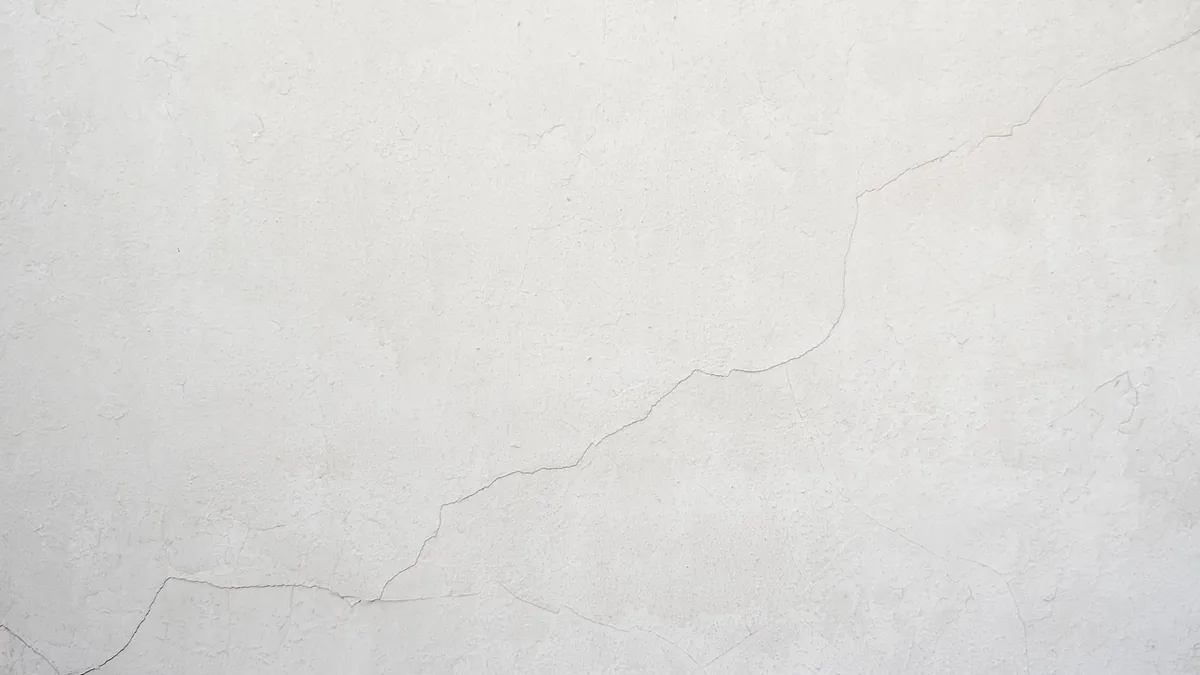
The core distinction between a simple hairline crack and a more significant basement wall problem lies primarily in its size, location, and behavior over time. Hairline cracks in basement walls are, by definition, narrow. They often result from the natural curing process of concrete, which involves shrinkage as water evaporates. These are frequently referred to as “shrinkage cracks” and are a common occurrence in concrete structures. They tend to be vertical or diagonal, but rarely horizontal, and usually don’t extend through the entire wall thickness.
In contrast, more serious basement crack repair scenarios involve cracks that are wider than 1/8th inch, show signs of active movement, or are accompanied by other indicators of structural stress. For instance, a crack that is widening, has one side bulging relative to the other, or is letting in a significant amount of water suggests a more serious issue. Horizontal cracks, especially when accompanied by bowing walls, are particularly concerning as they often indicate external hydrostatic pressure or soil movement putting stress on the foundation.
Consider a newly constructed home where the basement concrete is still curing. It’s common to see a few vertical hairline cracks appear within the first year. These are typically benign. However, if a crack, even a thin one, develops in an older home and steadily grows wider or starts to leak, it warrants closer inspection. The practical implication is that a homeowner might spend an afternoon sealing a minor hairline crack with an epoxy or polyurethane injection kit, whereas a wider, active crack would almost certainly require a professional assessment and more extensive repair methods like carbon fiber strapping or helical piers. The trade-off for ignoring a benign crack is minimal, perhaps just an aesthetic concern or minor dampness. The trade-off for misdiagnosing a serious crack as benign could be significant structural damage and costly repairs down the line.
Shared Benefits and Overlaps in Addressing Wall Cracks
Whether dealing with minor hairline cracks or more substantial concrete wall cracks, there are shared benefits to addressing them, even if the methods differ. Primarily, any repair, no matter how small, contributes to the overall integrity and longevity of the basement structure. Even benign shrinkage cracks, if left unsealed, can eventually allow moisture to penetrate, leading to issues like efflorescence (white, powdery mineral deposits), mold growth, or a damp basement environment.
Both minor sealing efforts and extensive basement crack repair share the goal of preventing water intrusion. A dry basement is crucial for maintaining indoor air quality, protecting stored belongings, and preserving the structural components of the home. For example, applying a simple hydraulic cement patch to a hairline crack can stop minor seepage, just as a professional epoxy injection into a larger crack aims to create a waterproof seal. The overlap is in the objective: stopping water.
Another shared benefit is preventing pest entry. Even the smallest crack can serve as an entry point for insects, rodents, and other unwelcome guests. Sealing these gaps, regardless of their size, helps maintain a more secure and sanitary basement environment. Furthermore, addressing cracks, even aesthetically, can improve the perceived value and habitability of the basement space, whether it’s finished or unfinished. A basement free of visible cracks and damp wall signs is generally more appealing and functional.
Consider a scenario where a homeowner notices a small hairline crack that isn’t actively leaking but is located near a window well. Sealing this crack proactively, even if it’s just for peace of mind, prevents potential future water issues that could arise from heavy rain or snowmelt accumulating in the window well. While the repair method for this might be a simple DIY job, the underlying benefit—protection against moisture and pests—is the same as what a more complex foundation crack signs repair would offer.
When Hairline Cracks May Be a Better Fit for DIY Sealing or Monitoring
Hairline cracks are often ideal candidates for homeowner intervention or a watchful waiting approach. This is particularly true for cracks that exhibit no signs of active movement, water leakage, or structural distress. The typical scenario involves a crack that is:
- Less than 1/8th inch wide: This is the generally accepted threshold for a “hairline” crack.
- Vertical or diagonal: These orientations often indicate concrete shrinkage or minor settlement, which are less concerning than horizontal cracks.
- Non-leaking: If the crack is dry and shows no signs of efflorescence or dampness, it’s less urgent.
- Not widening or lengthening: Monitoring over a period (e.g., several months to a year) with crack gauges or simple pencil marks can confirm stability.
For such cracks, DIY sealing methods can be effective and cost-efficient. Products like hydraulic cement, polyurethane caulk specifically designed for concrete, or low-pressure epoxy injection kits are readily available. These methods are primarily aimed at preventing future water intrusion and improving aesthetics.
For example, a homeowner might notice a 1/16th-inch wide vertical crack in a basement corner that has been there for years without changing. In this instance, monitoring it for a few months to ensure stability, and then sealing it with a basic masonry caulk, is a perfectly reasonable approach. The cost is minimal, and the effort is manageable for most DIYers. The trade-off is the time invested in monitoring and repair, which is often significantly less than the cost and disruption of professional intervention. Edge cases might include hairline cracks in a finished basement where aesthetics are paramount, prompting a quicker, more careful sealing job.
When Professional Basement Crack Repair May Be a Better Fit
When foundation crack signs point to something more severe than simple shrinkage, professional basement crack repair becomes the better, and often necessary, course of action. This applies to cracks that exhibit:
- Width exceeding 1/8th inch: Wider cracks suggest more significant stress or movement.
- Active leaking: If water is consistently seeping or flowing through the crack, it indicates a breach in the foundation’s waterproofing and potential hydrostatic pressure issues.
- Horizontal orientation: These cracks are particularly concerning as they often signal external pressure pushing the wall inward, potentially leading to bowing or collapse.
- Stair-step patterns in masonry: In block foundations, stair-step cracks indicate differential settlement or lateral pressure.
- Cracks that are widening or lengthening: Active movement is a red flag. Using crack monitors (simple devices that bridge the crack and indicate movement) can help confirm this.
- Accompanying signs of structural distress: This includes bowing or bulging walls, doors or windows sticking, sloped floors, or exterior brickwork cracks.
- Damp wall conditions: Persistent dampness, mold growth, or a musty odor near the crack, even without visible water flow, suggests moisture penetration that a DIY seal might not adequately address.
In these scenarios, the underlying cause is often more complex than simple concrete shrinkage. It could be due to soil expansion and contraction, inadequate drainage, hydrostatic pressure, or structural settlement. A professional foundation expert can accurately diagnose the root cause and recommend appropriate solutions. These might include:
- High-pressure epoxy or polyurethane injection: For wider, actively leaking cracks, professional injection systems ensure a complete, deep seal.
- Carbon fiber strapping or steel I-beams: For bowing or bulging walls, these reinforce the structure and prevent further inward movement.
- Exterior excavation and waterproofing: If external hydrostatic pressure is the culprit, addressing drainage and applying exterior waterproofing membranes might be necessary.
- Underpinning or helical piers: For significant settlement issues, these methods stabilize the foundation by extending its support to deeper, more stable soil.
For example, a homeowner might discover a 1/4-inch wide horizontal crack running across a basement wall, accompanied by a noticeable inward bulge of the wall itself. Attempting a DIY patch here would be akin to putting a band-aid on a broken bone. The crack is a symptom of a larger structural problem that requires expert assessment and engineering solutions to prevent catastrophic failure. The trade-off for not calling an expert in such a case could be severe foundation damage, loss of home value, and safety risks.
How to Choose Based on Goals and Context
The decision to seal, monitor, or call an expert for hairline cracks in basement walls hinges on a careful assessment of several factors. Your primary goals, the specific characteristics of the crack, and your comfort level with DIY tasks all play a role.
Decision-Making Framework for Basement Wall Cracks
| Feature/Goal | Monitor (DIY) | Seal (DIY) | Call an Expert (Professional) |
|---|---|---|---|
| Crack Width | < 1/16 inch | < 1/8 inch, stable | > 1/8 inch, or any width with concerning signs |
| Movement | No visible change over time | No visible change over time | Widening, lengthening, shifting, or bulging |
| Water/Dampness | Completely dry, no efflorescence | Dry or very minor, intermittent dampness | Active leaking, consistent dampness, mold, musty odor |
| Orientation | Vertical or slight diagonal | Vertical or slight diagonal | Horizontal, stair-step, or extending significantly |
| Associated Signs | None | None | Bowing walls, sticking doors/windows, exterior cracks, uneven floors |
| Age of Crack | Recent (within 1-2 years of construction) | Recent or long-standing, stable, and benign | Any age, if showing concerning progression or signs |
| Your Goal | Assess stability, baseline for future issues | Prevent minor moisture, improve aesthetics, peace of mind | Diagnose root cause, permanent structural repair, waterproofing |
| Risk Tolerance | High (willing to observe before acting) | Moderate (confident in minor repair) | Low (prefer professional diagnosis and guaranteed repair) |
| Budget | Minimal (time for observation) | Low (cost of caulk/patch kit) | Moderate to high (cost of professional inspection and repair) |
Contextual Considerations:
- Finished vs. Unfinished Basement: In a finished basement, even minor cracks might warrant quicker action to prevent damage to drywall, flooring, or insulation. Aesthetics also play a larger role. In an unfinished space, monitoring might be more practical.
- Home’s Age: Newer homes (within the first few years) are more prone to shrinkage cracks. Older homes, especially those over 50 years old, might have cracks that indicate long-term settlement or soil issues.
- Local Climate and Soil Conditions: Areas with expansive clay soils, frequent heavy rainfall, or significant freeze-thaw cycles put more stress on foundations and increase the likelihood of more serious crack development. If you live in such an area, vigilance and professional consultation are often prudent.
- Your DIY Skill Level: While sealing a hairline crack isn’t inherently complex, doing it correctly to ensure a waterproof seal requires some attention to detail. If you’re uncomfortable, a professional might still be a better choice for even minor issues.
Scenario 1: Monitoring You just bought a 10-year-old home and noticed two very thin, vertical cracks, about 1/32nd of an inch wide, in an unfinished part of the basement. They are completely dry. Your goal is to understand if they are active. You could mark the ends of the cracks with a pencil and measure their width, then recheck every few months. If after a year there’s no change, you might decide to seal them yourself for aesthetic reasons, or just leave them.
Scenario 2: DIY Sealing You have a 1/16th-inch vertical crack that occasionally gets slightly damp during heavy rains, but never leaks significantly. There are no other concerning signs. Your goal is to prevent moisture and potential mold. A DIY polyurethane injection kit or hydraulic cement patch would be a suitable and cost-effective solution here.
Scenario 3: Calling an Expert You discover a 1/4-inch wide horizontal crack running most of the length of your basement wall. The wall near the crack feels slightly bowed inward, and you’ve noticed your basement door sticking more often. Your goal is to ensure the structural integrity of your home. This is a clear case for immediate professional assessment. An expert can determine if the crack is structural, what is causing the pressure, and what engineering solutions are needed.
Ultimately, the decision balances risk, cost, and peace of mind. When in doubt, especially if you observe any of the “red flag” signs, a professional inspection is the safest and most responsible course of action.
Frequently Asked Questions
What is a hairline crack in a basement wall?
A hairline crack in a basement wall is a very narrow fissure, typically less than 1/8th of an inch (about 3 millimeters) wide. These cracks often appear vertically or diagonally and are commonly caused by the natural shrinkage of concrete as it cures and dries. They are generally considered less serious than wider or actively leaking cracks, and are often referred to as non-structural cracks or shrinkage cracks.
How does a hairline crack in a basement wall compare with alternatives?
When discussing “alternatives” in this context, it usually refers to different types of cracks or different approaches to dealing with them. Hairline cracks are distinct from:
- Wider Cracks: Cracks exceeding 1/8th inch, which suggest more significant stress, settlement, or structural issues.
- Horizontal Cracks: These are almost always more serious, indicating external pressure on the foundation, such as hydrostatic pressure or soil expansion.
- Stair-Step Cracks: Common in block foundations, these indicate differential settlement or lateral pressure.
- Actively Leaking Cracks: Any crack, regardless of width, that allows water to penetrate consistently is a more urgent problem, as it can lead to water damage, mold, and further deterioration.
The “alternatives” for addressing them include DIY sealing (for benign hairline cracks), professional injection (for more serious leaks), and structural repairs (for foundation movement).
What are the most common mistakes people make with hairline cracks in basement walls?
The most common mistakes include:
- Ignoring Them Entirely: Even benign hairline cracks can eventually allow moisture and pests to enter, leading to dampness, mold, or insect infestations over time.
- Overreacting to Benign Cracks: Panicking and calling a foundation expert for every minor shrinkage crack, which can lead to unnecessary expense.
- Underestimating Serious Cracks: Mistaking a widening, leaking, or horizontal crack for a benign hairline crack and attempting a cheap DIY fix that doesn’t address the underlying problem. This can lead to exacerbated structural damage.
- Improper DIY Repair: Using the wrong type of sealant (e.g., standard caulk instead of hydraulic cement or polyurethane specifically for concrete) or failing to properly prepare the crack, leading to a temporary or ineffective seal.
- Not Monitoring: Failing to track the progression of a hairline crack over time. A crack that starts as benign can become problematic if it begins to widen, lengthen, or leak.
A balanced approach involves careful observation and understanding the specific characteristics of the crack before deciding on a course of action.
Conclusion
The presence of hairline cracks in a basement wall doesn’t automatically signal a crisis, but it does warrant attention. The decision to seal, monitor, or call an expert hinges on a careful assessment of the crack’s characteristics: its width, orientation, whether it’s actively leaking, and if it’s accompanied by other signs of structural distress. For truly minor, stable, and dry hairline cracks, DIY sealing or simple monitoring can be an appropriate and cost-effective approach. However, any crack that is wider than 1/8th inch, actively leaking, horizontal, or showing signs of movement demands the expertise of a foundation professional. Prioritizing a thorough diagnosis over a quick fix is crucial for maintaining the long-term integrity and safety of your home’s foundation.
DIY safety disclaimer
Home Leak Fix publishes general DIY information for homeowners. Water intrusion can involve structural, electrical, height, mould, or insurance risks. Use proper safety equipment, follow local building rules, and call a qualified professional when a repair is unsafe, unclear, or beyond your experience.