Applying a waterproof coating to a flat roof is a significant investment aimed at extending its lifespan and preventing leaks. The success of this application, however, hinges almost entirely on the preparation of the roof surface. Simply spreading a coating over an unprepared or improperly prepared roof often leads to premature failure, wasted materials, and a need for costly reapplication. Effective preparation involves more than just a quick sweep; it’s a multi-step process designed to create an optimal bonding surface, address existing damage, and ensure the coating performs as intended. This article will detail the critical steps involved in preparing a flat roof for coating, highlighting the differences between basic cleaning and comprehensive substrate preparation, and guiding you through the decision-making process for your specific project.
Key Differences Between “Prepare Flat Roof for Coating” and “Clean Roof Before Coating”
While cleaning is an essential part of preparing a flat roof for coating, the phrase “prepare flat roof for coating” encompasses a much broader set of actions. Understanding this distinction is crucial for achieving a durable and effective waterproof barrier.
“Clean roof before coating” primarily refers to the removal of loose debris, dirt, dust, and organic growth (like moss or algae) from the roof surface. This step is fundamental because any foreign material between the roof substrate and the coating will hinder adhesion. Imagine trying to glue two pieces of wood together with a layer of sand in between; the bond will be weak and easily broken. Cleaning typically involves sweeping, blowing, power washing, or sometimes chemical treatments to eliminate these surface contaminants. The goal is a visibly clean surface, free from anything that would physically separate the coating from the roof.
“Prepare flat roof for coating,” on the other hand, is a holistic process that includes cleaning but extends much further into assessing, repairing, and conditioning the roof substrate. This preparation involves:
- Detailed Inspection: Identifying existing damage, structural weaknesses, or areas of ponding water.
- Repairing Defects: Fixing cracks, blisters, punctures, open seams, and areas of deteriorated flashing. This might involve patching, sealing, or even localized re-roofing.
- Moisture Management: Ensuring the roof is completely dry before application to prevent trapped moisture from causing blisters or delamination.
- Adhesion Testing: Sometimes, especially with older or unusual substrates, a small test patch of the coating is applied to check for proper adhesion.
- Priming: Applying a specialized primer to enhance adhesion, seal porous surfaces, or block bleed-through from asphaltic materials.
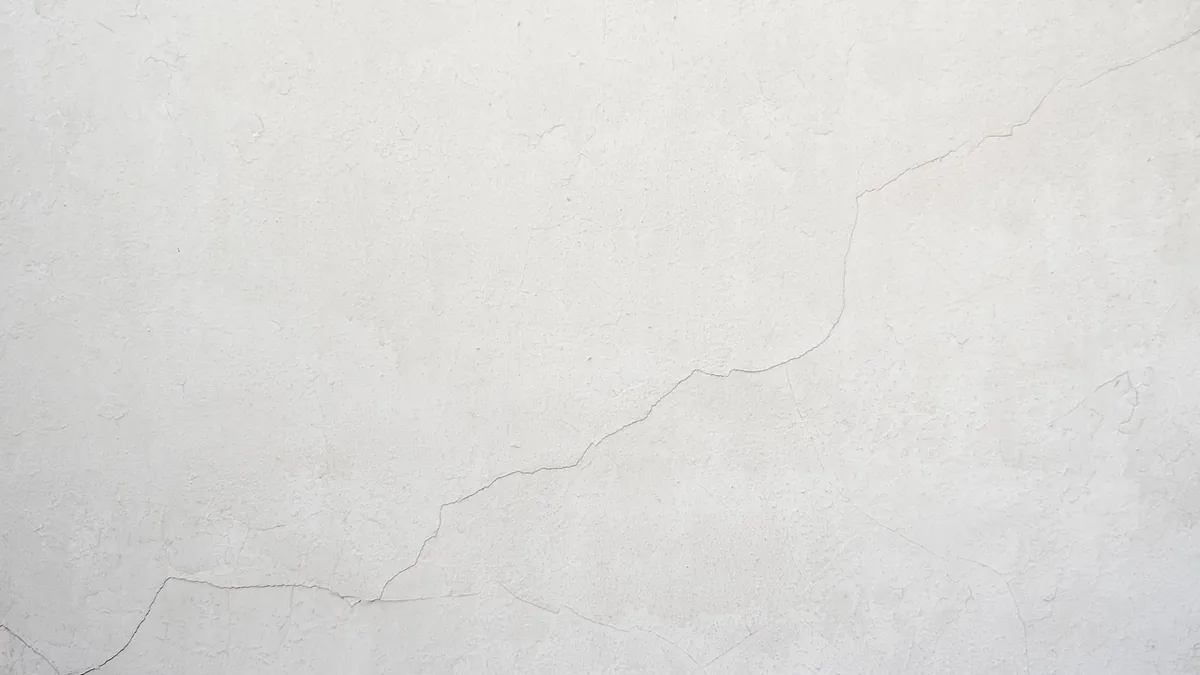
Consider a scenario where a flat roof has extensive cracking and areas of ponding water. Simply cleaning this roof and applying a coating would be insufficient. The cracks would likely reappear through the coating, and the ponding water would continue to stress the membrane, potentially leading to premature failure. True preparation would involve repairing those cracks, addressing the ponding issues, and then cleaning the entire surface before coating.
The practical implication is that a “clean” roof might still be a poorly prepared roof if underlying issues are ignored. The trade-off is often between the initial time and cost of thorough preparation versus the long-term performance and durability of the coating. Skipping steps in preparation to save time upfront often leads to significantly higher costs down the line due to premature coating failure and the need for reapplication or more extensive repairs.
Shared Benefits and Overlaps
Both “clean roof before coating” and the broader “prepare flat roof for coating” share the fundamental goal of ensuring the waterproof coating adheres properly and performs effectively. Their benefits are interconnected, with cleaning forming the bedrock upon which more advanced preparation steps build.
The primary shared benefit is enhanced adhesion. A clean surface is paramount for any coating to bond effectively. Dust, dirt, grease, oil, or organic growth act as bond breakers, preventing the coating from directly contacting the roof substrate. Whether you’re just cleaning or undertaking a full preparation, removing these contaminants is the first step towards a lasting bond. Without it, even the most advanced coatings will fail prematurely, peeling or delaminating.
Another overlap is in identifying potential issues. While deep inspection is part of full preparation, even a thorough cleaning process often reveals problems that might otherwise go unnoticed. As you sweep, power wash, or scrub, you might uncover small cracks hidden beneath dirt, soft spots indicating moisture damage, or areas where existing membranes are delaminating. This early detection is invaluable, allowing for repairs before they escalate into major problems under the new coating.
Both processes also contribute to a uniform application. A clean and prepared surface allows the coating to spread evenly and consistently, without lumps, bumps, or thin spots caused by debris. This uniformity is crucial for achieving consistent film thickness, which directly impacts the coating’s waterproofing capabilities and lifespan. An uneven application can lead to weak points where water can penetrate.
Consider a large commercial flat roof. When a team begins the cleaning process, they might initially focus on removing leaves and general grime. However, during this process, they might discover a patch of moss that has grown into a small seam, or a loose piece of gravel that, when removed, reveals a puncture in the existing membrane. While the initial task was “cleaning,” it naturally led to the identification of issues requiring “preparation” (repair). The act of cleaning itself facilitates the broader preparation, making it easier to spot and address underlying concerns.
In essence, cleaning is a prerequisite and an integral part of comprehensive roof preparation. You cannot effectively prepare a roof without cleaning it, and the benefits derived from cleaning directly contribute to the overall success of the preparation process. Both aim to create a stable, receptive surface for the new waterproof layer.
When “Prepare Flat Roof for Coating” May Be a Better Fit
The comprehensive approach encapsulated by “prepare flat roof for coating” is almost always the superior choice, especially when the goal is long-term performance and maximum return on investment. This detailed preparation becomes particularly critical in several scenarios:
- Aging or Damaged Roofs: If the flat roof shows signs of significant wear and tear, such as numerous cracks, blisters, punctures, open seams, or areas of ponding water, extensive preparation is non-negotiable. Merely cleaning such a roof before coating would be akin to painting over rust – the underlying problem persists and will quickly compromise the new layer. For instance, a roof with widespread small cracks needs these sealed with appropriate mastic or fabric reinforcement before coating. Blisters, where entrapped moisture or air has caused the membrane to lift, must be cut, dried, repaired, and re-adhered to prevent them from growing and rupturing through the new coating.
- Existing Leaks: If the roof is already leaking, or has a history of leaks, a thorough preparation is essential. Simply applying a coating over a leaking area without identifying and fixing the source of the leak is a temporary fix at best. Water will continue to penetrate, potentially migrating laterally and causing new issues or undermining the coating from below. Preparation here involves forensic investigation to pinpoint leak entry points, followed by precise repairs before any coating is applied.
- Substrate Unknowns or Inconsistencies: When dealing with older roofs where the original membrane type is uncertain, or where multiple repair layers have been applied over time, detailed preparation is critical. Different substrates react differently to various coatings and primers. A comprehensive preparation might involve adhesion testing to ensure compatibility, or the application of specific primers to bridge compatibility gaps. For example, some acrylic coatings may not adhere well directly to certain asphaltic surfaces without a specialized bleed-blocking primer.
- High-Value Assets Beneath the Roof: If the building houses sensitive equipment, valuable inventory, or critical operations where any leak would cause significant disruption or loss, investing in thorough preparation is a prudent decision. The cost of comprehensive preparation pales in comparison to the potential damage and downtime caused by a failed coating due to inadequate prep.
- Manufacturer Warranty Requirements: Most reputable coating manufacturers stipulate precise preparation requirements for their products to qualify for a warranty. These often go beyond basic cleaning, demanding specific repairs, primers, and adhesion tests. Adhering to these guidelines is crucial not only for warranty protection but also for achieving the intended performance of the coating system.
- Long-Term Performance Expectations: If the aim is to achieve the maximum possible lifespan from the new coating (e.g., 10-20 years), then cutting corners on preparation is counterproductive. Comprehensive preparation sets the foundation for durability, ensuring the coating system can withstand environmental stresses, thermal expansion/contraction, and UV radiation over many years.
In essence, “prepare flat roof for coating” is the professional, long-term solution that addresses both surface-level cleanliness and underlying structural integrity. It’s about building a robust system, not just applying a new surface layer.
When “Clean Roof Before Coating” May Be a Better Fit (with caveats)
Although thorough preparation is usually recommended, a “clean roof before coating” approach might be sufficient in a few specific, limited situations. However, it’s important to understand these scenarios often involve significant caveats and are typically geared toward maintenance or short-term fixes, not comprehensive waterproofing.
- New Construction, Pristine Substrate: In rare cases, for a brand-new flat roof membrane that has been perfectly installed and has seen no weather exposure or construction traffic, a thorough cleaning might be the dominant preparation step. If the membrane is clean, completely dry, and structurally sound without any defects, the primary task is to remove any dust, manufacturing residues, or light foot traffic contaminants before applying a protective coating or primer. Even here, a quick inspection for minor installation imperfections or debris is still wise. This scenario is highly specific and doesn’t represent most existing roof projects.
- Routine Maintenance Coating on a Recently Coated, Undamaged Roof: If a roof was coated relatively recently (e.g., 3-5 years ago) and the existing coating is still in excellent condition – no peeling, cracking, blistering, or significant wear – a re-coat might primarily require cleaning. The existing coating acts as the primary substrate, and if it’s intact, the goal is often just to clean off accumulated dirt and grime to ensure the new maintenance coat adheres well to the old one. However, even in this case, a detailed inspection for any signs of degradation in the existing coating is vital. Any small crack or delamination in the old coat would still need repair before re-coating.
- Temporary or Non-Critical Applications: For very temporary waterproofing solutions or for structures where the consequences of a coating failure are minimal (e.g., a garden shed, a non-critical outbuilding), a basic cleaning might be deemed ‘good enough’. The understanding here is that the lifespan of the coating will likely be shorter, and its failure won’t cause significant damage or cost. This is a compromise driven by low stakes and a desire for minimal effort.
Caveats:
Even in these scenarios, the term “clean” should not be underestimated. It still implies the complete removal of all loose materials, dirt, grease, and organic matter. This often requires more than just sweeping – pressure washing, scrubbing, and possibly specialized detergents might be necessary to achieve a truly clean surface ready for coating.
Moreover, the line between “cleaning” and “preparing” can blur quickly. A “clean” roof that has a single small crack still needs that crack addressed. A “clean” roof with a patch of moss that indicates moisture retention needs that moisture investigated. Therefore, even when primarily focusing on cleaning, a quick but diligent inspection for any underlying issues is always prudent.
In summary, relying solely on “clean roof before coating” is appropriate only for roofs that are already in exceptionally good, almost pristine condition, or for applications where longevity and robust waterproofing are not primary concerns. For the vast majority of flat roof coating projects, a more comprehensive approach is essential for success.
How to Choose Based on Goals and Context
Selecting the appropriate level of preparation for your flat roof before applying a waterproof coating depends heavily on your specific goals, the current condition of the roof, and the resources available. It’s a risk assessment and a long-term investment decision.
To make an informed choice, consider the following factors:
Current Roof Condition:
- Excellent (New or Recently Coated, No Issues): If the roof is brand new, or was recently coated and is in pristine condition with no leaks, cracks, blisters, or ponding, a thorough cleaning followed by a meticulous inspection might suffice. The focus here is on removing surface contaminants.
- Good (Minor Wear, No Leaks): If there are minor signs of wear, such as small isolated cracks, minimal aggregate loss, or very slight surface degradation, you’ll need to move beyond basic cleaning to address these specific issues. This means cleaning, then targeted repairs, and potentially priming.
- Poor (Leaks, Extensive Damage, Blisters, Ponding): If the roof is leaking, has widespread cracking, numerous blisters, significant ponding water, or deteriorated seams, then a full “prepare flat roof for coating” approach is absolutely essential. This will involve extensive repairs, drying, and potentially structural modifications before any coating is applied.
Desired Lifespan and Performance:
- Short-Term / Temporary (1-3 years): For a very temporary fix on an outbuilding where budget is extremely tight and long-term performance isn’t critical, a more basic cleaning and quick patch might be considered. However, acknowledge the high risk of premature failure.
- Medium-Term (5-10 years): For most residential or light commercial applications aiming for a reasonable lifespan, a comprehensive “prepare flat roof for coating” is the appropriate choice. This ensures the coating has the best chance to last as expected.
- Long-Term (10+ years) / Critical Infrastructure: For high-value properties, critical industrial buildings, or any scenario where coating failure would be catastrophic, the most rigorous preparation is required. This often includes professional assessment, detailed repairs, adhesion testing, and adherence to manufacturer specifications.
Budget and Time Constraints:
- Limited Budget/Time: While tempting to cut corners, understand that insufficient preparation often leads to re-work, which is ultimately more expensive. If budget is extremely tight, it might be better to address critical repairs now and postpone the full coating application until proper preparation can be afforded.
- Adequate Budget/Time: If resources allow, always opt for the most thorough preparation. The upfront investment in proper prep almost always pays dividends in terms of coating longevity and reduced maintenance costs over time.
Manufacturer’s Recommendations and Warranty:
- Always consult the specific coating manufacturer’s recommendations. Their guidelines for surface preparation are designed to ensure their product performs as intended and are often prerequisites for warranty coverage. Deviating from these recommendations can void your warranty and lead to product failure.
Decision Table: Choosing Your Preparation Level
| Factor | Primarily “Clean Roof” (Limited Prep) | “Prepare Flat Roof” (Comprehensive Prep) |
|---|---|---|
| Roof Condition | New, pristine, no defects, recently recoated with existing coating intact | Aged, damaged, leaking, extensive cracks, blisters, ponding, unknown substrate |
| Desired Lifespan | Very short-term (e.g., 1-3 years), temporary | Medium to long-term (5-20+ years) |
| Criticality of Roof | Low (e.g., shed, non-critical outbuilding) | High (residential, commercial, industrial, high-value assets) |
| Budget/Time | Extremely limited (high risk of re-work) | Adequate (investment in longevity) |
| Warranty | Likely voided or not applicable | Essential for warranty validity |
| Risk Tolerance | High (willing to accept premature failure) | Low (desires reliable, long-lasting solution) |
Ultimately, the choice comes down to assessing the risks and rewards. For most flat roof coating projects, a comprehensive “prepare flat roof for coating” approach, which includes thorough cleaning, inspection, and repair, is the most prudent and cost-effective strategy in the long run.
Frequently Asked Questions
What is prepare flat roof for coating?
“Prepare flat roof for coating” is a comprehensive process involving cleaning, inspecting, repairing, and conditioning a flat roof surface to ensure optimal adhesion and long-term performance of a subsequent waterproof coating. It goes beyond simple cleaning to address structural integrity, existing damage, and substrate compatibility, creating an ideal foundation for the coating.
How does prepare flat roof for coating compare with alternatives?
The primary “alternative” to comprehensive preparation is often a more superficial cleaning or an attempt to apply coating directly over an unprepared or damaged surface. This alternative typically results in premature coating failure, delamination, blistering, and continued leaks, leading to higher costs in the long run due to reapplication and damage repair. There isn’t a true effective alternative to proper preparation if a durable, long-lasting waterproof coating is desired. It’s less about alternatives and more about the degree of preparation required for a given project.
What are the most common mistakes people make with prepare flat roof for coating?
The most common mistakes include:
- Insufficient Cleaning: Not thoroughly removing all dirt, dust, grease, oil, and organic matter, which acts as a bond breaker.
- Ignoring Existing Damage: Coating over cracks, blisters, punctures, or open seams without repairing them first. These underlying issues will inevitably telegraph through the new coating and cause failure.
- Applying to a Wet Surface: Trapped moisture beneath the coating is a primary cause of blistering and delamination. The roof must be completely dry before application.
- Skipping Primer: Not using the correct primer (or any primer at all) when recommended by the manufacturer, especially for porous substrates, asphaltic bleed-through, or adhesion enhancement.
- Not Addressing Ponding Water: Failing to correct areas of standing water on the roof. Ponding puts continuous stress on the coating and accelerates its degradation.
- Lack of Detailed Inspection: Not thoroughly inspecting the roof for all potential issues before beginning work, leading to overlooked problems.
- Rushing the Process: Preparation takes time. Rushing leads to overlooked steps and compromises the entire system.
Conclusion
The preparation of a flat roof before applying a waterproof coating is not merely a preliminary step; it is the cornerstone of the entire waterproofing system’s success. While basic cleaning is fundamental, a holistic approach to “prepare flat roof for coating” that includes thorough inspection, meticulous repairs, and proper substrate conditioning is almost always the prudent choice for achieving a durable, long-lasting, and warrantied solution. Cutting corners in this phase typically leads to premature coating failure, costly re-work, and continued frustration. For anyone considering applying a waterproof coating, investing the necessary time and effort into comprehensive preparation will yield significant returns in terms of roof longevity, leak prevention, and peace of mind. Always consult coating manufacturers’ guidelines and, when in doubt, seek professional advice to ensure your flat roof is truly ready for its protective layer.
DIY safety disclaimer
Home Leak Fix publishes general DIY information for homeowners. Water intrusion can involve structural, electrical, height, mould, or insurance risks. Use proper safety equipment, follow local building rules, and call a qualified professional when a repair is unsafe, unclear, or beyond your experience.