Water finds its way into a house through various pathways, some obvious and some less so. Understanding these mechanisms is crucial for maintaining a healthy and durable living environment. This article explores the primary ways water enters a home: as rainwater (penetrating damp), through condensation, via capillary action (rising damp or lateral damp), and as water vapour. Each has distinct characteristics, implications, and prevention strategies.
Key Differences in How Water Enters a House
The distinction between how water enters a house and general moisture movement lies in the source and mechanism of entry. “How water enters a house” specifically refers to external water breaching the building envelope or internal water sources becoming problematic, leading to visible dampness or structural issues. “Moisture movement” is a broader term encompassing all forms of water transfer, including the benign and often necessary movement of water vapour through building materials, or the controlled flow of utility water.
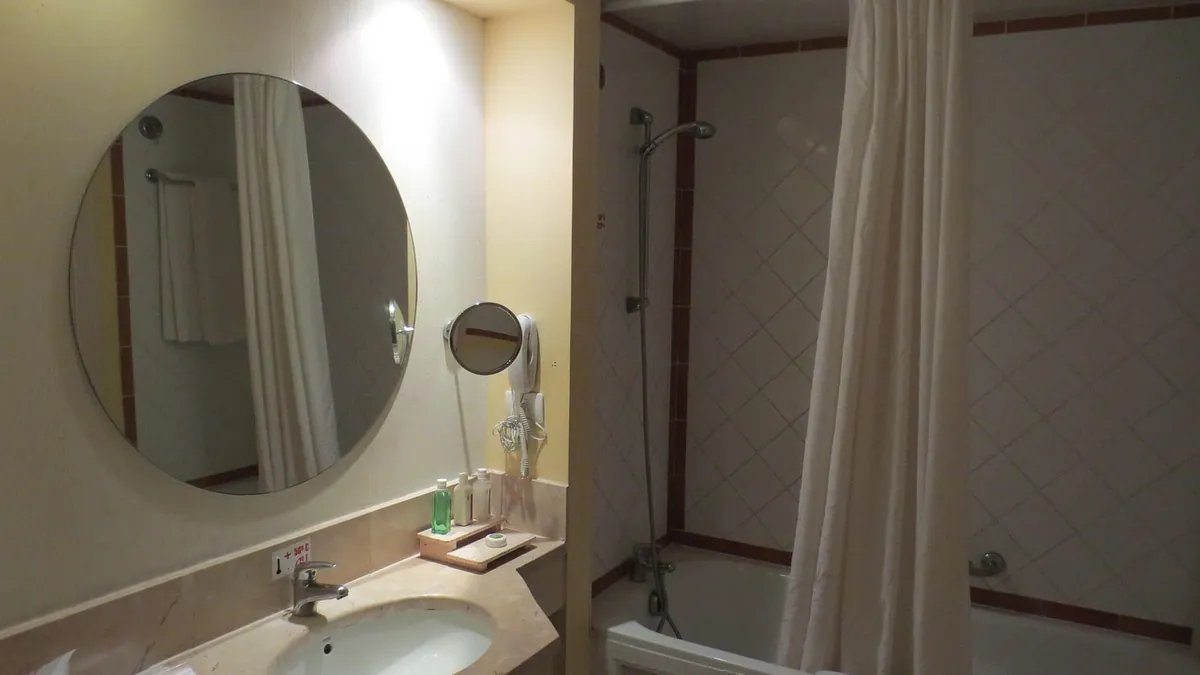
Consider a leaking roof: this is a direct entry point for rainwater. The water visibly drips or stains, making its path clear. This is a straightforward case of water entering the house. In contrast, consider a bathroom after a hot shower. The steam condenses on cold surfaces. This is also water entering the house as liquid, but its origin is internal, and the mechanism is a phase change from vapour to liquid, not a breach of the external envelope.
Lateral damp, where groundwater seeps through a basement wall, represents another direct entry. The water moves from the soil, through the wall, and into the habitable space. This is a clear case of water ingress.
Conversely, moisture movement can include the daily respiration of occupants adding water vapour to the air, or the slow diffusion of vapour through a wall from a humid exterior to a drier interior, which might not cause a problem unless it condenses. The core difference is often about whether the water is actively intruding in a damaging way versus being part of a normal, sometimes even desirable, atmospheric exchange.
| Characteristic | How Water Enters a House (Problematic Ingress) | Moisture Movement (General) |
|---|---|---|
| Primary Goal | Preventing unwanted water intrusion and damage | Managing overall humidity and water transfer |
| Sources | Rain (penetrating damp), ground (rising/lateral damp), leaks (plumbing), internal activities (condensation) | External atmosphere, internal activities (cooking, breathing, washing), building material properties |
| Mechanisms | Gravity, pressure, capillary action, phase change (condensation) | Diffusion, convection, capillary action, absorption, adsorption |
| Visibility | Often visible (stains, drips, mold, peeling paint) | Often invisible (vapour, internal material moisture content) until problematic |
| Impact | Structural damage, material degradation, health issues, reduced insulation efficiency | Can be benign; if uncontrolled, leads to problems listed above |
| Remedy Focus | Repairing breaches, diverting water, improving ventilation, sealing | Balancing ventilation, heating, insulation, and vapour control |
Shared Benefits and Overlaps
Understanding both direct water entry and broader moisture movement provides a comprehensive view of a home’s water dynamics. The primary shared benefit is the ability to diagnose and mitigate moisture-related problems effectively. For instance, a persistent damp patch on an internal wall might initially seem like penetrating damp. However, a deeper understanding of moisture movement could reveal it’s actually condensation due to a cold spot and poor ventilation, or even rising damp if it’s at ground level.
Both concepts highlight the importance of the building envelope as a critical barrier. A well-designed and maintained envelope should prevent rainwater ingress, control air leakage (which carries moisture), and manage the thermal performance of the structure to reduce condensation risks. Good insulation, for example, helps prevent condensation by keeping internal surfaces warmer, thus reducing moisture’s ability to turn from vapour into liquid. Simultaneously, insulation can slow down the transfer of heat, which in turn can influence where condensation might form.
Furthermore, both concepts underscore the interconnectedness of a home’s systems. A plumbing leak (direct water entry) can lead to elevated indoor humidity, contributing to condensation issues elsewhere. Poor external drainage (how water enters) can saturate the ground, increasing the risk of rising damp (moisture movement via capillary action). Therefore, a holistic approach to moisture management considers all these pathways and their interactions.
Consider a scenario where a homeowner notices black mold appearing on a bedroom wall. Initially, they might suspect a leak. However, upon investigation, it’s found that the room is poorly heated and ventilated, leading to high humidity and surface condensation. Here, the “how water enters” (as condensed liquid) is a direct result of broader “moisture movement” (high internal humidity not being adequately removed). The solution involves addressing both: improving ventilation to remove excess moisture and potentially increasing heating or insulation to prevent surfaces from getting too cold.
When Understanding Direct Water Entry (Rainwater, Leaks) May Be a Better Fit
Focusing specifically on how water enters a house in a direct, problematic way is crucial when dealing with acute, visible, or sudden water issues. This perspective is particularly useful for:
- Diagnosing penetrating damp: When water stains appear on walls or ceilings, especially after heavy rain or wind-driven rain, the immediate concern is identifying the breach in the external envelope. This could be a damaged roof tile, a crack in the rendering, a faulty window seal, or blocked gutters overflowing. The “how water enters” approach directs attention to the exterior of the building and specific points of failure.
- Addressing plumbing leaks: A burst pipe, a leaking appliance, or a faulty shower tray are clear examples of internal water sources directly introducing water into the building fabric. Here, the focus is on locating the leak, stopping the flow, and repairing the damaged component. The water is entering the structure from an internal source, often with immediate and significant consequences.
- Managing rising or lateral damp: If dampness is localized at the base of walls, particularly in older properties or basements, the investigation centers on groundwater intrusion. This involves examining the ground levels around the property, the condition of damp-proof courses (DPCs), and the presence of any external drainage issues. The water is actively entering the structure from the ground.
In these situations, the problem is less about general humidity management and more about a specific failure in the building’s defenses against liquid water. The goal is to identify the entry point and physically block or divert the water. For example, if rain is entering through a cracked window frame, simply ventilating the house more won’t solve the problem; the frame needs repair or replacement. The trade-off here is that while addressing the immediate ingress, secondary issues like lingering moisture within the building materials or subsequent condensation might still need attention, but the primary task is stopping the initial flow.
When Understanding Broader Moisture Movement May Be a Better Fit
A broader understanding of moisture movement is more appropriate when dealing with chronic, widespread, or less obvious dampness issues, particularly those related to atmospheric conditions or material properties. This perspective is invaluable for:
- Tackling condensation: This is perhaps the most common form of “moisture movement gone wrong.” Condensation occurs when warm, moist air cools rapidly upon contact with a cold surface, turning into liquid water. The source of the moisture is often internal (cooking, showering, breathing, drying clothes), and the solution involves a balance of heating, ventilation, and insulation. Understanding the psychrometrics of air (temperature, humidity, dew point) is key to preventing condensation.
- Assessing interstitial condensation: This occurs within the building fabric, often unseen, when warm, moist air diffuses through walls or roofs and condenses on a colder layer inside the structure. This requires an understanding of vapour pressure, material permeability, and the building’s thermal profile. It’s a prime example of moisture movement that isn’t direct water entry but can cause significant long-term damage.
- Evaluating drying potential: After any water ingress event, understanding how moisture moves out of building materials is critical for successful remediation. This involves considering air movement, temperature, relative humidity, and the hygroscopic properties of materials. Simply stopping the leak isn’t enough; the structure must be allowed to dry out properly to prevent further issues like mold growth or material degradation.
- Preventive design and maintenance: A comprehensive understanding of moisture movement informs better building design (e.g., proper vapour barriers, rainscreens, ventilation systems) and maintenance practices. It helps anticipate potential problems before they manifest as direct water entry or visible dampness.
For example, a homeowner might notice a musty smell in a rarely used cupboard, with no obvious signs of a leak. This could be due to poor air circulation and consistent high humidity, leading to mold growth from ambient moisture. Here, the solution isn’t patching a hole but improving airflow, potentially adding a dehumidifier, or ensuring the cupboard isn’t against an uninsulated external wall. The problem isn’t water entering via a breach, but rather moisture accumulating and moving within the space due to environmental conditions.
How to Choose Based on Goals and Context
The choice of focus – direct water entry versus broader moisture movement – isn’t mutually exclusive but rather a matter of emphasis depending on the specific problem and desired outcome.
If your goal is immediate remediation of a visible water problem: Prioritize understanding direct water entry.
- Context: You see dripping water, a rapidly expanding damp patch, or standing water.
- Action: Identify the source of the liquid water. Is it from above (roof, upper floor leak)? From the side (penetrating rain, lateral damp)? From below (rising damp, burst pipe)? Once the source is identified, stop the ingress. This might involve calling a plumber, roofer, or damp specialist. The immediate task is to prevent more water from entering.
Example Scenario: A strong storm causes a visible leak around a chimney stack, leading to water stains on the ceiling below. Your focus is on the penetrating damp. You’d inspect the chimney flashing, the condition of the mortar, and the roof tiles immediately surrounding it. The goal is to repair the specific breach that allowed rainwater to enter.
If your goal is long-term moisture control, preventing future issues, or addressing chronic dampness without an obvious leak: Focus on the principles of broader moisture movement.
- Context: You have persistent mold, musty smells, peeling paint in multiple areas without a clear leak, or a general feeling of stuffiness or coldness in the home.
- Action: Assess the overall indoor environment. What are the sources of internal moisture? Is there adequate ventilation? Is the heating sufficient and evenly distributed? Are there cold spots indicative of poor insulation? Consider the building materials and their hygroscopic properties. This might involve improving ventilation systems, adding insulation, adjusting heating patterns, or using dehumidifiers.
Example Scenario: A property consistently suffers from black mold growth on north-facing walls and in corners, especially during colder months, despite no visible leaks. This points to condensation and broader moisture movement issues. You’d investigate internal humidity levels, surface temperatures of the affected walls, the effectiveness of existing ventilation (e.g., extractor fans), and the home’s overall thermal envelope. Solutions might involve installing trickle vents, a positive input ventilation system, or adding internal wall insulation.
Often, a comprehensive solution requires addressing both. For instance, after stopping a significant leak (direct entry), you’ll still need to manage the drying process (moisture movement) within the affected materials to prevent secondary problems like mold or rot. A damp-proof course (DPC) is installed to prevent rising damp (direct entry via capillary action), but adequate ventilation is still needed inside to manage general humidity levels.
Here’s a decision table to guide your approach:
| Problem Type | Primary Focus | Key Questions to Ask | Typical Actions |
|---|---|---|---|
| Sudden Leak/Drip | Direct Water Entry (Penetrating/Plumbing) | Where is the water coming from? Is it constant or intermittent? | Locate and repair the source (roof, pipe, window). Clear debris. |
| Rising Damp (Base of Walls) | Direct Water Entry (Capillary) | Is the dampness uniform along the wall? Is it only at ground level? | Inspect/install/repair DPC. Improve external drainage. Remove bridge points. |
| Widespread Mold/Mustiness | Broader Moisture Movement (Condensation, Humidity) | What are internal humidity levels? Is there adequate ventilation? Are surfaces cold? | Improve ventilation (extractor fans, trickle vents). Increase heating. Add insulation. Use dehumidifier. |
| Damp After Rain (Specific Area) | Direct Water Entry (Penetrating) | Is there damage to the exterior? Is the drainage working? | Inspect roof, gutters, downpipes, rendering, window/door seals. Repair as needed. |
| Interstitial Dampness (Unseen) | Broader Moisture Movement (Vapour Diffusion) | What is the wall/roof construction? Is there a vapour barrier? | Professional assessment. May involve adding/improving vapour control layers, insulation. |
| Post-Flood Drying | Both (Initial Entry, then Movement) | Is all ingress stopped? How can materials dry efficiently? | Stop water source. Dehumidify. Ventilate. Heat. Monitor moisture levels. |
Frequently Asked Questions
What is how water enters a house?
“How water enters a house” refers to the various ways liquid water or significant water vapour intrudes into the habitable space or building fabric, often leading to damage or discomfort. This includes external sources like rainwater (penetrating damp), groundwater (rising or lateral damp), and internal sources like plumbing leaks or excessive condensation. The core idea focuses on the pathways and mechanisms of water ingress.
How does how water enters a house compare with alternatives?
The concept of “how water enters a house” is often compared to the broader term “moisture movement.” While “how water enters a house” focuses on the specific, often problematic, entry of water, “moisture movement” encompasses all forms of water transfer, including vapour diffusion through materials, air currents carrying moisture, and even the controlled flow of water in utility systems. The key distinction is often between an undesirable intrusion (water entering) and general water dynamics within and around a building. For example, a leaky roof is a clear case of water entering, whereas the slow diffusion of water vapour through a breathable wall is moisture movement that may or may not be problematic.
What are the most common mistakes people make with how water enters a house?
- Misdiagnosis: One of the most frequent errors is misidentifying the source or type of dampness. For instance, mistaking condensation for rising damp, or vice-versa, leads to ineffective and costly remedies.
- Addressing symptoms, not causes: Painting over a damp patch or cleaning mold without resolving the underlying water ingress or moisture issue provides only temporary relief and allows the problem to worsen unseen.
- Ignoring external factors: Many internal damp problems, especially penetrating or rising damp, originate from external issues like blocked gutters, damaged rendering, poor drainage, or overgrown vegetation against walls. Failing to inspect and maintain the exterior is a common oversight.
- Inadequate ventilation: In an effort to save energy, people often seal their homes tightly without providing sufficient ventilation, leading to a build-up of internal moisture and subsequent condensation problems.
- Over-insulation without vapour control: Adding insulation without considering how it affects the movement of water vapour can lead to interstitial condensation within walls or roofs, causing hidden damage.
- DIY fixes without understanding: Attempting complex damp or water ingress repairs without a clear understanding of building physics or material properties can exacerbate the problem or create new ones.
Conclusion
Understanding how water enters a house, whether through direct penetration, capillary action, or condensation, is fundamental to maintaining a healthy and resilient home. While direct water entry points demand immediate attention to prevent structural damage, a broader grasp of moisture movement helps manage internal humidity and prevent chronic issues. The most effective approach often involves a combination of both perspectives, allowing for accurate diagnosis, targeted remediation, and proactive prevention. For any significant or persistent dampness, consulting with a qualified building professional is always a prudent next step.
DIY safety disclaimer
Home Leak Fix publishes general DIY information for homeowners. Water intrusion can involve structural, electrical, height, mould, or insurance risks. Use proper safety equipment, follow local building rules, and call a qualified professional when a repair is unsafe, unclear, or beyond your experience.