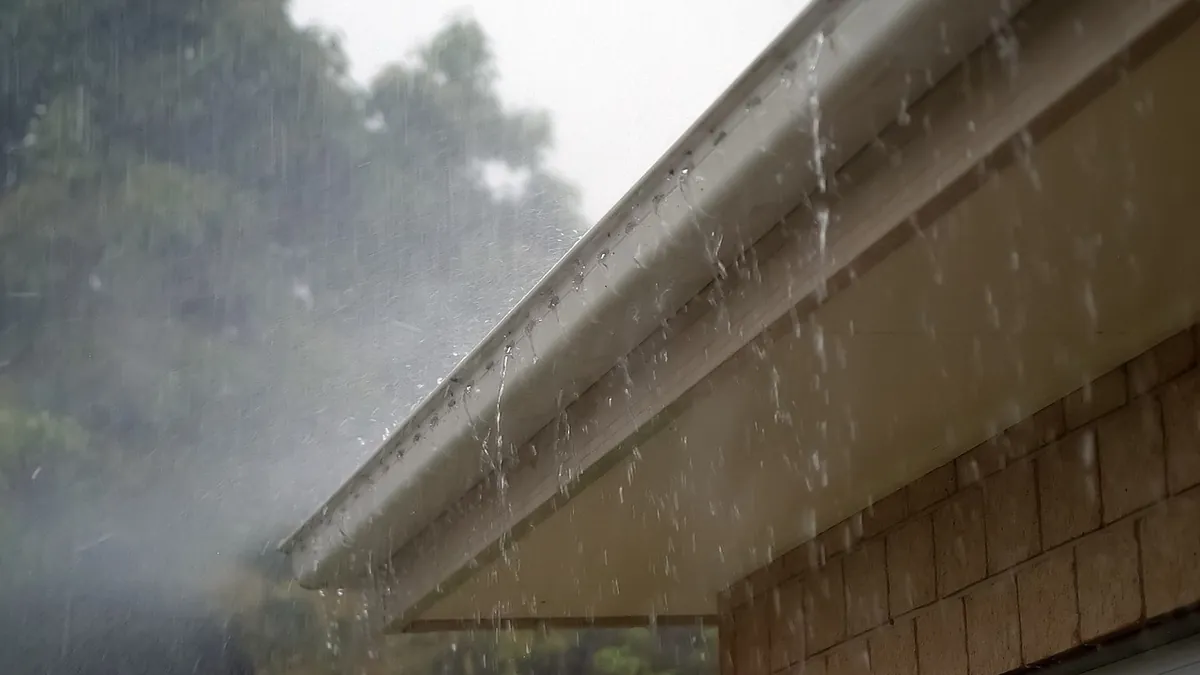
A leaking conservatory gutter can be more than just an annoyance; it can signal underlying issues that, if left unaddressed, may lead to more significant damage to your conservatory structure, foundations, or even the adjacent property. Understanding the distinction between a general “conservatory water leak” and a specific “conservatory gutter leak” is the first step toward effective diagnosis and repair. While both involve unwanted water, their origins and solutions often differ. This article explores the common causes of conservatory gutter leaks, how to identify them, and what DIY checks you can perform before calling in a professional.
Key Differences Between Conservatory Gutter Leak and Conservatory Water Leak
The terms “conservatory gutter leak” and “conservatory water leak” are often used interchangeably, but they refer to different problem areas within a conservatory’s water management system. Understanding this distinction is crucial for accurate diagnosis and effective repair.
A conservatory gutter leak specifically refers to water escaping from the guttering system itself. This system includes the horizontal channels that collect rainwater from the conservatory roof, the downpipes that carry water vertically, and the various connectors, end caps, and seals that join these components. When we talk about a gutter leak, we’re pinpointing an issue with the integrity or function of these specific parts.
Conversely, a conservatory water leak is a broader term encompassing any instance of unwanted water ingress into or around the conservatory. This could stem from a leaking roof panel, failed sealant around windows or doors, cracks in the base, or even issues with the main house’s adjacent structure. While a gutter leak is a type of water leak, not all water leaks are gutter leaks.
Consider a practical scenario: if you notice a drip coming down the side of your conservatory wall, just below the roofline, especially during or after rain, it’s highly likely to be a gutter leak. The water is escaping the intended channel. If, however, you find water pooling inside your conservatory on the floor, and the roof panels themselves appear wet from the inside, or there’s dampness around a window frame, that points to a general conservatory water leak, possibly from the roof or seals, not necessarily the guttering.
The trade-off here lies in the diagnostic effort. Identifying a general conservatory water leak often requires a more extensive search, as the source could be almost anywhere. A conservatory gutter leak, by definition, narrows the investigation to the guttering components, making the initial troubleshooting potentially more straightforward.
| Feature | Conservatory Gutter Leak | Conservatory Water Leak |
|---|---|---|
| Location | Specifically the guttering, downpipes, and fittings | Anywhere on or in the conservatory (roof, walls, base, etc.) |
| Primary Cause | Cracks, blockages, failed seals, loose joints | Failed roof seals, cracked panels, poor flashing, base issues |
| Indicator | Water dripping from the gutter, overflowing | Water ingress into the conservatory, damp patches inside |
| Repair Focus | Gutter cleaning, sealing joints, replacing sections | Roof panel replacement, re-sealing, structural repair |
| Scope | More localized and often visible externally | Can be internal or external, potentially harder to trace |
Shared Benefits and Overlaps
Despite their differences, addressing either a conservatory gutter leak or a broader conservatory water leak shares several benefits and involves overlapping considerations. Both issues, if left unaddressed, can lead to similar negative outcomes and require a similar proactive approach.
The primary shared benefit of resolving either type of leak is preventing structural damage. Water ingress, regardless of its source, can compromise the integrity of timber frames, degrade uPVC components, and weaken the foundations of your conservatory or even the adjacent property. Prolonged exposure to moisture can lead to rot, rust, and material fatigue, significantly shortening the lifespan of the structure.
Another overlap is the mitigation of damp and mold issues. Any unwanted water can create a damp environment, which is an ideal breeding ground for mold and mildew. This not only causes unpleasant odors and unsightly stains but can also impact indoor air quality. Whether the water originates from an overflowing gutter or a compromised roof panel, the damp conditions it creates pose health risks and can damage internal furnishings.
Both types of leaks also share the potential for aesthetic damage and devaluation. Stains on walls, ceilings, and floors, peeling paint, and visible damp patches detract from the appearance of your conservatory and can reduce your property’s appeal and market value. A well-maintained conservatory, free from leaks, adds to the home’s overall aesthetic and functionality.
Furthermore, the diagnostic process often begins with similar steps. For both a gutter leak and a general water leak, the initial investigation typically involves observing water flow during rain, looking for visible signs of damage, and tracing the path of the water. While the specific components examined will differ, the methodical approach to identifying the source is largely the same. For instance, clearing debris from gutters is a good first step for both scenarios, as an overflowing gutter can cause a water leak into the conservatory, even if the primary leak isn’t directly from the gutter itself.
Finally, the need for regular maintenance is a shared preventative measure. Keeping gutters clear, inspecting seals, and checking for general wear and tear are practices that help prevent both specific gutter leaks and broader water ingress issues. A proactive approach to conservatory upkeep can save significant time and money on future repairs, regardless of the leak’s specific origin.
When Conservatory Gutter Leaks May Be a Better Fit
Focusing specifically on a “conservatory gutter leak” as the problem definition is often a better fit when the evidence clearly points to the guttering system as the source of water escape. This targeted approach allows for more efficient diagnosis and repair, often with less disruption than investigating a broader water leak.
A conservatory gutter leak is a better fit when:
- You observe water overflowing or dripping directly from the gutter channels or joints. If, during or after rainfall, you can visually confirm water spilling over the edge of the gutter, dripping from a joint, or spraying from a crack in the gutter material, then a gutter leak is the precise problem. This direct observation simplifies the diagnostic process. For example, watching rainwater cascade over a blocked section of gutter points directly to a blockage as the cause of the overflow, which then leads to water leakage elsewhere.
- Dampness or staining appears consistently directly below the gutter line on the conservatory wall or foundation. If water marks or damp patches are localized to the area immediately beneath the guttering, and not higher up on the roof or walls, it strongly suggests the gutter system is failing to contain and direct the water. This pattern of damage is a key indicator.
- The leak is intermittent and directly correlated with heavy rainfall or specific weather conditions that impact gutter function. For instance, if the leak only occurs during heavy downpours that overwhelm the gutter’s capacity, or when high winds dislodge debris, it points to a gutter-specific issue rather than a constant structural flaw. A small crack might only leak under pressure, or a loose joint might only separate when buffeted by wind.
- The primary issue is a visible blockage, such as leaves, moss, or debris. If you can see an accumulation of organic matter in the gutters preventing water flow, and this correlates with leakage, then addressing the gutter blockage is the immediate solution. This is a common and often easily remedied cause of gutter leaks.
- You’re performing routine maintenance and discover a localized fault in the guttering. During a regular clean-out, you might notice a hairline crack in a uPVC gutter section, a perished rubber seal in a joint, or a downpipe that has come loose. These are specific guttering issues that require targeted repair.
In these situations, focusing your efforts on “conservatory gutter leak” allows you to bypass a more extensive investigation into the entire conservatory structure. It directs you towards inspecting gutter components, clearing blockages, sealing joints, or replacing damaged sections, making the repair process more direct and potentially less costly. The alternative, a broad search for a “conservatory water leak,” would be an overcomplicated approach when the evidence is so specific.
When Conservatory Water Leaks May Be a Better Fit
Conversely, defining the problem as a “conservatory water leak” is a more appropriate and necessary approach when the evidence suggests a broader issue beyond just the guttering. This wider scope is essential when the source of water ingress is not immediately obvious or appears to originate from the main structure of the conservatory itself.
A conservatory water leak is a better fit when:
- Water is appearing inside the conservatory, but the gutters appear to be functioning correctly externally. If you’re finding puddles on the floor, damp carpets, or water dripping from the internal ceiling or roof panels, yet the gutters outside are clear and not overflowing, the leak source is likely elsewhere. This could be a failed seal between roof panels, a crack in a panel, or compromised flashing where the conservatory meets the main house.
- Damp patches or visible water ingress are observed high up on the conservatory roof or walls, or around window and door frames. If the moisture is appearing above the gutter line, or around sealed components like glazing bars, window sashes, or door thresholds, then the problem is a general water leak, not a gutter-specific one. For example, water seeping through the top edge of a roof vent, even if the gutter below is perfectly fine.
- The leak is persistent, even during light rain, or appears to be coming from a structural joint or seam. If the water ingress isn’t solely linked to heavy downpours overwhelming the gutters but is a constant issue during any rainfall, it points to a breach in the conservatory’s weatherproofing. This might involve a compromised seal where two roof sections meet, or a failing point in the conservatory’s interface with the main building.
- There are signs of water damage on the main house wall adjacent to the conservatory, above the gutter level. If the main house wall is showing signs of dampness, peeling paint, or mold, and this is occurring higher than where the conservatory gutter connects, it could indicate issues with the conservatory’s flashing or sealing against the main property, allowing water to penetrate.
- You’ve already checked and confirmed that the gutters are clear, intact, and properly aligned, but the leak persists. If initial DIY checks on the guttering system yield no obvious faults, but water is still finding its way in, then the problem lies beyond the gutters. This necessitates a more comprehensive investigation of the entire conservatory envelope.
In these instances, limiting your investigation to just the “conservatory gutter leak” would be insufficient and could lead to misdiagnosis and ineffective repairs. A broader “conservatory water leak” approach necessitates checking roof seals, panel integrity, flashing, window and door seals, and even the conservatory’s base for cracks or subsidence. This wider scope, while potentially more complex, is crucial for accurately identifying and resolving the root cause of the water ingress.
How to Choose Based on Goals and Context
Choosing how to frame your problem – as a “conservatory gutter leak” or a broader “conservatory water leak” – depends heavily on your immediate observations and ultimate goals. Your context, including available tools, time, and DIY comfort level, also plays a significant role.
If your primary goal is a quick, targeted repair and your observations strongly suggest the guttering, then focusing on a “conservatory gutter leak” is the most efficient approach. This is suitable when:
- You have clear visual evidence: Water is actively spilling from the gutter, dripping from a joint, or the gutter is visibly full of debris and overflowing.
- The damage is localized: Dampness or staining is directly below the gutter line.
- You’re comfortable with basic DIY tasks: Cleaning gutters, applying gutter sealant, or tightening a bracket are within your skillset.
- Your budget is limited: Targeted repairs are generally less expensive than comprehensive structural investigations.
Example Scenario: You notice water cascading over a section of your conservatory gutter during a heavy rain shower, and there’s a damp patch on the wall directly underneath. Your goal is to stop this specific overflow. In this context, you’d focus on a “conservatory gutter leak,” likely involving a gutter clean-out or sealing a joint.
If your goal is a comprehensive diagnosis and long-term solution for persistent or widespread water ingress, even if the gutters seem fine, then approaching it as a “conservatory water leak” is more appropriate. This is necessary when:
- The source is unclear: Water is appearing inside the conservatory, but you can’t pinpoint an external origin, or the gutters appear clean and intact.
- Damage is widespread or internal: Dampness is on roof panels, internal walls, or the floor, with no obvious external gutter issue.
- You suspect structural issues: There are signs of subsidence, cracked panels, or failing seals around the roof or windows.
- You require professional expertise: The problem is beyond your DIY capabilities, or you want a thorough assessment.
Example Scenario: You’ve consistently found puddles on your conservatory floor after rain, but your gutters are clear, and there’s no visible overflow. You also notice dampness on an internal roof panel. Your goal is to find the true source and prevent future internal leaks. Here, you’d investigate it as a “conservatory water leak,” which might involve checking roof panel seals, flashing, or frame integrity, potentially requiring a professional.
Ultimately, the choice dictates your investigative path. A “conservatory gutter leak” begins with an inspection of the gutter system. A “conservatory water leak” starts with a wider survey of the entire conservatory structure, including the roof, walls, windows, and its connection to the main house. It’s often prudent to start with the simpler, more localized “conservatory gutter leak” checks first, as these are common and relatively easy to fix. If those don’t resolve the issue, then expanding your focus to a broader “conservatory water leak” investigation becomes the logical next step.
Frequently Asked Questions
What is conservatory gutter leak?
A conservatory gutter leak refers specifically to water escaping from the guttering system designed to collect and channel rainwater off your conservatory roof. This includes leaks from the horizontal gutter channels themselves, their joints, end caps, stop ends, or the vertical downpipes. Common causes are blockages from leaves or moss, cracks in the gutter material, perished seals in joints, or loose connections that prevent the gutter system from functioning as intended. Unlike a general water leak, a gutter leak’s source is confined to these specific components.
How does conservatory gutter leak compare with alternatives?
When considering “alternatives,” we’re usually comparing a specific gutter leak to other types of water ingress in a conservatory, such as roof panel leaks, window/door seal failures, or issues with the conservatory’s base.
| Feature | Conservatory Gutter Leak | Roof Panel Leak | Window/Door Seal Leak |
|---|---|---|---|
| Origin Point | Guttering, downpipes, joints, end caps | Roof panels, glazing bars, roof vent seals | Seals around window/door frames, glass-to-frame seals |
| Symptoms | Overflowing gutters, drips from gutter joints, damp below gutter line on exterior wall | Water dripping from internal ceiling/panels, damp patches on roof from inside | Water seeping around window/door frames, damp on internal sills |
| Common Causes | Blockages, cracks, failed seals in joints, loose fittings | Perished panel seals, cracked panels, poor installation, damaged flashing | Degraded rubber seals, failed silicone, improper drainage from frames |
| DIY Feasibility | Often high (cleaning, sealing) | Moderate to low (re-sealing, panel replacement may require professional) | Moderate (re-sealing) to low (frame adjustment) |
| Impact if Unfixed | Foundation erosion, external wall damage, damp | Internal damp, mold, damage to internal furnishings, structural degradation | Internal damp, mold, draughts, reduced insulation |
The primary difference lies in the location of the problem and, subsequently, the required repair. A gutter leak is an external water management issue, while other leaks are typically breaches in the conservatory’s envelope itself.
What are the most common mistakes people make with conservatory gutter leak?
- Ignoring it: The most common mistake is assuming a small drip isn’t a big deal. Even minor, consistent leaks can lead to significant water damage, damp, and mold over time, often costing more to fix later.
- Misdiagnosing the source: People often assume any water issue is a gutter leak when it might be a roof panel, window seal, or even a leak from the main house’s roof affecting the conservatory. This leads to ineffective repairs and continued problems. Always confirm the source before attempting a fix.
- Not clearing blockages first: Many gutter leaks are simply due to blockages from leaves, moss, or debris. Before attempting any complex repairs like sealing or replacing sections, ensure the gutters and downpipes are completely clear.
- Using the wrong sealant or repair material: Not all sealants are suitable for outdoor use, uPVC, or constant water exposure. Using standard silicone where a specialized gutter sealant is needed, or attempting to patch a large crack with a material not designed for it, will result in a temporary fix that quickly fails.
- Working unsafely: Climbing ladders without proper stability, overreaching, or attempting repairs in unsuitable weather conditions (e.g., strong winds, heavy rain) can lead to serious accidents. Prioritize safety with stable ladders, an assistant, and appropriate weather.
- Over-tightening fixings: While loose brackets can cause leaks, over-tightening them can crack or deform uPVC gutters, leading to new leaks or structural weaknesses.
- Neglecting regular maintenance: Waiting for a leak to appear before inspecting gutters is reactive. Regular cleaning and inspection (twice a year, ideally) can prevent most gutter leaks before they start.
Conclusion
Understanding the difference between a specific conservatory gutter leak and a broader conservatory water leak is the first step toward effective problem-solving. While a general water leak demands a comprehensive investigation of the entire conservatory structure, a gutter leak points directly to the external drainage system. By carefully observing where and when water appears, you can often narrow down the source. Starting with simple DIY checks, such as clearing blockages and inspecting visible joints and seals, can resolve many common gutter issues. If these initial steps don’t address the problem, or if the water ingress points to a more complex structural issue, then it’s time to expand your investigation or consult with a professional. Proactive maintenance remains your best defense against both types of leaks, preserving your conservatory’s integrity and value.
DIY safety disclaimer
Home Leak Fix publishes general DIY information for homeowners. Water intrusion can involve structural, electrical, height, mould, or insurance risks. Use proper safety equipment, follow local building rules, and call a qualified professional when a repair is unsafe, unclear, or beyond your experience.