A leaking gutter end cap is a common household issue, often signaling a need for attention to your home’s drainage system. This article explains the underlying causes of these leaks and provide practical steps for repair. Understanding why an end cap leaks is the first step toward a lasting solution, whether the problem stems from simple wear and tear, improper installation, or environmental factors.
Key Differences Between a Leaking Gutter End Cap and Gutter End Cap Sealant
To address a leaking gutter end cap effectively, it’s important to differentiate between the problem itself and a common solution.
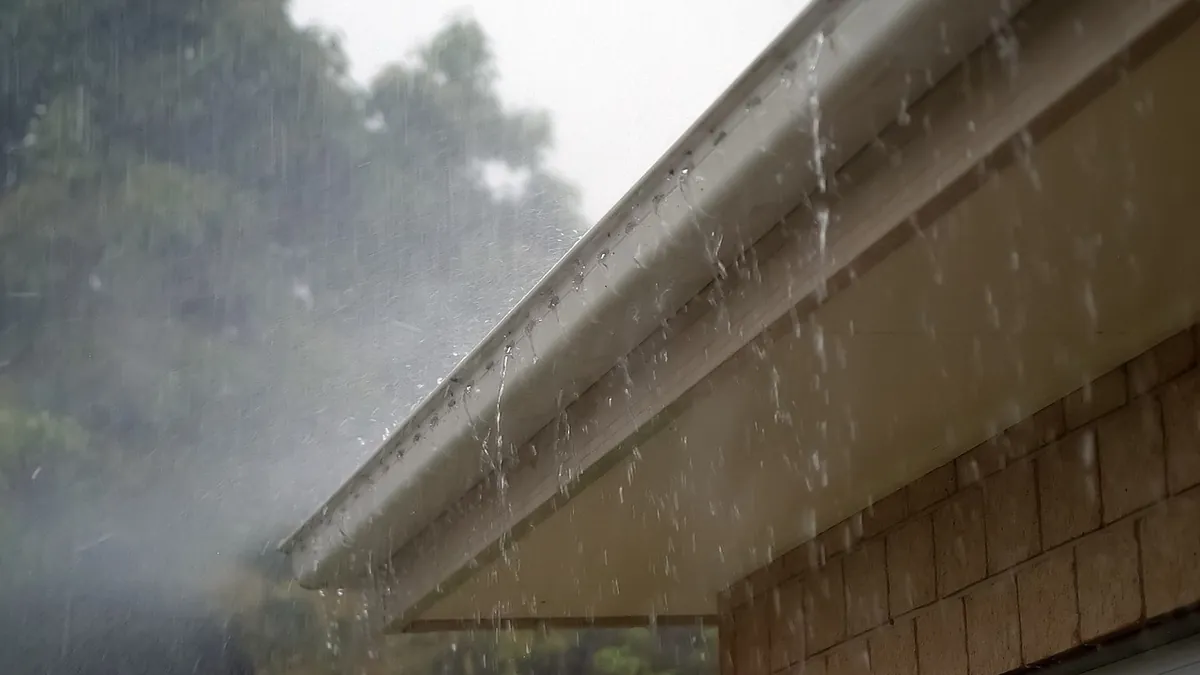
A leaking gutter end cap refers to the symptom: water escaping from the sealed end of a gutter section. This leak is a failure point in the gutter system, allowing water to drip or stream where it shouldn’t, potentially leading to foundation damage, fascia rot, or landscaping erosion. The leak itself isn’t a product or a material; it’s the manifestation of a fault. For instance, if you see a steady drip from the very end of your gutter after a rain shower, that’s a leaking gutter end cap.
Gutter end cap sealant, on the other hand, is a material specifically designed to prevent or repair these leaks. It’s an adhesive, typically a silicone, polyurethane, or butyl-based caulk, applied to the seams of the end cap where it meets the gutter trough. Its purpose is to create a watertight barrier, accommodating the expansion and contraction of the gutter materials. Imagine you’re building a model boat and need to ensure the hull doesn’t take on water; you’d use a sealant. Similarly, gutter sealant acts as the protective layer for your end caps.
The practical implication here is that while a leaking gutter end cap is the issue you observe, gutter end cap sealant is often the primary tool you’ll use to fix it. One is the problem, the other is a potential part of the solution. Neglecting a leaking end cap can lead to significant water damage over time, making timely application of appropriate sealant crucial. However, applying sealant without addressing underlying issues like a loose end cap or corroded metal might only offer a temporary fix.
Shared Benefits and Overlaps
While one is a problem and the other a solution, both a leaking gutter end cap (as a repair scenario) and gutter end cap sealant (as a repair material) share common ground in their ultimate objective: managing rainwater effectively.
The primary shared benefit, when the problem is addressed, is protection of your home’s foundation and landscaping. A properly sealed gutter system, free of leaks, directs water away from the house. This prevents water from pooling around the foundation, which can lead to cracks, basement flooding, and costly structural repairs. It also safeguards garden beds and landscaping from erosion.
Another overlap lies in the maintenance cycle of a gutter system. Any leak, including one from an end cap, signals a need for inspection and maintenance. The repair process, often involving sealant, is part of routine home care. Ignoring a small leak can lead to a larger, more complex problem. For example, a minor drip from an end cap might seem insignificant, but over months or years, that constant moisture can rot the wooden fascia board it drips on, attracting pests and compromising the roof structure. The act of repairing a leaking end cap with sealant contributes to the overall longevity and performance of the entire gutter system, ensuring it continues to channel water as intended.
Furthermore, both concepts are intrinsically linked to cost-effectiveness. Addressing a small leak with sealant is a relatively inexpensive repair. The cost of a tube of high-quality gutter sealant is minimal compared to the potential expenses of repairing foundation damage, replacing rotted fascia, or mitigating mold growth – all consequences of unaddressed gutter leaks. The decision to use sealant is a proactive, cost-saving measure that prevents more significant financial outlays down the line.
When a Leaking Gutter End Cap (as a Symptom) May Be a Better Fit for Certain Repair Approaches
Understanding when a leaking gutter end cap, as a specific type of gutter end leak, points to a particular repair strategy involves recognizing the nature and severity of the leak itself.
Consider a scenario where the end cap is visibly damaged or detached. If you observe a large gap between the end cap and the gutter trough, or if the end cap itself is bent, cracked, or has come loose from its fasteners, simply applying sealant will not suffice. In such cases, the “leaking gutter end cap” is not just a minor seam issue; it’s indicative of a structural failure. The better fit for this situation isn’t just applying more sealant over the damage, but rather replacing the end cap entirely. This is particularly true for older, brittle plastic end caps or heavily corroded metal ones. Attempting to seal a broken or detached part is a temporary patch at best, and often a waste of time and material.
Another instance is when the leak is due to improper installation or an incorrect end cap type. Sometimes, a gutter system might have been installed with an end cap that isn’t quite the right fit for the gutter profile, or it wasn’t attached with enough fasteners. The constant stress and movement from water flow and thermal expansion will inevitably lead to a leak. Here, the “leaking gutter end cap” points to a need for re-installation or replacement with the correct component, rather than just adding more sealant. A concrete example would be a square-profile end cap forced onto a rounded-profile gutter; no amount of sealant will make that a permanent, watertight seal. The structural mismatch is the root cause.
Finally, if the leak is part of a larger gutter system failure, such as widespread corrosion, sagging gutters, or multiple leaks along the gutter seams (a broader rain gutter leak issue), focusing solely on the end cap with sealant might be a misdirection. While the end cap is leaking, it could be a symptom of an overloaded or improperly pitched gutter. In this context, a leaking end cap indicates a need for a comprehensive gutter system inspection and potential overhaul, rather than a targeted sealant application. For instance, if the gutter is holding standing water because it’s not sloped correctly, the pressure on the end cap seals will be higher, leading to leaks that sealant alone won’t permanently fix.
In these situations, the “leaking gutter end cap” acts as a diagnostic flag, guiding you towards more fundamental structural or replacement repairs, beyond just a simple sealant application.
When Gutter End Cap Sealant May Be a Better Fit
Conversely, there are specific situations where gutter end cap sealant is the ideal and most effective solution for a leaking gutter end cap. These scenarios typically involve minor, localized issues where the structural integrity of the end cap and gutter remains sound.
The most common and appropriate use for gutter end cap sealant is when you observe a small, consistent drip or seepage directly from the seam where the end cap meets the gutter trough. This often indicates that the original sealant has aged, cracked, or lost its adhesion due to thermal expansion and contraction over years of weather exposure. For example, if you see a tiny stream of water tracing the line where the end cap joins the main gutter body, and the end cap itself is firmly attached and undamaged, then re-sealing that specific seam is the targeted and effective repair. This type of leak doesn’t suggest structural failure but rather a degradation of the sealant barrier.
Another prime instance for sealant use is after minor impact damage that creates a hairline crack or a small separation in a seam. Perhaps a ladder brushed against the gutter, or a heavy branch fell, causing a slight stress point. If the damage is superficial and doesn’t compromise the overall shape or attachment of the end cap, a flexible, waterproof sealant can effectively bridge this small gap and restore watertightness. For example, if a small ding has caused the metal to flex slightly at the seam, creating a pinhole leak, a good quality sealant can fill that void.
Furthermore, applying new sealant is a proactive measure during routine gutter maintenance, even if no leak is currently present. If you’re cleaning your gutters and notice that the existing sealant at the end caps looks dry, brittle, or shows early signs of cracking, applying a fresh bead of sealant can prevent a leak before it starts. This preventative approach extends the life of the existing end cap and avoids future problems. This is particularly relevant for gutters that are several years old, as most sealants have a finite lifespan.
In these cases, the problem isn’t the end cap itself, but the integrity of the seal. Gutter end cap sealant provides a flexible, durable, and cost-effective way to restore that integrity without needing to replace components.
How to Choose Based on Goals and Context
Deciding between a simple sealant application, a more involved repair, or even a full replacement for a leaking gutter end cap depends heavily on your specific goals, the context of the leak, and your resources.
Your primary goal is always to achieve a lasting, watertight repair. This means understanding the root cause of the leak, not just patching the symptom.
Consider the age and material of your gutters and end caps. Older, galvanized steel gutters with soldered end caps might require different attention than modern aluminum gutters with crimped and sealed end caps, or PVC gutters with glued fittings.
For minor leaks from seams on relatively new, undamaged gutters: If the end cap is firmly attached, and the leak is just a drip from the seam, your goal is likely a quick, cost-effective fix. A high-quality gutter end cap sealant is the appropriate choice. This addresses the degradation of the original seal without unnecessary component replacement. The context here is a localized failure of the sealant itself, not the hardware.
For damaged, loose, or visibly corroded end caps: If the end cap is bent, cracked, detached, or heavily rusted, your goal is to restore structural integrity. Simply applying sealant over a broken part is a temporary measure at best. In this context, your choice should lean towards replacing the end cap. This involves removing the old one, cleaning the gutter end, and installing a new end cap, often secured with rivets or screws and then sealed with a durable gutter end cap sealant for a permanent bond.
For widespread leaks, sagging gutters, or multiple issues: If the leaking end cap is just one symptom of a larger problem (e.g., the gutter is pulling away from the fascia, multiple seams are leaking, or water is overflowing due to improper pitch), your goal shifts from a spot repair to a systemic solution. The context here is a failing gutter system. In this scenario, you might need to consider gutter seam repair more broadly, re-pitching sections, or even full gutter replacement. An end cap leak here is a diagnostic indicator that prompts a deeper inspection.
Resource considerations also play a role. If you are comfortable on a ladder and have basic DIY skills, applying sealant or replacing an end cap can be a homeowner project. If the problem is complex, involves significant heights, or requires specialized tools (like a rivet gun for certain end caps), hiring a professional might be the safer and more effective choice.
The table below summarizes these decision points:
| Scenario | Primary Goal | Recommended Approach | Key Considerations |
|---|---|---|---|
| Minor drip from seam, end cap intact | Watertight seal, cost-effective fix | Apply high-quality gutter end cap sealant | Ensure the surface is clean and dry. Use a sealant compatible with your gutter material. This is the most common and easiest fix for simple leaks. |
| End cap visibly loose, bent, or cracked | Restore structural integrity, prevent future leaks | Replace the end cap, then seal | Assess if the gutter itself is damaged. Ensure the new end cap matches the gutter profile. Secure properly (rivets/screws) before sealing. |
| End cap heavily corroded/rusted | Eliminate source of failure, ensure longevity | Replace the end cap | Corrosion indicates material degradation. Sealing over rust will not last. Consider the material of the new end cap (e.g., aluminum, copper, vinyl). |
| Leak due to improper initial installation | Correct underlying structural flaw | Re-install or replace end cap with correct type/method, then seal | This might involve re-shaping the gutter end slightly or using different fasteners. Ensure a proper fit. |
| Leaking end cap is one of many gutter issues | Systemic repair, long-term performance | Comprehensive gutter inspection and repair/replacement of affected sections | Look for sagging, multiple leaks (gutter seam repair), debris blockages, or improper pitch. The end cap leak is a symptom of a larger problem. |
| Preventative maintenance, aging sealant | Proactive protection, extended lifespan | Re-apply gutter end cap sealant | Clean out gutters thoroughly. Inspect all seams. Apply fresh sealant to any areas showing wear or cracking in the old sealant. |
Ultimately, the choice comes down to accurately diagnosing the problem. A leaking gutter end cap is a symptom; the repair strategy must address its cause.
Frequently Asked Questions
What is a leaking gutter end cap?
A leaking gutter end cap occurs when water escapes from the sealed end of a rain gutter instead of flowing through the downspout. Gutter systems are designed to collect rainwater from the roof and direct it away from the foundation. End caps are crucial for closing off the gutter troughs, preventing water from spilling. A leak indicates a failure in this seal, causing water to drip or stream down the side of the house. This can result from old, cracked sealant, a loose or damaged end cap, or improper installation.
How does a leaking gutter end cap compare with alternatives?
The “alternatives” here generally refer to alternative problems or alternative solutions.
Compared to other gutter leak types (alternatives as problems):
- Leaking Gutter End Cap vs. Leaking Gutter Seam: An end cap leak is specific to the very end of a gutter section where it’s capped off. A leaking gutter seam (or gutter joint leak) occurs where two sections of gutter meet and are joined together. While both involve water escaping from a seam, end cap leaks are typically simpler to access and repair as they are at the terminal point of a run. Gutter seam repairs can sometimes be more complex due to the length of the seam and the potential for greater stresses.
- Leaking Gutter End Cap vs. Overflowing Gutter: An overflowing gutter means water is spilling over the entire edge of the gutter. This is often due to blockages (leaves, debris), insufficient downspouts, or improper gutter pitch, causing the gutter to fill up completely. A leaking end cap, conversely, means water is escaping through a specific point of failure in the cap, even if the rest of the gutter is effectively draining. An overflowing gutter often requires cleaning or re-pitching, while an end cap leak requires sealing or replacement.
Compared to repair methods (alternatives as solutions):
- Repairing with Sealant vs. Replacing the End Cap: As discussed, sealant is ideal for minor seam leaks where the end cap is otherwise sound. Replacing the end cap is necessary if it’s significantly damaged, corroded, or improperly installed. Replacing is a more involved, but often more permanent, solution for structural issues.
- DIY Repair vs. Professional Service: For simple leaks and sealant application, DIY is often feasible. For complex issues, high-up gutters, or if you lack confidence, hiring a professional gutter service is a safer and often more effective alternative, ensuring the job is done correctly and safely.
What are the most common mistakes people make with a leaking gutter end cap?
Several common errors can lead to ineffective or temporary repairs for a leaking gutter end cap:
- Not cleaning the surface thoroughly: Applying new sealant over old, dirty, or wet sealant, or onto a corroded surface, will prevent proper adhesion. The area must be completely clean, dry, and free of debris for the sealant to bond effectively.
- Using the wrong type of sealant: Not all sealants are created equal. Using standard household caulk or a sealant not designed for exterior metal or vinyl gutters will likely result in a short-lived repair. Gutter-specific sealants are formulated to withstand UV exposure, temperature fluctuations, and continuous water contact.
- Applying too little or too much sealant: A thin, insufficient bead won’t create a watertight seal. Conversely, globbing on excessive sealant can look messy and doesn’t necessarily improve the seal; it can also make future repairs more difficult. A consistent, adequate bead that fully covers the seam is best.
- Ignoring underlying damage: If the end cap is bent, cracked, or loose, simply applying sealant won’t fix the structural issue. The sealant will eventually fail because the underlying problem hasn’t been addressed. The end cap needs to be repaired or replaced first.
- Working in unsuitable weather conditions: Applying sealant in very cold, hot, or wet conditions can compromise its curing process and adhesion. Most sealants have specific temperature ranges for optimal application and curing.
- Not allowing sufficient cure time: Rushing the process and exposing the newly sealed area to rain before the sealant has fully cured can wash it away or prevent it from forming a strong bond. Always follow the manufacturer’s recommended cure times.
Conclusion
A leaking gutter end cap is a clear signal that your home’s water management system needs attention. While the problem itself is straightforward, the solution varies depending on the root cause. For minor drips from aging sealant, a targeted application of high-quality gutter end cap sealant is often the most effective and economical fix. However, if the end cap is damaged, loose, or improperly installed, a more involved repair, such as replacement, followed by proper sealing, will be necessary for a lasting solution. Understanding the difference between a symptom and a solution, and accurately assessing the context of the leak, empowers homeowners to choose the right approach, protecting their property from water damage and ensuring the longevity of their gutter system.
DIY safety disclaimer
Home Leak Fix publishes general DIY information for homeowners. Water intrusion can involve structural, electrical, height, mould, or insurance risks. Use proper safety equipment, follow local building rules, and call a qualified professional when a repair is unsafe, unclear, or beyond your experience.