Deciding between applying a liquid roof coating and undertaking a full roof replacement is a common dilemma for property owners. Both options address roof issues, but they do so in fundamentally different ways, with distinct implications for cost, longevity, and disruption. This article will clarify the practical differences, shared benefits, and specific scenarios where one approach might be more suitable than the other, helping you make an informed decision based on your property’s needs and your long-term goals.
Key Differences Between Liquid Roof Coating and Full Roof Replacement
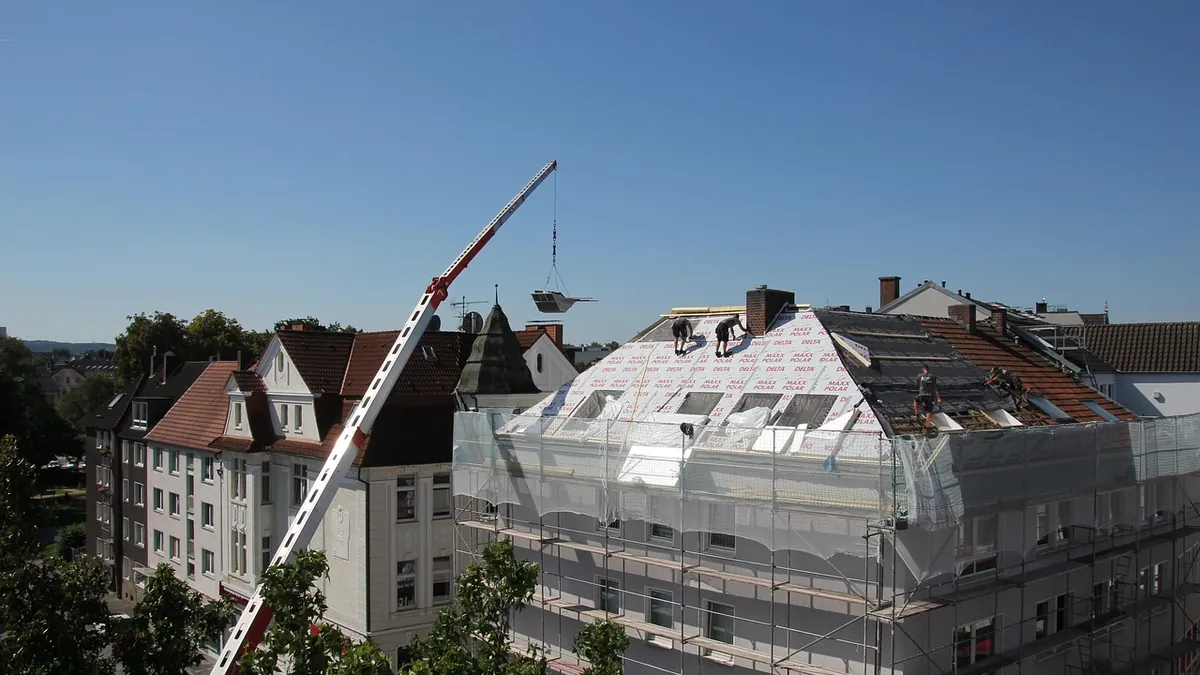
At its core, the distinction between a liquid roof coating and a full roof replacement lies in their scope and intent. A full roof replacement involves removing the existing roofing system down to the deck and installing an entirely new one. This is a comprehensive overhaul, designed to provide a completely fresh start for the roof’s lifespan.
A liquid roof coating, on the other hand, is a restorative process. It involves cleaning and preparing the existing roof surface, making minor repairs, and then applying one or more layers of a liquid material that cures into a seamless, protective membrane. This membrane is designed to extend the life of the existing roof, not to replace it. Think of it less as a new roof and more as a durable, high-performance skin applied to the old one.
The practical implications of these approaches are significant. A full replacement is a major construction project. It typically involves extensive labor, disposal of old materials, and can be disruptive to building occupants. The cost is substantial, but it resets the clock on the roof’s warranty and expected lifespan. You’re effectively installing a new asset.
A liquid roof coating project is generally less invasive. It requires less labor, generates minimal waste, and often allows for continued operation of the building during application. The cost is usually a fraction of a full replacement. However, its effectiveness is contingent on the structural integrity of the underlying roof. It’s a repair and enhancement strategy, not a fundamental reconstruction. If the existing roof deck or insulation is compromised, a coating won’t solve those deeper structural issues.
Consider a flat commercial building with a TPO roof. If the TPO membrane is relatively new but has started showing signs of minor leaks at seams or has developed small punctures, a liquid coating could be an efficient solution. The coating would seal these minor issues, provide a new reflective surface, and add years to the existing membrane’s life. If, however, the TPO membrane is 20 years old, brittle, extensively cracked, and the insulation beneath is saturated with water, a coating would be a temporary fix at best, likely failing quickly because it’s applied over a fundamentally compromised system. In this scenario, a full replacement would be necessary to address the underlying issues and ensure long-term performance.
Shared Benefits and Overlaps
Despite their fundamental differences, both liquid roof coatings and full roof replacements share some common objectives and can offer overlapping benefits, particularly in terms of performance and sustainability.
One significant overlap is the ability to improve a building’s energy efficiency. Many modern liquid roof coatings are highly reflective, particularly those with light colors like white or light gray. This reflectivity helps to bounce sunlight away from the building, reducing heat absorption and subsequently lowering cooling costs in warmer climates. While traditional darker roofing materials absorb more heat, a full roof replacement can also be designed with energy efficiency in mind. This might involve specifying lighter-colored membranes (like white TPO or PVC), integrating advanced insulation layers, or incorporating cool roof technologies during the installation of the new system. In both cases, the goal is to reduce the building’s thermal load and its reliance on HVAC systems.
Both options also aim to extend the functional life of the roof, albeit from different starting points. A full replacement provides a new, extended lifespan based on the new materials and installation. A coating extends the life of an existing roof that might otherwise require replacement sooner. This life extension translates to deferred capital expenditure and continued protection of the building’s interior and assets.
Another shared benefit is enhanced weather resistance. A new roof, properly installed, provides robust protection against rain, wind, and UV degradation. Similarly, a high-quality liquid roof coating creates a seamless, monolithic membrane that can significantly improve the existing roof’s resistance to these elements. It can seal small cracks, reinforce seams, and prevent water intrusion, effectively making the roof more resilient. For instance, a silicone coating applied over an aged modified bitumen roof can prevent further UV degradation and water ponding, which are common issues leading to premature failure.
From a sustainability perspective, both approaches can contribute positively. A full replacement, while generating waste, allows for the installation of highly durable and sometimes recyclable materials, contributing to a longer lifecycle. Liquid roof coatings are often praised for their sustainability because they prevent old roof materials from ending up in landfills, thus reducing waste. Furthermore, the energy savings from their reflective properties contribute to a lower carbon footprint over time.
Consider a commercial building owner facing rising energy bills and minor leaks. If they opt for a liquid roof coating, they might choose a highly reflective, elastomeric coating that seals leaks and significantly reduces heat absorption, offering both immediate savings and extended roof life. If they opt for a full replacement, they might choose a new, highly insulated cool roof system that achieves similar energy savings and provides a fresh, long-term solution. The end result—a more energy-efficient and watertight building—can be achieved through either path, depending on the specific condition of the existing roof and the owner’s priorities.
When Liquid Roof Coating May Be a Better Fit
A liquid roof coating is often the preferred solution in specific circumstances where its characteristics align best with the roof’s condition and the property owner’s objectives.
One primary scenario where a liquid coating excels is when the existing roof structure is still sound but the surface layer is showing signs of wear, minor leaks, or UV degradation. This means the roof deck, insulation, and primary waterproofing membrane are largely intact, but the top layer is beginning to fail. Examples include an EPDM roof with chalking and shrinking, a modified bitumen roof with minor alligatoring and seam separation, or a metal roof with surface rust and loose fasteners. In these cases, a coating can effectively restore the waterproofing integrity and protect the underlying system without the need for extensive tear-off.
Cost-effectiveness is another major driver for choosing a liquid roof coating. Coatings typically cost 30-70% less than a full replacement. For property owners with budget constraints or those looking to maximize their return on investment in the short to medium term, a coating can offer significant savings while still providing a robust solution. For example, a small business owner might choose a coating for their flat roof to address leaks and improve energy efficiency without the substantial capital outlay of a full replacement, freeing up funds for other business operations.
Minimal business disruption is also a key advantage. Full roof replacements can be noisy, messy, and require temporary relocation or operational adjustments. Liquid roof coating applications are generally much quieter and less disruptive. There’s no heavy equipment tearing off old materials, and the process is often completed more quickly. This is particularly beneficial for businesses that cannot afford prolonged interruptions, such as hospitals, schools, or retail stores. Imagine a retail complex where closing even a few stores for a week for roof replacement could mean significant lost revenue; a coating allows them to remain open with minimal impact.
Furthermore, if the goal is primarily to enhance energy efficiency and obtain a “cool roof” without needing a complete structural overhaul, a liquid coating is an excellent choice. Many coatings are formulated with high reflectivity and emissivity, drastically reducing the roof’s surface temperature and the building’s cooling load. This is especially relevant in hot climates or for buildings with high internal heat gains. For instance, a manufacturing plant with a dark, heat-absorbing roof could see substantial energy savings by applying a white, reflective coating.
Finally, environmental considerations sometimes favor coatings. By extending the life of an existing roof, coatings divert massive amounts of waste from landfills. This aligns with green building initiatives and corporate sustainability goals. A company aiming for LEED certification might find that a restorative coating contributes positively to their environmental impact assessment.
When Full Roof Replacement May Be a Better Fit
While liquid roof coatings offer many advantages, there are clear circumstances where a full roof replacement is not just advisable, but necessary. These situations generally involve significant underlying damage or the end of the roof’s practical life.
The most critical factor dictating a full replacement is extensive structural damage or widespread moisture saturation within the roof system. If the roof deck is rotted, compromised, or showing signs of collapse, a coating cannot address these fundamental structural issues. Similarly, if the insulation layers below the membrane are saturated with water, applying a coating on top will only trap the moisture, leading to continued degradation, mold growth, and potential structural failure. In such cases, the entire system needs to be removed to repair the deck, replace wet insulation, and install a new, dry system. For example, a commercial building with a large area of soft spots on its flat roof, indicative of saturated insulation, would unequivocally require a full tear-off and replacement.
When the existing roof has reached the end of its expected service life, a full replacement is typically the most prudent long-term solution. Even if there aren’t widespread structural issues, an old roof that is brittle, extensively cracked, or has experienced numerous repairs over the years may simply be too far gone for a coating to provide lasting benefit. Attempting to coat a roof that is at the end of its functional life is often a false economy, as the coating may fail prematurely due to the continued degradation of the underlying material. Consider a 30-year-old built-up roof that has been patched multiple times; while a coating might offer a brief reprieve, its inherent weaknesses make a full replacement the only viable option for another few decades of protection.
A full replacement also makes sense when there’s a desire to upgrade to a completely different roofing system or to significantly improve the roof’s performance beyond what a coating can offer. For instance, if a property owner wants to switch from an asphalt-based system to a modern, lightweight TPO or PVC membrane known for superior durability and UV resistance, a full replacement is the only path. Similarly, if the building requires a substantial increase in insulation R-value to meet new energy codes or achieve aggressive energy savings targets, a full replacement allows for the installation of thicker, more efficient insulation layers that might not be feasible with a simple coating.
In situations where local building codes have changed significantly, a full replacement can be an opportunity to bring the entire roof system up to current standards. For example, new wind uplift requirements or fire ratings might necessitate a complete tear-off and installation of a system that complies with these updated regulations.
Finally, for property owners seeking the longest possible warranty and the highest level of assurance for future performance, a full replacement typically offers a new, comprehensive manufacturer’s warranty on the entire system and installation. While coatings also come with warranties, they are often shorter and more conditional, depending on the condition of the existing roof.
How to Choose Based on Goals and Context
The decision between a liquid roof coating and a full roof replacement is rarely straightforward and depends heavily on a confluence of factors unique to each property and owner. It’s less about which option is inherently “better” and more about which is the “right fit” for your specific situation.
1. Assess the Current Roof Condition: This is the most crucial first step. A professional roof inspection is indispensable. The inspector should assess the integrity of the roof deck, the condition of the insulation (checking for moisture saturation), and the extent of damage to the existing membrane.
- Good to Fair Condition (Structurally Sound, Minor Surface Issues): If the underlying structure is robust, and issues are limited to surface wear, minor leaks, or aging membrane, a liquid roof coating is a strong contender.
- Poor Condition (Structural Damage, Widespread Saturation, End-of-Life): If there’s significant deck rot, saturated insulation, or the roof is simply too old and degraded, a full replacement is almost certainly required.
2. Evaluate Budget and Financial Goals:
- Limited Budget, Short-to-Medium Term Solution: If capital is constrained, and you need a cost-effective solution to extend the roof’s life for 10-15 years, a coating is often the more attractive option due to its lower upfront cost.
- Long-Term Investment, Higher Upfront Cost Tolerated: If you’re looking for the longest possible lifespan (20+ years), maximum warranty coverage, and are prepared for a larger capital expenditure, a full replacement fits this goal.
3. Consider Desired Lifespan and Warranty:
- Extended Life (10-20 years): High-quality coatings can add substantial years to an existing roof’s life, often with a product warranty.
- New Life Cycle (20-30+ years): A full replacement resets the clock, providing a brand-new roof with a new, comprehensive system warranty.
4. Business Interruption Tolerance:
- Minimal Disruption Required: For operations that cannot afford shutdowns or significant noise, a coating is far less disruptive.
- Can Accommodate Disruption: If the business can manage temporary disruptions, a full replacement is feasible.
5. Energy Efficiency and Performance Goals:
- Cool Roof Benefits, Minor Performance Upgrades: Many coatings offer excellent reflectivity and can significantly improve energy efficiency.
- Major Performance Overhaul, System Upgrade: If you want to switch to a fundamentally different roofing material, drastically increase insulation, or achieve specific new R-values, a full replacement is necessary.
6. Environmental Impact:
- Waste Reduction Priority: Coatings are inherently more environmentally friendly as they reduce landfill waste.
- Long-Term Durability, Recyclable Materials: While generating waste upfront, new systems can be chosen for their long-term durability and potential for future recycling.
Here’s a decision matrix to help visualize these considerations:
| Factor | Liquid Roof Coating | Full Roof Replacement |
|---|---|---|
| Current Roof Condition | Structurally sound, minor leaks, surface wear, good drainage. | Extensive deck damage, saturated insulation, widespread leaks, end-of-life. |
| Cost | Lower upfront cost (30-70% less than replacement). | Higher upfront cost, significant capital investment. |
| Lifespan Added | 10-20 years (extends existing roof’s life). | 20-30+ years (new roof’s life cycle). |
| Disruption | Minimal noise, less intrusive, often no operational halt. | Significant noise, heavy equipment, potential operational disruption. |
| Warranty | Product-specific, often dependent on existing roof condition. | Comprehensive manufacturer’s warranty on entire new system. |
| Energy Efficiency | Excellent for cool roof benefits, heat reduction. | Can incorporate advanced insulation and cool roof materials. |
| Waste Generation | Minimal waste (no tear-off). | Significant waste (old roof materials to landfill). |
| Underlying Issues | Does NOT solve structural or insulation problems. | Addresses and rectifies all underlying structural and insulation issues. |
Ultimately, the best approach involves a thorough assessment by a qualified roofing professional who can provide a detailed report on your roof’s condition, recommend suitable options, and provide accurate cost estimates for both scenarios. Don’t rush the decision; understand the long-term implications of each choice.
Frequently Asked Questions
What is liquid roof coating vs replacement?
Liquid roof coating is a restorative process where a fluid material is applied over an existing roof to create a new, seamless, protective membrane, extending its life. A full roof replacement involves tearing off the existing roof system down to the deck and installing an entirely new one. The coating is a repair and enhancement, while replacement is a complete overhaul.
How does liquid roof coating vs replacement compare with alternatives?
When considering alternatives, liquid roof coating primarily competes with spot repairs or localized patching. Compared to these, a coating offers a more comprehensive, uniform solution for widespread but minor aging, providing a new protective layer across the entire surface rather than just addressing isolated issues. A full replacement, on the other hand, is the ultimate alternative to any form of repair or coating when the roof’s integrity is severely compromised. It competes with simply letting a failing roof continue to deteriorate, which inevitably leads to more costly damage to the building’s interior. Coatings are generally faster and less expensive than replacement, while replacements offer a fresh start and the longest potential lifespan.
What are the most common mistakes people make with liquid roof coating vs replacement?
One of the most common mistakes is attempting to apply a liquid roof coating to a roof that is fundamentally too damaged or too old. If the underlying roof deck is compromised, the insulation is saturated with water, or the existing membrane is beyond its useful life, a coating will be a temporary fix at best and will likely fail prematurely, leading to wasted money. Another mistake is choosing a coating based solely on price without considering the specific type of coating, its warranty, and the reputation of the applicator. Different coatings are suited for different roof types and climates. For full replacements, common mistakes include choosing a contractor based solely on the lowest bid without verifying their credentials, insurance, and warranty offerings, or failing to properly research the best new roofing system for the building’s specific needs and local climate. Not obtaining multiple detailed quotes and references for both options is also a frequent oversight.
Conclusion
The choice between a liquid roof coating and a full roof replacement hinges on a clear understanding of your current roof’s condition, your budget, and your long-term objectives for the property. A liquid roof coating offers a cost-effective, less disruptive solution for roofs that are structurally sound but exhibiting surface wear or minor leaks, providing significant life extension and energy efficiency benefits. Conversely, a full roof replacement is the necessary course of action when the roof’s underlying structure is compromised, insulation is water-damaged, or the existing system has simply reached the end of its functional life. Engaging a qualified roofing professional for a thorough inspection and detailed assessment is the most critical step in determining which path will provide the most effective and sustainable solution for your specific circumstances.
DIY safety disclaimer
Home Leak Fix publishes general DIY information for homeowners. Water intrusion can involve structural, electrical, height, mould, or insurance risks. Use proper safety equipment, follow local building rules, and call a qualified professional when a repair is unsafe, unclear, or beyond your experience.