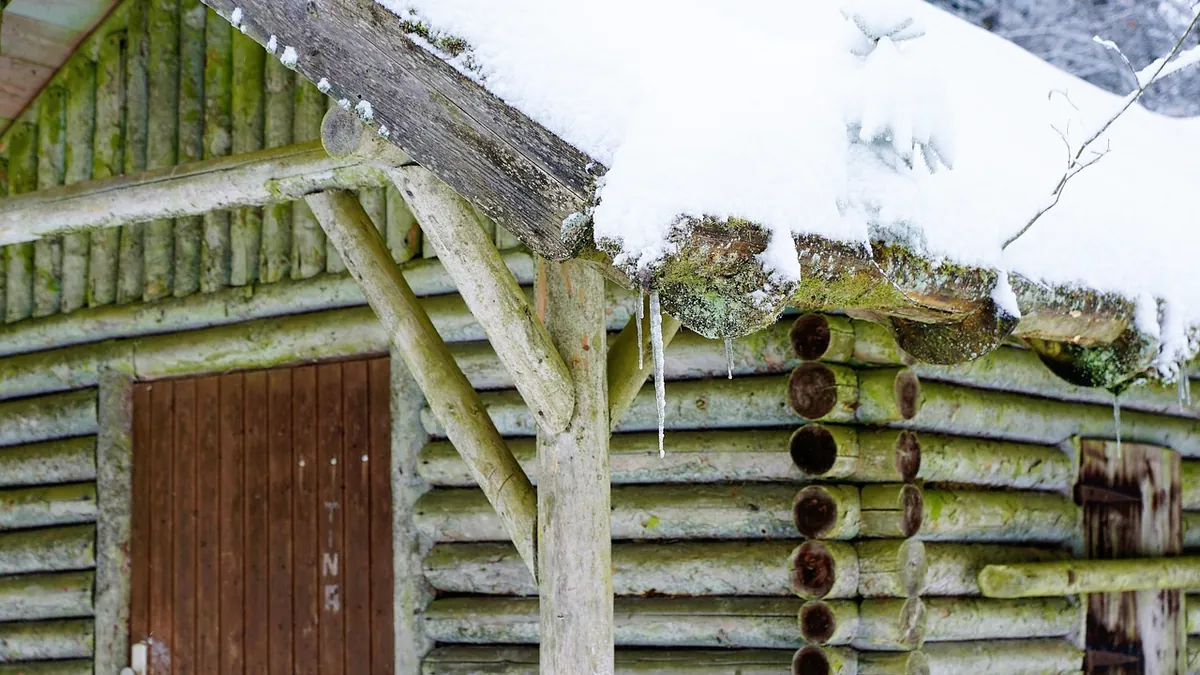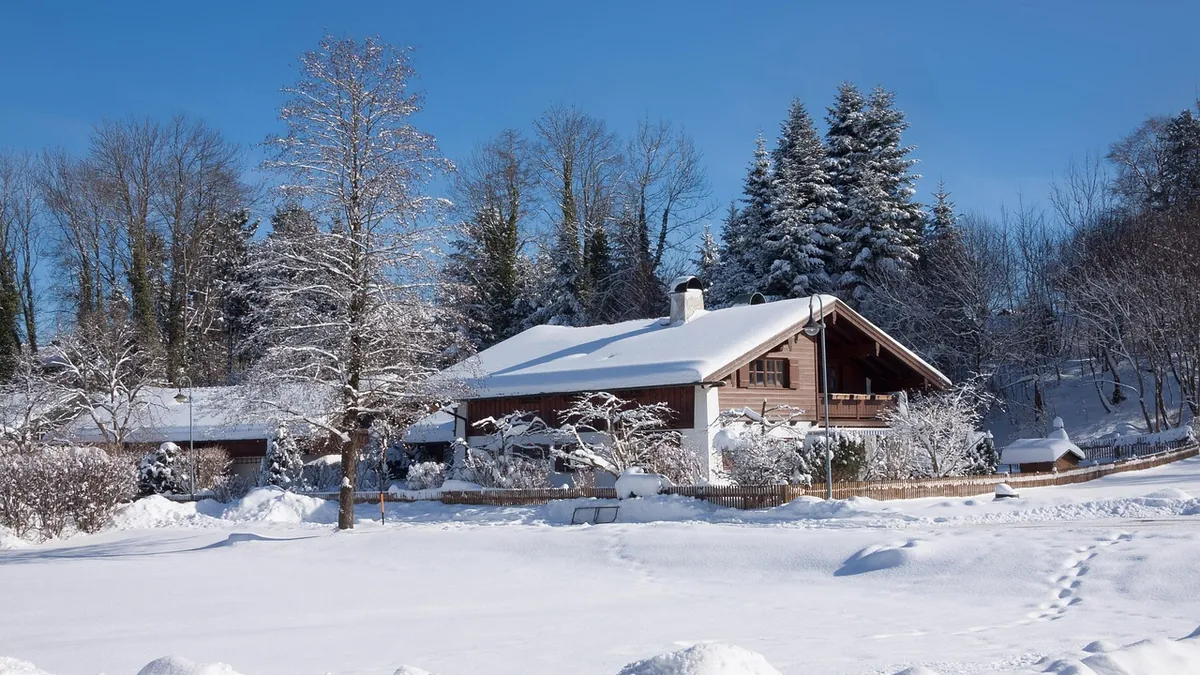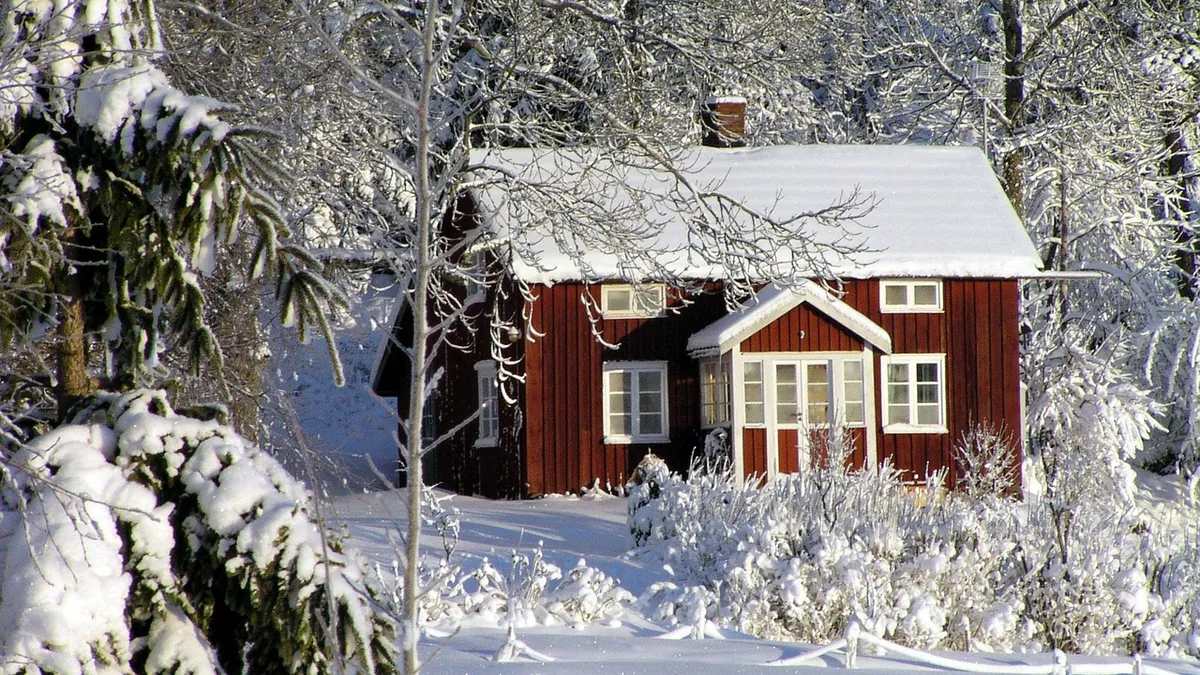
Homes in snowy and cold regions face unique challenges when it comes to keeping water out. The continuous cycle of freezing and thawing, coupled with significant snow loads, creates conditions that can quickly compromise a building’s integrity if not properly addressed. Understanding the specific demands of these environments is crucial for effective waterproofing. This article explains the nuances of snow region waterproofing, compare it with issues like ice dam leaks, and help clarify the best approaches for protecting homes in these challenging climates.
Key Differences Between Snow Region Waterproofing and Ice Dam Leak
While both “snow region waterproofing” and “ice dam leak” relate to water intrusion in cold climates, they refer to distinct aspects of the problem and its solutions.
Snow region waterproofing is a comprehensive term that encompasses all strategies and materials designed to prevent water ingress into a structure situated in an environment with regular snowfall and freezing temperatures. It’s about proactive defense across the entire building envelope. This includes the roof, walls, foundation, and even below-grade structures. The goal is to create a continuous, impermeable barrier that can withstand constant moisture from melting snow, wind-driven snow, and the physical stresses of ice formation. This involves selecting materials that remain flexible and effective in extreme cold, designing systems that manage water flow away from the structure, and ensuring proper installation techniques that account for thermal expansion and contraction.
Consider a mountain cabin consistently buried under several feet of snow for months. Snow region waterproofing here means a robust roofing system with heavy-duty underlayment and flashings, walls that can withstand moisture penetration from saturated snowbanks, and foundations that resist water from deep snowmelt saturation. The focus is on the overall system and its resilience to persistent cold and moisture.
An ice dam leak, on the other hand, describes a specific failure point, typically on a roof, where meltwater is prevented from draining off the roof by a ridge of ice (an “ice dam”). This trapped water then backs up under shingles or other roofing materials, seeps into the roof deck, and eventually finds its way into the building’s interior. Ice dams are often a symptom of inadequate attic insulation and ventilation, leading to uneven roof temperatures. The upper parts of the roof stay warm, melting snow, while the eaves remain cold, allowing that meltwater to refreeze.
For instance, a house in a suburban area might experience an ice dam during a heavy winter storm. The attic might be poorly insulated, allowing heat to escape to the roof, melting snow. As this water flows to the colder eaves, it freezes, forming a dam. The ensuing leak is a direct result of this specific phenomenon. While a well-designed snow region waterproofing strategy would ideally prevent ice dams, an ice dam leak itself is a localized problem arising from a thermal and drainage imbalance, rather than a broad waterproofing system failure.
The practical implications are significant. Addressing snow region waterproofing involves a holistic approach to design and material selection for new construction or major renovations. Tackling an ice dam leak, conversely, often focuses on improving attic insulation, ventilation, and targeted repairs to the roofing system or, in some cases, the installation of heat cables. The trade-off is often between the initial investment in a comprehensive snow region waterproofing system versus the recurring costs and damage associated with ice dam formation.
Shared Benefits and Overlaps
Despite their distinct definitions, snow region waterproofing and addressing ice dam leaks share several core benefits and exhibit significant overlaps in their ultimate goals. Both aim to protect the building envelope from water intrusion, preserve structural integrity, and maintain a healthy indoor environment.
A primary shared benefit is protection against structural damage. Water, especially in freezing conditions, can be incredibly destructive. When water infiltrates wood, insulation, or concrete, it can lead to rot, mold, and corrosion. In cold climates, this damage is exacerbated by the freeze-thaw cycle. Water expands as it freezes, creating immense pressure that can crack foundations, split wood, and dislodge roofing materials. Both comprehensive snow region waterproofing and effective ice dam prevention directly mitigate these risks, extending the lifespan of the structure.
Consider a timber-framed home in a heavy snow zone. If snowmelt is allowed to consistently penetrate the wall structure, it will lead to wood rot, compromising the structural integrity over time. Similarly, if an ice dam repeatedly causes water to back up under the roof’s eave, it can rot the fascia, soffit, and even the roof deck, leading to costly repairs and potential structural compromise.
Another critical overlap is in preventing mold and mildew growth. Water intrusion, regardless of its source, creates damp conditions ideal for mold and mildew. These organisms not only degrade building materials but also pose health risks to occupants, particularly those with respiratory sensitivities. By keeping the interior dry, both approaches contribute to a healthier living space.
For example, a persistent leak from either general snowmelt or a specific ice dam will saturate insulation and drywall, creating a dark, moist environment where mold can thrive. Eliminating the source of the water is the most effective way to prevent this.
Furthermore, both concepts contribute to energy efficiency. Wet insulation loses its R-value, meaning it no longer insulates effectively. A damp building also requires more energy to heat, as the moisture itself absorbs and transfers heat. By preventing water intrusion, both snow region waterproofing and ice dam mitigation help maintain the effectiveness of insulation, leading to lower energy bills and a more comfortable indoor temperature.
Think of an attic where insulation has become soaked from an ice dam leak. The homeowner will likely experience drafts and higher heating costs as the attic’s thermal barrier is compromised. A well-designed snow region waterproofing system, by default, aims to keep all insulation dry.
Finally, there’s a shared benefit in preserving property value. Homes that are well-maintained and free from water damage retain their value better. Evidence of chronic water issues, such as stains, mold, or structural concerns, can significantly detract from a property’s market appeal and resale value. Investing in robust waterproofing or ice dam prevention is an investment in the long-term value of the home.
The overlap becomes particularly clear in certain solutions. For instance, a high-quality ice and water shield installed across the entire roof deck, rather than just the eaves, is a component of comprehensive snow region waterproofing but also directly prevents leaks from severe ice dams. Similarly, proper attic ventilation and insulation, while primarily aimed at preventing ice dams, are also part of a broader strategy to manage moisture and temperature within the building envelope, contributing to overall durability in a snowy region.
When Snow Region Waterproofing May Be a Better Fit
Snow region waterproofing, as a comprehensive strategy, is generally a better fit when designing or renovating a structure in an area that consistently experiences heavy snowfall, prolonged freezing temperatures, and significant snow loads. It’s about building in resilience from the ground up, rather than reacting to specific failure points.
One key scenario where it’s paramount is in new construction or major renovations in high-altitude or extreme cold regions. If you’re building a new chalet in the Rockies or a home in a northern latitude, you’re not just anticipating a few inches of snow; you’re preparing for feet of accumulation, wind-driven snow, and weeks or months where temperatures rarely rise above freezing. In such cases, a piecemeal approach won’t suffice. Snow region waterproofing dictates the use of specialized roofing membranes (e.g., self-adhering modified bitumen or EPDM), robust flashing details that account for deep snow, wall systems designed to shed water efficiently even when saturated, and foundations that protect against frost heave and deep-snowmelt intrusion.
Consider a new ski-in/ski-out lodge. Here, the roof will routinely be covered in several feet of snow for half the year. The waterproofing system must be engineered to withstand this constant load, the slow melt, and the potential for ice formation across its entire surface, not just at the eaves. This would involve a continuous membrane beneath the primary roofing material, specialized valleys, and robust wall-to-roof connections that are impervious to moisture.
Another instance is when homes are situated on slopes or in areas prone to deep snowdrifts. Wind can pile snow against walls, creating saturated snowbanks that can sit for weeks. Standard wall waterproofing might not be sufficient to prevent moisture penetration under such conditions. Snow region waterproofing would involve extending waterproof membranes higher up walls, using capillary breaks, and selecting exterior finishes that are resistant to prolonged moisture exposure and freeze-thaw damage.
Imagine a home built into a hillside, with the uphill side consistently buried in a deep snowdrift. The foundation and lower walls on that side require enhanced waterproofing beyond what might be considered standard for a drier climate. This could involve exterior foundation membranes, drainage boards, and robust flashing where the snow meets the wall.
Furthermore, snow region waterproofing is a better fit when the goal is long-term, low-maintenance performance in these challenging environments. While more expensive upfront, a thoroughly waterproofed structure reduces the likelihood of costly repairs down the line. It’s an investment in durability and peace of mind.
For example, a homeowner building a permanent residence in a remote, snowy area where access for repairs is difficult and expensive would prioritize a comprehensive snow region waterproofing strategy. They would choose materials and designs that are proven to perform reliably, minimizing the need for emergency interventions.
In essence, snow region waterproofing is about proactive, systemic protection against all forms of water intrusion that can arise from a persistently cold and snowy climate. It’s the preferred approach when the environmental conditions themselves dictate a higher standard of building envelope resilience.
When Ice Dam Leak Mitigation May Be a Better Fit
Focusing specifically on ice dam leak mitigation is often a better fit when dealing with an existing structure that is experiencing recurrent ice dam problems, particularly if the broader building envelope is otherwise performing adequately. It’s typically a more targeted, diagnostic-driven approach aimed at correcting a specific thermal and drainage imbalance on the roof.
One primary scenario is when a homeowner observes localized leaks or water stains directly below the eaves or along exterior walls during winter conditions, and these leaks correlate with periods of freezing temperatures following snowfall. This is a classic symptom of an ice dam. The issue isn’t necessarily a widespread failure of the entire building’s waterproofing, but rather a specific problem with heat loss into the attic, insufficient ventilation, or inadequate eave design.
Consider a homeowner in an older home with an unheated attic. They notice water dripping from the ceiling in an upstairs bedroom after a heavy snowfall and subsequent cold snap. Upon inspection, they see a ridge of ice along the eaves. Here, the most effective and efficient solution isn’t to re-waterproof the entire house. Instead, the focus should be on addressing the root causes of the ice dam: improving attic insulation to prevent heat transfer to the roof deck, enhancing attic ventilation to keep the roof uniformly cold, and potentially clearing existing dams safely.
Another situation where ice dam leak mitigation is appropriate is when budget constraints or the scope of work do not permit a full building envelope overhaul. If a complete snow region waterproofing upgrade is financially or logistically unfeasible, targeted ice dam solutions can offer significant relief and prevent further damage. These might include adding insulation to specific attic areas, installing continuous soffit and ridge vents, or even strategically placed heat cables in problem areas (though heat cables are often a band-aid solution and not a primary preventative measure).
For example, a property manager of an apartment building might be dealing with ice dam issues on several units. A full tear-off and re-waterproofing of all roofs might be prohibitively expensive. Instead, they might opt for an insulation audit, followed by air sealing and adding blown-in insulation to the attics, combined with ensuring all existing vents are clear and functional. This targeted approach directly addresses the ice dam problem without undertaking a massive construction project.
Furthermore, ice dam mitigation is often the first line of defense in regions that experience occasional heavy snowfalls rather than persistent, deep snow accumulation. In these areas, the building codes and construction practices might not mandate the same level of comprehensive snow region waterproofing as in extreme mountain environments. When an unusual storm hits, ice dams might form on structures that are otherwise well-built for their typical climate.
Think of a home in a region that usually gets mild winters but experiences a “once-in-a-decade” heavy snow event. This home wasn’t designed for extreme snow loads or prolonged freezing. When an ice dam forms, the immediate priority is to stop the leak and implement measures to prevent recurrence, which might involve improving insulation and ventilation rather than a full re-waterproofing of the entire structure.
In essence, ice dam leak mitigation is a focused response to a particular problem rooted in thermal dynamics and roof drainage, making it suitable for existing structures and specific, localized issues where a broader envelope upgrade is not necessary or practical.
How to Choose Based on Goals and Context
Choosing between a comprehensive snow region waterproofing approach and targeted ice dam leak mitigation depends heavily on your specific goals, the property’s context, and the severity of the environmental challenges. It’s rarely an either/or but rather a question of emphasis and scope.
For New Construction or Major Renovations in Extreme Climates:
If you are building a new home, commercial property, or undertaking a significant renovation that exposes the building’s structure in a region known for heavy, persistent snow and prolonged freezing, snow region waterproofing should be your default and primary goal. Your aim is to build in resilience from the start.
- Goals: Maximum protection, long-term durability, minimal maintenance, energy efficiency, compliance with stringent local building codes for snow loads and cold climates.
- Context: High-altitude, remote areas, regions with deep average snow accumulation, new structures, or complete tear-offs.
- Actionable Steps:
- Consult with architects and builders experienced in cold-climate construction.
- Specify advanced roofing underlayments (e.g., self-adhering ice and water shield across the entire roof deck, not just eaves).
- Ensure robust flashing details at all penetrations, valleys, and wall-to-roof junctions.
- Design for adequate roof slope and drainage.
- Incorporate foundation waterproofing that accounts for frost heave and deep snowmelt.
- Pay critical attention to a continuous thermal and moisture barrier across the entire building envelope.
For Existing Structures with Recurrent Issues:
If you own an existing property that is experiencing specific water intrusion problems during winter, particularly those characterized by leaks at the eaves, focusing on ice dam leak mitigation is often the most pragmatic and cost-effective initial step.
- Goals: Stop active leaks, prevent future damage, improve energy efficiency, address specific failure points without a full overhaul.
- Context: Older homes, properties with observed leaks during winter, situations where a full renovation is not feasible or necessary.
- Actionable Steps:
- Conduct a thorough attic inspection to identify heat loss sources (unsealed penetrations, inadequate insulation).
- Assess attic ventilation (soffit, ridge, gable vents) for blockages or insufficient airflow.
- Improve attic insulation to R-values appropriate for your climate zone.
- Ensure proper air sealing between the conditioned space and the attic.
- Consider adding ice and water shield to the lower portions of the roof during re-roofing, if not already present.
- Evaluate existing gutter systems; ensure they are clean and properly sloped.
When Both Are Relevant (Integrated Approach):
In many cases, particularly with older homes in snowy regions, an integrated approach is best. An existing home might have some inherent vulnerabilities to snowmelt (requiring broader waterproofing considerations) and specific ice dam issues.
- Goals: Comprehensive protection for an existing structure, addressing both systemic and localized vulnerabilities.
- Context: Older homes in challenging climates undergoing significant, but not total, renovation; homes with multiple types of winter-related water issues.
- Actionable Steps: Prioritize ice dam mitigation (insulation, ventilation, air sealing) as these are often the most common and damaging issues. Simultaneously, identify other areas of the building envelope vulnerable to general snowmelt (e.g., poorly flashed window sills, deteriorating foundation coatings) and address them as part of a phased renovation plan.
Here’s a comparison table to help guide your decision:
| Feature | Snow Region Waterproofing | Ice Dam Leak Mitigation |
|---|---|---|
| Scope | Comprehensive building envelope (roof, walls, foundation) | Primarily roof, eaves, and attic thermal dynamics |
| Primary Focus | Proactive defense against all forms of winter moisture | Reactive/preventative solution for specific roof drainage failure |
| Best For | New construction, major renovations in extreme cold/snow | Existing structures with recurrent eave leaks |
| Key Solutions | Advanced membranes, robust flashing, specialized materials | Enhanced insulation, improved attic ventilation, air sealing |
| Cost | Higher initial investment (part of construction) | Potentially lower, targeted repairs/upgrades |
| Complexity | High (integrated design and construction) | Medium (diagnostic, specific improvements) |
| Outcome | Systemic protection, long-term durability | Resolution of specific leak issues, improved energy efficiency |
Ultimately, the best choice involves a thorough assessment of your property, an understanding of your local climate, and a realistic evaluation of your budget and goals. Consulting with professionals experienced in cold-climate building science is always recommended to ensure the most effective and durable solutions.
Frequently Asked Questions
What is snow region waterproofing?
Snow region waterproofing involves comprehensive strategies, materials, and construction practices designed to protect buildings in areas with significant snowfall and prolonged freezing temperatures from water intrusion. This holistic approach considers the entire building envelope—roof, walls, and foundation—to create a continuous, impermeable barrier against meltwater, wind-driven snow, and the destructive forces of the freeze-thaw cycle. Key aspects include selecting materials that remain flexible in extreme cold, designing for efficient drainage, and ensuring robust connections and flashings that can withstand constant moisture and physical stress.
How does snow region waterproofing compare with alternatives?
Snow region waterproofing isn’t typically compared with “alternatives” in the sense of different approaches to the same problem, but rather with less comprehensive or standard waterproofing methods.
- Compared to standard waterproofing: Standard waterproofing often focuses on preventing rain penetration and may not account for the unique stresses of deep snow, prolonged saturation, or the intense freeze-thaw cycles common in snowy regions. Snow region waterproofing uses specialized materials (e.g., thicker, more flexible membranes, self-adhering products), more extensive coverage (e.g., full roof deck ice and water shield), and more robust detailing to withstand these specific conditions. It’s designed for a harsher, more persistent moisture challenge.
- Compared to ice dam leak mitigation: As discussed, ice dam leak mitigation is a component or a specific problem within the broader scope of snow region waterproofing. While ice dam mitigation focuses on preventing specific eave leaks by improving attic insulation and ventilation, snow region waterproofing encompasses all aspects of water protection across the entire structure, including preventing wall saturation from snowbanks, foundation leaks from deep snowmelt, and general roof leaks from heavy snow loads, not just ice dams. One is a targeted solution, the other is a complete system.
What are the most common mistakes people make with snow region waterproofing?
Several common mistakes can undermine effective snow region waterproofing:
- Underestimating the severity of the climate: Assuming standard construction practices will suffice in a truly cold and snowy region is a critical error. Local conditions often demand specialized materials and techniques.
- Insufficient or incorrect use of ice and water shield: Often, this critical membrane is only installed at the eaves. In heavy snow regions, it should extend further up the roof, sometimes even covering the entire roof deck, to protect against water backup from deep snow or ice formation higher up the roof.
- Neglecting proper attic ventilation and insulation: This is a major contributor to ice dams, which, while a specific problem, can lead to significant waterproofing failures. A warm attic melts snow, which then refreezes at the colder eaves, causing leaks.
- Poor flashing details: Flashing at critical junctions (e.g., chimneys, skylights, valleys, wall-to-roof transitions) is crucial. If not correctly installed or if made from materials that can crack or warp in extreme cold, these become prime entry points for water.
- Inadequate foundation waterproofing: Deep snow can saturate the ground around a foundation for extended periods. If the foundation lacks proper drainage and a robust waterproof membrane, snowmelt can lead to basement or crawl space leaks.
- Lack of continuous moisture barriers: Gaps or breaks in the moisture barrier across the wall or roof assembly create pathways for water and vapor, leading to rot, mold, and reduced insulation effectiveness.
- Ignoring wind-driven snow: Wind can force fine snow particles into seemingly sealed cracks and crevices. Waterproofing strategies must account for this, often requiring additional air sealing and continuous membranes.
- Using materials not rated for extreme cold: Some sealants, membranes, or roofing materials lose flexibility and become brittle in sub-zero temperatures, leading to cracks and failures.
Conclusion
Protecting homes in mountainous and cold regions requires a clear understanding of the specific challenges posed by snow, ice, and extreme temperatures. While targeted solutions for issues like ice dam leaks are crucial for existing structures, new construction or major renovations in these climates necessitate a comprehensive snow region waterproofing strategy. This holistic approach builds resilience into the entire building envelope, safeguarding against widespread moisture intrusion and the destructive forces of the freeze-thaw cycle. By prioritizing robust materials, meticulous design, and expert installation, homeowners and builders can ensure that structures remain dry, durable, and energy-efficient for decades, even in the harshest winter conditions. When embarking on a project in such an environment, consulting with professionals specializing in cold-climate construction is an invaluable step to ensure all waterproofing priorities are adequately addressed.
DIY safety disclaimer
Home Leak Fix publishes general DIY information for homeowners. Water intrusion can involve structural, electrical, height, mould, or insurance risks. Use proper safety equipment, follow local building rules, and call a qualified professional when a repair is unsafe, unclear, or beyond your experience.