Managing damp in old European masonry structures presents a fundamental choice: working with the building’s inherent breathability or attempting to impose modern waterproof barriers. This decision significantly impacts the long-term health of the building, its occupants, and the preservation of its historical fabric. Understanding the principles behind each approach—the movement of moisture through porous materials versus preventing its entry—is crucial for anyone involved in the care of heritage properties or older buildings. This article explores the nuanced differences, shared considerations, and specific scenarios where one approach might be more appropriate than the other.
The Core Concept: Breathability in Old Masonry
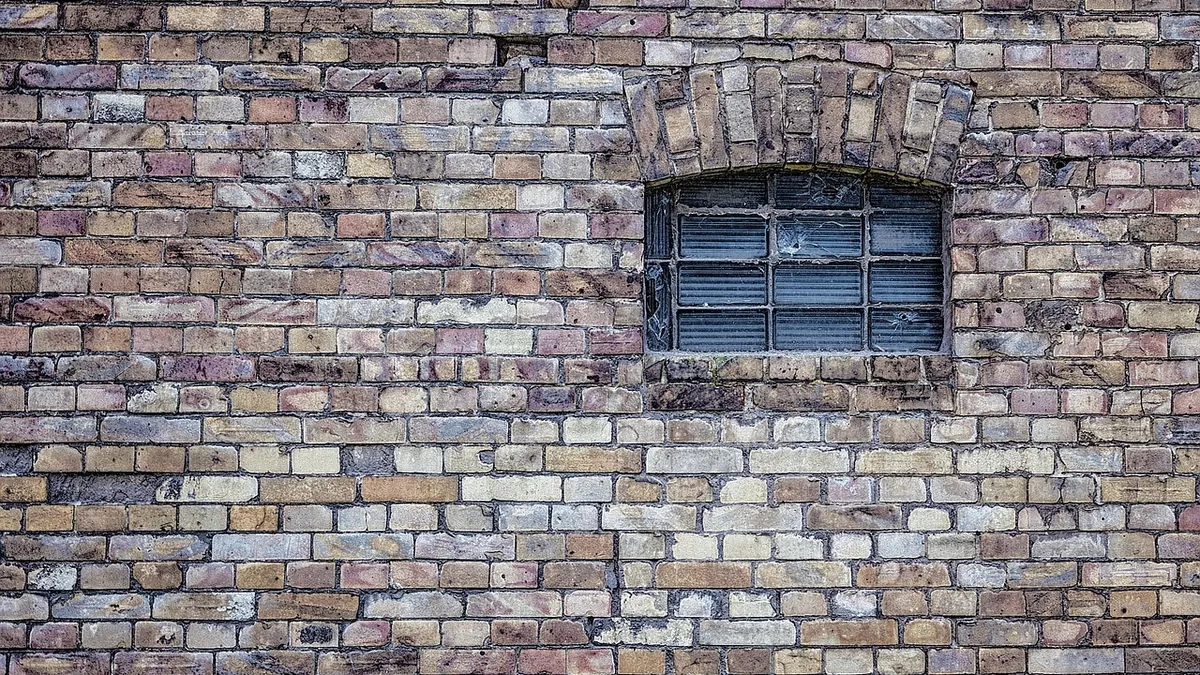
Older masonry structures, especially those built in Europe before the mid-20th century, manage moisture through a system of breathability. Their walls are designed to absorb environmental moisture—from rain, rising damp, or internal humidity—and then release it through evaporation. This process relies on specific materials: soft, porous bricks or stones, and critically, lime-based mortars and renders.
Lime mortar, unlike modern cement, is vapor-permeable. It allows water vapor to pass through its matrix, facilitating the outward migration of moisture from the wall’s core to its surface, where it can evaporate. This continuous cycle of absorption and evaporation prevents moisture from becoming trapped within the wall, which can lead to saturation, frost damage, and increased thermal conductivity. The “damp breathability” of old masonry isn’t about keeping water out entirely, but rather about allowing it to move in a controlled, non-damaging way.
The practical implications of this approach are significant. When a breathable wall gets wet, it dries out. This drying process is essential for its structural integrity and thermal performance. If this natural breathability is compromised, for instance, by applying a non-breathable cement render or paint, moisture can become trapped. This trapped moisture can then lead to accelerated decay of the masonry unit itself, spalling (flaking) of the surface, increased interstitial condensation, and an overall colder, damper internal environment. Edge cases often arise when internal humidity is high, or external exposure to rain is extreme; even breathable walls have limits to the rate at which they can dry.
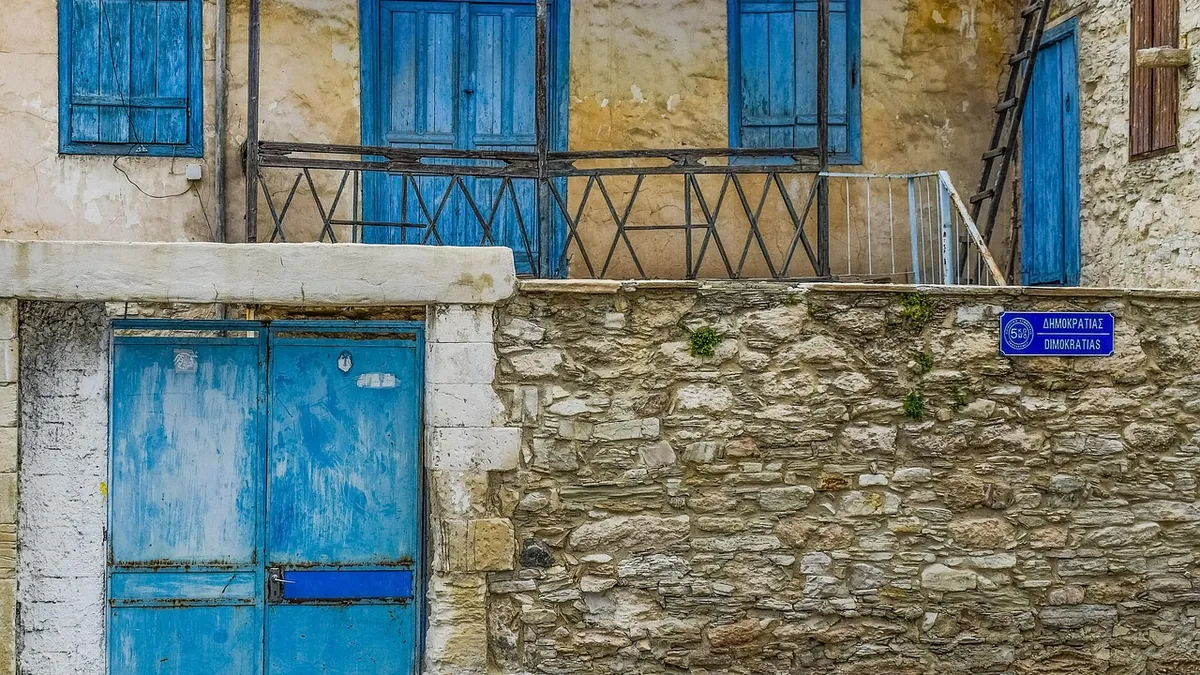
Consider a historic stone cottage in a damp, coastal region. Its thick, lime-mortared walls are regularly exposed to driving rain. If these walls were rendered with a modern cement-based product, the rain would still penetrate cracks or porous stones, but the drying rate would be severely inhibited by the impermeable render. Moisture would accumulate, leading to damp patches inside, efflorescence, and potential structural issues over time. In contrast, a lime render would absorb some moisture, but more importantly, allow the wall to dry out effectively between rain events, maintaining a healthier moisture balance.
The Alternative: Waterproof Barriers and Their Application
Waterproof barriers, in the context of masonry, aim to prevent water from entering the building fabric altogether. This approach is prevalent in modern construction, where non-porous materials like concrete, dense bricks, and synthetic membranes are common. Technologies such as cementitious tanking, chemical damp-proof courses (DPCs), impermeable renders, and modern paints are designed to create an impenetrable shield against moisture.
The core idea is to create a physical or chemical barrier that stops liquid water or water vapor from passing through. This can be effective in specific scenarios, particularly where a complete exclusion of water is paramount, or where the building materials themselves are not designed for breathability.
However, applying waterproof barriers to old, breathable masonry introduces a set of trade-offs and potential problems. The primary issue is trapping moisture. If a historic wall, accustomed to breathing, is sealed with an impermeable barrier, any moisture already present within the wall, or moisture introduced from other sources (e.g., rising damp from below the barrier, lateral damp from an unsealed side, or internal condensation), becomes trapped. This trapped moisture cannot evaporate and will accumulate, leading to:
- Increased dampness and saturation: The wall remains perpetually wet.
- Accelerated decay: Trapped moisture promotes salt crystallization, frost damage, and the breakdown of masonry units.
- Spalling and delamination: The impermeable layer can detach from the wall as trapped moisture expands and contracts.
- Redistribution of damp: Moisture may simply be diverted to an unsealed area, appearing elsewhere in the building.
A classic scenario involves applying a cement render to an old brick house with rising damp. The render prevents the rising damp from evaporating from the external surface. Instead, the moisture rises higher within the wall, often appearing as a damp patch above the render line, or it pushes the dampness inwards, causing internal plaster to fail. Similarly, injecting a chemical DPC into a wall where the primary damp issue is condensation or lateral penetration from a high-ground level might not solve the problem and could even exacerbate it by preventing the natural drying of the wall below the injection point.
Shared Considerations and Overlaps
Despite their fundamental differences, both breathable approaches and waterproof barriers share some common ground in the broader context of damp management.
Firstly, identifying the source of damp is paramount, regardless of the chosen solution. Whether dealing with a breathable wall or considering a waterproof barrier, misdiagnosing the damp issue will lead to ineffective remedies. Is it rising damp, penetrating damp, condensation, or a plumbing leak? The solution depends entirely on the cause. For example, a leaking gutter will cause penetrating damp in any wall, breathable or not, and simply applying a waterproof render won’t fix the underlying issue of water ingress.
Secondly, good building maintenance is universally beneficial. Well-maintained roofs, gutters, downpipes, and sound pointing are critical for preventing moisture ingress into any structure. Even the most breathable wall will eventually suffer if constantly saturated by a defective rainwater system. Similarly, a waterproof barrier relies on its integrity; cracks or failures in the barrier will allow water in and defeat its purpose.
Thirdly, ventilation plays a role in both scenarios. While breathable walls rely on external evaporation, adequate internal ventilation helps manage internal humidity and condensation, reducing the moisture load on the walls. In buildings with waterproof barriers, ventilation is even more critical to prevent internal moisture from condensing on cold, impermeable surfaces.
Finally, both approaches aim to protect the building’s fabric and ensure a healthy internal environment. The divergence lies in the methodology. A breathable approach seeks to achieve this by allowing natural moisture movement, while waterproof barriers aim to achieve it by exclusion. Overlaps exist where, for example, a breathable lime render might be applied over a modern breathable insulation board, or where a localized breathable repair is made to an otherwise impermeable system.
Consider a situation where an old property suffers from penetrating damp due to defective pointing. The shared solution is to repair the pointing. If the building uses lime mortar, the repair should also use lime mortar, maintaining breathability. If the building was constructed more recently with cement mortar, then cement mortar would be used for the repair, aligning with its existing system. The principle of addressing the defect applies to both.
When Breathability May Be a Better Fit
The breathable approach is generally preferred and often essential for older buildings, particularly those of historic or heritage significance, and for structures built with traditional materials.
Preservation of Historic Fabric
Traditional buildings were designed to breathe. Their materials—soft bricks, permeable stone, and lime mortars—work together as a system. Introducing impermeable materials disrupts this system, often leading to accelerated decay of the original fabric. For example, applying a hard, non-breathable cement render to a soft, historic brick wall can cause the brick face to spall off as moisture trapped behind the render freezes and expands. Lime-based materials, being softer and more flexible, can accommodate the slight movements and moisture cycles of older buildings without causing damage.
Managing Rising Damp Naturally
In many older buildings, a traditional damp-proof course (DPC) is either absent or has failed. Rising damp, where ground moisture wicks up through capillary action, is a common issue. A breathable wall allows this moisture to rise to a certain extent and then evaporate from both internal and external surfaces. While it might not eliminate the damp entirely, it allows the wall to dry out, preventing saturation and its associated problems. An impermeable barrier, in contrast, would trap this rising moisture, forcing it elsewhere or causing severe damage behind the barrier. For instance, a listed Georgian townhouse showing signs of rising damp would benefit from breathable lime plaster internally and lime washes externally, allowing the walls to manage the moisture naturally rather than attempting to seal it in.
Avoiding Condensation and Interstitial Damp
Breathable walls, by allowing water vapor to pass through, can help regulate internal humidity and reduce the risk of condensation. When internal moisture can escape through the walls, it is less likely to condense on cold surfaces. Conversely, impermeable barriers can create cold spots within the wall structure where trapped moisture or vapor from inside the building condenses, leading to interstitial damp and mold growth within the wall itself, often unseen until significant damage has occurred.
Thermal Performance
While counter-intuitive, a dry wall is a warmer wall. A wall saturated with moisture loses much of its insulating value because water is a good conductor of heat. By allowing walls to dry out efficiently, breathable materials help maintain the wall’s thermal performance. Applying impermeable barriers that trap moisture can lead to a colder, damper building, requiring more energy to heat.
Consider a medieval church: Its thick stone walls, pointed with lime mortar, have stood for centuries. If these walls develop damp patches, the first approach would be to assess external drainage, repair any defective rainwater goods, and then potentially re-point with a sympathetic lime mortar. This maintains the wall’s inherent ability to dry out, preserving the ancient stone and preventing further damage. Introducing a modern waterproof render would likely lead to internal damp issues, salt efflorescence, and the eventual decay of the stone beneath the render.
When Waterproof Barriers May Be a Better Fit
While breathability is often the default for old masonry, there are specific situations where a waterproof barrier approach might be more appropriate or even necessary.
Modern Construction and Materials
Newer buildings, particularly those constructed with dense concrete, modern bricks, and cement mortars, are often designed as sealed envelopes. Their materials are generally less permeable, and their construction techniques often incorporate modern DPCs and damp-proof membranes (DPMs). In such cases, extending this principle with additional waterproof barriers (e.g., specific tanking systems for basements) aligns with the building’s inherent design philosophy.
Below-Ground Structures (Basements, Cellars)
Basements and cellars are often subject to hydrostatic pressure from surrounding ground water. Here, the sheer volume and pressure of water can overwhelm even the most breathable wall’s drying capacity. In these scenarios, a robust waterproof barrier, such as a cementitious tanking system or a cavity drain membrane system (which manages water rather than stopping it), is often the most effective solution. These systems are designed to cope with water pressure and prevent ingress into habitable spaces.
Severe and Persistent Lateral Damp
In situations where an old masonry wall is in direct contact with constantly wet ground (e.g., an earth-retaining wall or a wall against a steep bank with poor drainage) and the external conditions cannot be significantly improved, a localized waterproof barrier might be considered. This is often a last resort, however, as it can still lead to trapped moisture within the wall above or below the barrier. Careful consideration of drainage and external landscaping should always precede the application of internal barriers.
Specific Applications Requiring Absolute Dryness
Certain internal environments, such as plant rooms housing sensitive electrical equipment, or spaces requiring extremely low humidity for conservation purposes (e.g., archives or museums), might necessitate a highly controlled moisture environment. In such rare cases, a sealed internal envelope, possibly including vapor barriers, might be part of a comprehensive environmental control strategy, even within an older building. This would typically be a carefully engineered solution, often with a cavity and drainage behind the barrier to manage any ingress.
Consider a Victorian terraced house with a damp basement used as a living space. The external ground level is higher than the internal floor, and water ingress is evident. Here, simply relying on breathability might not be sufficient to achieve a dry, habitable space. A cavity drain membrane system, which channels water away to a sump and pump, or a robust tanking system, might be necessary to transform the space into a functional living area. This is a practical compromise driven by the need for a dry internal environment beyond what natural breathability can achieve under constant hydrostatic pressure.
How to Choose Based on Goals and Context
The decision between embracing breathability and installing waterproof barriers is rarely straightforward and requires a careful assessment of several factors.
1. Building Age and Construction
- Pre-1919 (or generally pre-mid-20th century) buildings: Default to breathability. These structures were built to manage moisture through evaporation. Disrupting this system often creates more problems than it solves. Prioritize lime mortars, renders, and breathable paints.
- Post-1919 buildings: These may incorporate more cement, denser bricks, and even early forms of DPCs. While some breathability might still be present, they lean more towards an exclusion approach. Assess the original construction methods.
- Modern buildings: Designed for exclusion. Waterproof barriers are often integral to their design.
2. Nature and Source of Damp
- Rising damp, penetrating damp from defective rainwater goods, or condensation: Often best addressed by promoting breathability, improving ventilation, and repairing external defects.
- Severe hydrostatic pressure (e.g., below-ground water ingress): Waterproof barriers or cavity drain systems are usually necessary.
- Lateral damp from high ground levels: Address external drainage first. If impossible, a carefully considered internal barrier might be a last resort, but with caution.
3. Desired Internal Environment
- Standard living spaces in historic buildings: Breathability helps maintain a healthy, stable internal environment.
- Basements converted to habitable spaces: May require robust waterproofing systems to achieve comfort and dryness, often necessitating a departure from pure breathability. This is a pragmatic choice driven by modern living expectations.
- Specialized environments (archives, plant rooms): May require engineered solutions for precise humidity control, which could involve vapor barriers.
4. Conservation and Heritage Status
- Listed buildings or heritage assets: Conservation principles strongly favor like-for-like repairs and the retention of original materials and construction methods. This almost invariably means prioritizing breathable, traditional materials. Any intervention must be reversible and minimally intrusive.
5. Budget and Long-Term Maintenance
- Breathable repairs: Can sometimes be more labor-intensive initially but often lead to more durable, lower-maintenance solutions in the long run for appropriate buildings. They work with the building.
- Waterproof barriers: Can be expensive to install correctly, and if they fail, they often lead to significant, costly rectification work due to trapped moisture damage. They work against the building’s natural tendencies if applied inappropriately.
Decision-Making Framework
| Factor | Prioritize Breathability | Consider Waterproof Barriers |
|---|---|---|
| Building Age | Pre-1919 / Traditional construction | Modern construction / Post-1950s |
| Primary Damp Source | Rising damp (moderate), penetrating damp (external defects), condensation | Hydrostatic pressure (basements), severe lateral damp (unmitigable) |
| Building Materials | Porous stone, soft brick, lime mortar/render | Dense concrete, modern bricks, cement mortar |
| Heritage Status | Listed, historic, culturally significant | Non-listed, modern, no heritage value |
| Desired Dryness Level | Healthy, stable internal moisture balance | Absolute dryness (e.g., habitable basement conversion, specialized use) |
| Long-Term Impact | Works with building’s natural moisture movement; preserves fabric | Can trap moisture; risk of damage if improperly applied or fails |
| Initial Assessment Focus | External defects, ventilation, material compatibility | Water pressure, drainage, membrane integrity |
Ultimately, the choice is about understanding the building’s physiology. Old European masonry is often best treated as a living system that needs to breathe. Introducing impermeable barriers can be akin to suffocating it, leading to a cascade of problems. However, for specific, challenging scenarios like basements under hydrostatic pressure, or for modern structures, the engineered solution of a waterproof barrier can be the correct and pragmatic choice. Always seek expert advice from professionals specializing in historic building conservation or damp proofing, depending on the building’s nature and the damp issue.
Frequently Asked Questions
What is old masonry damp breathability?
Old masonry damp breathability refers to the inherent ability of traditional building materials, such as porous stone, soft brick, and especially lime mortar, to absorb moisture from the environment and then release it through evaporation. This continuous cycle of moisture movement and drying prevents water from becoming trapped within the wall, which helps preserve the building’s fabric and maintain a healthy internal environment. It’s a natural process where the wall “breathes” moisture in and out.
How does old masonry damp breathability compare with alternatives?
The primary alternative to breathability is the use of waterproof barriers. Breathability works with the building’s natural moisture dynamics, allowing moisture to pass through materials in a controlled way. Waterproof barriers, conversely, aim to prevent moisture entry altogether, creating an impermeable layer. The key differences can be summarized:
- Moisture Movement: Breathable systems allow vapor and sometimes liquid water to pass and evaporate. Waterproof systems block it.
- Material Compatibility: Breathable systems are compatible with traditional, porous materials. Waterproof systems are often incompatible, trapping moisture.
- Impact on Fabric: Breathability preserves historic fabric by preventing saturation and decay. Waterproof barriers can cause decay by trapping moisture behind them if applied inappropriately.
- Drying Mechanism: Breathable walls dry through evaporation from surfaces. Waterproofed walls rely on the barrier’s integrity to prevent ingress; drying of trapped moisture is inhibited.
What are the most common mistakes people make with old masonry damp breathability?
The most common and often damaging mistake is applying modern, non-breathable materials to old, breathable masonry. This includes:
- Using cement-based renders and pointing: Cement is hard and impermeable, trapping moisture behind it and leading to spalling of softer bricks/stones and internal dampness.
- Applying modern, acrylic, or vinyl paints: These paints seal the surface, preventing the wall from evaporating moisture, leading to blistering, peeling, and trapped damp.
- Injecting chemical damp-proof courses (DPCs) without addressing the root cause: While chemical DPCs can be effective in specific scenarios of rising damp, they are often misapplied to treat penetrating damp or condensation, blocking the wall’s natural drying without solving the actual problem.
- Failing to address external defects: Before considering any internal treatment, neglecting issues like leaking gutters, defective downpipes, high ground levels, or cracked renders/pointing will undermine any breathable or waterproof solution.
- Poor ventilation: Even breathable walls need assistance in managing internal humidity. Poor ventilation can lead to condensation, which is then often misdiagnosed as structural damp.
Conclusion
The debate between breathability and waterproof barriers in old European masonry is not about one being inherently “better” than the other, but rather about understanding their appropriate application. For the vast majority of historic and traditionally constructed buildings, embracing and enhancing their natural breathability is the most sympathetic, effective, and sustainable approach to damp management. This involves using traditional, vapor-permeable materials like lime mortars and renders, ensuring good external maintenance, and promoting adequate ventilation. Waterproof barriers, while crucial for modern construction and specific challenging environments like basements under hydrostatic pressure, can be detrimental when applied indiscriminately to older structures. A careful diagnosis of the damp source, a thorough understanding of the building’s construction, and a respect for its inherent design principles are paramount to making informed decisions that protect these invaluable assets for future generations.
DIY safety disclaimer
Home Leak Fix publishes general DIY information for homeowners. Water intrusion can involve structural, electrical, height, mould, or insurance risks. Use proper safety equipment, follow local building rules, and call a qualified professional when a repair is unsafe, unclear, or beyond your experience.