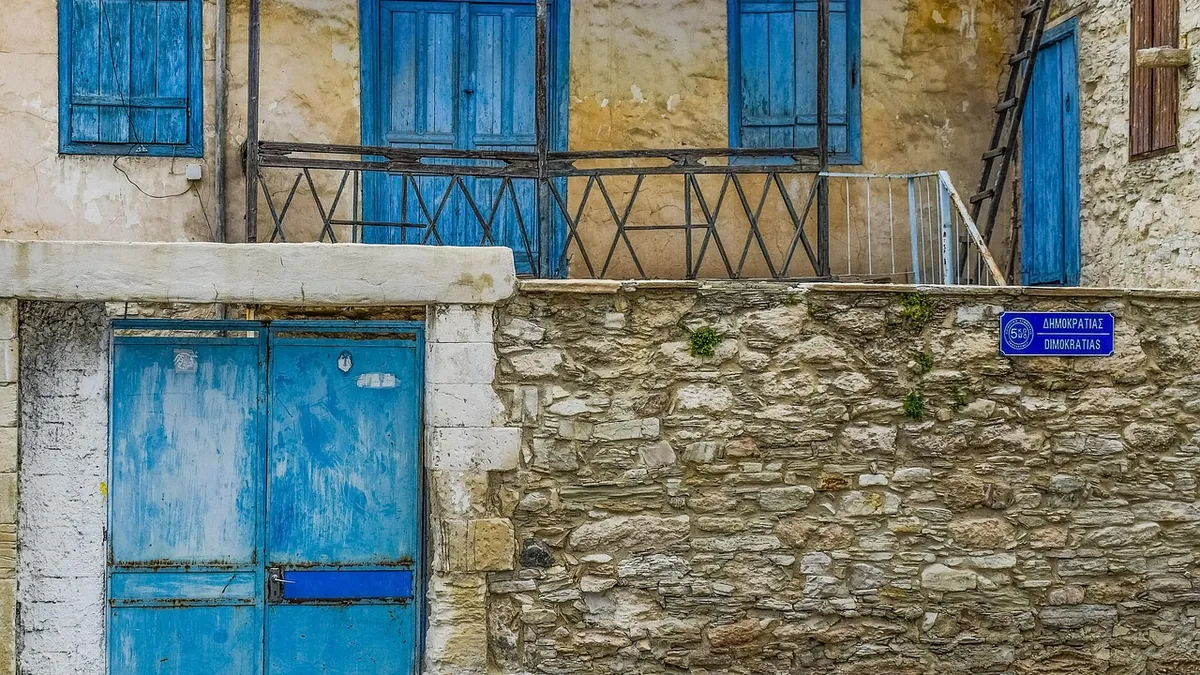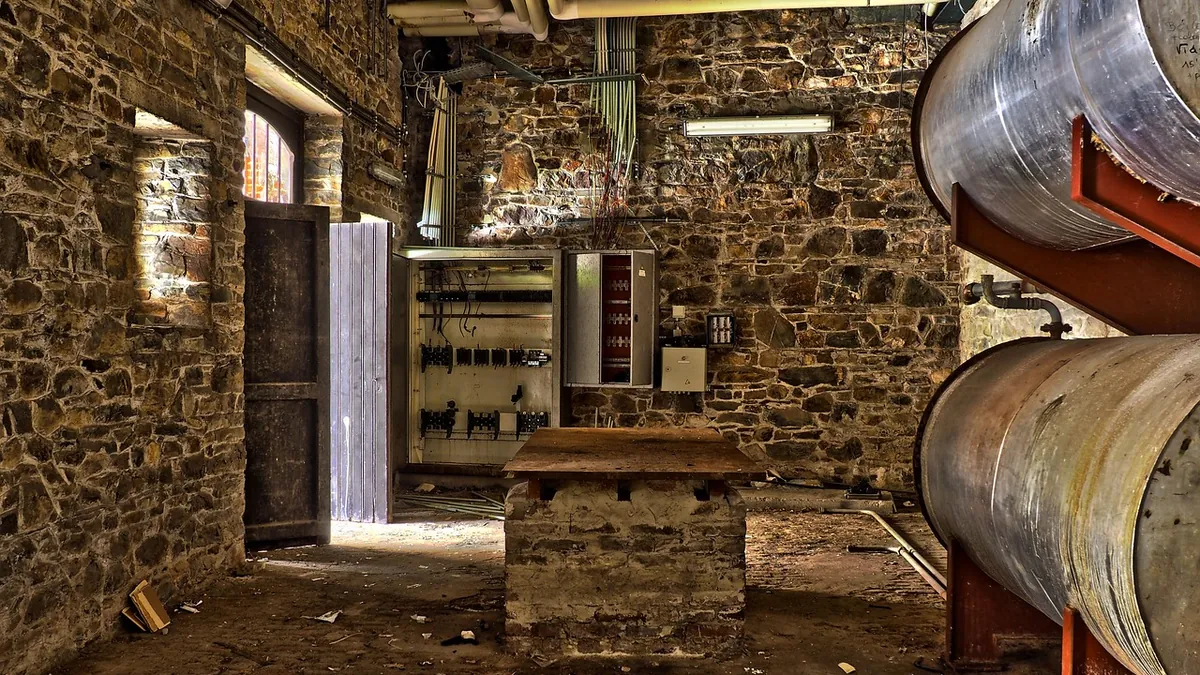
Waterproofing an old house involves a different approach than sealing a modern structure. The materials, construction techniques, and inherent characteristics of older homes, particularly those with masonry foundations or walls, demand a nuanced understanding. This guide explores the principles of old house waterproofing, focusing on practical considerations for masonry, basements, roofs, and gutters, and distinguishing it from general damp proofing.
Key Differences Between Old House Waterproofing and Old Masonry Damp
Understanding the distinctions between general “old house waterproofing” and addressing “old masonry damp” is crucial for effective moisture management in historic properties. While both aim to prevent water intrusion, their scopes, methods, and underlying philosophies often diverge.
Old house waterproofing, in its broader sense, encompasses all strategies to prevent water from entering and damaging an older structure. This includes addressing issues from the roof down to the foundations. It often involves a combination of exterior and interior measures, focusing on creating barriers or managing water flow. For instance, a common waterproofing technique for a basement in an old house might involve exterior excavation, foundation coating, and installing a perimeter drain. For roofs, it means ensuring proper flashing, intact coverings, and effective drainage. The emphasis is on keeping water out or away from the building envelope.
Old masonry damp, on the other hand, specifically targets moisture issues within the masonry itself, often due to its hygroscopic nature, capillary action, or breakdown of traditional lime-based materials. This is particularly relevant for stone foundation waterproofing and for heritage home leaks where the fabric of the building is designed to breathe. Addressing old masonry damp often involves strategies that allow the masonry to dry out naturally, rather than attempting to create an impermeable barrier. This might include re-pointing with breathable lime mortar, improving ventilation, or managing ground levels to prevent splash-back. The goal is not always to stop all water penetration, but to ensure any moisture that enters can escape, preventing long-term saturation and decay.
The practical implications of this distinction are significant. Applying modern, impermeable waterproofing membranes to an old stone foundation, for example, might trap moisture within the wall, leading to accelerated decay of the stone or timber elements. Conversely, relying solely on breathable solutions when a structural leak is present (e.g., from a burst pipe or a failed gutter) would be insufficient. The trade-off lies between creating a watertight seal and maintaining the breathable characteristics of traditional building materials.
Consider a scenario with an old European home featuring thick, solid stone walls. If the issue is rising damp, introducing a chemical damp-proof course (DPC) might be considered, but often, improving drainage around the base of the wall, lowering external ground levels, and re-pointing with lime mortar are more appropriate. If the issue is rainwater penetration through cracked render or open joints, then targeted repairs to the exterior finish, rather than an internal tanking system, would be the primary response. The method for stone foundation waterproofing in such a context would prioritize external drainage and breathable repairs over internal sealing.
Shared Benefits and Overlaps
Despite their differences in approach, both old house waterproofing and addressing old masonry damp share fundamental goals and offer overlapping benefits for the longevity and habitability of older properties.
At their core, both strategies aim to prevent water-related damage. This includes protecting structural integrity by preventing rot in timbers, spalling in masonry, and corrosion of metal elements. They also contribute significantly to indoor air quality by mitigating mold and mildew growth, which thrive in damp environments. For occupants, this translates to a healthier living space and reduced potential for respiratory issues.
Both approaches also share the benefit of preserving the aesthetic and historical value of the property. Uncontrolled moisture can lead to efflorescence, staining, crumbling plaster, and general deterioration of finishes, detracting from the home’s character. By managing moisture, these issues are minimized, helping to maintain the original appearance and fabric of the building. This is particularly important for heritage home leaks, where preservation standards often dictate the use of traditional, reversible methods.
From an energy efficiency standpoint, reducing dampness can lead to a warmer, more comfortable interior. Wet walls conduct heat more readily than dry ones, meaning a damp house is harder and more expensive to heat. By addressing water ingress, whether through comprehensive waterproofing or specific damp management, the thermal performance of the building envelope can improve.
There are also overlaps in the diagnostic process. Identifying the source of moisture is the first, and often most challenging, step for both. This involves understanding water pathways, roof drainage, ground conditions, and the building’s construction. For instance, a blocked gutter (a general waterproofing issue) can lead to concentrated water flow down a wall, exacerbating old masonry damp. Similarly, poor ventilation (a damp management issue) can lead to condensation that mimics rising damp, even in a well-waterproofed basement.
Consider a common problem in an old house: a damp patch on an interior wall. A thorough investigation might reveal that the damp is due to a combination of factors: a leaking downpipe (a waterproofing failure), porous brickwork allowing water ingress (a masonry damp issue), and poor internal ventilation leading to condensation (another damp management aspect). Addressing all three contributes to the overall goal of a dry, healthy home. Stone foundation waterproofing often requires this integrated thinking, as external drainage, internal humidity, and the foundation material itself all play a role.
When Old House Waterproofing May Be a Better Fit
Traditional “old house waterproofing” approaches, often involving creating barriers against water, are particularly suitable when dealing with significant, identifiable water ingress that requires an immediate and robust solution. This typically applies to situations where the volume of water or the nature of the construction necessitates a more aggressive containment strategy.
One primary scenario is a basement that experiences regular flooding or significant hydrostatic pressure from groundwater. In such cases, relying solely on breathable masonry solutions would be insufficient. Here, comprehensive basement waterproofing, potentially involving exterior excavation to install a perimeter drain and a waterproof membrane on the foundation walls, becomes essential. Interior solutions, such as drainage systems and sump pumps, might also be part of the strategy to manage water that does penetrate. The goal is to prevent water from accumulating and causing structural damage or rendering the space unusable.
Another area where direct waterproofing methods are often a better fit is with roof systems and their associated components. Leaking roofs, whether due to damaged tiles, worn-out flashing, or compromised membranes, require direct repair and sealing to prevent water from entering the building. Similarly, properly functioning gutters and downspouts are critical for directing rainwater away from the foundation. While maintaining these is a general building maintenance task, their role in preventing water from reaching the walls and foundations makes them integral to a broader waterproofing strategy. A failed gutter system, for example, can dump hundreds of gallons of water directly against a foundation, overwhelming even well-managed breathable masonry.
Targeted waterproofing is also appropriate for leaks in older homes that originate from specific points of failure, rather than general material porosity. This includes repairing a cracked parging coat on a foundation, sealing around window and door frames, or addressing gaps where different building materials meet. These are distinct defects that allow water to bypass the building envelope, and direct sealing is the most effective remedy.
Consider an old house in a region with heavy rainfall and a basement that consistently seeps water after storms. If inspection reveals no obvious rising damp but rather water pooling against the foundation, a solution focused on exterior drainage and a foundation coating would be more effective than simply repointing the interior walls with lime mortar. Similarly, a persistent leak around a chimney stack, regardless of the age of the house, demands proper flashing and sealing – a direct waterproofing intervention.
In essence, when the problem is clearly about preventing bulk water entry or managing high volumes of water, modern waterproofing techniques, adapted for older structures where possible, often provide the most reliable solution.
When Old Masonry Damp May Be a Better Fit
Focusing on “old masonry damp” and its associated breathable solutions is often a more appropriate and sympathetic approach for older homes, particularly those with solid wall construction, when the moisture issues are related to the inherent properties of the building materials rather than large-scale water ingress. This is especially true for stone foundation waterproofing and managing heritage home leaks where preservation of original fabric is paramount.
One key scenario is when the issue is rising damp. Traditional solid masonry walls, especially those without a modern damp-proof course (DPC), can draw moisture up from the ground through capillary action. Attempting to “waterproof” these walls internally with impermeable tanking can trap the moisture, pushing it higher up the wall or into adjacent timbers, leading to new problems. Instead, managing rising damp often involves external measures like improving drainage, lowering external ground levels, and ensuring proper ventilation. Internally, using breathable plasters and paints allows the wall to dry naturally.
Another common problem is penetrating damp through porous masonry. Old brickwork or stone, particularly if neglected, can become highly absorbent. While severe cracks might require direct repair, often the solution isn’t to apply a sealant that prevents all moisture transfer. Instead, re-pointing with appropriate lime mortar allows the wall to breathe, facilitating evaporation. Lime mortars are softer and more permeable than modern cement mortars, accommodating movement and allowing moisture to escape, preventing it from becoming trapped within the wall structure. This is a cornerstone of effective old masonry damp management.
Condensation, though often an internal atmospheric issue, can manifest as damp on cold, porous walls. While not strictly “masonry damp,” its symptoms can be similar. Addressing condensation involves improving ventilation, regulating internal temperatures, and sometimes using breathable internal finishes that can manage surface moisture without creating a sealed environment.
For heritage home leaks, especially in older European homes, the philosophy often leans towards minimal intervention and reversible repairs that respect the original construction. Applying modern chemical sealants or cement-based renders to a historic stone wall, for example, can be detrimental. These materials are often too rigid and impermeable, leading to stress and spalling of the softer historic stone or brick. Instead, skilled craftsmanship using traditional materials like lime washes, renders, and mortars, which are inherently breathable, is preferred.
Consider an old cottage with thick stone walls that feel persistently cold and slightly damp to the touch, but without obvious leaks from above or significant pooling water at the base. Investigation reveals the plaster is failing and the external pointing is eroded. In this case, removing the non-breathable plaster, allowing the walls to dry, re-pointing the exterior with a suitable lime mortar, and applying a breathable internal finish would be more effective and less damaging than attempting to tank the interior or apply an external sealant that could trap moisture. This is the essence of effective stone foundation waterproofing in many historic contexts.
How to Choose Based on Goals and Context
Selecting the right approach for old house waterproofing involves a careful assessment of the specific problem, the building’s characteristics, and your long-term goals. There’s no one-size-fits-all solution; a combination of strategies is often required.
1. Diagnose the Problem Accurately: The first step is always a thorough investigation to identify the source and type of moisture. Is it rising damp, penetrating damp, condensation, or a direct leak? This might involve: * External Inspection: Checking roof, gutters, downspouts, ground levels, and external render/pointing. * Internal Inspection: Looking for signs of damp, efflorescence, mold, and assessing ventilation. * Moisture Meters: Professional tools can help quantify moisture levels in different materials. * Thermal Imaging: Can sometimes identify cold spots indicative of moisture or air leaks. * Dye Tests: For elusive leaks, introducing a harmless dye into suspected sources can track water paths.
2. Understand the Building’s Construction and Materials: Older homes, particularly those with solid masonry walls or stone foundations, behave differently from modern cavity-wall structures. * Breathability: Many old buildings are designed to “breathe,” allowing moisture to enter and escape. Impermeable modern materials can disrupt this balance. * Material Compatibility: Using modern, hard cement mortars or renders on soft, historic brick or stone can cause damage over time due to differing expansion rates and trapping moisture.
3. Define Your Goals: Are you aiming for: * Full Basement Conversion: Requires a highly effective and robust waterproofing system, possibly including both external and internal measures. * Drying Out Damp Walls for Health/Comfort: Might prioritize breathable solutions and improved ventilation. * Preserving Historic Fabric: Dictates the use of traditional, reversible, and compatible materials and methods.
4. Consider the Context and Environment: * Local Climate: Heavy rainfall, high humidity, or freezing conditions will influence material choices and system design. * Site Conditions: High water table, poor drainage, or proximity to trees can all contribute to moisture issues. * Budget and Timeframe: Comprehensive external excavation for stone foundation waterproofing is costly and disruptive, while internal damp management might be less so.
The following table provides a general framework for decision-making:
| Feature/Problem | Old House Waterproofing (Barrier-focused) | Old Masonry Damp (Breathable/Management-focused) |
|---|---|---|
| Primary Goal | Prevent bulk water entry, create dry interior | Allow walls to dry, manage moisture transfer |
| Typical Problems Addressed | Flooding basements, roof leaks, gutter overflows, specific gaps/cracks | Rising damp, penetrating damp through porous walls, condensation, efflorescence |
| Key Techniques | Exterior membranes, perimeter drains, sump pumps, sealants, roof repairs, flashing, gutter maintenance | Lime re-pointing, breathable renders/plasters, ground level reduction, improved ventilation, targeted drainage |
| Material Philosophy | Impermeable, water-resistant | Permeable, vapor-open |
| Best Fit For | High hydrostatic pressure, direct leaks, conversion of basements to habitable space | Solid wall construction, heritage properties, managing inherent moisture in masonry, preserving original fabric |
| Risks if Misapplied | Trapped moisture, accelerated decay of historic materials | Insufficient for bulk water, continued structural damage |
| Cost Implications | Can be high (excavation, specialized membranes) | Often less disruptive, but can require specialized craftsman skills and traditional materials |
Ultimately, a holistic approach is often the most successful. This might involve direct waterproofing for the roof and gutters to prevent bulk water from entering, combined with breathable solutions for the main masonry walls and foundations to manage inherent dampness. Consulting with professionals experienced in historic buildings is invaluable for making informed decisions.
Frequently Asked Questions
What is old house waterproofing?
Old house waterproofing refers to the comprehensive strategies employed to prevent water from entering and damaging older properties. Unlike modern structures, old houses often have unique construction methods and materials, such as solid masonry walls and stone foundations, which require specific approaches. It encompasses everything from ensuring a watertight roof and functional gutters to managing moisture in basements and foundations. The goal is to protect the building’s structural integrity, prevent mold, and preserve its character, often by balancing barrier-based solutions with breathable techniques suitable for historic materials.
How does old house waterproofing compare with alternatives?
The main “alternative” isn’t necessarily a different goal, but a different philosophy or set of techniques, particularly when comparing broad “waterproofing” with specific “damp management” for old masonry.
- Modern Waterproofing: For new builds, this typically involves aggressive, impermeable barriers (e.g., modern membranes, cement-based tanking) designed to create a completely sealed envelope. For old houses, applying these without consideration can trap moisture within the historic fabric, leading to decay.
- Old Masonry Damp Management: This focuses on allowing traditional materials (like lime mortar, stone, and brick) to breathe. It manages moisture by promoting evaporation and controlling water at its source, rather than creating an absolute barrier. This is often preferred for heritage properties or when dealing with rising/penetrating damp in solid walls.
- Preventative Maintenance: This is a component of both. Regular cleaning of gutters, checking roof tiles, and ensuring proper drainage around the foundation are universal practices that prevent many waterproofing and damp issues from developing.
The key difference lies in the permeability of the solutions and their compatibility with the existing building materials and construction philosophy. Old house waterproofing often involves a blend of appropriate modern techniques and historically sympathetic damp management.
What are the most common mistakes people make with old house waterproofing?
Several common mistakes can exacerbate problems or cause new ones in old houses:
- Applying Impermeable Coatings to Breathable Walls: Using modern cement renders, non-breathable paints, or chemical sealants on solid masonry walls (brick or stone) can trap moisture within the wall, leading to spalling, increased dampness internally, and accelerated decay of the original materials.
- Ignoring External Drainage: Many internal damp issues stem from external problems. Failing to address clogged gutters, leaking downspouts, improper grading (ground sloping towards the house), or inadequate perimeter drainage will render any internal waterproofing efforts temporary or ineffective.
- Assuming All Damp is Rising Damp: Moisture can enter an old house from various sources, including penetrating damp (rain through porous walls), condensation (poor ventilation), and leaks from plumbing or roofs. Misdiagnosing the source leads to incorrect and ineffective solutions.
- Using Modern Mortars for Repointing: Repointing historic brick or stone with hard, impermeable cement mortar can damage softer, older masonry units by preventing them from breathing and causing them to spall or crack. Lime mortar is generally the appropriate choice.
- Lack of Ventilation: Sealing up an old house too tightly without considering ventilation can lead to increased condensation and internal damp problems, fostering mold growth. Old houses often rely on a degree of natural air exchange.
- DIY Without Understanding Historic Construction: Old houses are complex. Attempting significant waterproofing or damp remediation without understanding traditional building science, or consulting with professionals experienced in historic structures, often leads to costly mistakes.
Conclusion
Effective old house waterproofing is not a monolithic task but a tailored approach that respects the unique characteristics of historic buildings. It requires a clear understanding of whether the problem calls for a direct water barrier, a breathable moisture management strategy, or, most often, a combination of both. By accurately diagnosing the issue, considering the building’s specific materials and construction, and defining explicit goals, homeowners can protect their valuable properties from water damage, ensuring their longevity and continued habitability. Prioritizing external solutions, maintaining proper drainage, and using compatible materials are fundamental to preserving the structural integrity and character of an old home.
DIY safety disclaimer
Home Leak Fix publishes general DIY information for homeowners. Water intrusion can involve structural, electrical, height, mould, or insurance risks. Use proper safety equipment, follow local building rules, and call a qualified professional when a repair is unsafe, unclear, or beyond your experience.