Outdoor concrete, whether forming a path, a set of steps, a patio, or a small slab, is exposed to the elements. Rain, snow, freeze-thaw cycles, and even persistent humidity can all compromise its integrity over time. “Outdoor concrete waterproofing” refers to the various methods and materials used to prevent water penetration into these concrete structures, thereby protecting them from deterioration. This article explains what that entails, differentiate it from related concepts like “waterproof concrete patio,” and guide you through choosing the most suitable approach for your specific needs.
Key Differences Between Outdoor Concrete Waterproofing and Waterproof Concrete Patio
The terms “outdoor concrete waterproofing” and “waterproof concrete patio” are often used interchangeably, but they represent distinct concepts with different applications and implications. Understanding this distinction is crucial for effective protection.
Outdoor concrete waterproofing is a broad category encompassing various techniques and products applied to existing or newly poured concrete surfaces to prevent water ingress. It focuses on creating a barrier or altering the concrete’s porosity to repel water. This can involve surface sealers, penetrating sealers, membranes, or even specialized coatings. The goal is to protect the concrete from the damaging effects of moisture, such as cracking, spalling, efflorescence, and rebar corrosion. It’s a remedial or preventative measure applied to the concrete.
Waterproof concrete patio, on the other hand, typically refers to a patio constructed using concrete designed inherently to resist water penetration from within its matrix. This is often achieved by incorporating specific admixtures into the concrete mix during the pouring stage. These admixtures can reduce permeability, increase density, or create a hydrophobic effect throughout the concrete slab itself, rather than just on its surface. While a waterproof concrete patio is, by its nature, waterproofed, the term emphasizes the material composition and construction method of the patio from the outset, aiming for intrinsic water resistance.
Consider a wooden boat: applying a marine-grade varnish to an existing boat is analogous to outdoor concrete waterproofing (a surface treatment). Building a boat from a naturally water-resistant wood or a composite material designed not to absorb water is closer to the concept of a waterproof concrete patio (inherent material property).
The practical implications are significant. If you have an existing concrete path showing signs of moisture damage, you’d look into outdoor concrete waterproofing solutions. If you’re planning a new patio and want the highest level of inherent water resistance, you might specify a waterproof concrete mix. The trade-offs involve cost, application complexity, and the depth of protection. Surface waterproofing is generally less expensive and easier to apply but might require more frequent reapplication. Inherently waterproof concrete is more costly upfront but offers long-term, integral protection.
An edge case might be a patio built with standard concrete that then has a robust, multi-layer waterproofing system applied to its surface, effectively rendering it “waterproof.” In such a scenario, the lines blur, but the initial distinction in approach remains.
Shared Benefits and Overlaps
Despite their differences in approach, both outdoor concrete waterproofing and waterproof concrete patio solutions share fundamental benefits and exhibit considerable overlap in their ultimate goals.
The primary shared benefit is protection against water damage. This includes:
- Preventing Freeze-Thaw Damage: When water penetrates concrete and then freezes, it expands, creating internal pressure that can lead to cracking, spalling (flaking of the surface), and general disintegration. Both approaches mitigate this by reducing water absorption.
- Inhibiting Efflorescence: This white, powdery substance appearing on concrete surfaces is caused by water dissolving soluble salts within the concrete and then evaporating, leaving the salts behind. By limiting water penetration, both methods reduce efflorescence.
- Reducing Algae and Mold Growth: Damp concrete surfaces are ideal breeding grounds for algae, moss, and mold, which can be unsightly, make surfaces slippery, and contribute to further concrete degradation. Keeping the concrete dry through waterproofing helps prevent this growth.
- Protecting Reinforcement: Steel rebar within concrete can rust when exposed to moisture and air. Rust expands, causing the concrete to crack and spall (known as “concrete cancer”). Both waterproofing strategies aim to keep water away from the rebar, extending the structural life of the concrete.
- Enhancing Durability and Longevity: By preventing the various forms of water damage, both methods contribute significantly to the overall durability and lifespan of outdoor concrete structures. This means less frequent repairs and replacements, saving time and money in the long run.
- Improving Aesthetic Appeal: Water-damaged concrete looks unsightly. Waterproofing helps maintain the original appearance of the concrete, preventing stains, discoloration, and physical deterioration.
The overlap lies in the outcome – a concrete structure that is resistant to water. While one achieves this through surface treatment and the other through material composition, the end result for the user is often a patio, path, or steps that perform better in wet conditions. For instance, a high-quality penetrating sealer (an outdoor concrete waterproofing product) can make an existing standard concrete patio almost as water-resistant as a newly poured patio with integrated waterproofing admixtures, at least for a period. Similarly, even a “waterproof concrete patio” might benefit from an additional surface sealer in highly exposed areas or to enhance stain resistance.
Consider a scenario where a newly poured concrete patio, designed with water-resistant admixtures, is still exposed to heavy foot traffic and spills. While its inherent waterproof qualities protect against deep saturation, an exterior concrete sealer (a form of outdoor concrete waterproofing) could be applied to provide an extra layer of surface protection against stains and superficial water pooling, illustrating how these two concepts can complement each other.
When Outdoor Concrete Waterproofing May Be a Better Fit
Outdoor concrete waterproofing, typically involving topical or penetrating sealers and coatings, is often the more appropriate choice in several common scenarios.
- Existing Concrete Structures: This is perhaps the most frequent application. If you have an existing concrete patio, path, steps, or small slab that is not inherently waterproofed and is showing signs of moisture-related issues (e.g., concrete path cracks, efflorescence, spalling), applying an external waterproofing solution is the primary recourse. You cannot easily alter the internal composition of cured concrete.
- Cost-Effectiveness for Remediation: For existing structures, tearing out and replacing concrete to install an inherently waterproof slab is usually cost-prohibitive and unnecessary. Applying a waterproofing sealer or coating is a significantly more economical solution.
- Specific Problem Areas: Sometimes, only certain sections of a concrete surface require enhanced water protection, such as areas prone to standing water, high splash zones, or sections exposed to extreme weather. Outdoor concrete waterproofing allows for targeted application.
- Flexibility in Aesthetics: Many waterproofing sealers come in various finishes – matte, satin, or gloss – and some can even enhance the color of the concrete or provide a “wet look.” This offers aesthetic flexibility that might be harder to achieve with integral waterproofing admixtures, which primarily focus on performance.
- DIY Applicability: Many exterior concrete sealer products designed for waterproofing are accessible to homeowners for DIY application, requiring basic tools and preparation. This makes it a practical solution for those looking to improve their concrete’s longevity without professional installation.
- Temporary or Incremental Protection: While some waterproofing solutions offer long-term protection, others are designed for periodic reapplication. This can be suitable for budgets that prefer incremental maintenance costs over a large upfront investment. For instance, an acrylic sealer might need reapplication every few years but offers good initial protection against water and stains.
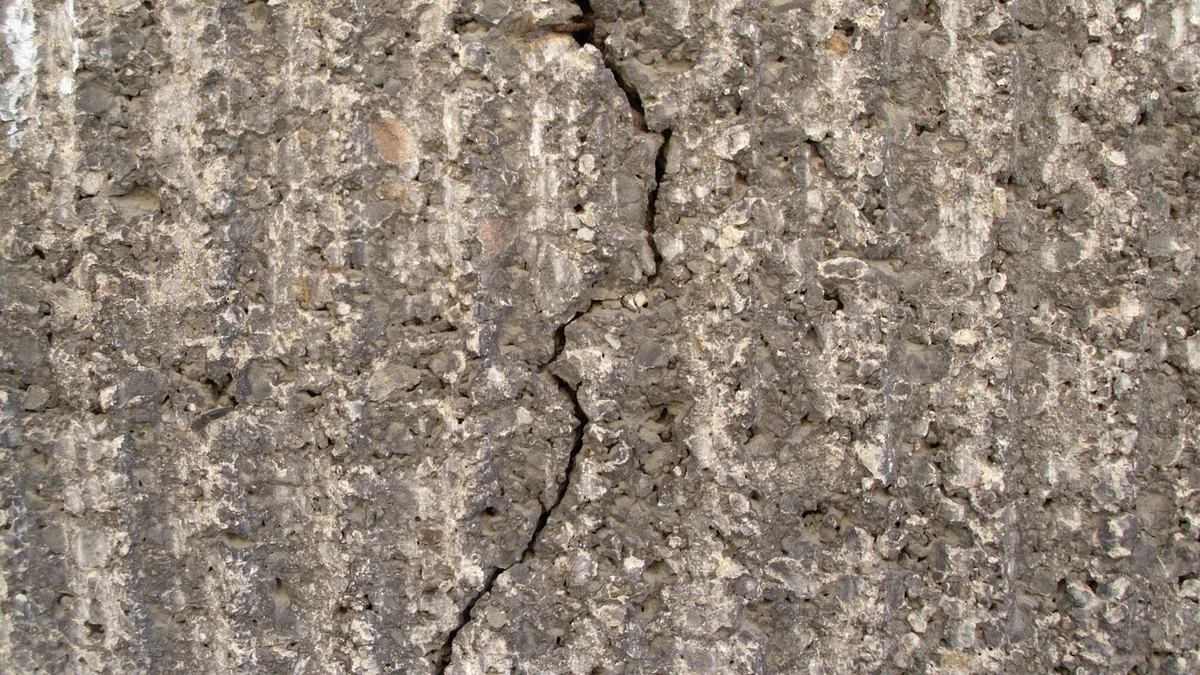
- Addressing Concrete Path Cracks: While waterproofing won’t repair structural cracks, it can prevent water from penetrating into existing hairline cracks, thus slowing down further deterioration caused by water ingress and freeze-thaw cycles. Specialized crack fillers are often used before waterproofing for larger cracks.
For example, imagine a 10-year-old concrete patio that has started to develop minor surface cracks and shows signs of efflorescence after heavy rains. Replacing the entire patio is not an option. In this case, cleaning the patio thoroughly, repairing any significant cracks with a suitable filler, and then applying a high-quality penetrating silane/siloxane sealer would be an ideal outdoor concrete waterproofing solution. This would repel water, reduce further damage, and potentially extend the patio’s life by many years.
When Waterproof Concrete Patio May Be a Better Fit
When planning new construction or undertaking a significant renovation, opting for a waterproof concrete patio (or path, steps, or slab) can offer superior, long-term benefits by addressing water resistance at the foundational level.
- New Construction or Major Renovation: If you’re pouring a new concrete patio, building new steps, or laying a new small slab, specifying a waterproof concrete mix from the outset is often the most effective approach for integral, long-term protection. This allows for the integration of waterproofing agents directly into the concrete matrix.
- High-Exposure Environments: For concrete surfaces in areas that experience constant moisture, heavy rainfall, prolonged snow cover, or poor drainage, an inherently waterproof concrete mix provides a higher degree of protection than surface-applied treatments alone. Examples include patios adjacent to swimming pools, basement access steps, or slabs in continuously damp, shaded areas.
- Long-Term, Low-Maintenance Solution: While initial costs might be higher, waterproof concrete patios are designed for durability and require less frequent reapplication of surface sealers for waterproofing purposes. This translates to lower maintenance efforts and costs over the lifespan of the concrete, offering a “set it and forget it” advantage regarding water resistance.
- Structural Integrity Concerns: In situations where water penetration could compromise the structural integrity of the concrete or adjacent structures (e.g., a patio slab over a habitable space, or steps leading to a below-grade entrance), the robust, inherent protection of waterproof concrete is a significant advantage. It minimizes the risk of water migration through the slab itself.
- Desire for Intrinsic Protection: Some homeowners or builders prefer the peace of mind that comes with knowing the concrete itself is designed to resist water, rather than relying solely on a surface application that can wear down over time. This intrinsic protection is less susceptible to abrasion, UV degradation, or chemical attack from the top surface.
- Specific Project Specifications: Certain architectural or engineering specifications for projects might mandate the use of waterproof concrete mixes to meet stringent performance requirements or building codes, especially in commercial or public sector applications.
Consider a scenario where a homeowner is installing a new patio that will serve as a foundation for an outdoor kitchen, complete with plumbing and electrical conduits embedded within the slab. In this case, choosing a concrete mix with integral waterproofing admixtures would be a wise investment. This ensures that the entire slab resists water penetration, protecting the embedded utilities and preventing moisture from wicking up into the kitchen components, providing a much more reliable and durable base than a standard concrete slab merely treated with a surface sealer. The upfront cost for the specialized concrete mix would be justified by the enhanced protection of the overall outdoor kitchen investment.
How to Choose Based on Goals and Context
The decision between outdoor concrete waterproofing (surface treatments) and a waterproof concrete patio (integral waterproofing) hinges on several factors related to your existing situation, budget, long-term goals, and the specific demands of the environment.
To simplify the decision, consider the following aspects:
| Factor | Outdoor Concrete Waterproofing (Surface Treatment) | Waterproof Concrete Patio (Integral Waterproofing) |
|---|---|---|
| Existing Concrete | YES – Ideal for protecting and restoring existing structures. | NO – Not applicable to existing, cured concrete. |
| New Construction | Can be applied to new standard concrete for added protection. | YES – Best integrated during the concrete pouring phase. |
| Cost (Initial) | Lower initial cost, especially for DIY application. | Higher initial cost due to specialized admixtures and potentially labor. |
| Maintenance | Requires periodic reapplication (e.g., every 1-5 years, depending on product). | Low maintenance for waterproofing function; surface may still benefit from sealing. |
| Depth of Protection | Surface-level or shallow penetration; susceptible to surface wear. | Integral protection throughout the concrete matrix; durable against abrasion. |
| Longevity | Dependent on product type and reapplication schedule. | Designed for the lifespan of the concrete itself. |
| Ease of Application | Many DIY-friendly options; professional application for complex systems. | Requires professional concrete mixing and pouring expertise. |
| Aesthetic Control | Wide range of finishes (matte, gloss, color enhancement). | Primarily affects concrete performance; aesthetic choices are separate. |
| Primary Goal | Remediation, surface protection, aesthetic enhancement, stain resistance. | Fundamental water resistance, structural protection, long-term durability. |
| Risk Tolerance | Relies on a barrier that can degrade; reapplication is key. | Inherently more robust, less prone to localized failure. |
Consider your specific context:
- For an aging concrete path with hairline cracks: A penetrating exterior concrete sealer applied after cleaning and minor crack repair is likely your best bet. It’s cost-effective and will extend the life of the path.
- For a brand-new patio where you want the ultimate peace of mind and minimal future maintenance related to water ingress: Specifying a concrete mix with integral waterproofing admixtures would be the superior choice, despite the higher upfront cost.
- For concrete steps leading to a basement entrance: Given the critical nature of preventing water from entering the home, a combination approach might be ideal: an inherently waterproof concrete mix for the steps, followed by a durable surface waterproofing sealer for added protection against surface wear and tear.
- For a small, decorative concrete slab in a garden: A simple, high-quality surface sealer might be sufficient for basic protection against weathering and to maintain its appearance.
Ultimately, your choice should align with whether you are addressing an existing problem, starting fresh, or aiming for a specific level of performance and maintenance commitment. For most existing outdoor concrete surfaces, a well-chosen and properly applied outdoor concrete waterproofing product will offer significant protection and extend their useful life. For new installations, the opportunity to build in integral water resistance should be seriously considered.
Frequently Asked Questions
What is outdoor concrete waterproofing?
Outdoor concrete waterproofing refers to the process of making outdoor concrete surfaces resistant to water penetration. This is achieved through various methods, such as applying surface sealers, penetrating sealers, or specialized coatings, or by incorporating water-resistant admixtures into the concrete mix during new construction. The goal is to protect concrete paths, steps, patios, and small slabs from damage caused by moisture, including cracking, spalling, efflorescence, and rebar corrosion.
How does outdoor concrete waterproofing compare with alternatives?
The primary “alternative” to surface-applied outdoor concrete waterproofing is the use of integrally waterproofed concrete (e.g., a waterproof concrete patio). The key comparison points are:
- Application: Surface waterproofing is applied to existing concrete or as a final layer on new concrete. Integral waterproofing is mixed into the concrete before it’s poured.
- Cost: Surface applications are generally less expensive initially, especially for existing structures. Integral waterproofing has a higher upfront cost for new pours.
- Protection Depth: Surface treatments create a barrier on or just below the surface. Integral waterproofing provides resistance throughout the entire concrete slab.
- Maintenance: Surface treatments typically require periodic reapplication. Integral waterproofing is a long-term solution with less frequent maintenance specifically for its water resistance.
- Best Use: Surface waterproofing is ideal for existing concrete and for enhancing surface protection. Integral waterproofing is best for new construction where foundational water resistance is desired.
Other “alternatives” might involve different paving materials entirely (e.g., pavers, natural stone, wood decking), but these are not concrete-based solutions.
What are the most common mistakes people make with outdoor concrete waterproofing?
Several common mistakes can reduce the effectiveness or longevity of outdoor concrete waterproofing:
- Improper Surface Preparation: This is arguably the biggest mistake. Applying a sealer or coating to dirty, greasy, or improperly cured concrete will prevent proper adhesion and penetration. The surface must be thoroughly cleaned, free of efflorescence, oil, dirt, and loose debris, and allowed to dry completely before application.
- Applying to Wet Concrete: Most waterproofing products require a dry surface for optimal performance. Applying to damp concrete can trap moisture, lead to bubbling, poor adhesion, and premature failure.
- Using the Wrong Product: Not all sealers are created equal. Using an interior sealer outdoors, or a film-forming sealer where a penetrating one is needed, or vice-versa, can lead to unsatisfactory results. For instance, a penetrating sealer is often better for freeze-thaw protection, while a film-forming sealer might offer more stain resistance.
- Over-Application or Under-Application: Applying too much sealer can lead to a milky appearance, peeling, or a slippery surface. Applying too little will not provide adequate protection. Following manufacturer’s coverage rates is crucial.
- Ignoring Concrete Path Cracks and Damage: Waterproofing is not a structural repair. Large cracks and significant damage should be repaired with appropriate concrete patch and filler materials before applying a waterproofing treatment. Waterproofing will help prevent water from exploiting minor hairline cracks but won’t fix structural issues.
- Applying in Unsuitable Weather Conditions: Extreme temperatures (too hot or too cold), high humidity, direct sunlight, or impending rain can all negatively impact the application and curing process of waterproofing products. Always check the manufacturer’s recommended temperature and weather guidelines.
- Lack of Reapplication: Many surface-applied waterproofing products are not permanent and require periodic reapplication (e.g., every 1-5 years) to maintain their effectiveness. Neglecting this maintenance will lead to a gradual loss of protection.
Conclusion
Protecting outdoor concrete surfaces from water damage is essential for their longevity, safety, and appearance. Whether you’re dealing with an existing concrete path showing signs of wear or planning a brand-new patio, understanding the nuances of outdoor concrete waterproofing is key. For existing structures, various sealers and coatings offer effective and often cost-efficient solutions to repel water and mitigate damage. When embarking on new construction, the option of an integrally waterproof concrete patio provides a robust, long-term solution by embedding water resistance directly into the material. The right choice depends on your specific context, budget, and desired level of maintenance. By selecting the appropriate method and ensuring proper application, you can significantly extend the life and enhance the performance of your outdoor concrete elements.
DIY safety disclaimer
Home Leak Fix publishes general DIY information for homeowners. Water intrusion can involve structural, electrical, height, mould, or insurance risks. Use proper safety equipment, follow local building rules, and call a qualified professional when a repair is unsafe, unclear, or beyond your experience.