Paint-on waterproofing refers to the application of liquid-applied membranes designed to create a seamless, water-resistant barrier. This category encompasses a range of products and, crucially, a variety of application methods: brushing, rolling, and spraying. While the underlying material might be similar, the choice of application technique significantly impacts project efficiency, finish quality, material consumption, and suitability for different surfaces and scales of work. Understanding these distinctions is key to achieving effective and durable waterproofing.
Understanding the Methods: Brush, Roller, and Spray
To effectively compare these methods, it’s important to first define what each entails in the context of liquid membrane application.
Brush Application: This is the most traditional and often the most accessible method. It involves using various types of brushes – from wide masonry brushes to smaller sash brushes – to apply the liquid waterproofing material. Brushing allows for precise control, particularly in intricate areas, corners, and around penetrations. It’s labor-intensive but requires minimal specialized equipment beyond the brushes themselves.
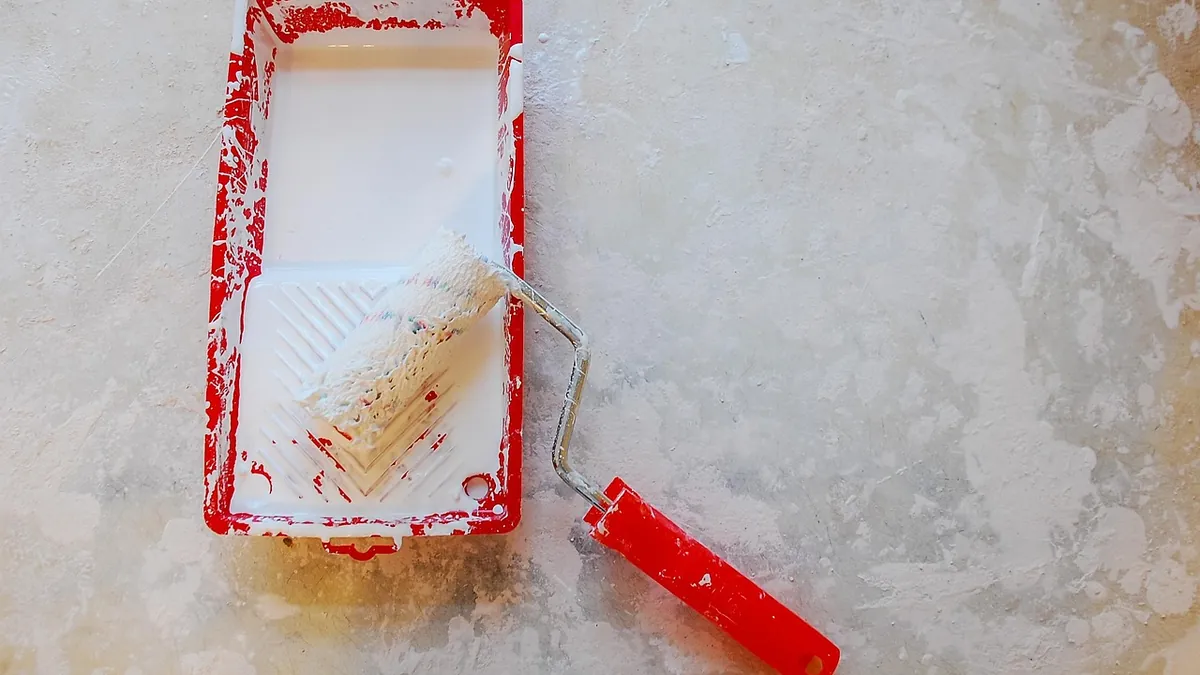
Roller Application: Rollers offer a faster way to cover larger, flatter surfaces compared to brushes. They come in different nap lengths and materials, chosen based on the viscosity of the waterproofing product and the texture of the substrate. Rolling provides a more uniform finish over broad areas and can significantly reduce application time on expansive, unobstructed surfaces.
Spray Application: This method utilizes specialized high-pressure spray equipment, often airless sprayers, to atomize the liquid waterproofing material and apply it as a fine, even mist. Spraying is by far the fastest method for covering very large areas and complex geometries, including uneven surfaces, without brush or roller marks. However, it demands specific equipment, technical skill to operate, and significant masking and containment to prevent overspray.
The “paint-on” aspect is a broad descriptor. While all three methods involve applying a liquid coating, the term “brush on waterproofing” specifically highlights the manual, direct application technique, often implying smaller-scale or detail-oriented work. Similarly, a “roller applied membrane” emphasizes the use of a roller for efficiency on larger, flatter surfaces. “Spray waterproof coating” distinctly points to the use of specialized equipment for rapid, uniform coverage, especially in industrial or large commercial settings.
The practical implications of these choices are profound. For instance, applying a thick, elastomeric liquid membrane with a brush can be slow and physically demanding, potentially leading to inconsistent film thickness. The same material applied with an appropriate roller might be faster but could still struggle with tight corners. Spraying, while fast, introduces concerns about wind drift, material waste from overspray, and the need for thorough cleanup of specialized equipment. Trade-offs consistently emerge between speed, precision, equipment cost, and labor requirements.
Shared Benefits and Overlaps of Liquid-Applied Waterproofing
Regardless of the application method chosen, liquid-applied waterproofing membranes share several fundamental advantages over pre-formed sheet membranes or other traditional systems. These benefits are inherent to the nature of the material itself.
Firstly, they create a seamless barrier. Unlike sheet membranes that rely on seams and overlaps, liquid-applied products cure to form a continuous, monolithic layer. This eliminates potential weak points where water ingress could occur due to faulty seams, ensuring a more reliable and durable waterproof envelope. This seamless quality is particularly beneficial for complex geometries, irregular surfaces, and areas with numerous penetrations (pipes, vents, etc.) where cutting and fitting sheet membranes would be challenging and prone to error.
Secondly, liquid membranes offer excellent adhesion to a wide variety of substrates, provided proper surface preparation is performed. They effectively bond to concrete, masonry, metal, wood, and even existing membranes in some cases. This strong adhesion helps prevent water migration beneath the membrane if the top layer is somehow breached, localizing any potential damage.
Thirdly, many liquid-applied waterproofing products possess significant elasticity and flexibility. This allows them to bridge minor cracks in the substrate and accommodate structural movement, thermal expansion, and contraction without compromising the waterproof integrity. This is a critical factor in areas prone to movement, such as rooftops, balconies, and foundation walls. The ability to stretch and recover is a hallmark of high-performance liquid membranes, contributing to their long-term effectiveness.
Finally, the repairability of liquid membranes is often simpler. If a localized area is damaged, it can typically be cleaned and re-coated with the same material, seamlessly integrating the repair into the existing membrane. This contrasts with sheet membranes, where repairs might involve cutting out sections and introducing new seams, potentially creating new vulnerabilities.
Overlap occurs in the preparatory stages and curing processes. All liquid-applied methods require meticulous surface preparation – cleaning, priming, patching, and detailing of corners and penetrations – to ensure optimal adhesion and performance. Similarly, all methods depend on proper curing conditions (temperature, humidity) to achieve their full strength and waterproof properties. The material itself dictates many of these shared requirements, while the application method influences the efficiency and ease of meeting them.
When Brush Application May Be a Better Fit
Brush application, while often slower, shines in specific scenarios where precision, control, and minimal equipment are paramount.
Intricate Details and Small Areas: For complex architectural features, tight corners, pipe penetrations, drains, and other small, irregular surfaces, a brush provides unmatched control. It allows the applicator to meticulously work the material into every crevice, ensuring complete coverage where rollers or sprays might miss or be impractical. Think of waterproofing around a skylight curb, a shower pan drain, or a small planter box – these are ideal for brush application.
Edge Detailing and Reinforcement: Even when rollers or sprays are used for broad areas, brushes are almost always employed for detailing edges, flashing, and reinforcing fabric integration. The brush helps embed reinforcing mesh into the liquid membrane, ensuring a robust, continuous layer at critical junctions.
Thicker Coatings and High Viscosity Materials: Some waterproofing membranes are designed to be applied in very thick layers or have a naturally high viscosity. While specific brushes are needed, applying these materials by brush can offer better control over film build and reduce issues like sagging or slumping that might occur with rollers or sprays if the material is too thick or the technique is incorrect.
Limited Access and Confined Spaces: In basements, crawl spaces, or other areas with restricted movement, maneuvering a spray rig or even a roller can be challenging. A brush offers flexibility and ease of use in these tight environments, making it a practical choice.
DIY Projects and Cost Sensitivity: For homeowners or small-scale projects, brush application requires minimal investment in tools. A few brushes, a stirring stick, and the waterproofing material are often all that’s needed. This avoids the cost of purchasing or renting specialized spray equipment or a variety of rollers, making it a more budget-friendly entry point for non-professionals. The learning curve for brush application is also generally lower.
Scenario Example: Imagine waterproofing a residential shower pan. The small area, the need for precise coverage around the drain, the curb, and the wall junctions make brush application the most sensible and effective method. An applicator can ensure proper material buildup in these critical areas, preventing future leaks.
When Roller Application May Be a Better Fit
Roller application strikes a balance between the precision of brushing and the speed of spraying, making it a versatile choice for many projects.
Large, Flat, Unobstructed Surfaces: This is where rollers excel. For expansive decks, flat roofs, foundation walls, or concrete slabs, a roller can cover significant square footage much faster than a brush, while still allowing for good control over material thickness. The uniformity of application over such surfaces is also a key advantage.
Moderate Viscosity Materials: Many liquid waterproofing membranes are formulated with a viscosity suitable for roller application. They are thick enough not to sag but fluid enough to spread evenly with a roller, creating a consistent film.
Achieving Uniform Thickness: With proper technique, rollers can help achieve a relatively consistent film build across a large area. This is crucial for waterproofing performance, as inadequate thickness can compromise the barrier’s integrity. Applicators can often gauge the coverage rate more easily with a roller than with a brush, ensuring they apply the recommended amount of material per square foot.
Fewer Imperfections on Smooth Surfaces: On smooth substrates, a roller can leave a more even texture than a brush, which might show brush strokes. While aesthetic considerations are secondary to waterproofing, a smoother finish can sometimes be desirable.
Intermediate Project Size: For projects that are too large for efficient brush application but not extensive enough to justify the setup and cleanup of spray equipment, rollers offer a practical and cost-effective middle ground. Think of waterproofing a medium-sized balcony, a garage floor, or a basement wall.
Scenario Example: A contractor is waterproofing a 1,000 square foot concrete roof deck on a commercial building. While the perimeter and penetrations will require brush detailing, the vast majority of the flat surface is ideally suited for roller application. Using a high-quality roller with the correct nap will allow for rapid, uniform coverage, significantly speeding up the project compared to brushing the entire area.
When Spray Application May Be a Better Fit
Spray application represents the pinnacle of efficiency for large-scale and complex waterproofing projects, though it comes with higher demands for equipment and skill.
Very Large Scale Projects: Industrial facilities, commercial roofs, large foundation walls, parking garages, and extensive concrete structures are prime candidates for spray application. The speed at which material can be applied drastically reduces labor costs and project timelines on these massive jobs. A single spray rig can cover thousands of square feet in a fraction of the time it would take with brushes or rollers.
Complex Geometries and Irregular Surfaces: While brushes excel at small details, spray application can efficiently coat surfaces with numerous undulations, corrugations, or textures that would be challenging and slow to cover uniformly with rollers or brushes. The atomized material can reach into recesses and wrap around shapes, creating a continuous film without significant effort.
Specific Material Formulations: Some advanced liquid membranes, particularly those with very low viscosity or those designed for rapid cure, are specifically engineered for spray application. These materials might be difficult to apply effectively with brushes or rollers due to their properties.
High Production Rates and Tight Deadlines: When project schedules are extremely tight, spray application is often the only viable option to meet deadlines. The ability to apply large volumes of material quickly is invaluable in time-sensitive construction.
Achieving a Uniform, Smooth Finish (with skilled application): In the hands of experienced operators, spray application can yield an exceptionally smooth and uniform finish, free of brush marks or roller textures. This can be aesthetically pleasing and contribute to consistent film thickness across the entire surface.
Scenario Example: Imagine waterproofing the entire exterior of a new high-rise building’s foundation walls, spanning thousands of square feet and incorporating various architectural elements. Spray application would be the most efficient and cost-effective method. A skilled crew with appropriate airless sprayers could apply the liquid membrane quickly and uniformly, ensuring comprehensive coverage and meeting the tight construction schedule.
How to Choose Based on Goals and Context
Selecting the appropriate application method for paint-on waterproofing is a critical decision that impacts cost, quality, and project timeline. It’s rarely a one-size-fits-all answer but rather a strategic choice based on several interacting factors.
The first step is to evaluate the project scale and complexity. For a small DIY project like a shower pan, the simplicity and low equipment cost of brush application make it the clear winner. For a medium-sized deck or basement, a roller offers a good balance of speed and control. For a massive commercial roof or foundation, the efficiency of spray application becomes indispensable.
Next, consider the surface type and geometry. Is it a perfectly flat, unobstructed slab? A roller will be efficient. Is it a highly intricate area with many pipes and corners? Brushing is probably necessary, at least for detailing. Does it have many undulations or textures that need thorough coating? Spraying might be the most effective way to ensure complete coverage.
Material characteristics play a significant role. Some liquid membranes are very thick and best suited for specific rollers or even brushes. Others are highly fluid and might perform better when sprayed. Always consult the manufacturer’s specifications and recommendations for the chosen waterproofing product, as they often dictate preferred application methods and film thickness requirements.
Budget and equipment availability are practical constraints. Purchasing or renting a professional-grade airless sprayer can be a substantial investment, often only justified for contractors who perform such work regularly. Brushes and rollers are comparatively inexpensive and readily available.
Skill level and labor availability are also vital. While brushing and rolling are relatively easy to learn, achieving a professional-grade, consistent spray application requires significant training, experience, and attention to safety protocols (e.g., proper masking, ventilation, personal protective equipment). An untrained sprayer can lead to uneven coverage, overspray issues, and wasted material.
Finally, consider the desired finish and quality requirements. While all methods can provide effective waterproofing, the aesthetic finish can vary. A well-executed spray application often yields the smoothest, most uniform appearance, which might be a factor for exposed surfaces.
Here’s a comparative table summarizing the decision factors:
| Feature/Method | Brush Application | Roller Application | Spray Application |
|---|---|---|---|
| Project Size | Small, intricate areas, detailing | Medium to large, relatively flat surfaces | Very large, extensive, high-production |
| Surface Geometry | Complex, corners, penetrations, irregular | Flat, gently contoured, walls | Complex, textured, corrugated, vast flat areas |
| Material Viscosity | High, thick coatings, detail work | Moderate to high | Low to moderate, specialized spray formulations |
| Speed | Slowest | Moderate, good for broad areas | Fastest, highest coverage rate |
| Precision/Control | Highest, excellent for detailing | Good, consistent film on flat surfaces | Good (with skilled operator), even film |
| Equipment Cost | Lowest (brushes, buckets) | Low (rollers, trays, poles) | Highest (specialized spray rig, compressor) |
| Labor Cost | Highest per square foot | Moderate per square foot | Lowest per square foot (but requires skilled labor) |
| Skill Required | Low to moderate | Moderate | High (technical operation, safety, masking) |
| Finish Quality | Can show brush marks, good for details | Generally uniform, slight texture | Smoothest, most uniform (if applied well) |
| Material Waste | Low | Low | Potentially high (overspray, masking) |
| Setup/Cleanup | Minimal | Moderate | Extensive (masking, equipment cleaning) |
Ultimately, a hybrid approach is common. For large projects, spray application might cover the main surface, with rollers used for smaller sections and brushes for critical detailing, corners, and penetrations. This combines the efficiency of spraying with the precision of manual application, ensuring comprehensive and durable waterproofing.
Frequently Asked Questions
What is paint on waterproofing?
Paint-on waterproofing refers to the application of liquid-applied membranes that cure to form a monolithic, seamless, and flexible barrier against water ingress. These materials, often acrylic, polyurethane, or asphalt-modified, are applied in a liquid state using brushes, rollers, or spray equipment, much like paint, to create a waterproof layer on surfaces like roofs, foundations, decks, and wet areas.
How does paint on waterproofing compare with alternatives?
Paint-on waterproofing offers several advantages over traditional alternatives. Compared to sheet membranes (e.g., EPDM, TPO, PVC), liquid-applied membranes create a truly seamless barrier, eliminating vulnerable seams and overlaps. They also conform better to complex shapes and irregular surfaces. However, sheet membranes often offer more consistent factory-controlled thickness and can be faster to install on very large, simple flat roofs in certain conditions. Compared to cementitious waterproofing (e.g., crystalline coatings), paint-on membranes typically offer greater flexibility and crack-bridging capabilities, making them more suitable for areas subject to movement. Cementitious options are often more rigid but can be very durable in specific applications like concrete basements. Bituminous coatings (like asphalt emulsions) are generally less elastic and durable than modern liquid membranes but are often a more cost-effective option for basic damp-proofing. The key differentiator for paint-on waterproofing is its seamless nature, flexibility, and strong adhesion, which often lead to superior long-term performance in many applications.
What are the most common mistakes people make with paint on waterproofing?
The most common mistakes in paint-on waterproofing generally revolve around preparation and application technique:
- Inadequate Surface Preparation: This is arguably the biggest mistake. Failing to properly clean, dry, repair, and prime the substrate leads to poor adhesion, blistering, and premature failure of the membrane. Any dust, oil, grease, or loose material will prevent the waterproofing from bonding effectively.
- Applying to a Wet or Uncured Substrate: Applying liquid membranes to a damp surface can trap moisture, leading to bubbling, delamination, or inhibiting proper curing. Similarly, applying over uncured concrete or patching compounds can cause issues.
- Insufficient Film Thickness: Not applying enough material (i.e., too thin a coat) is a critical error. Manufacturers specify minimum dry film thickness for effective waterproofing. Skimping on material to save costs almost guarantees failure.
- Improper Detailing: Corners, penetrations (pipes, drains), and transitions are the most common points of failure. Rushing or neglecting to meticulously detail these areas with reinforcing fabrics and sufficient material will lead to leaks.
- Ignoring Manufacturer’s Instructions: Each product has specific application requirements, including temperature ranges, recoat times, curing times, and recommended tools. Deviating from these instructions can compromise performance.
- Applying in Unfavorable Weather Conditions: Extreme temperatures, high humidity, rain, or strong winds during application or curing can negatively impact the membrane’s adhesion, curing, and overall performance.
- Lack of Proper Mixing: Many liquid membranes are multi-component or require thorough mixing to ensure proper consistency and curing. Inadequate mixing can lead to uneven curing or material failure.
Conclusion
Choosing between brush, roller, or spray application for paint-on waterproofing is not about identifying a single “best” method, but rather selecting the most appropriate tool for the specific job at hand. Each technique offers distinct advantages and disadvantages concerning efficiency, precision, equipment cost, and suitability for different surfaces and project scales. Understanding these nuances allows for informed decisions that optimize both the application process and the long-term effectiveness of the waterproof barrier. For most projects, a combination of methods often yields the best results, leveraging the speed of rollers or sprays for large areas while relying on brushes for critical detailing. Ultimately, the goal is a seamless, durable, and properly adhered membrane, regardless of the tools used to achieve it.
DIY safety disclaimer
Home Leak Fix publishes general DIY information for homeowners. Water intrusion can involve structural, electrical, height, mould, or insurance risks. Use proper safety equipment, follow local building rules, and call a qualified professional when a repair is unsafe, unclear, or beyond your experience.