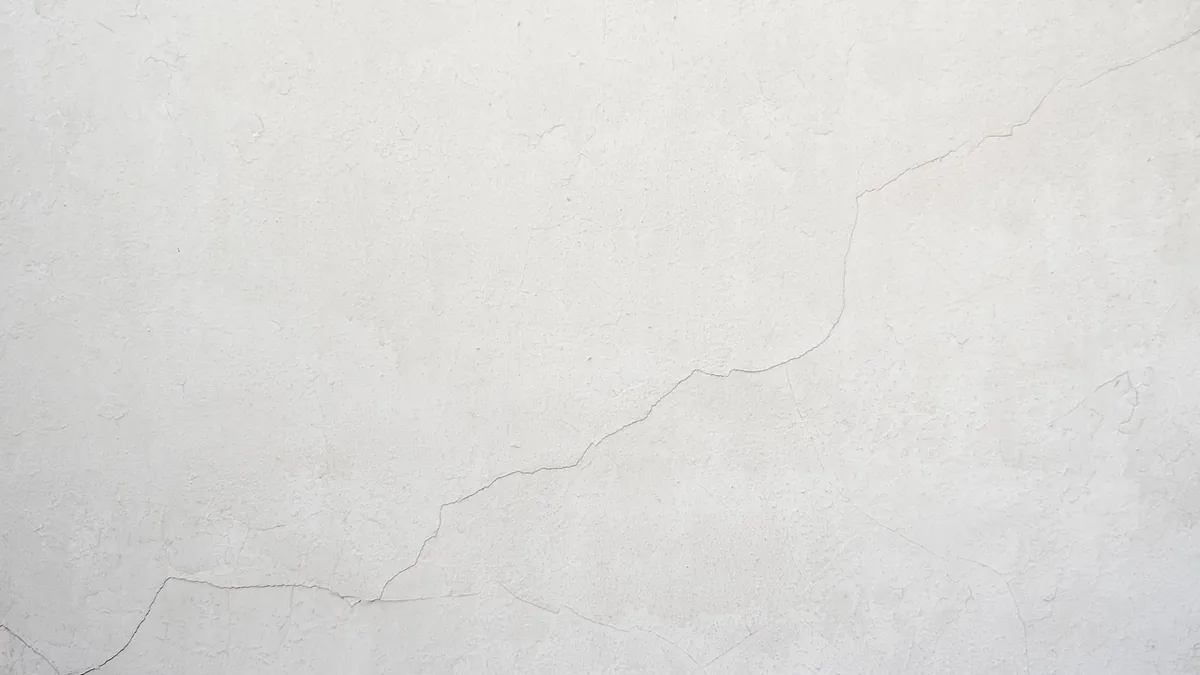
A leaking basement crack often signals more than just a nuisance; it can be an indicator of hydrostatic pressure against your foundation, leading to potential structural issues and water damage. Among the various solutions for addressing these leaks, polyurethane injection stands out as a common and effective method. This approach involves injecting a specialized polyurethane resin directly into the crack, where it reacts with water to expand and create a flexible, watertight seal. Understanding how this process works, its benefits, and when it’s the most appropriate solution can help homeowners make informed decisions about their foundation repair needs.
Key Differences Between Polyurethane Injection and Crack Injection Waterproofing
The terms “polyurethane injection” and “crack injection waterproofing” are often used interchangeably, but it’s helpful to understand the subtle distinctions and how they relate to the materials involved. Polyurethane injection is a specific type of crack injection waterproofing, focusing on the use of polyurethane as the sealant material. However, crack injection waterproofing is a broader category that can encompass other materials like epoxy.
Polyurethane, as a material, is known for its flexibility and ability to react with water. When injected into a leaking foundation crack, the polyurethane resin actively seeks out moisture. Upon contact, it undergoes a chemical reaction, expanding to fill the void within the crack and forming a tenacious bond with the concrete. This expansion is crucial, as it allows the material to penetrate the full depth and width of the crack, including hairline fractures that might not be visible from the surface. The resulting seal is not rigid; it retains a degree of elasticity. This flexibility is a significant advantage, particularly in basements where foundations are subject to minor shifts and movements due to soil expansion and contraction, or freeze-thaw cycles. A flexible seal can accommodate these movements without breaking, unlike a rigid material that might crack under stress.
In contrast, epoxy injections, while also a form of crack injection waterproofing, are primarily used for structural repairs. Epoxy is a rigid material that, once cured, becomes stronger than the concrete itself. It’s often employed when the crack indicates a structural weakness that needs to be bonded and strengthened. Epoxy does not react with water, meaning the crack must be dry for the injection to be effective. If water is present, it can prevent the epoxy from bonding properly, compromising the repair.
Therefore, the practical implications boil down to the primary goal of the repair. If the goal is to stop water from entering the basement through a crack that is otherwise structurally sound, polyurethane is typically the preferred choice due to its water-reactive and flexible properties. If the crack suggests a structural issue requiring reinforcement, and the crack can be dried, then epoxy would be considered. Edge cases might involve cracks that are both leaking and structurally compromised, where a multi-stage approach might be necessary, potentially involving temporary water stoppage followed by structural epoxy repair, or a specialized hybrid material.
Consider a scenario where a homeowner notices a damp spot on their basement wall after heavy rain, and upon inspection, a vertical crack is visible. If the crack isn’t wide or showing signs of significant structural displacement, a polyurethane injection would be the go-to solution. The material will seal the leak, and its flexibility will ensure the repair holds even if the foundation experiences minor shifts. If, however, the crack is wide, jagged, and appears to be growing, this might indicate a structural issue. In such a case, a structural engineer’s assessment would be prudent, and an epoxy injection might be recommended to restore the integrity of the foundation, assuming the crack can be adequately dried.
Shared Benefits and Overlaps
Despite their differences, both polyurethane injection and other forms of crack injection waterproofing share several fundamental benefits, particularly when compared to more traditional, exterior-based waterproofing methods. The most significant shared advantage is their ability to address leaks from the interior of the basement. This eliminates the need for extensive excavation around the foundation, which is often disruptive, time-consuming, and costly. Excavation can damage landscaping, driveways, or patios, and requires significant labor and equipment. Interior crack injection methods bypass these issues entirely.
Both methods also offer a relatively fast repair process. Once the crack is prepared and the injection ports are installed, the actual injection of the material can often be completed within a few hours for typical foundation cracks. The curing time varies depending on the material, but the immediate cessation of the leak is usually apparent. This rapid intervention is crucial for preventing further water damage to interior finishes, personal belongings, and the overall structural integrity of the basement.
Another shared benefit is the precision of the repair. Unlike surface patching, which only addresses the visible portion of a crack, injection methods deliver the sealant deep into the concrete. This ensures that the entire crack, from the interior surface to the exterior face of the foundation wall, is filled and sealed. This full-depth penetration is critical for long-term effectiveness, as water can find its way through any unsealed portion of the crack.
Moreover, these injection techniques are generally less intrusive than external waterproofing. There’s no heavy machinery tearing up your yard, no large piles of excavated soil, and minimal disruption to your daily life. This discreet nature makes them an attractive option for homeowners seeking an efficient and tidy solution to basement leaks.
For example, imagine a finished basement with drywall and flooring. An external waterproofing solution would necessitate removing a significant portion of the exterior landscaping, potentially impacting decks or patios. An internal crack injection, whether with polyurethane or epoxy, would only require minimal disruption to the interior, perhaps just temporarily moving furniture or cutting a small section of drywall if the crack is hidden. Both methods offer a targeted approach that minimizes collateral damage and maximizes efficiency in stopping water ingress.
When Polyurethane Injection May Be a Better Fit
Polyurethane injection truly shines in specific scenarios, primarily when dealing with active water leaks and cracks that are expected to experience some movement. Its unique properties make it an ideal choice for several common basement crack issues.
Firstly, active water leaks are where polyurethane excels. Unlike epoxy, polyurethane is hydrophilic, meaning it reacts with water. When injected into a crack that is actively seeping water, the resin immediately begins to foam and expand upon contact with the moisture. This reaction helps to push the water out of the crack and create a dense, waterproof seal. For a homeowner dealing with a basement wall that drips or streams water during heavy rain, polyurethane provides an immediate and effective solution without the need to first dry out the crack, which can be challenging or impossible with an active leak.
Secondly, for non-structural cracks in concrete foundations, polyurethane is often the preferred material. These are typically vertical or diagonal cracks that are relatively uniform in width and show no signs of significant differential movement or bowing in the wall. These cracks are usually a result of normal concrete shrinkage during curing or minor foundation settlement. Since the primary concern is water entry rather than structural reinforcement, the flexible nature of polyurethane is highly advantageous. It allows the foundation to undergo minor, normal movements without compromising the watertight seal. A rigid material like epoxy, in such a scenario, might simply crack again if the foundation shifts, leading to a recurring leak.
Consider a scenario where a basement has a few hairline cracks that are damp to the touch during spring thaws. These cracks are not wide, nor do they appear to be expanding. A polyurethane injection would be highly effective here. The material’s ability to react with the present moisture and its inherent flexibility would create a long-lasting, watertight barrier that can withstand the subtle seasonal movements of the foundation. If these same cracks were repaired with a rigid epoxy, there’s a higher probability that the epoxy itself would eventually crack due to thermal expansion/contraction or minor settlement, leading to a renewed leak.
Another example is a crack that extends through the wall and is exposed to fluctuating moisture levels on the exterior. The constant presence of moisture makes drying the crack for an epoxy application impractical. Polyurethane’s water-reactive properties mean it can be injected directly into this wet environment, providing a reliable seal.
This table summarizes key considerations for choosing between polyurethane and epoxy for basement crack repair:
| Feature | Polyurethane Injection | Epoxy Injection |
|---|---|---|
| Primary Purpose | Waterproofing and sealing | Structural repair and bonding |
| Water Reactivity | Reacts with water, expands, good for active leaks | Does not react with water, requires dry crack |
| Flexibility | Flexible, accommodates minor foundation movement | Rigid, provides structural strength |
| Crack Type | Non-structural, leaking cracks | Structural, hairline to wide cracks |
| Curing Time | Fast initial reaction (minutes), full cure (hours) | Longer curing time (hours to days) |
| Application | Ideal for actively leaking cracks | Ideal for dry, structurally compromised cracks |
| Durability | Long-lasting, flexible seal | Very durable, stronger than concrete |
When Crack Injection Waterproofing (Specifically Epoxy) May Be a Better Fit
While polyurethane is excellent for stopping leaks, there are distinct situations where other forms of crack injection waterproofing, particularly epoxy, are more appropriate. These situations generally involve structural integrity rather than just water intrusion.
First and foremost, structural cracks are the primary domain of epoxy injection. These cracks are often wider, irregular, or show signs of differential movement, such as one side of the crack being offset from the other. They might also be accompanied by other structural indicators like bowing walls, stair-step cracks in block foundations, or significant settlement. In these cases, the goal is not merely to stop water, but to restore the structural integrity of the concrete element. Epoxy, once cured, forms a bond that is often stronger than the surrounding concrete, effectively welding the two sides of the crack back together. This reinforces the foundation and prevents further structural degradation.
Secondly, when a crack is dry and structurally compromised, epoxy is the superior choice. Since epoxy does not react with water, the crack must be thoroughly dry for the material to bond effectively. If a structural crack is also leaking, professionals might first use a quick-setting hydraulic cement or a specialized polyurethane to temporarily stop the water, then allow the crack to dry before applying the structural epoxy. This two-stage approach ensures both waterproofing and structural repair.
Consider a residential basement where a wide, horizontal crack has appeared in the middle of a poured concrete wall, accompanied by a slight inward bulge. This is a strong indicator of structural stress, possibly from external soil pressure. In this scenario, simply injecting polyurethane would only address the water leak, and the underlying structural issue would persist, potentially leading to further damage. An epoxy injection would be necessary to bond the crack, reinforce the wall, and mitigate the structural problem.
Another example involves smaller, hairline cracks that are not leaking but are part of a larger pattern of structural distress, such as those radiating from a window or door opening under stress. While these might not be letting water in, they indicate localized stress. An epoxy injection would provide the necessary reinforcement to prevent these cracks from widening or causing further structural issues down the line. The key differentiator here is the purpose of the repair: structural reinforcement versus simple waterproofing.
How to Choose Based on Goals and Context
Selecting the right crack injection method hinges on a clear understanding of your repair goals, the nature of the crack, and the environmental context. There isn’t a one-size-fits-all solution, and a careful assessment is crucial.
Goal-Oriented Approach:
- Primary Goal: Stop Water Leakage in a Non-Structural Crack. If your main concern is simply stopping water from entering your basement through a crack that appears stable and isn’t indicative of structural failure, polyurethane injection is generally the most effective and cost-efficient choice. Its flexibility and water-reactive properties are perfectly suited for this purpose. It creates a durable, watertight seal that can withstand minor foundation movements without failing.
- Primary Goal: Restore Structural Integrity and Prevent Further Movement. If the crack is wide, irregular, growing, or accompanied by other signs of structural distress (e.g., bowing walls, uneven floors, doors/windows sticking), your primary goal should be structural reinforcement. In this case, epoxy injection is the appropriate method. It acts as a bonding agent, effectively gluing the concrete back together and restoring its load-bearing capacity. While it can also waterproof, its main strength lies in structural repair.
Crack Characteristics and Context:
- Active Leak vs. Dry Crack: This is a critical distinction. If the crack is actively dripping or streaming water, polyurethane is the clear winner due to its ability to react with water and displace it. If the crack is completely dry, or can be dried, then both polyurethane and epoxy are technically options, but the choice would then fall back to the structural vs. non-structural assessment.
- Flexibility vs. Rigidity: Consider the likelihood of future foundation movement. Basements are subject to various forces, including soil expansion/contraction, frost heave, and minor settlement. If these movements are anticipated, the flexibility of polyurethane offers a significant advantage, as it can flex with the concrete without re-cracking. If the crack is in a highly stable, non-moving structural element where rigidity is paramount, epoxy provides that unyielding strength.
- Crack Width and Depth: For very fine, hairline cracks that are leaking, polyurethane’s low viscosity allows it to penetrate deeply and fill even the smallest voids. For wider structural cracks, epoxy’s bonding strength becomes more critical.
Professional Assessment:
Given the complexities, especially when structural concerns are present, consulting with a qualified foundation repair specialist is invaluable. They can accurately diagnose the type of crack, assess the underlying cause, and recommend the most suitable injection material and repair strategy. They possess the specialized equipment and expertise to identify whether a crack is merely a cosmetic water entry point or a symptom of a larger structural problem. For instance, a professional might use a moisture meter to confirm the presence of water within a crack that appears dry on the surface, or employ a laser level to detect subtle wall bowing.
Ultimately, the decision is a balance between addressing immediate water ingress and ensuring the long-term stability of your foundation. Prioritizing structural integrity when warranted can prevent more expensive and extensive repairs down the line.
Frequently Asked Questions
Understanding the nuances of polyurethane injection and its alternatives can raise several questions. Here are some common ones, addressed directly.
What is polyurethane injection basement crack?
Polyurethane injection for basement cracks is a method of waterproofing concrete foundation cracks from the interior. It involves injecting a liquid polyurethane resin directly into a leaking crack. This resin reacts with any water present in the crack, expanding to form a flexible, watertight foam or gel. This expanded material fills the entire crack, from the interior surface to the exterior, creating a durable seal that stops water from entering the basement. The flexibility of the cured polyurethane allows it to accommodate minor movements in the foundation without breaking the seal.
How does polyurethane injection basement crack compare with alternatives?
Polyurethane injection primarily compares with epoxy injection as an internal crack repair method, and with external waterproofing as a broader solution.
- Compared to Epoxy Injection:
- Polyurethane: Best for active water leaks and non-structural cracks. It’s flexible, water-reactive, and expands to fill voids.
- Epoxy: Best for structural cracks that need bonding and reinforcement. It’s rigid, stronger than concrete, and requires a dry crack.
- Choice: If the crack is leaking and non-structural, polyurethane is usually preferred. If the crack is structural and dry (or can be dried), epoxy is better.
- Compared to External Waterproofing:
- Polyurethane Injection: An interior, non-invasive method. It’s generally faster, less disruptive, and more cost-effective as it avoids excavation. It targets the specific crack.
- External Waterproofing: Involves excavating around the foundation to apply a waterproof membrane or coating to the exterior. It’s a comprehensive solution for widespread dampness or multiple cracks, but it’s significantly more expensive, disruptive, and time-consuming.
- Choice: For isolated, leaking cracks, polyurethane injection is often the preferred first step. For systemic water issues or very old, deteriorated foundations, exterior waterproofing might be necessary.
What are the most common mistakes people make with polyurethane injection basement crack?
Several common mistakes can compromise the effectiveness of a polyurethane injection repair:
- Incorrect Diagnosis of Crack Type: The most significant mistake is using polyurethane for a crack that is primarily structural. While it will stop the leak, it won’t address the underlying structural integrity issue, which can lead to further damage. Conversely, attempting to use epoxy on an actively leaking crack is also a mistake, as the water will prevent proper bonding.
- Improper Crack Preparation: Failing to properly clean the crack surface of debris, loose concrete, or efflorescence can prevent the polyurethane from adhering correctly.
- Insufficient Injection Pressure or Material: Not using enough pressure during injection can result in incomplete filling of the crack, leaving voids where water can still penetrate. Similarly, not injecting enough material to ensure full depth penetration is a common error.
- DIY Attempts Without Proper Knowledge/Equipment: While DIY kits exist, polyurethane injection requires specific equipment (e.g., high-pressure injection pump, specialized ports) and a good understanding of the material’s properties and application techniques. Incorrect mixing, improper port placement, or insufficient pressure can lead to a failed repair.
- Ignoring the Root Cause: Sometimes, a crack is a symptom of a larger issue, such as inadequate drainage around the foundation, hydrostatic pressure, or significant foundation settlement. Simply injecting the crack without addressing the root cause can lead to new cracks forming elsewhere or the existing repair failing under continued stress.
Conclusion
Polyurethane injection for leaking basement cracks offers a highly effective and efficient solution for homeowners facing water intrusion. Its ability to react with water and form a flexible, watertight seal makes it particularly adept at addressing active leaks in non-structural foundation cracks. However, it’s crucial to distinguish it from other crack injection methods, like epoxy, which are designed for structural reinforcement. The choice between these methods hinges on the specific characteristics of the crack and the primary goal of the repair – whether it’s solely waterproofing or also restoring structural integrity. For lasting results and peace of mind, a professional assessment of your basement cracks is always the most prudent first step.
DIY safety disclaimer
Home Leak Fix publishes general DIY information for homeowners. Water intrusion can involve structural, electrical, height, mould, or insurance risks. Use proper safety equipment, follow local building rules, and call a qualified professional when a repair is unsafe, unclear, or beyond your experience.