Choosing the right waterproofing material is a critical decision in construction and maintenance, directly impacting a structure’s longevity and performance. Among the various options, polyurethane (PU) and bitumen stand out as two prominent contenders, each with distinct properties, advantages, and limitations. This article delves into a direct comparison of these two waterproofing solutions, examining their fundamental characteristics, practical implications, and ideal use cases to help clarify when one might be preferable over the other.
Key Differences Between Polyurethane and Bitumen Waterproofing
Polyurethane and bitumen waterproofing systems operate on different chemical principles and offer distinct performance profiles. Understanding these core differences is essential for making an informed choice.
Polyurethane waterproofing, often referred to as PU waterproofing, involves the application of a liquid membrane that cures into a seamless, elastic film. This film is formed from organic polymers linked by urethane groups. When applied, these liquid membranes react with moisture in the air or with a curing agent to solidify. The result is a highly flexible, strong, and UV-resistant barrier. PU systems are typically applied as cold liquids, which simplifies installation and reduces safety hazards associated with heat. They adhere well to various substrates, including concrete, metal, and wood, and can be formulated for specific performance requirements, such as high traffic resistance or chemical inertness.
Bitumen waterproofing, on the other hand, relies on bitumen, a petroleum-derived substance known for its inherent water-repellent properties. Bitumen can be applied in several forms: as a liquid coating (often modified with polymers for improved performance), in sheet form (modified bitumen membranes or APP/SBS modified sheets), or as an emulsion. Traditional bitumen is thermoplastic, meaning it softens when heated and hardens when cooled. This characteristic is central to its application, particularly for torch-applied membranes where sheets are heated and fused to the substrate and to each other. Modified bitumen systems incorporate polymers like Atactic Polypropylene (APP) or Styrene-Butadiene-Styrene (SBS) to enhance flexibility, temperature resistance, and durability. These modifications address some of the inherent brittleness and low-temperature cracking issues of unmodified bitumen.
The fundamental distinction lies in their chemical composition and resulting mechanical properties. Polyurethane offers superior elasticity and tensile strength, allowing it to bridge cracks and accommodate structural movement without compromising its integrity. It forms a monolithic, joint-free layer that is highly resistant to abrasion and chemical attack. Bitumen, even when modified, generally has lower elasticity compared to PU, though modified bitumen sheets provide good flexibility and tear resistance. Its strength often comes from the reinforcing fabric (e.g., polyester or fiberglass) embedded within the membrane.
Consider a scenario involving a rooftop that experiences significant thermal expansion and contraction throughout the year. A polyurethane liquid membrane, with its high elongation capabilities, can stretch and contract with the roof slab, maintaining its seal. In contrast, a traditional bitumen coating might crack under such stress, especially at colder temperatures, requiring more frequent repairs. While a high-quality modified bitumen sheet could perform well, its seams would still represent potential weak points that need careful detailing and maintenance.
Another practical implication is the application process. PU liquid membranes are generally easier to apply in complex geometries and around penetrations (pipes, vents) due to their liquid nature, which allows them to conform seamlessly. Bitumen sheets, while effective on large flat surfaces, require careful cutting, shaping, and sealing around intricate details, which can be labor-intensive and introduce more potential points of failure if not executed perfectly.
Key Differences at a Glance
| Feature | Polyurethane (PU) Waterproofing | Bitumen Waterproofing |
|---|---|---|
| Composition | Synthetic organic polymers with urethane linkages | Petroleum-derived asphalt, often polymer-modified (APP/SBS) |
| Application | Liquid-applied, cold-applied (brush, roller, spray) | Liquid-applied (cold/hot), torch-applied sheets, self-adhesive sheets |
| Curing/Setting | Chemical reaction (moisture-cured, two-component) | Physical hardening (cooling), solvent evaporation, fusion |
| Seams | Seamless, monolithic membrane | Seams (for sheet products) require careful detailing and sealing |
| Flexibility | Very high elasticity, excellent crack-bridging | Good (modified bitumen), lower (unmodified), can be brittle at low temps |
| UV Resistance | Generally excellent (especially aliphatic PU) | Poor (unmodified bitumen), good (granulated modified bitumen) |
| Durability | High tensile strength, abrasion, and chemical resistance | Good physical protection (especially sheets), moderate chemical resistance |
| Adhesion | Excellent to various substrates with proper priming | Good to concrete, metal; primer often required |
| Cost | Generally higher initial material cost | Often lower initial material cost (especially traditional) |
| Lifespan | 15-25+ years (depending on product and application) | 10-20 years (depending on product and application) |
| Complexity | Requires precise mixing/application; sensitive to moisture during curing | Torch application requires skilled labor; seam detailing |
Shared Benefits and Overlaps
Despite their distinct characteristics, both polyurethane and bitumen waterproofing systems offer fundamental benefits crucial for protecting structures from water ingress. Their shared goal is to create an impervious barrier, and both achieve this with varying degrees of success and application suitability.
Both systems are designed to offer robust protection against water. When correctly applied, they prevent liquid water from penetrating the underlying structure, whether it’s a roof, foundation, or wet area. This primary benefit is non-negotiable for any waterproofing solution. For instance, a well-installed PU membrane on a concrete roof slab will stop rainwater from seeping into the building, just as a properly laid modified bitumen sheet system will.
Another shared advantage is their adaptability to various surfaces, provided the surface is adequately prepared. Both can adhere to concrete, masonry, and metal substrates. Surface preparation, including cleaning, repairing, and priming, is paramount for both systems to ensure proper adhesion and long-term performance. A clean, dry, and sound substrate is the foundation for any successful waterproofing application, regardless of whether it’s a liquid PU or a bitumen sheet. Failing to properly prepare the surface will compromise the adhesion and integrity of either material, leading to premature failure.
Both polyurethane and modified bitumen offer reasonable durability. While PU generally boasts higher tensile strength and abrasion resistance, certain heavily reinforced modified bitumen sheets can withstand significant foot traffic and mechanical stress. For example, a rooftop parking deck might utilize a high-performance PU system for its elasticity and chemical resistance, but a heavy-duty modified bitumen system with a protective topping could also provide adequate wear resistance for lighter traffic.
From a practical perspective, both systems require skilled application. While PU is liquid-applied and may seem simpler, achieving uniform thickness, proper cure, and seamless detailing around complex features demands expertise. Similarly, torch-applied bitumen membranes require trained technicians to ensure proper fusion at seams and avoid burn-through or inadequate bonding. Self-adhesive bitumen membranes, while easier to install, still necessitate careful alignment and rolling to prevent air pockets and ensure full adhesion.
In terms of maintenance, both systems benefit from periodic inspection and timely repair of any damage. Minor punctures or delaminations in either a PU membrane or a bitumen sheet can often be patched or recoated locally, extending the system’s life without requiring a full replacement. This shared characteristic contributes to the long-term cost-effectiveness of both solutions when properly managed.
Ultimately, the overlap lies in their core function as effective water barriers and their need for meticulous application and maintenance to realize their full potential. The choice between them often comes down to the specific demands of the project that push one material’s strengths over the other’s.
When Polyurethane Waterproofing May Be a Better Fit
Polyurethane waterproofing systems excel in specific scenarios where their unique properties offer distinct advantages over bitumen. These situations often involve complex architectural designs, dynamic structural movements, or stringent performance requirements.
One primary instance where PU waterproofing is a superior choice is for complex geometries and irregular surfaces. Because it is a liquid-applied material, polyurethane can conform perfectly to any shape, including intricate roof designs, curved surfaces, parapet walls, and numerous penetrations (pipes, vents, drains). It forms a truly monolithic, seamless membrane that eliminates the weak points inherent in sheet systems. For example, a green roof with multiple planters, irrigation lines, and varying levels would benefit immensely from a seamless PU application, as it can wrap around all these features without cuts or laps.
Areas with significant structural movement or potential for cracking also favor polyurethane. Its high elasticity and elongation properties allow it to bridge existing cracks and accommodate future thermal expansion, contraction, and minor structural shifts without tearing or delaminating. Some PU systems can stretch up to 600% of their original length without breaking. This makes them ideal for large concrete slabs, expansion joints, and structures in seismically active regions where movement is anticipated. A concrete bridge deck, subject to constant vibration and temperature swings, would see a longer service life from a flexible PU membrane than a less elastic bitumen system.
For exposed applications where UV resistance and aesthetic appeal are important, polyurethane, particularly aliphatic formulations, performs exceptionally well. Unlike bitumen, which degrades rapidly under UV exposure and turns brittle, PU can retain its color and integrity for decades, even in direct sunlight. This makes it suitable for exposed rooftops, balconies, and pedestrian decks where the waterproofing layer is also the final wear surface or needs to contribute to the building’s visual design. A rooftop terrace designed for public access and visual appeal would almost certainly opt for a UV-stable polyurethane system.
High-performance requirements, such as resistance to chemicals, abrasion, or root penetration, also lean towards PU. Certain polyurethane formulations are engineered to withstand aggressive chemicals, making them suitable for industrial facilities, chemical storage areas, or wastewater treatment plants. Their tough, elastic nature also provides excellent abrasion resistance, beneficial for areas with heavy foot traffic or vehicular loads. Root-resistant PU systems are specifically designed for green roofs, preventing plant roots from penetrating the membrane.
Finally, cold application without the need for open flames makes PU a safer choice in environments with fire restrictions or where heat application is impractical. This includes occupied buildings, areas with combustible materials, or sites where hot works permits are difficult to obtain. The ease of application in these settings, combined with reduced safety risks, often makes the higher material cost of PU justifiable.
When Bitumen Waterproofing May Be a Better Fit
While polyurethane offers advanced performance in many areas, bitumen waterproofing, particularly in its modified sheet form, remains a highly effective and often more economical solution for specific applications. Its characteristics make it well-suited for situations where cost-effectiveness, robust physical protection, and straightforward installation on relatively flat surfaces are priorities.
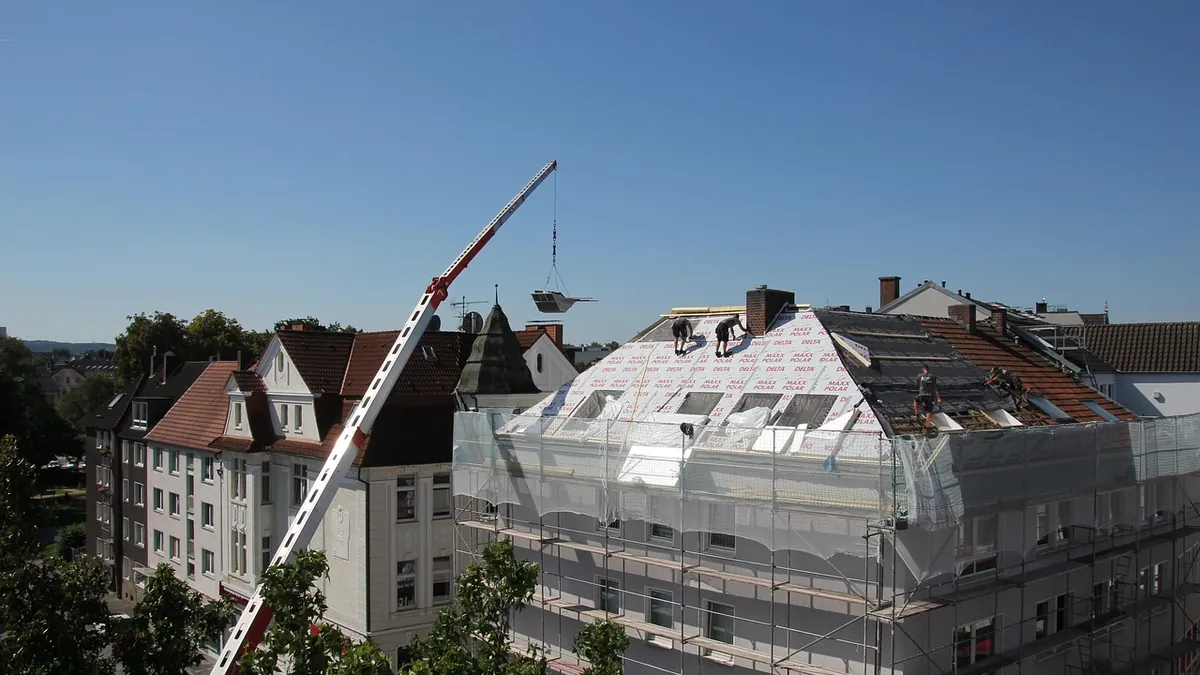
One of the most compelling reasons to choose bitumen waterproofing is for large, flat, and relatively simple roof areas, especially in commercial or industrial settings. Modified bitumen (Mod-Bit) sheets, such as APP (Atactic Polypropylene) or SBS (Styrene-Butadiene-Styrene) modified membranes, provide a durable and well-proven system. These pre-fabricated sheets ensure uniform thickness and consistent quality across large expanses. The application process, whether torch-applied or self-adhesive, can be efficient for vast, unobstructed surfaces like warehouse roofs or big-box retail stores. The cost-per-square-meter for materials and installation is often lower than for advanced PU systems, making it an attractive option for budget-conscious projects.
For subterranean waterproofing of foundations and basements, bitumen, particularly in the form of liquid emulsions or thick modified bitumen sheets, is a common and effective choice. Buried below ground, these membranes are not exposed to UV radiation, which is bitumen’s primary weakness. They provide a robust barrier against hydrostatic pressure and soil moisture. Modified bitumen sheets offer good puncture resistance, which is beneficial during backfilling operations where sharp objects could potentially damage the membrane. A concrete foundation wall for a new building would frequently be waterproofed with a bitumen emulsion or a self-adhesive modified bitumen membrane before backfilling.
Repair and re-roofing over existing bitumen systems is another strong use case for bitumen. If an existing roof is already a bitumen-based system, it is often simpler and more compatible to repair or overlay it with new bitumen products. This avoids potential compatibility issues that can arise when applying a different chemical system over an old one. For instance, a leaking built-up roof (BUR) might be efficiently repaired or re-covered with a new layer of modified bitumen, extending its life without a full tear-off.
Applications requiring high mechanical strength and resistance to physical damage can also benefit from modified bitumen sheets. The reinforcing polyester or fiberglass carriers within these membranes provide excellent tear strength and puncture resistance. While PU can be formulated for high abrasion, a thick, granule-surfaced modified bitumen sheet can offer a very tough, protective layer, especially in areas that might experience occasional foot traffic or light impact.
Finally, projects with strict budget constraints often find bitumen waterproofing to be a more financially viable option. While the long-term lifespan might be slightly less than a premium PU system, the initial material and installation costs are generally lower. For temporary structures or projects with a defined shorter lifespan, this can be a decisive factor.
In essence, bitumen waterproofing maintains its relevance by offering a reliable, cost-effective, and physically robust solution for large, straightforward applications, particularly when UV exposure is not a primary concern.
How to Choose Based on Goals and Context
Selecting between polyurethane and bitumen waterproofing is not a matter of one being inherently “better” than the other, but rather about aligning the material’s properties with the specific demands and constraints of a project. The decision requires a holistic evaluation of several factors.
Firstly, consider the type of structure and its intended use. Is it a flat roof on a commercial building, a complex architectural facade, a basement foundation, or a high-traffic pedestrian deck? A simple, flat warehouse roof might be well-served by modified bitumen, prioritizing cost and straightforward installation. A high-end residential balcony with intricate details and a desire for a long-lasting, aesthetically pleasing finish would lean towards polyurethane. For subterranean applications, where UV resistance is irrelevant, bitumen often provides a robust and economical solution.
Structural movement and flexibility requirements are critical. If the structure is prone to significant thermal expansion/contraction, vibration, or has many expansion joints, the high elasticity of polyurethane is a distinct advantage. It can bridge cracks and accommodate movement without failure. If the structure is highly stable and movement is minimal, the flexibility demands might be less stringent, making modified bitumen a viable option.
Exposure conditions play a significant role. For surfaces exposed to direct sunlight and harsh weather, a UV-stable polyurethane (aliphatic PU) is generally preferred to prevent degradation and maintain performance. Bitumen’s inherent weakness to UV requires protection, typically in the form of gravel ballast, reflective coatings, or granule-surfaced modified bitumen sheets. Similarly, consider exposure to chemicals, oils, or roots from landscaping, which might necessitate specific chemical-resistant or root-resistant PU formulations.
Budget and lifespan expectations are always central to any construction decision. Polyurethane systems often have a higher initial material cost but can offer a longer service life and lower maintenance needs over time, providing better long-term value. Bitumen systems typically have a lower upfront cost, which can be advantageous for projects with tighter budgets or shorter expected lifespans. It’s crucial to consider the total cost of ownership, including installation, maintenance, and potential future repairs.
Application complexity and labor availability are also practical considerations. Liquid-applied polyurethane can be easier to apply around complex details, but requires precise mixing and careful attention to curing conditions. Torch-applied bitumen requires skilled labor and adherence to fire safety protocols. Self-adhesive bitumen is simpler but still demands careful surface preparation and detailing. The availability of experienced applicators for each system in a given region can influence the choice.
Finally, local building codes and environmental regulations might influence material selection. Some regions have restrictions on VOC (Volatile Organic Compound) emissions, which could favor certain low-VOC polyurethane formulations or water-based bitumen emulsions. Fire ratings for roofing materials are also a common regulatory requirement.
To simplify the decision, consider this framework:
| Factor | Lean Towards Polyurethane (PU) | Lean Towards Bitumen |
|---|---|---|
| Structure Geometry | Complex, irregular, many penetrations, curved surfaces | Large, flat, simple, few penetrations |
| Structural Movement | High (thermal cycling, vibration, expansion joints, seismic) | Low to moderate, stable structures |
| UV Exposure | Direct, prolonged sunlight exposure (exposed roofs, balconies) | Buried (foundations), protected (ballasted roofs), or granule-surfaced |
| Performance Needs | High elasticity, chemical resistance, abrasion resistance, root resistance, aesthetics | Robust physical barrier, cost-effectiveness, standard protection |
| Budget | Higher initial investment, longer lifespan desired | Lower initial cost, shorter to moderate lifespan acceptable |
| Application Environment | Fire restrictions, occupied buildings, cold application preferred | Open sites, experienced torch-applied crews available |
By carefully weighing these factors against the project’s unique context, stakeholders can make an informed decision that ensures optimal waterproofing performance and long-term value.
Frequently Asked Questions
What is polyurethane vs bitumen waterproofing?
Polyurethane (PU) waterproofing uses liquid-applied synthetic polymers that cure into a highly elastic, seamless membrane. Bitumen waterproofing, derived from petroleum, uses either liquid coatings or pre-formed sheets (often polymer-modified) to create a water-impermeable layer. The “vs” highlights their fundamental differences in chemical composition, application methods, and performance characteristics, which dictate their suitability for various construction applications.
How does polyurethane vs bitumen waterproofing compare with alternatives?
Compared to other waterproofing methods like cementitious coatings, EPDM rubber membranes, or PVC membranes, both polyurethane and bitumen offer specific advantages. Cementitious coatings are rigid and can crack with movement, whereas both PU and modified bitumen provide flexibility. EPDM and PVC are sheet membranes that require extensive seaming and are less suitable for complex geometries than liquid-applied PU. Bitumen is generally more robust and puncture-resistant than EPDM/PVC sheets, while PU offers superior elasticity and chemical resistance compared to most alternatives. The choice depends heavily on the specific project requirements for flexibility, durability, UV resistance, and application complexity.
What are the most common mistakes people make with polyurethane vs bitumen waterproofing?
Common mistakes for both systems often stem from inadequate surface preparation. Failing to clean, repair, and properly prime the substrate before application can lead to poor adhesion, blistering, and premature failure.
For polyurethane waterproofing, common errors include:
- Incorrect mixing: For two-component systems, improper mixing ratios or insufficient mixing can prevent proper curing, leaving soft spots or uncured areas.
- Applying in wet conditions: Moisture during application or curing can cause bubbling, delamination, or incomplete curing.
- Insufficient thickness: Applying too thin a layer compromises durability and crack-bridging capabilities.
- Lack of UV protection: Using aromatic PU in exposed areas without a UV-stable topcoat leads to chalking, degradation, and embrittlement.
For bitumen waterproofing, common errors include:
- Improper torching: For torch-applied membranes, under-torching leads to inadequate adhesion at laps and to the substrate, while over-torching can damage the membrane or create fire hazards.
- Poor detailing at seams and penetrations: These are the most common points of failure for sheet systems if not meticulously sealed and overlapped correctly.
- Applying to an uneven surface: This can lead to voids, wrinkles, and trapped air, compromising the membrane’s integrity.
- Lack of protection: Unmodified bitumen exposed to UV light will degrade quickly, requiring a protective topping or coating.
In both cases, using inexperienced applicators or cutting corners on material quality and application procedures significantly increases the risk of waterproofing failure.
Conclusion
The choice between polyurethane and bitumen waterproofing is a nuanced decision, influenced by a project’s specific demands, environmental conditions, and budgetary considerations. Polyurethane systems offer high elasticity, seamless application, and excellent UV and chemical resistance, making them ideal for complex geometries, areas with structural movement, and exposed surfaces requiring long-term performance and aesthetics. Bitumen, particularly modified bitumen sheets, provides a robust, cost-effective solution for large, flat surfaces, subterranean applications, and scenarios where physical protection and a proven track record are paramount. Ultimately, understanding the distinct strengths and limitations of each material, coupled with a thorough assessment of the project context, is key to selecting the most appropriate and enduring waterproofing solution.
DIY safety disclaimer
Home Leak Fix publishes general DIY information for homeowners. Water intrusion can involve structural, electrical, height, mould, or insurance risks. Use proper safety equipment, follow local building rules, and call a qualified professional when a repair is unsafe, unclear, or beyond your experience.