When considering roof maintenance and longevity, reinforced roof coatings often come into the conversation. These coatings aren’t just a simple paint layer; they integrate additional materials to enhance strength, flexibility, and durability. The primary reinforcement methods involve fabric, fleece, or dispersed fibres within the sealant itself. Understanding the distinctions between these approaches is crucial for selecting the right solution for a specific roofing challenge. This guide will explore the characteristics, applications, and comparative advantages of each, helping you determine when to opt for fabric, fleece, or fibre-reinforced sealants for your roof.
Key Differences Between Reinforced Roof Coating and Roof Coating with Fabric
The terms “reinforced roof coating” and “roof coating with fabric” are sometimes used interchangeably, but they represent distinct approaches to strengthening a roof’s protective layer. The key difference lies in how the reinforcement is integrated and its structural role.
A “reinforced roof coating” is a broad category that encompasses any coating system designed to have enhanced structural integrity beyond that of a simple liquid applied membrane. This reinforcement can come in several forms:
- Fibre-reinforced sealants: These are liquid coatings where short, often synthetic, fibres are pre-mixed into the sealant itself during manufacturing. When applied, these fibres distribute throughout the coating layer, acting like a microscopic mesh. They provide internal tensile strength, helping the coating resist cracking and tearing, particularly over minor movement or hairline fissures in the substrate. The reinforcement is inherent to the liquid product.
- Fleece-reinforced membranes: Similar to fibre reinforcement, but the fleece is typically a non-woven polyester or polypropylene material that is either embedded within a thicker, single-component liquid membrane during application or forms part of a multi-layer system. The fleece acts as a continuous mat, offering more substantial tensile strength and puncture resistance than dispersed fibres. It’s often used where greater crack bridging and system stability are needed.
In contrast, “roof coating with fabric” specifically refers to a system where a separate, distinct layer of woven or non-woven fabric is embedded between layers of a liquid applied coating. This is a multi-step process: a base coat is applied, the fabric is laid into the wet coating, and then one or more top coats are applied to fully encapsulate the fabric.
The practical implications of these differences are significant:
- Application Complexity: Fibre-reinforced sealants are generally single-component applications, simplifying the process. Fabric or fleece systems involve multiple steps and careful integration of the reinforcement layer, requiring more skill and time.
- Structural Contribution: Dispersed fibres offer internal strength, best suited for minor crack bridging and overall coating integrity. Fabric and fleece provide a more substantial, continuous reinforcement, offering superior tensile strength, tear resistance, and crack bridging capabilities, especially over larger or active substrate movement.
- Material Thickness: Systems incorporating fabric or fleece typically result in a thicker, more robust membrane compared to a fibre-reinforced sealant alone.
Consider a scenario where a roof has numerous small, static hairline cracks. A fibre-reinforced sealant might suffice, as its internal fibres can help bridge these minor imperfections and prevent the coating from cracking along the same lines. However, if the roof has larger, active cracks or joints that experience thermal movement, a fabric-reinforced system would be more appropriate. The continuous fabric layer provides a much stronger “bridge” over these moving parts, distributing stress more effectively and preventing the coating from tearing.
Shared Benefits and Overlaps
Despite their distinct mechanisms of reinforcement, all types of reinforced roof coatings—whether fibre, fleece, or fabric-based—share several fundamental benefits and address similar roofing challenges. They all aim to create a more resilient, durable, and long-lasting protective layer compared to unreinforced liquid coatings.
The core idea behind any reinforcement is to enhance the coating’s mechanical properties. A liquid coating, when cured, forms a monolithic membrane. While flexible, it can still be susceptible to tearing, puncturing, or cracking under stress, especially over an unstable substrate or where significant movement occurs. The introduction of reinforcement combats these vulnerabilities.
Here are the shared benefits:
- Enhanced Tensile Strength: All reinforcement methods significantly increase the coating’s ability to resist pulling forces without breaking. This is crucial for roofs that experience thermal expansion and contraction, or for bridging existing cracks and joints.
- Improved Puncture Resistance: The added material within or embedded in the coating makes it much harder for sharp objects, foot traffic, or falling debris to penetrate the membrane, thereby protecting the underlying roof structure from water ingress.
- Superior Crack Bridging: This is a primary driver for using reinforced systems. By distributing stress across a wider area, the reinforcement helps the coating remain intact over existing cracks, seams, and joints in the substrate, preventing them from propagating through the new waterproof layer.
- Increased Durability and Lifespan: A reinforced coating is inherently more robust. This translates to a longer service life, reducing the frequency of repairs and re-coatings, and ultimately lowering lifecycle costs.
- Better Adhesion and System Stability: The reinforcement can sometimes improve the overall bond to the substrate, particularly if it helps to distribute stress evenly or if the coating is applied as part of a multi-layer system that promotes inter-layer adhesion.
- Versatility in Application: These systems can be applied to a wide range of substrates, including concrete, metal, modified bitumen, and existing single-ply membranes, providing a flexible solution for various roofing types.
Consider a large commercial flat roof with numerous penetrations and HVAC units. Even if the existing membrane is in decent shape, the areas around these details, or where different materials meet, are prone to movement and localized stress. An unreinforced coating might eventually crack at these points. A reinforced system, regardless of the reinforcement type, would offer a much higher degree of protection against such failures, ensuring the integrity of the waterproofing layer across these complex areas.
The overlap in their benefits means that while one type of reinforcement might be better suited for a particular problem, all generally offer a substantial upgrade in performance over an unreinforced coating. The choice often comes down to the severity of the problems being addressed, the expected movement of the substrate, and the desired level of long-term performance.
When Reinforced Roof Coating May Be a Better Fit
When discussing “reinforced roof coating” in the context of it being a better fit, we’re primarily referring to fibre-reinforced sealants – those where the fibres are pre-mixed into the liquid coating. These systems offer distinct advantages in specific scenarios, particularly when balancing performance with ease of application and cost-effectiveness for certain types of roof conditions.
A fibre-reinforced sealant is often a better fit in situations where:
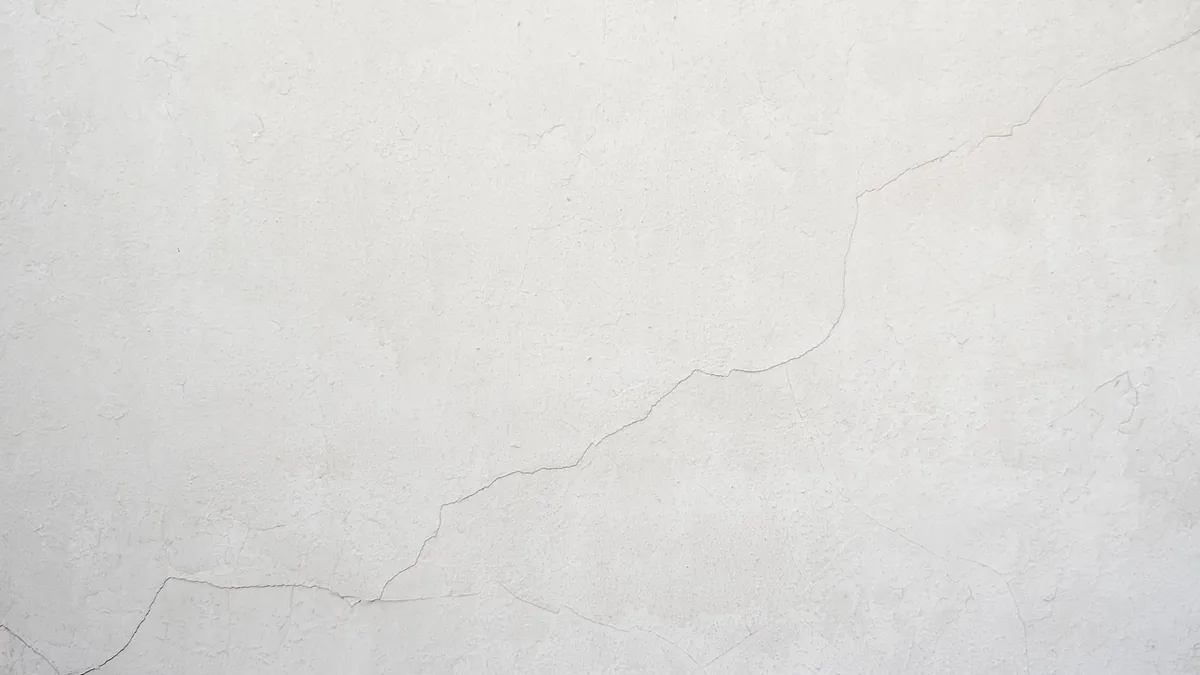
- Minor, Non-Active Cracks and Hairline Fissures: If the roof substrate (e.g., concrete, asphalt) has numerous small, static cracks or a network of hairline fissures that are not expected to move significantly, a fibre-reinforced sealant can be highly effective. The dispersed fibres provide internal tensile strength to bridge these minor imperfections, preventing the coating from mirroring the cracks. Applying a fabric would be overkill and add unnecessary complexity for such small, non-moving defects.
- Economical Enhancement for General Durability: For roofs that are in relatively good condition but require an upgrade in durability and lifespan, a fibre-reinforced coating offers a cost-effective solution. It provides enhanced puncture resistance and overall strength without the labor-intensive process of embedding a fabric layer. This is particularly relevant for routine maintenance or proactive waterproofing on stable substrates.
- Simplified Application Process: Fibre-reinforced sealants are typically applied in one or two coats, similar to an unreinforced liquid coating. The reinforcement is already integrated, meaning there’s no need for a separate step of laying and saturating a fabric. This translates to faster application times, reduced labor costs, and less potential for application errors, making it suitable for projects with tighter budgets or less experienced application crews, provided the roof conditions are appropriate.
- Complex Geometries and Irregular Surfaces: On roofs with intricate details, numerous penetrations, or highly irregular surfaces where cutting and fitting fabric would be challenging and time-consuming, a fibre-reinforced sealant can be advantageous. The liquid nature allows it to conform easily to any shape, and the internal fibres ensure consistent reinforcement even in difficult-to-reach areas, without the stress of perfectly sculpting fabric into place.
- Reduced Material Waste: Without the need to cut and fit fabric sheets, there’s often less material waste, which can contribute to cost savings and environmental benefits.
- Minor Surface Abrasion Resistance: While not a primary function, the presence of fibres can sometimes contribute marginally to surface hardness and resistance to minor abrasion, extending the coating’s aesthetic and functional life in areas with light foot traffic or wind-blown debris.
Consider a multi-story car park roof deck that experiences constant, low-level vibration and has developed a network of superficial crazing and hairline cracks. Applying a fibre-reinforced polyurethane or acrylic sealant would provide a durable, flexible, and crack-bridging membrane without the significant labor and material cost of a full fabric-reinforced system. The internal fibres would effectively manage the minor surface defects and distribute the subtle stresses from vehicle movement, ensuring long-term waterproofing.
In essence, fibre-reinforced sealants excel when you need a robust, easy-to-apply upgrade for a stable roof with minor imperfections, where the primary goal is enhanced durability and crack resistance without the need for significant structural bridging.
When Roof Coating with Fabric or Fleece May Be a Better Fit
When the structural integrity of the roof membrane needs a significant boost, or when dealing with more challenging substrate conditions, a roof coating system that incorporates a separate fabric or fleece layer generally provides superior performance. These systems are designed to create a highly durable, resilient, and long-lasting waterproof barrier, often acting as a complete re-roofing solution without removal of the existing substrate.
A roof coating with fabric or fleece (often referred to as a “fully reinforced system”) is a better fit in situations where:
- Significant or Active Cracks and Joints: This is perhaps the most compelling reason. For roofs with existing, larger cracks (e.g., wider than 1/16 inch), structural joints, or areas prone to movement due (e.g., thermal expansion/contraction, building settlement), a fabric or fleece layer provides robust crack bridging. The continuous tensile strength of the fabric acts as a strong, flexible bridge over these gaps, preventing them from reflecting through the new coating. Dispersed fibres alone would likely be insufficient to withstand such movement.
- High Movement Substrates: On roofs constructed from materials known to move significantly (e.g., certain metal roofs, or concrete slabs with inadequate expansion joints), the embedded fabric or fleece creates a highly elastic and tear-resistant membrane that can accommodate substantial substrate movement without rupture.
- Restoration of Deteriorated Roofs: When an existing roof membrane (e.g., modified bitumen, EPDM, TPO) is reaching the end of its service life, but is still structurally sound, a fabric-reinforced coating system can effectively encapsulate and restore it. The fabric provides a new, continuous layer of strength, effectively creating a new roof surface over the old one, extending its life by many years.
- Enhanced Puncture and Tear Resistance: For roofs that experience heavy foot traffic, mechanical equipment installation, or are in areas prone to falling debris (e.g., under trees, near construction), the continuous layer of fabric or fleece dramatically increases the membrane’s resistance to punctures and tears, offering a higher level of protection.
- Creating a Fully Adhered, Monolithic Membrane: Fabric or fleece reinforcement, when properly embedded and saturated, creates a truly monolithic and fully adhered membrane that is exceptionally strong and resilient. This is particularly beneficial for flat or low-slope roofs where standing water could otherwise exploit weaknesses.
- Long-Term Performance and Warranty Requirements: For projects demanding the longest possible lifespan and comprehensive warranties, manufacturers often specify fully reinforced systems with fabric or fleece. The added structural integrity provides greater assurance of long-term performance.
- Differential Movement Between Substrates: When transitioning between different roofing materials or over areas where two dissimilar substrates meet, a fabric-reinforced system ensures a smooth, continuous, and robust seal that can accommodate the different expansion and contraction rates.
Consider a large industrial building with an aging metal roof that has numerous seams, fasteners, and some minor corrosion. While the roof isn’t leaking extensively yet, it’s clear it needs a comprehensive waterproofing solution. Applying a fabric-reinforced acrylic or silicone coating system would involve cleaning, priming, sealing fasteners and seams, then embedding a polyester fabric into a base coat, followed by top coats. This process effectively creates a new, seamless, and highly durable membrane over the entire metal roof, addressing all the existing seams and potential points of failure with robust, continuous reinforcement. The fabric bridges the seams and provides a strong, flexible connection across the metal panels, accommodating their thermal movement.
In summary, fabric or fleece-reinforced systems are the go-to choice when you need maximum strength, crack bridging capability, and long-term performance to address significant roof defects or to provide a robust, new membrane over an existing deteriorated roof.
How to Choose Based on Goals and Context
Selecting the right reinforced roof coating—whether fibre, fabric, or fleece—depends heavily on a clear understanding of your specific roofing goals, the existing roof’s condition, the anticipated environmental stresses, and your budget. It’s less about one solution being inherently “better” and more about which solution is most appropriate for the context.
Here’s a framework for making that choice:
1. Assess the Existing Roof Condition and Substrate
- Minor Hairline Cracks/Static Imperfections: If the roof has only hairline cracks, crazing, or minor surface imperfections that are not actively moving, a fibre-reinforced sealant is often sufficient. It provides enhanced durability and crack resistance without the added complexity and cost of fabric.
- Significant/Active Cracks, Joints, or Seams: For larger cracks, moving joints, deteriorating seams, or areas of differential movement, a fabric- or fleece-reinforced system is essential. The continuous reinforcement provides the necessary tensile strength and crack-bridging capability to prevent these issues from reflecting through the new coating.
- Deteriorated or Compromised Substrate: If the existing roof membrane is significantly degraded, brittle, or has numerous small tears and penetrations, a fabric- or fleece-reinforced system can encapsulate and restore it, effectively creating a new, robust membrane over the old.
- Stable, Undamaged Substrate: If the underlying roof is in good, stable condition and simply requires a proactive, durable waterproofing layer, a fibre-reinforced sealant can offer excellent protection and extended lifespan.
2. Consider the Level of Expected Movement
- Low Movement: For roofs with minimal thermal cycling or structural movement, a fibre-reinforced sealant can perform well.
- High Movement (Thermal, Structural): Roofs experiencing significant thermal expansion/contraction (e.g., metal roofs, large concrete slabs) or structural movement require the superior elasticity and tensile strength provided by a fabric- or fleece-reinforced system.
3. Evaluate Desired Performance and Lifespan
- Moderate Durability/Lifespan Extension: If the goal is to extend the roof’s life by 5-10 years with enhanced durability, a fibre-reinforced sealant can be a suitable choice.
- Maximum Durability/Long-Term Performance: For projects requiring the longest possible lifespan (15-25+ years), comprehensive warranties, and the highest resistance to punctures, tears, and cracking, a fabric- or fleece-reinforced system is the preferred option. These systems often come with more extensive warranty options due to their robust nature.
4. Factor in Application Complexity and Cost
- Simplicity and Lower Labor Cost: Fibre-reinforced sealants are generally easier and faster to apply, requiring fewer steps and potentially less specialized labor. This can translate to lower upfront project costs.
- Higher Complexity and Labor Cost (but greater value for severe issues): Fabric- or fleece-reinforced systems involve multiple application steps (base coat, fabric embedment, top coats) and require more skilled labor and time. While the initial cost may be higher, the enhanced performance and extended lifespan often result in a lower lifecycle cost, especially for challenging roof conditions.
5. Account for Roof Geometry and Obstructions
- Intricate Details/Irregular Surfaces: For roofs with many penetrations, vents, or complex shapes where cutting and fitting fabric would be difficult, a fibre-reinforced sealant can offer more seamless coverage.
- Large, Relatively Unobstructed Areas: On expansive, relatively flat roofs, the application of fabric or fleece is more straightforward and capitalizes on its continuous reinforcement benefits.
Decision Table: Choosing Your Reinforced Roof Coating
| Feature/Condition | Fibre-Reinforced Sealant | Fabric/Fleece-Reinforced System |
|---|---|---|
| Existing Cracks | Hairline, static, minor (up to 1/16") | Significant, active, wider (>1/16"), structural joints |
| Substrate Movement | Low to moderate thermal expansion/contraction | High thermal expansion/contraction, structural movement |
| Substrate Condition | Stable, good condition, minor surface imperfections | Deteriorated, aging, compromised, or highly irregular surface |
| Desired Lifespan | Moderate (5-10 years) | Extended (15-25+ years) |
| Puncture Resistance | Good | Excellent |
| Tear Resistance | Good | Excellent |
| Application Complexity | Simpler, fewer steps, faster | More complex, multi-step, longer application time |
| Initial Cost | Lower | Higher |
| Long-Term Value | Good for proactive maintenance, stable roofs | Excellent for restoration, high-movement roofs, maximum durability |
| Best For | Proactive waterproofing, stable roofs with minor flaws | Comprehensive restoration, addressing severe defects, high-performance needs |
Ultimately, the best approach often involves a professional roof inspection. An experienced roofing contractor can accurately assess your roof’s specific conditions, identify potential problems, and recommend the most suitable reinforced coating system that aligns with your performance expectations and budget.
Frequently Asked Questions
What is reinforced roof coating?
Reinforced roof coating is a liquid-applied roofing system that includes additional materials to enhance its strength, flexibility, and durability compared to unreinforced coatings. These reinforcing materials—typically fibers dispersed within the liquid, or fabric/fleece embedded between liquid layers—increase tensile strength, puncture resistance, and crack-bridging capabilities. The aim is to create a more robust, long-lasting, and waterproof membrane that better withstands structural movement, thermal cycling, and physical stresses.
How does reinforced roof coating compare with alternatives?
Reinforced roof coatings offer a distinct set of advantages when compared to traditional roofing materials or unreinforced liquid coatings:
- Compared to Unreinforced Liquid Coatings: Reinforced coatings are significantly stronger, more tear-resistant, and have superior crack-bridging abilities. An unreinforced coating might crack over existing substrate imperfections, whereas a reinforced version is designed to bridge and withstand movement. They also generally offer a longer lifespan.
- Compared to Traditional Single-Ply Membranes (e.g., TPO, EPDM, PVC): While single-ply membranes are robust, they are factory-manufactured sheets with seams that must be welded or taped on-site, which can be potential points of failure over time. Reinforced liquid coatings, when properly applied, form a seamless, monolithic membrane that is fully adhered, eliminating seam vulnerabilities. They are also often more adaptable to complex roof geometries and penetrations.
- Compared to Modified Bitumen (Mod-Bit) or Built-Up Roof (BUR) Systems: Mod-Bit and BUR are heavy, multi-layer systems that require hot application methods (torches or hot asphalt), posing safety risks and environmental concerns. Reinforced liquid coatings are cold-applied, lighter, and often more environmentally friendly. They also offer greater flexibility and can be applied directly over existing Mod-Bit or BUR roofs, avoiding costly tear-offs.
- Compared to Metal Roofing: Metal roofs are durable but prone to corrosion, fastener back-out, and seam failures, and they can be noisy. Reinforced coatings can be applied directly over existing metal roofs, sealing all fasteners and seams, preventing corrosion, and creating a quieter, seamless, and reflective surface that can also reduce heat gain.
In essence, reinforced roof coatings provide a versatile, durable, and often more cost-effective alternative for roof restoration and long-term waterproofing, especially where existing roof conditions or complex details make other options less practical.
What are the most common mistakes people make with reinforced roof coating?
Even with the best materials, application errors can significantly compromise the performance and lifespan of reinforced roof coatings. Here are some common mistakes:
- Inadequate Surface Preparation: This is perhaps the most critical error. Failing to thoroughly clean, repair, and properly prime the existing roof surface before application can lead to poor adhesion, blistering, and premature coating failure. Dirt, grease, loose debris, and moisture are enemies of proper adhesion.
- Incorrect Material Selection: Using a fibre-reinforced sealant where a fabric-reinforced system is clearly needed (e.g., over active cracks) will lead to early failure. Conversely, over-specifying a fabric system for a stable roof with minor issues adds unnecessary cost and complexity.
- Insufficient Coating Thickness/Coverage: Applying the coating too thin, or not achieving the manufacturer’s specified coverage rates, will compromise durability, UV resistance, and waterproofing capabilities. This is particularly crucial for encapsulating fabric or fleece, which requires full saturation.
- Improper Fabric/Fleece Embedment: When using fabric or fleece, a common mistake is not fully embedding it into the wet base coat or allowing wrinkles and air bubbles to form. This creates voids and weak points in the membrane, leading to delamination or premature tearing. The fabric must be fully saturated and wrinkle-free.
- Applying in Unsuitable Weather Conditions: Applying coatings during extreme temperatures (too hot or too cold), high humidity, or when rain is imminent can negatively impact cure times, adhesion, and overall performance. Coatings need specific conditions to cure properly.
- Lack of Proper Detailing: Roof penetrations, parapet walls, drains, and expansion joints are common areas for leaks. Failing to properly reinforce and seal these critical details with additional fabric or appropriate sealant can undermine the entire waterproofing system.
- Ignoring Manufacturer’s Instructions: Every product has specific application guidelines, cure times, re-coat windows, and safety precautions. Deviating from these instructions can void warranties and lead to system failure.
- Using Incompatible Products: Mixing different brands or types of coatings, primers, or sealants that are not designed to be compatible can lead to chemical reactions, adhesion issues, and premature breakdown of the system.
Avoiding these common mistakes requires careful planning, thorough preparation, adherence to manufacturer specifications, and often, the expertise of experienced applicators.
Conclusion
Choosing the right reinforced roof coating—whether fibre, fabric, or fleece—boils down to a precise understanding of your roof’s specific needs and the performance demands of the project. Fibre-reinforced sealants offer an excellent, cost-effective solution for stable roofs with minor imperfections, providing enhanced durability and simplified application. In contrast, fabric or fleece-reinforced systems are the robust choice for challenging conditions, such as active cracks, significant movement, or deteriorated substrates, where maximum tensile strength and long-term performance are paramount. By carefully assessing the existing roof condition, desired lifespan, and budget, and consulting with experienced professionals, you can select the optimal reinforced coating to ensure a durable, watertight, and long-lasting roof.
DIY safety disclaimer
Home Leak Fix publishes general DIY information for homeowners. Water intrusion can involve structural, electrical, height, mould, or insurance risks. Use proper safety equipment, follow local building rules, and call a qualified professional when a repair is unsafe, unclear, or beyond your experience.