Sagging gutters are a common issue for homeowners, often leading to inadequate drainage and potential water damage to a home’s foundation, fascia, and landscaping. Understanding the causes, the role of correct pitch, and the specifics of hanger repair is crucial for maintaining an effective rainwater management system. This article explains these elements, offering a practical guide to diagnosing and addressing sagging gutters.
Key Differences Between Sagging Gutters and Gutter Pitch
While related, “sagging gutters” and “gutter pitch” refer to distinct aspects of a gutter system. Sagging gutters describe a condition where a section of gutter has visibly dropped below its intended slope, often creating a low point where water collects. Gutter pitch, on the other hand, refers to the intentional slope or angle at which a gutter is installed to ensure water flows efficiently towards downspouts.
Imagine a perfectly installed gutter system. It has a consistent, subtle downward slope—its pitch—that guides rainwater to the downspouts. When a gutter sags, a portion of that intentional slope is compromised. Instead of a smooth descent, there’s an unintended dip, like a shallow valley in a road. This dip collects water, debris, and can eventually lead to overflow or structural strain.
The practical implication of this difference is in diagnosis and repair. If your gutters are not draining, the problem could be a lack of sufficient pitch overall, meaning the initial installation was flawed, or it could be sagging in specific sections, indicating a failure in the support structure or a buildup of weight. A gutter with insufficient pitch might look level but won’t drain; a sagging gutter is visibly uneven and often holds standing water. The trade-off is often between a minor adjustment to correct a sag and a more extensive reinstallation to establish proper pitch across an entire run.
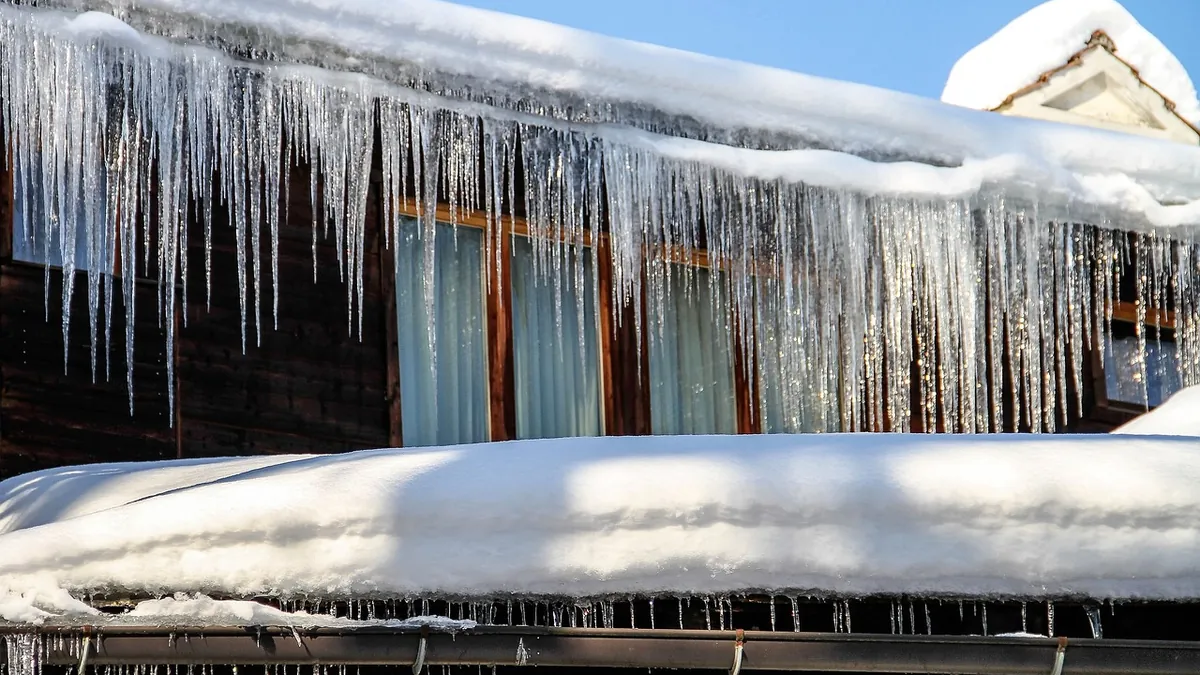
Consider a scenario where heavy snow loads have pulled a section of gutter away from the fascia. This creates a noticeable sag. The original pitch of the gutter might have been correct, but the sag has disrupted it. Repairing this would involve re-securing that specific section and restoring its original pitch. Conversely, if a new gutter system was installed without adequate pitch, water would sit in the entire length, even if no visible sag is present. This would require adjusting the mounting points along the entire run to introduce the necessary slope.
Shared Benefits and Overlaps
Both correct gutter pitch and the absence of sagging contribute to the primary goal of any gutter system: efficient water diversion away from a home’s foundation. When gutters are properly pitched and free from sags, they perform optimally, offering several shared benefits and demonstrating significant overlap in their function.
The core idea is consistent water flow. A well-pitched gutter, by design, ensures water moves continuously. When there’s no sagging, this continuous flow remains unimpeded. This synergy directly prevents standing water, which is a common cause of mosquito breeding, premature gutter corrosion, and the accumulation of sludge and debris. Imagine a heavy downpour; if the system is correctly pitched and free of sags, water moves swiftly from the roof, into the gutter, and down the downspouts without pooling.
The practical implications extend to the longevity of the gutter system itself and the protection of the home’s structure. Standing water in a sagged section adds significant weight, straining hangers and fasteners, accelerating wear and tear, and potentially leading to more extensive damage over time. A properly pitched, sag-free gutter minimizes this strain, distributing weight evenly and reducing the likelihood of future failures. This also means less frequent cleaning is often required, as debris is less likely to settle and accumulate in flowing water.
For example, consider two homeowners. One has gutters with the correct pitch and no sags. After a storm, the gutters are largely clear, and water is visibly flowing freely from the downspouts. The other homeowner has gutters with sections that sag, even if the overall pitch was intended to be correct. After the same storm, water is pooling in the sagged sections, leaves are collecting there, and the homeowner notices water overflowing at those points. Both systems aim to divert water, but only the sag-free, properly pitched system achieves it effectively. The overlap lies in their combined contribution to the system’s overall health and effectiveness.
When Sagging Gutters May Be a Better Fit
The phrase “sagging gutters may be a better fit” is a misnomer. Sagging gutters are never a desirable outcome; they are a sign of failure or inadequacy in the gutter system. There is no scenario where a sagging gutter offers a benefit or is a “better fit” than a properly functioning one. The intent here is likely to discuss situations where the repair of sagging gutters is a more appropriate or immediate solution than a complete system overhaul.
The core idea is focused on targeted intervention vs. complete replacement. When a gutter system exhibits sagging, it typically indicates localized failure rather than a systemic design flaw. This means that addressing the sag directly, through hanger repair or re-pitching a specific section, is often the most practical and cost-effective approach. The trade-off is between the expense and effort of a full replacement versus the targeted repair of existing components.
Consider a scenario where a single section of gutter has pulled away from the fascia due to a broken hanger or rotted wood behind it. The rest of the gutter run is properly pitched and securely fastened. In this case, simply replacing the broken hanger, reinforcing the fascia if needed, and re-attaching that specific section to restore its original pitch is the appropriate action. This is a repair of a sagging gutter, not an endorsement of sagging itself. Attempting to replace the entire gutter run for one localized sag would be unnecessary and wasteful.
Another example might involve a section of gutter that has accumulated an excessive amount of debris over time, causing it to deform and sag under the weight. Once cleaned, the gutter might still hold a slight sag. Here, a targeted adjustment to the hangers in that section, possibly adding more hangers for reinforcement, would be the “better fit” for resolving the issue without replacing the entire system. The goal is always to eliminate the sag and restore proper function, not to tolerate or utilize a sagged condition.
When Gutter Pitch May Be a Better Fit
As with the previous section, the phrasing “when gutter pitch may be a better fit” needs clarification. Gutter pitch is a fundamental design requirement for any functional gutter system, not an alternative to sagging gutters. The correct interpretation here is likely “when adjusting the gutter pitch (or installing with correct pitch from the outset) is the primary solution, rather than just addressing a specific sag.”
The core idea centers on foundational design and widespread functional issues. If a gutter system, from its initial installation, consistently fails to drain water effectively along its entire length, even without visible sags, the underlying problem is likely incorrect pitch. This means the slope was either too shallow, non-existent, or even sloped in the wrong direction. In such cases, merely reinforcing hangers on existing, incorrectly pitched gutters would not solve the drainage problem.
The practical implication is that a comprehensive assessment and potential re-installation or extensive adjustment are required. It’s not about fixing a localized dip but correcting a systematic flaw in how the water is intended to flow. The trade-off here is between superficial fixes and addressing the root cause. Attempting to manage a system with fundamentally incorrect pitch through localized repairs is often a temporary solution that will lead to recurring problems.
For example, imagine a newly installed gutter system where water consistently pools along its entire length, even though all hangers are secure and there are no visible sags. A simple measurement reveals that the gutter is perfectly level or even slopes slightly away from the downspout. In this scenario, the “better fit” solution is to re-install the gutter sections, or at least significantly adjust their mounting points, to establish the recommended pitch (typically 1/4 inch per 10 feet). This is a correction of the initial pitch, not a repair of a sag.
Another instance might involve an older home where renovations have altered the roofline or the ground grading, affecting how water interacts with the existing gutters. If the existing pitch is now inadequate for the new conditions, a re-evaluation and adjustment of the entire gutter pitch might be necessary to ensure effective drainage under the altered circumstances. This is a proactive adjustment of pitch to maintain functionality, rather than a reactive repair of a sag.
How to Choose Based on Goals and Context
Choosing the right approach—whether it’s addressing a sag or correcting the overall pitch—depends entirely on accurately diagnosing the problem and understanding the desired outcome: effective water management. The goal is always to eliminate standing water and ensure unimpeded flow to downspouts.
Diagnosing the Problem
The first step is a thorough inspection.
- Visual Check: Look for obvious dips or low points where water might collect.
- Water Test: Run a garden hose into the highest point of the gutter section. Observe how the water flows.
- If water flows freely to the downspout but then stops and pools in a specific section, it’s a sag.
- If water pools along the entire length or flows slowly and never reaches the downspout efficiently, it’s likely a pitch issue.
- Level Check: Use a 4-foot level or a string line stretched taut from one end of the gutter run to the other. Measure the distance from the string to the gutter at various points. A consistent, subtle slope indicates good pitch. Deviations from this slope, especially downward, pinpoint sags.
Decision-Making Framework
Once the problem is identified, the context of your home and budget come into play.
| Problem Identified | Primary Solution | Secondary Considerations |
|---|---|---|
| Localized Sag | Hanger repair/reinforcement | Condition of fascia, presence of debris, underlying rot. |
| Insufficient Pitch | Re-pitch entire gutter section | Age of gutters, condition of existing hangers, fascia integrity. |
| Both Sag & Pitch | Address sag, then re-pitch | Extent of damage, feasibility of piecemeal repair vs. replacement. |
| Frequent Clogging | Gutter guards, increased pitch | Type of debris, proximity of trees, existing downspout capacity. |
| Overflowing | Downspout capacity, gutter size, pitch/sag | Roof size, rainfall intensity, number/size of downspouts. |
Concrete Examples
- Scenario 1: Single Sagging Section: You notice one 10-foot section of your aluminum gutter has a visible dip in the middle after a heavy snowfall. Water collects there. Goal: Eliminate standing water in that section. Choice: Perform a targeted hanger repair. This might involve replacing a broken spike-and-ferrule system with a stronger hidden hanger, or adding more hangers to distribute the weight. You’d then adjust that section to match the pitch of the adjacent, properly functioning sections.
- Scenario 2: Entire Gutter System Not Draining: Your gutters are clean, appear secure, but water sits in long stretches after every rain, leading to mosquito larvae. Goal: Ensure consistent water flow. Choice: Re-pitch the entire gutter run. This would involve carefully removing sections, adjusting the mounting points on the fascia to create the necessary slope (e.g., 1/4 inch fall per 10 feet), and re-installing. This is a more involved process than fixing a single sag.
- Scenario 3: Old, Deteriorated Gutters with Multiple Sags and Poor Pitch: Your 30-year-old gutters are corroded, have several sags, and generally don’t drain well. Goal: A reliable, long-term water management solution. Choice: Consider full gutter replacement. While individual repairs might be possible, the overall condition suggests a new system would be more cost-effective in the long run, addressing both sag and pitch issues simultaneously with new, stronger materials.
The decision hinges on understanding the specific failure point. Is it a localized structural failure (sag), a fundamental design flaw (pitch), or a general system deterioration? Answering this will guide you toward the most effective and efficient solution.
Frequently Asked Questions
What is sagging gutters?
Sagging gutters refer to a condition where sections of a gutter system have dropped below their intended slope, creating low points or bellies. These low points collect water, debris, and can lead to overflow. It’s a structural failure that compromises the gutter’s ability to direct rainwater efficiently. Common causes include loose or broken hangers, excessive weight from accumulated debris or ice, rotting fascia boards, or improper installation techniques that lead to inadequate support over time.
How does sagging gutters compare with alternatives?
“Alternatives” to sagging gutters are essentially properly functioning gutter systems. A sagging gutter is a functional failure, whereas a correctly installed and maintained gutter system is the desired state.
| Feature | Sagging Gutters | Properly Pitched Gutters |
|---|---|---|
| Water Flow | Impeded; water pools in low spots | Unimpeded; water flows continuously to downspouts |
| Debris Accumulation | High; debris settles in standing water | Low; debris is carried away by flowing water |
| System Longevity | Reduced; increased strain on hangers, corrosion risks | Extended; even weight distribution, reduced corrosion |
| Home Protection | Poor; risk of fascia rot, foundation issues | Excellent; effective water diversion protects home |
| Maintenance | Frequent cleaning of stagnant sections, repairs | Less frequent cleaning, preventative maintenance |
| Cost Implications | Recurring repair costs, potential property damage | Initial installation/repair cost, long-term savings |
The comparison highlights that sagging gutters are a problem to be solved, not an alternative. The “alternative” is a functional gutter system with correct pitch and secure hangers.
What are the most common mistakes people make with sagging gutters?
- Ignoring the Problem: The most common mistake is allowing a sag to persist. Standing water in a sagged gutter adds significant weight, exacerbates the sag, and accelerates damage to the gutter itself, its hangers, and the fascia board. It also makes the gutter a breeding ground for mosquitoes and can lead to water overflowing and damaging the foundation.
- Attempting Temporary Fixes: Using a single, weak hanger or a piece of wire to pull up a sagged section without addressing the underlying cause (e.g., rotted fascia, insufficient hanger type) often leads to the sag returning quickly.
- Not Cleaning Gutters Regularly: While not a direct cause of sagging, neglected gutters filled with heavy debris and stagnant water are a primary contributor to hangers failing and gutters pulling away. Many sags could be prevented with routine cleaning.
- Improper Hanger Selection/Installation: Using the wrong type of gutter hangers for the climate or roof type, or spacing them too far apart, can lead to sags. Spike-and-ferrule hangers, for instance, can pull out over time, especially in areas with heavy snow loads. Hidden hangers are generally stronger but must be installed correctly into solid wood.
- Failing to Check Fascia Condition: Often, a sag isn’t just about the gutter or its hangers; the wood fascia board it’s attached to might be soft or rotted. Attaching new hangers to compromised wood will only result in the sag returning. It’s crucial to inspect and repair the fascia first.
Conclusion
Sagging gutters are more than just an aesthetic issue; they are a clear indication of a compromised rainwater management system. Understanding the distinction between a localized sag and an overall incorrect gutter pitch is crucial for effective diagnosis and repair. While a sag often calls for targeted hanger repair and re-securing, a problem with the overall pitch may require more extensive adjustments to ensure proper water flow. The ultimate goal is always to achieve a functional, sag-free gutter system that efficiently diverts water away from your home’s foundation, protecting its structural integrity and preventing costly water damage. Regular inspection, timely cleaning, and appropriate repairs based on accurate problem identification will ensure your gutters perform their vital role effectively.
DIY safety disclaimer
Home Leak Fix publishes general DIY information for homeowners. Water intrusion can involve structural, electrical, height, mould, or insurance risks. Use proper safety equipment, follow local building rules, and call a qualified professional when a repair is unsafe, unclear, or beyond your experience.