A home leak prevention checklist is a systematic approach to identifying and mitigating potential water entry points in a residential property. This proactive maintenance strategy aims to protect homes from water damage, which can range from cosmetic issues like stains and peeling paint to structural compromise and mold growth. While the core principles apply universally, adapting such a checklist for European weather patterns involves considering regional climate variations, typical construction methods, and specific seasonal challenges. This article explains the nuances of a seasonal home leak prevention checklist, particularly in contrast to more specialized concepts like winter waterproofing, and offer guidance on applying these strategies effectively.
Key Differences Between Home Leak Prevention Checklist and Winter Waterproofing
While both a home leak prevention checklist and winter waterproofing aim to protect a structure from water intrusion, their scope, timing, and intensity differ significantly. Understanding these distinctions is crucial for effective home maintenance.
A home leak prevention checklist is a comprehensive, year-round, and often seasonal routine of inspections and minor maintenance tasks. Its primary goal is to catch potential issues early, before they escalate into significant leaks. This involves regular visual checks of roofs, gutters, foundations, windows, doors, and plumbing fixtures. For instance, in autumn, it might include clearing leaves from gutters, while in spring, it could involve inspecting the roof for winter damage. The focus is on general upkeep and proactive identification of vulnerable points.
Winter waterproofing, on the other hand, is generally a more intensive, targeted effort specifically designed to protect a home from the severe moisture challenges associated with colder months. This often involves specific treatments or repairs to fortify a structure against heavy snow, ice, prolonged rain, and freeze-thaw cycles. Examples include sealing foundation cracks, ensuring proper drainage away from the house perimeter, insulating pipes, or applying specialized waterproof coatings to exterior surfaces. It’s less about routine inspection and more about fortifying specific areas against predictable, harsh winter conditions.
Consider a detached house in a Central European region with cold winters and wet springs. A seasonal leak prevention checklist would involve a spring roof inspection for loose tiles after winter storms, a summer check of exterior caulking around windows, an autumn gutter cleaning, and a general internal plumbing check throughout the year. Winter waterproofing for the same house might entail ensuring the basement walls are sealed against hydrostatic pressure from melting snow, or confirming that attic ventilation prevents ice dam formation on the roof. The checklist is a continuous cycle of vigilance, while waterproofing is often a specific project or series of treatments undertaken with winter in mind.
Shared Benefits and Overlaps
Despite their differences in scope and intensity, both a home leak prevention checklist and winter waterproofing share fundamental benefits and exhibit significant overlaps in their ultimate objective: protecting the home from water damage.
Both strategies contribute to preserving structural integrity. Water intrusion, regardless of its source, can weaken building materials over time. Consistent leak prevention, whether through a routine checklist or targeted waterproofing, prevents rot in wooden beams, corrosion in metal components, and deterioration of masonry. For example, ensuring proper roof drainage (a checklist item) directly prevents water from pooling and seeping into the roof structure, just as sealing a foundation (a waterproofing measure) prevents water from compromising the basement walls.
Another shared benefit is mold and mildew prevention. Damp environments created by leaks are ideal breeding grounds for mold. Both approaches aim to keep interior spaces dry, thereby mitigating health risks associated with mold exposure and preventing interior material damage. A leaking pipe, caught by a checklist inspection, or a damp basement wall, addressed by waterproofing, both prevent conditions conducive to mold growth.
Furthermore, both strategies lead to reduced repair costs in the long run. Addressing small issues early, as encouraged by a checklist, is invariably less expensive than repairing extensive damage caused by a neglected leak. Similarly, investing in winter waterproofing to prevent burst pipes or flooded basements during cold snaps avoids costly emergency repairs. The financial implications of proactive maintenance versus reactive repairs are substantial.
Finally, both contribute to enhanced energy efficiency. Water intrusion can compromise insulation, leading to heat loss in winter and heat gain in summer. By maintaining a watertight building envelope, both methods help insulation perform as intended, resulting in lower heating and cooling bills. A well-sealed window (checklist) and a properly drained foundation (waterproofing) both contribute to a more energy-efficient home.
The overlap lies in their complementary nature. A thorough winter waterproofing project might include items that would also appear on a seasonal checklist, such as inspecting exterior caulking or clearing drainage paths. Conversely, a seasonal checklist might identify a recurring damp spot that then prompts a more intensive winter waterproofing intervention. They are two sides of the same coin, both serving the overarching goal of a dry, healthy, and durable home.
When Home Leak Prevention Checklist May Be a Better Fit
A home leak prevention checklist often proves to be the more suitable and practical approach in several scenarios, particularly for ongoing maintenance and early detection.
Primarily, a checklist is ideal for routine, recurring maintenance. Many potential leak sources are not catastrophic failures but rather gradual wear and tear, or issues arising from seasonal debris. For instance, gutters routinely fill with leaves in autumn, requiring clearance to prevent overflow. Window seals can degrade over years, developing hairline cracks. These are not sudden emergencies but rather progressive problems that a regular checklist can identify and address before they become significant. A homeowner in a moderate European climate might find that consistent, seasonal checks of their roof tiles, guttering, and external paintwork are sufficient to manage most water ingress risks without needing a specialized, heavy-duty waterproofing project every year.
Secondly, a checklist is particularly effective for identifying subtle or intermittent issues. Some leaks only manifest under specific conditions, such as heavy wind-driven rain from a particular direction, or during prolonged thaw periods. A scheduled inspection allows for observation of these patterns and the identification of their source. For example, a homeowner might notice a damp patch on a ceiling only after a particularly intense storm. By systematically checking the roof, flashing, and attic space as part of a checklist, they can trace the source more effectively than if they only reacted to the obvious symptom. The regular cadence of a checklist encourages this kind of diligent observation.
Thirdly, for homes with well-maintained, relatively new construction, a comprehensive leak prevention checklist might be all that’s necessary. Modern building standards in many European countries often incorporate good initial waterproofing measures. In such cases, the primary need is to preserve these existing protections through regular cleaning, inspection, and minor repairs. A newly built apartment in an urban environment with a well-designed flat roof and modern window systems might only require seasonal checks of drainage points and sealants, rather than extensive, additional waterproofing efforts.
Finally, a checklist is a more cost-effective and less disruptive option for general upkeep. It typically involves tasks that can be performed by the homeowner or a general handyman, avoiding the expense and logistical challenges of specialist contractors. Clearing a blocked downpipe, re-caulking a window frame, or sweeping debris from a low-slope roof are all examples of checklist items that are relatively simple and inexpensive, yet highly effective in preventing leaks.
When Winter Waterproofing May Be a Better Fit
While a regular leak prevention checklist is crucial, there are specific situations where a dedicated winter waterproofing strategy becomes a more appropriate, and often necessary, investment.
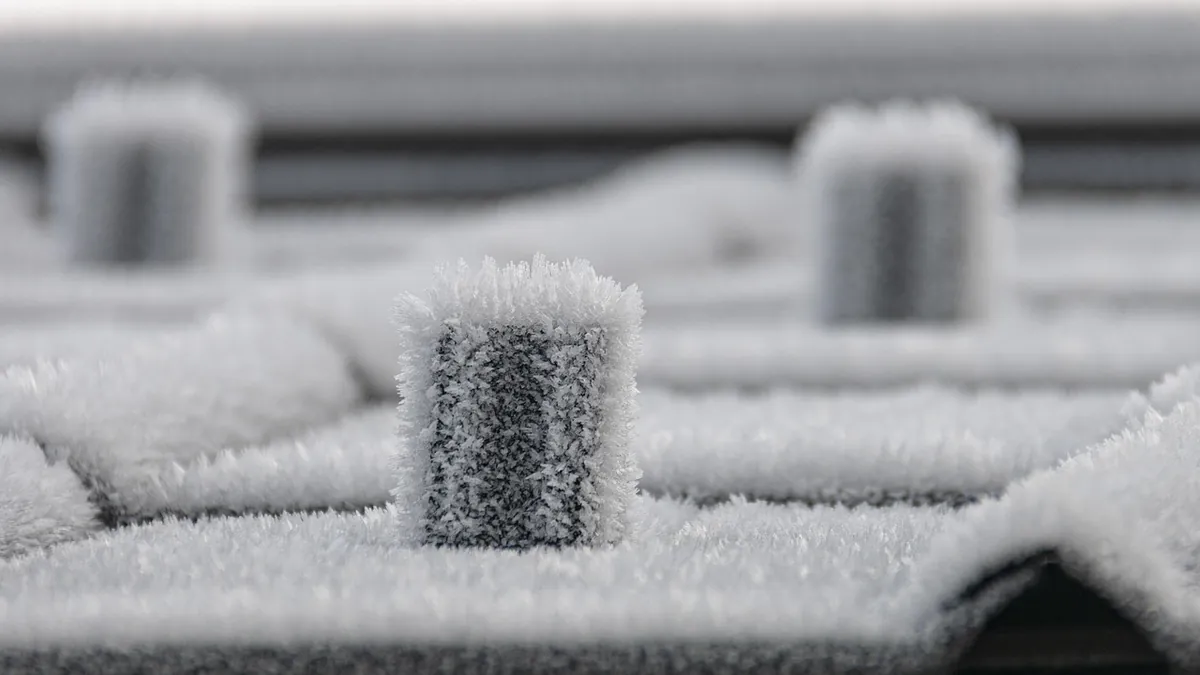
Firstly, properties in regions with severe winters and heavy snowfall, such as mountainous areas or parts of Scandinavia and Eastern Europe, often require specialized winter waterproofing. The sheer volume of snow, coupled with repeated freeze-thaw cycles, places immense stress on building materials. This can lead to ice dam formation on roofs, which forces meltwater under shingles, or hydrostatic pressure against foundations from saturated ground. In such environments, simply clearing gutters (a checklist item) might not be enough. Instead, solutions like heated roof cables, enhanced attic ventilation to prevent heat loss to the roof deck, or comprehensive foundation drainage systems become essential.
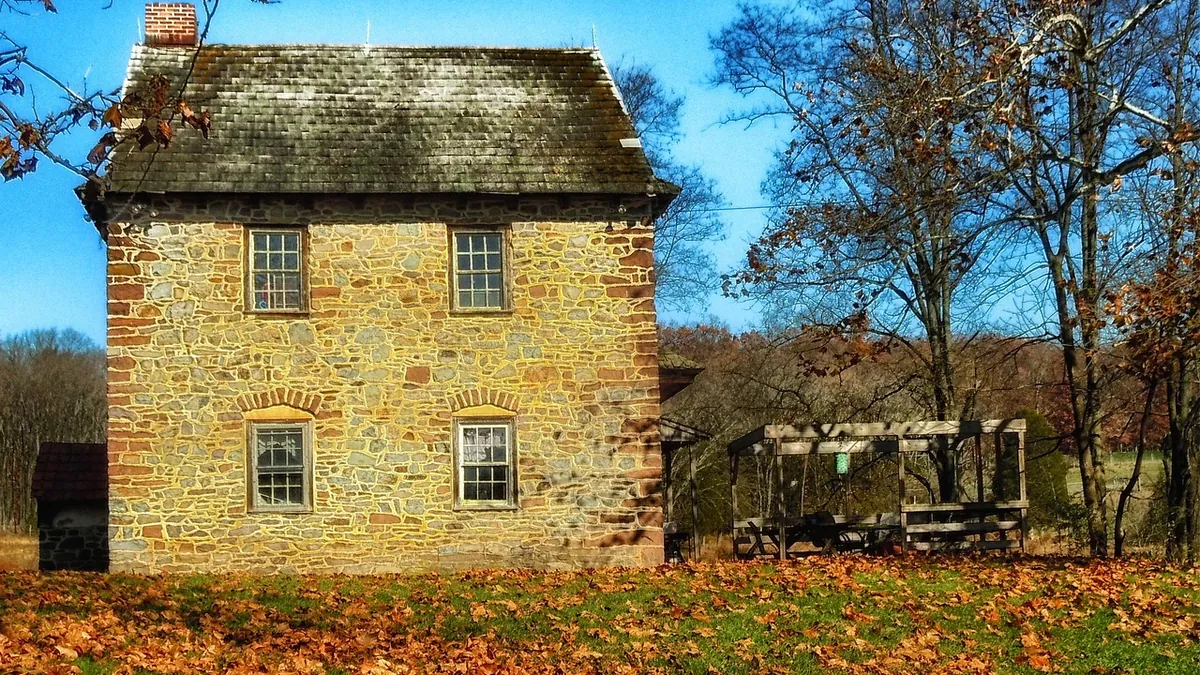
Secondly, older homes, particularly those with traditional construction methods, may benefit significantly from targeted winter waterproofing. Many historic European homes were built without the advanced moisture barriers common today. Their foundations might be porous, basements prone to dampness, and roofs more susceptible to wind-driven rain or snow ingress. For example, a stone cottage in rural France might require external foundation treatment to prevent water penetration into a damp cellar, a problem exacerbated by winter rains, which goes beyond a simple visual check. These homes often have inherent vulnerabilities that require a more robust, engineered solution.
Thirdly, if a home has a history of recurring winter-specific water damage, such as burst pipes in unheated spaces, basement flooding during thaws, or persistent ice dam issues, winter waterproofing is indicated. These are not minor, easily preventable leaks but rather systemic problems that point to a fundamental weakness in the home’s winter resilience. A checklist might identify the symptom, but winter waterproofing provides the cure. For instance, if a homeowner consistently finds burst pipes in an uninsulated crawl space every winter, the solution isn’t just to check the pipes (a checklist item), but to insulate and potentially heat the crawl space, which falls under a more comprehensive waterproofing strategy.
Finally, before a major renovation or extension project, incorporating winter waterproofing measures is often a prudent decision. When walls are open or foundations exposed, it’s an opportune time to install modern drainage membranes, apply waterproof coatings, or upgrade insulation to enhance the home’s long-term resistance to winter elements. This proactive integration prevents future problems and leverages the disruption of a renovation for enhanced protection.
How to Choose Based on Goals and Context
Selecting between a general home leak prevention checklist and a more intensive winter waterproofing approach, or understanding how they complement each other, hinges on specific goals, the property’s context, and local environmental factors.
1. Assess Your Climate and Regional Weather Patterns:
- Mild Winters/Moderate Rainfall: If you reside in a region of Europe with generally mild winters, infrequent heavy snowfall, and moderate rainfall (e.g., parts of Southern Europe, or coastal areas of Western Europe), a consistent, seasonal home leak prevention checklist might be sufficient for most years. Your primary concerns will likely be maintaining good drainage, sealing minor cracks, and ensuring general upkeep.
- Severe Winters/Heavy Snowfall/Frequent Freeze-Thaw: For areas experiencing harsh winters, significant snowfall, or prolonged periods of freezing and thawing (e.g., Northern Europe, mountainous regions, Central/Eastern Europe), dedicated winter waterproofing strategies become much more critical. The risks of ice dams, burst pipes, and foundation issues due to hydrostatic pressure are elevated, demanding more robust protection.
2. Evaluate Your Property’s Age and Construction:
- Newer Homes (Post-2000s): Modern construction often incorporates better initial waterproofing and insulation. For these homes, a regular checklist focused on maintaining existing systems and addressing minor wear and tear is usually appropriate.
- Older Homes (Pre-1950s): Older properties, especially those built with traditional methods, may have inherent vulnerabilities to moisture. Basements might be prone to dampness, and roofs may be less resistant to modern weather extremes. These homes often benefit from targeted winter waterproofing interventions, such as external foundation sealing or specialized roof underlayments, in addition to routine checks.
- Renovated Homes: If your home has undergone recent renovations, assess whether modern waterproofing was included. If not, consider adding it, especially in areas prone to leaks.
3. Consider Your Budget and Time Commitment:
- Checklist: Generally more budget-friendly and can often be performed by the homeowner. It requires consistent, smaller time commitments throughout the year.
- Winter Waterproofing: Can be a significant upfront investment, often requiring professional contractors. However, it can save substantial money in damage repair costs in the long run. It’s often a one-time or infrequent major project.
4. Review Your Home’s Leak History:
- No Prior Issues: If your home has a clean record with no significant leaks, a proactive checklist is an excellent way to maintain that status.
- Recurring Issues (Seasonal): If you consistently experience specific leaks during certain seasons (e.g., damp basement in spring, ice dams in winter), this points to a need for targeted waterproofing solutions beyond basic checks.
Comparison Table: Checklist vs. Winter Waterproofing
| Feature | Home Leak Prevention Checklist | Winter Waterproofing |
|---|---|---|
| Scope | Comprehensive, year-round, general maintenance | Targeted, often project-based, winter-specific protection |
| Timing | Seasonal/ongoing, proactive inspections and minor repairs | Often pre-winter, or as a response to specific winter risks |
| Intensity | Routine, visual checks, minor tasks (e.g., cleaning, caulking) | Intensive treatments, structural enhancements (e.g., sealing, drainage systems) |
| Primary Goal | Early detection, general upkeep, prevent small issues from escalating | Fortify against severe winter moisture, address systemic vulnerabilities |
| Typical Tasks | Gutter cleaning, roof inspection, window/door seal checks, plumbing checks | Foundation sealing, pipe insulation, attic ventilation, heated cables, specialized coatings |
| Cost | Lower, ongoing (DIY or handyman) | Higher, often one-time or infrequent (professional) |
| Best For | General maintenance, newer homes, mild climates, early issue identification | Older homes, severe climates, recurring winter-specific problems, major renovations |
Ultimately, the most robust approach for many European homeowners is a combination of both. A regular, seasonal leak prevention checklist serves as the first line of defense and ongoing maintenance, while targeted winter waterproofing addresses specific vulnerabilities and prepares the home for the harshest conditions. By evaluating your unique circumstances against these criteria, you can develop a tailored strategy that provides optimal protection for your home.
Frequently Asked Questions
What is home leak prevention checklist?
A home leak prevention checklist is a systematic, often seasonal, series of inspections and maintenance tasks designed to identify and address potential water entry points in a residential property before they cause significant damage. It’s a proactive strategy covering various parts of the home, including the roof, gutters, exterior walls, windows, doors, foundation, and plumbing, with the goal of preventing water leaks. For example, in autumn, it might involve clearing leaves from gutters, and in spring, inspecting the roof for damage after winter.
How does home leak prevention checklist compare with alternatives?
The home leak prevention checklist primarily compares with more specialized or reactive approaches. Unlike “winter waterproofing,” which focuses intensively on protecting against severe cold-weather moisture (e.g., snowmelt, ice dams, frozen pipes) often through specific treatments or structural enhancements, a checklist is broader, more routine, and applies year-round. It also differs from a “reactive repair” approach, where maintenance only occurs after a leak has already caused damage. The checklist is about prevention and early detection across the entire home, whereas alternatives might be more targeted or address issues after they’ve manifested.
What are the most common mistakes people make with home leak prevention checklist?
One common mistake is inconsistency or neglecting seasonal timing. Forgetting to clear gutters before autumn rains or delaying roof inspections until a leak appears defeats the purpose of a proactive checklist. Another error is superficial inspection, where homeowners only glance at areas rather than thoroughly checking for subtle signs like hairline cracks, loose caulk, or damp spots. Many also underestimate the importance of proper drainage, allowing water to pool around foundations, which can lead to significant issues. Finally, ignoring minor issues discovered during a check, assuming they’re too small to matter, often leads to much larger, more expensive problems down the line. Addressing a small crack in a window seal is far easier than repairing water-damaged plaster and mold growth.
Conclusion
Effective home leak prevention in Europe, with its diverse climates, requires a thoughtful and layered approach. While a seasonal home leak prevention checklist offers a fundamental, year-round strategy for identifying and mitigating common vulnerabilities, it is not a standalone solution for all scenarios. For properties in regions with severe winters, older homes with inherent structural challenges, or those with a history of specific cold-weather failures, targeted winter waterproofing becomes an indispensable complement. The key lies in understanding your home’s age, construction, and local climate patterns, then tailoring a maintenance plan that integrates both routine vigilance and strategic fortification. By doing so, homeowners can significantly reduce the risk of water damage, preserving their property’s value and ensuring a dry, healthy living environment.
DIY safety disclaimer
Home Leak Fix publishes general DIY information for homeowners. Water intrusion can involve structural, electrical, height, mould, or insurance risks. Use proper safety equipment, follow local building rules, and call a qualified professional when a repair is unsafe, unclear, or beyond your experience.