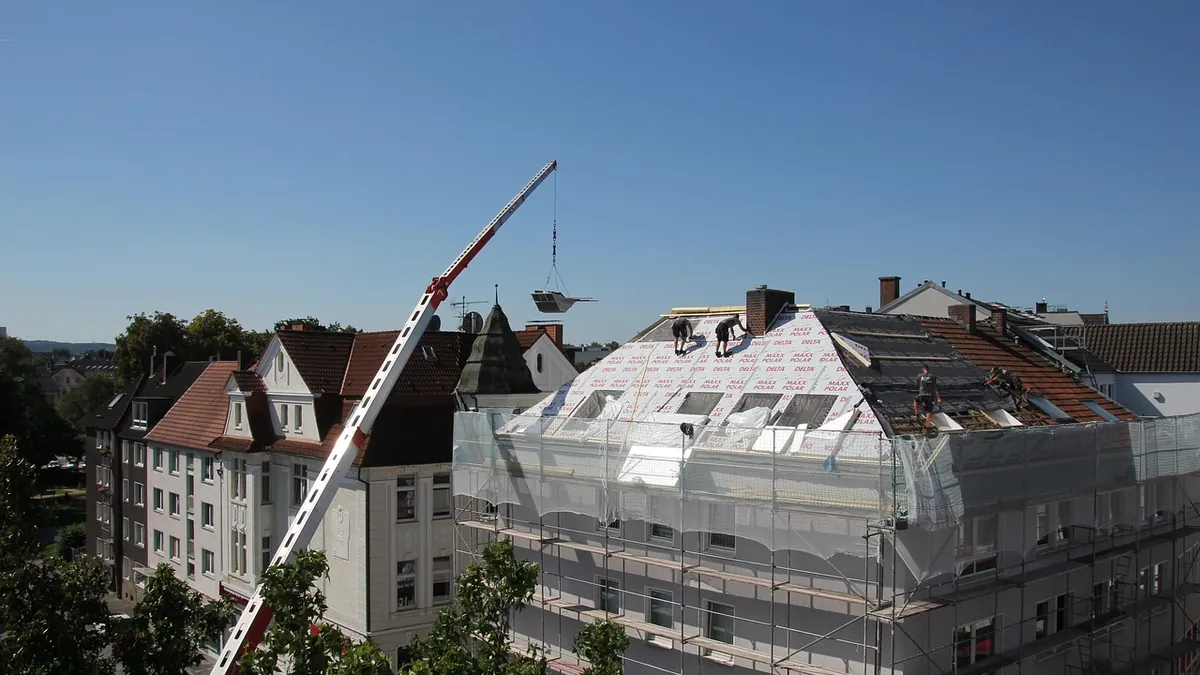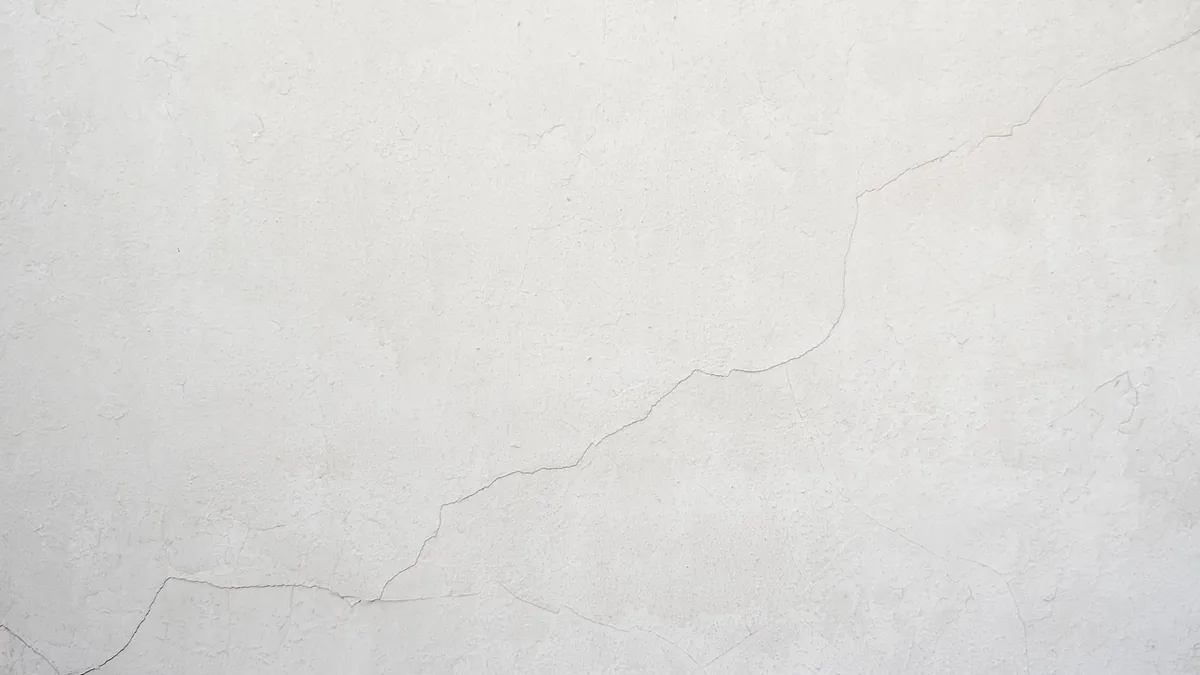
Roofs and balconies are constantly exposed to the elements, and few forces are as relentless as the sun’s ultraviolet (UV) radiation and the associated heat. These factors play a significant role in the premature aging and degradation of protective coatings. Understanding how UV light and heat interact with these materials is crucial for effective maintenance and longevity. This article explores the mechanisms behind this degradation, focusing on why roof and balcony coatings age under summer heat and UV exposure, and how different protective strategies compare.
Key Differences Between UV Damage Roof Coating and Sun Damage Waterproofing
While both terms relate to protecting surfaces from the sun, “UV damage roof coating” and “sun damage waterproofing” address slightly different aspects, though they often overlap in practice.
A UV damage roof coating primarily refers to a protective layer applied to a roof surface specifically designed to resist the destructive effects of ultraviolet radiation. The main goal here is to prevent the chemical breakdown of the underlying roofing material or its existing protective layers due to UV exposure. This breakdown can lead to chalking, cracking, color fading, and loss of structural integrity over time. These coatings often contain UV absorbers, hindered amine light stabilizers (HALS), or reflective pigments (like titanium dioxide) to either block or dissipate UV energy. Their primary function is to extend the life of the roof by mitigating photo-degradation.
Sun damage waterproofing, on the other hand, is a broader concept. While it certainly encompasses protection from UV radiation, its core emphasis is on maintaining the waterproofing integrity of a structure despite sun exposure. This means preventing water ingress that could arise from sun-induced material degradation. For instance, a waterproofing membrane on a flat roof might become brittle and crack due to prolonged solar exposure, compromising its ability to keep water out. Sun damage waterproofing strategies aim to prevent this failure. This could involve using UV-stable waterproofing membranes themselves, or applying a separate UV-resistant topcoat over a standard waterproofing layer. The focus is on the waterproofing function and ensuring it remains effective even after years of sun exposure.
Consider a flat commercial roof. If the existing membrane is EPDM (ethylene propylene diene monomer), which is generally UV resistant but can still degrade, a UV damage roof coating would be applied to further shield it and prolong its life, specifically targeting the UV-induced chemical changes. If, however, the roof has a liquid-applied waterproofing system, and the concern is that the liquid membrane itself might become brittle and crack under the sun, allowing water to penetrate, then the overall strategy falls under sun damage waterproofing. This might involve choosing a liquid membrane formulated with high UV resistance or applying a highly reflective, UV-stable topcoat to protect the primary waterproofing layer.
In essence:
- UV damage roof coating: Focuses on preventing chemical breakdown of materials due to UV light, extending material life.
- Sun damage waterproofing: Focuses on maintaining water barrier integrity despite sun exposure, preventing leaks.
Many products offer both benefits, blurring the lines. A highly reflective, UV-stable roof coating will inherently contribute to sun damage waterproofing by protecting the underlying layers. However, understanding the primary intent of each term helps in selecting the right product for a specific problem.
Shared Benefits and Overlaps
Despite their distinct primary focuses, UV damage roof coatings and sun damage waterproofing solutions share significant benefits and often overlap in their practical application. Both strategies ultimately aim to protect building envelopes from the harsh effects of solar radiation.
The most evident overlap is in their ability to extend the service life of roofing and balcony systems. By mitigating the degradation caused by UV radiation and heat, they prevent materials from becoming brittle, cracking, or losing their cohesive strength. This directly translates to fewer repairs, reduced material waste, and a longer period before full replacement is necessary. For a flat roof, this means the underlying membrane or substrate remains protected, delaying costly re-roofing projects. For a balcony, it preserves the aesthetic and structural integrity of the walking surface and its waterproofing layer.
Another shared benefit is improved energy efficiency. Many modern UV-resistant coatings, especially those designed for roofs, are highly reflective. This reflectivity means they bounce a significant portion of solar radiation away from the building rather than absorbing it. Reduced heat absorption leads to lower temperatures inside the building, which in turn decreases the demand on air conditioning systems. This is particularly relevant for flat roofs and exposed balconies directly above conditioned spaces. While some waterproofing membranes are inherently reflective, purpose-designed UV coatings often maximize this property.
Both approaches also contribute to enhanced structural integrity and safety. UV degradation can weaken materials, making them more susceptible to other forms of damage, such as wind uplift or impact. By preserving the material’s original properties, these coatings help maintain the structural soundness of the roof and balcony components. In the case of balconies, preventing degradation of the waterproofing layer is critical to avoid water infiltration into the building structure, which can lead to rot, mold, and concrete spalling, compromising safety.
Furthermore, both solutions can lead to a reduction in lifecycle costs. While there’s an initial investment in applying these coatings or selecting UV-stable waterproofing, the long-term savings from deferred maintenance, reduced energy bills, and prolonged asset life often outweigh the upfront expense.
Consider a multi-story building with a flat roof and numerous exposed balconies. Applying a highly reflective, UV-stable roof coating protects the roof membrane from photo-oxidation and helps cool the top floor. Simultaneously, using a UV-resistant liquid-applied waterproofing system on the balconies ensures that the concrete slabs remain watertight and free from sun-induced cracks, protecting the apartments below. In both scenarios, the core objective is protection from the sun, leading to durability and performance.
When UV Damage Roof Coating May Be a Better Fit
A UV damage roof coating is particularly advantageous in scenarios where the primary concern is the direct chemical degradation of the roofing material or an existing protective layer due to ultraviolet radiation.
One common situation is when an existing roof membrane is functional but showing signs of surface degradation from UV exposure. For instance, an EPDM or TPO membrane might be experiencing chalking, fading, or minor surface cracking, but its underlying waterproofing integrity is still largely intact. Applying a specialized UV-resistant coating in this case can rejuvenate the surface, restore its protective qualities, and significantly extend its lifespan without the need for a full membrane replacement. This is a cost-effective solution for proactive maintenance.
Another scenario is when reflectivity and heat reduction are primary goals, alongside UV protection. Many UV damage roof coatings are formulated with highly reflective pigments, often white or light-colored, specifically designed to deflect solar radiation. If a building owner is looking to reduce cooling costs and mitigate the urban heat island effect, a reflective UV coating would be an ideal choice. While some waterproofing membranes are also reflective, dedicated UV coatings often offer superior reflectivity and emissivity values. This is especially true for buildings in hot climates or those where energy efficiency is a high priority.
Consider a large warehouse with a dark, aged modified bitumen roof. The roof is not actively leaking, but the surface is visibly deteriorated from years of sun exposure, absorbing a lot of heat. Applying a white, elastomeric UV-damage roof coating would address the surface degradation, significantly reduce the roof surface temperature, and lower the building’s internal temperature, saving on air conditioning. The coating’s primary role here is to combat UV-induced breakdown and heat absorption.
Furthermore, UV damage roof coatings are often a good fit for restoring or upgrading the protection of non-waterproofing-specific top layers. For example, on a metal roof that has lost its factory finish or color due to UV exposure, a UV-resistant coating can restore its appearance and provide renewed protection against corrosion, which can be accelerated by surface degradation. The coating acts as a sacrificial layer, taking the brunt of the UV impact instead of the underlying material.
Finally, for balcony surfaces that are already waterproofed but require enhanced surface durability and aesthetic preservation, a UV-resistant topcoat might be applied. While the waterproofing is handled by an underlying system, the top coating protects the visible surface from fading, wear, and minor cracking caused by sun exposure, maintaining the balcony’s appearance and extending the life of the walking surface.
| Feature/Consideration | UV Damage Roof Coating | Sun Damage Waterproofing |
|---|---|---|
| Primary Goal | Prevent UV-induced material degradation; extend surface life; reduce heat absorption | Maintain water barrier integrity despite sun exposure; prevent leaks |
| Application | Applied over existing roof/balcony surfaces or waterproofing layers | Can be a standalone membrane/system or a protective layer over a substrate |
| Core Mechanism | UV absorbers, reflective pigments, chemical stabilizers | UV-stable polymers, robust membrane construction, sometimes reflective topcoats |
| Best For | Restoring aged but functional roofs, enhancing reflectivity, protecting non-waterproofing top layers, aesthetic preservation | New construction, complete waterproofing system overhaul, areas prone to water ingress if sun-degraded |
| Cost Implications | Often a more cost-effective maintenance solution for existing roofs (rejuvenation) | Can be higher due to comprehensive system replacement/installation, but crucial for structural protection |
| Typical Materials | Acrylics, silicones, urethanes (often white/light-colored) | Modified bitumen, TPO, PVC, EPDM, liquid-applied urethanes/acrylics (can be dark or light) |
When Sun Damage Waterproofing May Be a Better Fit
Sun damage waterproofing is the more appropriate choice when the fundamental integrity of the waterproofing layer itself is at risk from solar exposure, or when establishing a robust, long-lasting water barrier is the paramount concern.
One clear instance is with new construction or a complete roof/balcony overhaul. When installing a brand-new flat roof or balcony system, the priority is to ensure the primary waterproofing layer can withstand decades of sun exposure without failing. Here, one would select a waterproofing membrane or liquid-applied system specifically engineered for high UV resistance. This ensures the foundational protection against water ingress is inherently durable against solar degradation from day one, rather than relying solely on a separate topcoat. For example, selecting a high-quality TPO or PVC membrane known for its UV stability for a new low-slope roof is a sun damage waterproofing decision.
Another critical scenario is when an existing waterproofing layer has already failed or is severely compromised due to sun exposure. If a roof membrane has become brittle, cracked, and is actively leaking because of UV degradation, simply applying a UV damage roof coating over the compromised area is unlikely to provide a lasting solution. The underlying problem – a failed waterproofing barrier – needs to be addressed first. In such cases, a comprehensive sun damage waterproofing solution would involve repairing or replacing the damaged sections, or applying a new, fully integrated, UV-stable waterproofing system. For a balcony that shows signs of water penetration into the structure below due to sun-induced cracks in its surface, a full waterproofing repair or re-application with a UV-stable system is essential.
Consider a concrete balcony slab where the original waterproofing has delaminated and cracked due to years of intense sun, leading to water staining on the ceiling below. Here, the immediate need is to re-establish a continuous, durable waterproofing layer that can also resist future sun damage. A liquid-applied, UV-stable polyurethane waterproofing membrane, properly installed with primers and reinforcing fabric, would be a suitable sun damage waterproofing solution.
Furthermore, in environments with extreme solar radiation and temperature fluctuations, a robust sun damage waterproofing system might be preferred. These systems are often designed to handle significant thermal expansion and contraction without compromising their waterproofing function. While UV coatings offer protection, a dedicated waterproofing system built with UV-stable components provides a more integrated and resilient solution for highly demanding conditions.
Finally, for critical applications where any water ingress would have severe consequences, such as data centers or clean rooms, investing in a high-performance, UV-stable waterproofing system is a non-negotiable aspect of sun damage waterproofing. The focus is on absolute reliability of the water barrier, with UV resistance being a key component of that reliability.
How to Choose Based on Goals and Context
Selecting between a UV damage roof coating and a sun damage waterproofing strategy, or understanding when to combine them, depends heavily on the specific goals, the current condition of the structure, and the environmental context.
1. Assess the Current Condition and Primary Problem:
- Is the roof/balcony currently leaking or showing signs of water ingress? If yes, the primary concern is waterproofing failure. A sun damage waterproofing solution, which focuses on re-establishing a robust water barrier, is paramount. This might involve repairs or a complete re-application of a UV-stable waterproofing system. A UV coating alone won’t fix a leak.
- Is the surface degrading (chalking, fading, minor cracking) but still watertight? If the underlying waterproofing is intact, but the surface is showing wear from the sun, then a UV damage roof coating is likely the best fit. It will protect the existing system, extend its life, and improve aesthetics without the need for extensive waterproofing work.
2. Define Your Main Objectives:
- Energy Efficiency and Heat Reduction: If reducing internal temperatures and cooling costs is a top priority, a highly reflective UV damage roof coating is an excellent choice. Many waterproofing systems are available in light colors, but dedicated coatings often offer superior reflectivity.
- Longevity and Asset Protection: Both solutions contribute to longevity. If the goal is to maximize the lifespan of an existing, functional roof, a UV coating can provide a cost-effective extension. If the goal is to install a new system with maximum inherent durability against sun and water, then a UV-stable waterproofing system is the way to go.
- Budget and Timeline: Applying a UV damage roof coating is often less invasive, quicker, and generally more affordable than a full waterproofing system replacement. If budget is constrained and the integrity of the substrate is still good, a coating offers a good return. However, if the existing system is failing, investing in proper sun damage waterproofing prevents future, more costly problems.
3. Consider the Material and Structure Type:
- Flat Roofs (Membrane or Built-Up): For aged but sound membranes, a UV damage roof coating can rejuvenate. For new installations or failed membranes, a UV-stable waterproofing membrane (TPO, PVC, EPDM, liquid-applied) is chosen for sun damage waterproofing.
- Balconies: If the primary issue is surface wear and fading on an already waterproofed balcony, a UV-resistant topcoat (a type of UV damage coating) is suitable. If the waterproofing layer itself is compromised and causing leaks, a full sun damage waterproofing repair or re-application is necessary.
- Metal Roofs: UV damage coatings are excellent for protecting and restoring the finish of metal roofs, preventing rust and fading. While metal roofs are inherently waterproof, the coating adds a layer of sun protection.
4. Environmental Factors:
- Extreme UV and Heat: In regions with intense sun exposure, combining strategies can be beneficial. A highly reflective UV damage roof coating applied over a robust, UV-stable waterproofing membrane provides dual protection, maximizing longevity and energy savings.
Decision Pathway Example:
Imagine a building manager with a 15-year-old TPO flat roof.
- Scenario A: The TPO membrane is a bit chalky and dirty, but no leaks have been reported. Energy bills are high in summer.
- Choice: A highly reflective UV damage roof coating (e.g., acrylic or silicone). This addresses the surface degradation, extends the membrane’s life, and significantly reduces heat absorption, lowering energy costs.
- Scenario B: The TPO membrane has multiple visible cracks, seam failures, and reports of water staining on the top floor.
- Choice: A full sun damage waterproofing solution. This might involve extensive repairs to the existing membrane, or a complete tear-off and re-installation of a new, UV-stable TPO or liquid-applied waterproofing system. A simple UV coating won’t stop the leaks.
By carefully evaluating these factors, building owners and managers can make informed decisions that align with their immediate needs and long-term asset management goals.
Frequently Asked Questions
What is UV damage roof coating?
A UV damage roof coating is a protective liquid-applied layer designed to shield roofing materials from the harmful effects of ultraviolet (UV) radiation from the sun. These coatings typically contain specialized pigments or chemical additives that either reflect UV light away from the roof surface or absorb it and dissipate it harmlessly. Their main purpose is to prevent the chemical breakdown, chalking, fading, and embrittlement that UV rays cause to many roofing materials, thereby extending the roof’s lifespan and often improving its energy efficiency by reflecting heat.
How does UV damage roof coating compare with alternatives?
UV damage roof coatings are primarily a restorative or preventative maintenance solution, often applied over existing roofing systems. Alternatives or complementary approaches include:
- New UV-Stable Roofing Membranes (e.g., TPO, PVC): These are complete roofing systems designed with inherent UV resistance. They are typically used for new construction or full roof replacements. A UV coating is a top layer; these membranes are the entire waterproofing system.
- Liquid-Applied Waterproofing Systems (UV-Stable): These systems, often urethanes or acrylics, form a seamless, monolithic membrane. Many are formulated with high UV resistance and can be used for new applications or restorations. While a UV damage roof coating might be a specific type of liquid-applied product, “liquid-applied waterproofing” generally refers to the full waterproofing system, of which UV stability is a key property.
- Ballasted or Vegetated Roof Systems: These systems use layers of gravel, pavers, or plants to physically cover and protect the waterproofing membrane from UV radiation and thermal shock. They offer excellent UV protection but are heavier, more complex, and have different maintenance requirements than a simple coating.
- Sacrificial Layers (e.g., gravel over built-up roofs): Traditional built-up roofs often use a top layer of gravel embedded in asphalt to protect the underlying asphaltic layers from UV light. This is a form of UV protection but is less reflective than many modern coatings.
Compared to these, a UV damage roof coating is often a more cost-effective, lighter-weight, and quicker application for extending the life of an existing, functional roof. It excels at improving reflectivity and preventing surface degradation without requiring a full system overhaul.
What are the most common mistakes people make with UV damage roof coating?
Several common mistakes can reduce the effectiveness or lifespan of UV damage roof coatings:
- Improper Surface Preparation: This is perhaps the most critical error. The coating needs a clean, dry, and properly primed surface to adhere effectively. Failing to clean off dirt, debris, grease, or loose granules, or applying over a wet surface, will lead to poor adhesion, blistering, and premature peeling.
- Applying Over a Leaking Roof: A UV coating is not a structural repair for a fundamentally failing waterproofing system. If the roof is actively leaking, the source of the leak must be repaired before applying a coating. Applying a coating over existing leaks will trap moisture and exacerbate problems.
- Incorrect Product Selection: Not all UV coatings are suitable for all roof types or climates. Using an acrylic coating in a consistently wet climate might lead to wash-off, while a silicone coating might not be ideal for a surface requiring high traffic. Matching the coating type (acrylic, silicone, urethane, etc.) to the substrate and environmental conditions is crucial.
- Insufficient Thickness/Coverage: Applying the coating too thinly or with inadequate coverage reduces its protective properties and lifespan. Manufacturers specify minimum dry film thickness for optimal performance, and these guidelines should be followed.
- Ignoring Manufacturer’s Guidelines: Each product has specific application instructions regarding temperature ranges, drying times, number of coats, and compatible primers. Deviating from these guidelines can compromise the coating’s performance and void warranties.
- Lack of Regular Maintenance: While coatings extend roof life, they are not maintenance-free. Regular inspections and cleaning are necessary to remove dirt and debris that can reduce reflectivity and allow localized degradation. Timely repairs to minor damage also prevent larger issues.
Conclusion
The relentless assault of summer heat and ultraviolet radiation is a primary driver of aging in roof and balcony coatings. Understanding the distinct yet overlapping roles of UV damage roof coatings and sun damage waterproofing is key to effective property management. Whether the goal is to prevent surface degradation, enhance energy efficiency, or ensure robust water ingress protection, selecting the appropriate strategy—or a combination thereof—based on the specific condition, goals, and context of the structure, will lead to extended asset life and reduced long-term costs.
DIY safety disclaimer
Home Leak Fix publishes general DIY information for homeowners. Water intrusion can involve structural, electrical, height, mould, or insurance risks. Use proper safety equipment, follow local building rules, and call a qualified professional when a repair is unsafe, unclear, or beyond your experience.