When tackling outdoor repairs, the choice of sealant often comes down to more than just its ability to stick. Exposure to the elements, particularly sunlight, can dramatically shorten the lifespan of many materials. This is where UV resistant sealant becomes a critical consideration. While many sealants are marketed as “outdoor” or “weatherproof,” not all are created equal when it comes to enduring sustained ultraviolet (UV) radiation. Understanding the specific properties that make a sealant UV resistant, and how these differ from general outdoor formulations, is essential for ensuring the longevity and integrity of your repairs.
Key Differences Between UV Resistant Sealant and Outdoor Sealant
The terms “outdoor sealant” and “UV resistant sealant” are often used interchangeably, leading to confusion. While all UV resistant sealants are designed for outdoor use, not all outdoor sealants offer robust UV protection. The distinction lies in their inherent material composition and how that composition reacts to prolonged exposure to sunlight.
Outdoor sealant is a broad category. It generally refers to any sealant formulated to withstand external environmental factors such as rain, temperature fluctuations, and some degree of general wear. These sealants are typically flexible, adhere well to common outdoor surfaces, and resist moisture penetration. They might be acrylic, silicone, polyurethane, or a hybrid, each with varying degrees of inherent weatherability. For instance, a basic acrylic caulk might be labeled “outdoor” but will degrade relatively quickly under direct, intense sunlight, becoming brittle, cracking, and losing adhesion. Its primary benefit is sealing against water and air, but not necessarily against UV breakdown.
UV resistant sealant, on the other hand, specifically incorporates additives or is inherently composed of polymers that resist degradation from ultraviolet radiation. UV light breaks down the molecular bonds in many materials, leading to chalking, discoloration, loss of elasticity, and eventual failure. Sealants engineered for UV resistance contain UV stabilizers, absorbers, or quenchers that either block UV light, dissipate its energy harmlessly, or scavenge free radicals that cause degradation. Silicone-based sealants, for example, are inherently more UV stable than many organic polymers due to their inorganic silicon-oxygen backbone. Polyurethane sealants, while excellent for strength and adhesion, often require specific UV-resistant formulations or topcoats to prevent chalking and surface degradation.
The practical implication of this difference is significant. An outdoor sealant might keep water out for a year or two, but a UV resistant sealant is designed to maintain its physical properties and sealing integrity for many years, even in south-facing applications or on surfaces with high sun exposure like roofs or balconies. The trade-off often involves cost, with specialized UV resistant formulations typically being more expensive. However, the extended lifespan often makes them more cost-effective in the long run by reducing the frequency of re-application and repair.
Consider a wooden deck. An “outdoor” wood sealant might protect against rain, but if it doesn’t have strong UV inhibitors, the wood will still gray and degrade from sun exposure, requiring more frequent re-sanding and re-sealing. Similarly, a joint sealed with a basic outdoor caulk on a window frame facing west will likely fail much sooner than one sealed with a product specifically formulated for high UV resistance, due to the constant bombardment of afternoon sun.
Shared Benefits and Overlaps
Despite their differences, UV resistant sealant and general outdoor sealant share several fundamental benefits and functional overlaps. Both categories are designed to perform in environments that are exposed to the elements, aiming to create a durable, protective barrier.
At their core, both types of sealants are formulated to:
- Prevent moisture intrusion: This is arguably the primary function of any sealant used outdoors. Whether it’s rain, snow, or humidity, both outdoor and UV resistant sealants aim to keep water out of joints, cracks, and seams, preventing rot, mold, water damage, and structural compromise.
- Accommodate movement: Outdoor structures, by their nature, expand and contract with temperature changes. Both types of sealants are designed to remain flexible within a certain temperature range, absorbing these movements without cracking or losing adhesion. This elasticity is crucial for maintaining a watertight seal over time.
- Adhere to common building materials: From wood and metal to concrete, masonry, and various plastics, both outdoor and UV resistant sealants are formulated to bond effectively to a wide range of substrates. The specific adhesion properties will vary by product, but general outdoor compatibility is a shared trait.
- Resist mildew and fungal growth: Many outdoor and UV resistant sealants incorporate fungicides or mildewcides to inhibit the growth of unsightly and potentially damaging organisms in damp environments. This helps maintain the aesthetic appearance and integrity of the sealed joint.
- Withstand temperature extremes: While specific temperature ratings vary, both categories are expected to perform in outdoor conditions, meaning they can typically endure freezing temperatures without becoming brittle and high temperatures without softening excessively or losing adhesion.
For example, a general-purpose outdoor silicone sealant might offer excellent water resistance, flexibility, and good adhesion to many surfaces, making it suitable for sealing around a garden shed window that receives only partial sun. A high-performance UV resistant silicone, while sharing these traits, would be chosen for a skylight seal on a flat roof, where direct, intense sun exposure is constant. The fundamental function of sealing and protecting remains the same, but the durability under specific environmental stressors is where the differentiation occurs.
The overlap often leads to confusion because a sealant that performs well in a shaded, damp outdoor environment might be marketed simply as “outdoor sealant” and appear to meet all immediate requirements. However, its performance under direct UV exposure would likely be significantly inferior to a product specifically formulated for UV resistance. Manufacturers often add “weatherproof” to descriptions, which usually implies resistance to rain and temperature, but not necessarily robust UV stability. A weatherproof sealant might include some UV inhibitors, but a UV resistant sealant makes UV stability a primary performance characteristic.
When UV Resistant Sealant May Be a Better Fit
Choosing a UV resistant sealant over a general outdoor sealant is crucial in specific scenarios where prolonged and direct exposure to sunlight is a significant factor. The investment in a specialized product pays off in extended durability and reduced maintenance.
Here are scenarios where UV resistant sealant is the more appropriate choice:
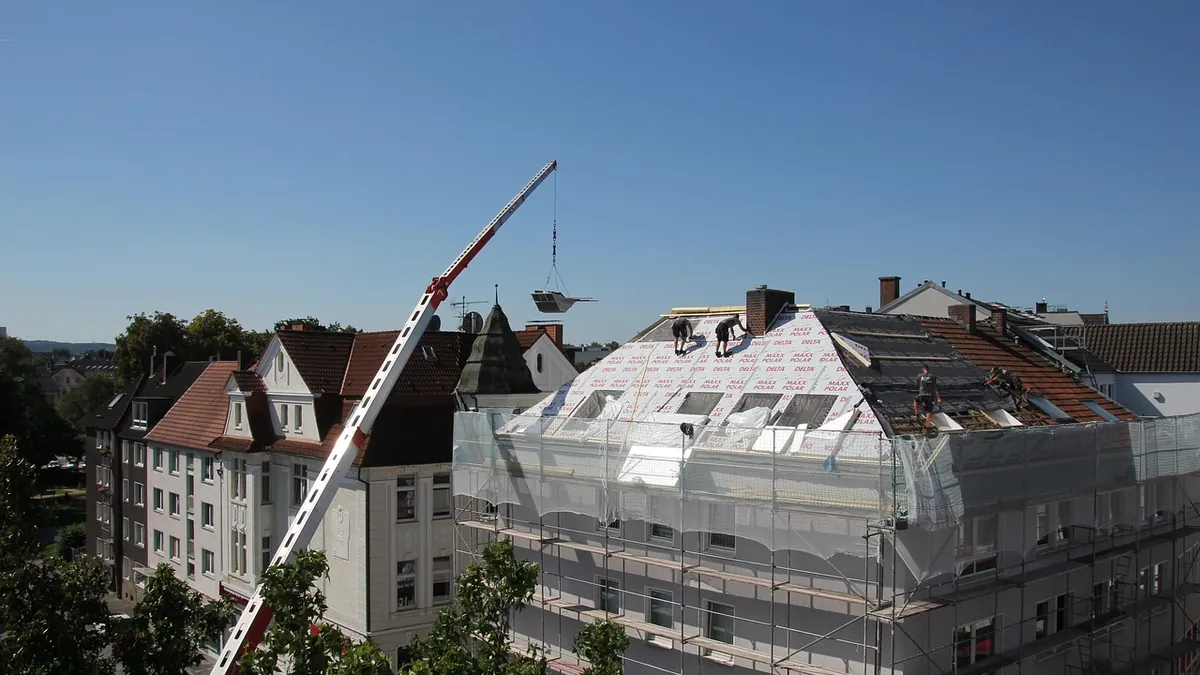
- Roofing applications (roof sealant UV): Any sealant used on a roof, whether it’s around vents, skylights, flashing, or along seams, will be subjected to intense, direct sunlight for the majority of the day. A standard outdoor sealant would quickly degrade, leading to cracks, shrinkage, and eventually leaks. Roof sealant UV formulations are engineered to maintain their elasticity and adhesion under these harsh conditions for many years, preventing costly water damage. This includes sealing around solar panel mounts, chimney bases, and any penetration points on a roof.
- Balconies and decks (balcony sealant): Surfaces like balconies and elevated decks are often fully exposed to the sun. Sealants used for expansion joints, around railings, or where the deck meets the building façade need robust UV protection. A non-UV resistant balcony sealant would chalk, crack, and lose its ability to prevent water ingress, leading to deterioration of the underlying structure or membrane.
- Window and door perimeters (south and west-facing): While all exterior window and door seals benefit from durability, those on the south and west sides of a building receive the most intense UV radiation. Using a UV resistant sealant here ensures the seal remains flexible and intact, preventing air and water leaks that can impact energy efficiency and interior comfort.
- Marine applications: Boats, docks, and other marine structures are constantly exposed to direct sunlight, often amplified by reflection off the water. Sealants used for hull fittings, deck hardware, or cabin windows must be highly UV resistant to prevent breakdown in this demanding environment.
- Exposed expansion joints: Large expansion joints in concrete, masonry, or paving that are not shaded will experience significant UV exposure. A UV resistant sealant will prevent premature hardening, cracking, and loss of movement capability, maintaining the structural integrity of the joint.
- Architectural features and decorative elements: Any exterior architectural detail, such as trim, cornices, or decorative panels, that uses sealant for attachment or weatherproofing, particularly if it’s painted or a material prone to UV degradation, will benefit from a sealant with strong UV resistance to prevent discoloration, chalking, and premature failure of the bond.
- Any critical seal in a high-exposure area: If a sealant failure would lead to significant damage, structural issues, or safety concerns, opting for a UV resistant product is a prudent choice. This reduces the risk of expensive remediation and ensures long-term performance.
In these situations, the slight additional cost of a UV resistant sealant is a small price to pay for the peace of mind and extended service life it provides, mitigating the need for frequent re-application and preventing more extensive repairs down the line.
When Outdoor Sealant May Be a Better Fit
While UV resistant sealants offer superior protection against sun degradation, there are many legitimate applications where a general outdoor sealant is perfectly adequate and can offer cost savings. The key is understanding the specific environmental conditions and the expected lifespan required for the repair.
Here are scenarios where a standard outdoor sealant may be a better or equally suitable choice:
- Shaded or indirectly exposed areas: If the joint or seam is consistently shaded by an overhang, trees, or another structure, the direct UV exposure will be minimal. For example, sealing around the foundation of a house that is largely shaded by landscaping or a porch. In such cases, the primary concerns are moisture, temperature fluctuations, and general weatherability, which a good quality outdoor sealant can handle.
- Temporary or non-critical repairs: For repairs that are intended to be short-term, or where failure would not lead to significant damage, a less expensive outdoor sealant might suffice. Examples include sealing small cracks in a garden shed that is rarely used or a temporary patch on a fence.
- Areas subject to frequent re-application: Some outdoor elements require periodic maintenance regardless of the sealant’s UV resistance. If a component is routinely painted, replaced, or refurbished, a less durable sealant might be acceptable, as it will be reapplied or removed as part of the regular maintenance cycle.
- Low-cost projects with limited budget: For projects where budget is a primary constraint and the aesthetic or functional impact of minor sealant degradation is acceptable, a standard outdoor sealant can be a practical choice. This is often seen in DIY projects where the user is willing to accept a shorter lifespan for the sake of immediate cost savings.
- Behind cladding or hidden components: If the sealant is applied in an area that will be covered by siding, flashing, or another architectural element, its direct exposure to UV light will be eliminated or drastically reduced. In these concealed applications, UV resistance is not a primary concern, and the focus shifts to adhesion, flexibility, and moisture resistance.
- Interior-facing components of exterior structures: For instance, sealing the interior side of an exterior window frame, or joints within a covered porch that are protected from direct sun. While technically “outdoor” in environment, the lack of direct UV makes specialized resistance unnecessary.
- Specific material compatibility requirements: Sometimes, a particular substrate might have better adhesion characteristics with a specific type of general outdoor sealant that doesn’t necessarily boast high UV resistance, but its overall performance and compatibility outweigh the need for extreme UV stability in a low-exposure area.
It’s important to differentiate between “outdoor” and “indoor” sealants. An indoor sealant would typically not withstand any outdoor elements, including moisture and temperature swings. An outdoor sealant, even without premium UV resistance, is still designed for the rigors of exterior conditions, just not necessarily the relentless degradation caused by direct sun. When in doubt, checking the product’s technical data sheet for specific UV performance claims or certifications is always recommended.
How to Choose Based on Goals and Context
Selecting the right sealant, whether UV resistant sealant or a general outdoor sealant, boils down to a careful assessment of your specific project needs, environmental conditions, and long-term expectations. There’s no one-size-fits-all answer, but a structured approach can guide your decision.
Here’s a breakdown of factors to consider:
1. Evaluate Sun Exposure Levels
- Direct, prolonged sun: If the sealed area faces south or west, or is on a roof, balcony, or marine vessel, it will receive intense UV radiation for many hours daily. This is a clear indicator for UV resistant sealant (e.g., roof sealant UV, balcony sealant).
- Partial sun/intermittent exposure: Areas that get sun only part of the day, or are partially shaded, might still benefit from some UV resistance, but perhaps not the highest tier. A good quality outdoor sealant with moderate UV stability might suffice.
- Full shade/concealed: If the area is consistently shaded or will be covered by other materials, UV resistance is less critical. A general outdoor sealant focused on moisture and temperature resilience is often sufficient.
2. Consider the Criticality of the Seal
- High-stakes areas: If sealant failure would lead to significant water damage, structural issues, or safety hazards (e.g., roof flashing, critical expansion joints, seals around large windows), invest in a high-performance UV resistant sealant. The cost of failure far outweighs the upfront savings.
- Low-stakes areas: For non-critical joints, minor cosmetic repairs, or areas where occasional reapplication is easy and inexpensive, a standard outdoor sealant might be acceptable.
3. Assess Desired Lifespan and Maintenance Tolerance
- Long-term durability (10+ years): For applications where you want to “set it and forget it” for a decade or more, UV resistant sealant is the only viable option. This reduces future labor and material costs.
- Medium-term durability (3-7 years): A good quality outdoor sealant can often provide this. If you don’t mind periodic inspection and potential reapplication every few years, this might be a cost-effective choice.
- Short-term durability (1-3 years): For temporary fixes or projects with very limited budgets, a basic outdoor sealant might be chosen, with the understanding that it will need more frequent attention.
4. Understand Substrate Compatibility
- Always check the sealant’s specifications for compatibility with the specific materials you are sealing (e.g., concrete, wood, metal, PVC, glass). Some UV resistant sealants are very specialized.
- Consider porosity and flexibility requirements.
5. Review Application Conditions and Curing Times
- Some high-performance sealants have specific application temperature ranges or longer curing times. Ensure these align with your project schedule and local weather conditions.
- Check for paintability if aesthetics are a concern. Many silicone-based UV resistant sealants are not paintable.
6. Budget Considerations
- UV resistant sealant typically costs more per tube. Factor this into your overall project budget, but remember to consider the long-term cost benefits of durability.
- A basic outdoor sealant will be less expensive upfront.
| Feature / Scenario | UV Resistant Sealant (e.g., Silicone, Urethane, MS Polymer) | General Outdoor Sealant (e.g., Acrylic Latex, Basic Silicone) |
|---|---|---|
| Primary Advantage | Long-term durability in direct sun | Cost-effective water barrier in less exposed areas |
| Sun Exposure | High, direct, constant | Low to moderate, shaded, indirect |
| Criticality of Seal | High (e.g., roofs, critical expansion joints) | Low to moderate (e.g., garden shed, minor cracks) |
| Desired Lifespan | 10+ years | 3-7 years |
| Cost | Higher upfront | Lower upfront |
| Examples of Use | Skylights, chimney flashing, balcony expansion joints | Foundation perimeter in shade, window trim under overhang |
| Paintable? | Often not (especially silicone); check product | Often yes (especially acrylic latex); check product |
| Flexibility | High, maintains elasticity under UV | Good, but can become brittle faster under UV |
By systematically evaluating these factors, you can confidently choose the sealant that best meets the demands of your outdoor repair, ensuring both immediate effectiveness and long-term resilience.
Frequently Asked Questions
What is UV resistant sealant?
UV resistant sealant is a type of sealant specifically formulated to withstand the degrading effects of ultraviolet (UV) radiation from sunlight. Unlike general outdoor sealants, it contains special additives or is inherently composed of polymers (like certain silicones or advanced hybrid polymers) that prevent the material from breaking down, chalking, cracking, or losing elasticity when exposed to direct sunlight over extended periods. This ensures the seal maintains its integrity and protective properties for many years in high-exposure outdoor environments.
How does UV resistant sealant compare with alternatives?
UV resistant sealant offers superior long-term durability in direct sunlight compared to most general “outdoor” or “weatherproof” sealants. While alternatives like basic acrylic latex outdoor caulk are less expensive and may be paintable, they tend to degrade quickly under UV exposure, becoming brittle and failing within a few years. Standard polyurethane sealants offer good strength and adhesion but often require specific UV-stable formulations or topcoats to prevent surface chalking. Silicone-based sealants are generally more inherently UV resistant due to their chemical structure, but even within silicones, some are formulated for higher performance than others. The key comparison is longevity and maintained performance under harsh solar radiation, where UV resistant sealants excel.
What are the most common mistakes people make with UV resistant sealant?
One common mistake is assuming all “outdoor” or “weatherproof” sealants are inherently UV resistant. This leads to using an inadequate product in high-exposure areas, resulting in premature failure. Another error is neglecting proper surface preparation; even the best UV resistant sealant won’t adhere well to dirty, dusty, or improperly primed surfaces. People also sometimes choose a UV resistant sealant that isn’t compatible with the specific substrates they are joining, or one that isn’t paintable when aesthetics require it. Finally, improper application techniques, such as applying too thin a bead or failing to tool the sealant correctly, can compromise its performance regardless of its UV resistance. Always read the manufacturer’s instructions for preparation, application, and curing.
Conclusion
The choice between a general outdoor sealant and a dedicated UV resistant sealant is more than a minor detail; it’s a critical decision that directly impacts the longevity and effectiveness of any outdoor repair. While all sealants designed for exterior use aim to keep water out and accommodate movement, only those specifically formulated for UV resistance can reliably withstand the relentless degradation caused by direct sunlight. For applications on roofs, balconies, south-facing windows, or any area with prolonged sun exposure, investing in a high-performance UV resistant sealant is a matter of prudence, ensuring long-term protection and avoiding costly premature failures. Understanding the context of your repair – the degree of sun exposure, the criticality of the seal, and your desired lifespan – will guide you to the correct choice, ultimately saving time, effort, and resources.
DIY safety disclaimer
Home Leak Fix publishes general DIY information for homeowners. Water intrusion can involve structural, electrical, height, mould, or insurance risks. Use proper safety equipment, follow local building rules, and call a qualified professional when a repair is unsafe, unclear, or beyond your experience.