When water bypasses your home’s gutter system and flows down the back, it signals a problem that can lead to significant structural damage. This issue, often manifesting as a “gutter behind fascia leak,” isn’t just about overflowing gutters; it points to failures in the integrated system designed to protect your home’s eaves and foundation. Understanding the root causes—whether a drip edge problem, a roofline leak, or issues with the gutters themselves—is the first step toward effective remediation.
Key Differences Between Water Running Behind Gutters and Gutter Behind Fascia Leak
While often used interchangeably, “water running behind gutters” describes the symptom, whereas a “gutter behind fascia leak” points to a more specific failure point.
Water Running Behind Gutters (Symptom)
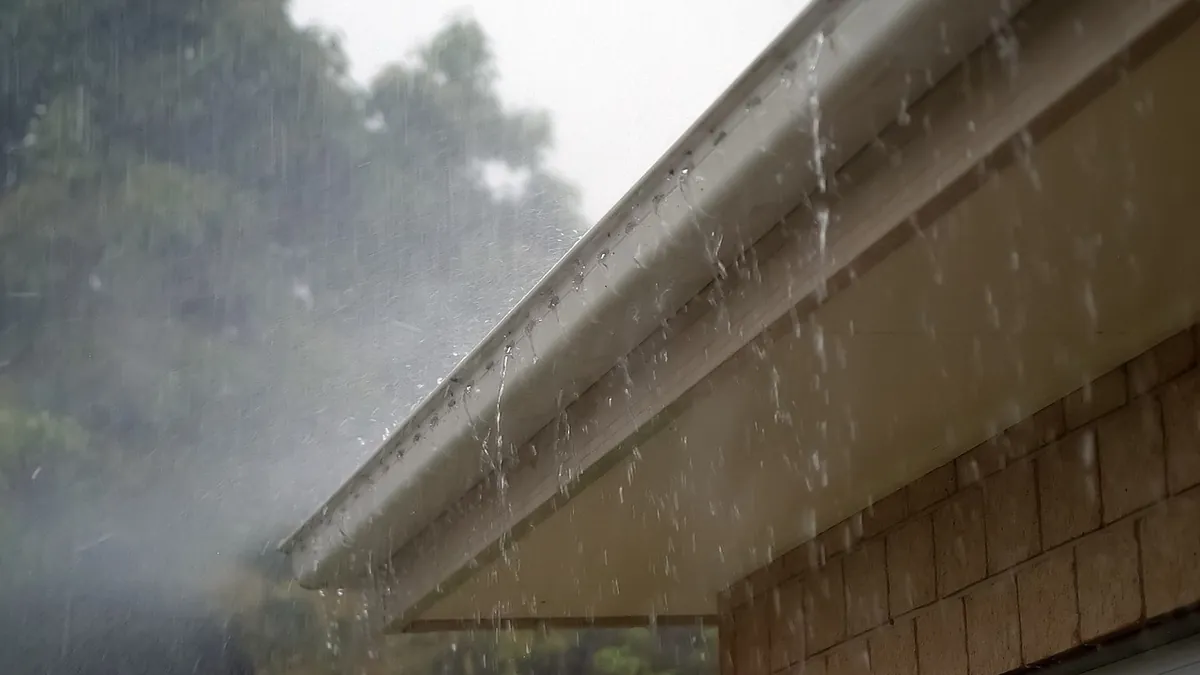
This phrase broadly describes any scenario where rainwater fails to enter the gutter trough and instead flows down the house wall directly behind the gutter. It’s the observable outcome. The water might be originating from:
- Improper gutter pitch: If gutters aren’t angled correctly, water can pool or overflow the back edge.
- Clogged gutters: Debris buildup prevents water from flowing freely, causing it to back up and spill over.
- Damaged gutters: Cracks, holes, or detachment from the fascia can allow water to escape.
- Missing or improperly installed drip edge: The drip edge is a critical component designed to guide water from the roof into the gutter. Without it, or if it’s installed incorrectly, water can run down the fascia board.
- Roofing issues: Damaged shingles, flashing problems, or a compromised roof edge can direct water behind the gutter.
The practical implication of water running behind gutters is primarily aesthetic and immediate: streaks on siding, saturated foundation soil, and potentially splashes back onto windows. The trade-off is often a visible problem that prompts investigation. Edge cases might include strong winds forcing water up and over the back of a gutter even if it’s otherwise functional.
Gutter Behind Fascia Leak (Specific Failure)
This term zeroes in on a particular cause: water that has already made it behind the gutter, often due to a drip edge failure or a direct roofline issue, and is now actively penetrating or damaging the fascia board. The fascia is the long, straight board that runs along the lower edge of the roof, directly behind the gutters.
A gutter behind fascia leak implies:
- Drip edge problem: The most common culprit. If the drip edge doesn’t extend far enough into the gutter or is missing entirely, water rolls under the shingles, down the fascia, and then typically drips behind the gutter or directly onto the fascia.
- Compromised fascia: Existing damage to the fascia (cracks, rot) can allow water to seep in more easily.
- Roofline leak: Water from a higher point on the roof (e.g., damaged underlayment, flashing around a chimney or vent) can travel down the roof deck, eventually reaching the fascia area from behind the drip edge.
The practical implication here is more severe. A gutter behind fascia leak directly threatens the structural integrity of the eaves. The trade-off is often a hidden problem that progresses silently until significant damage is visible, such as peeling paint on the fascia, softened wood, or even interior leaks.
Consider this scenario: you see water sheeting down the back of your gutter during a heavy rain. That’s “water running behind gutters.” Upon closer inspection, you find that the lumber of your fascia board is soft and discolored. That indicates a “gutter behind fascia leak” has been occurring, with the cause likely being a drip edge problem that allowed water to penetrate the fascia. The symptom led you to the specific failure.
Shared Benefits and Overlaps
Understanding the distinctions between “water running behind gutters” and a “gutter behind fascia leak” doesn’t mean they’re entirely separate issues. They exist on a spectrum, with significant overlaps in their effects and the underlying problems that cause them. Both scenarios ultimately lead to unwanted water intrusion and potential damage to your home.
Common Outcomes and Risks:
- Fascia Board Damage: Regardless of whether the water is merely running behind the gutter or actively leaking into the fascia, the fascia board is the primary component at risk. Prolonged exposure to moisture leads to wood rot, paint peeling, and structural weakening. This damage can compromise the attachment points for your gutters, leading to further issues.
- Soffit Damage: The soffit, located underneath the eaves, is also vulnerable. Water dripping or wicking from the damaged fascia can saturate the soffit material, leading to rot, mold growth, and attracting pests.
- Foundation Issues: Uncontrolled water runoff near the house foundation can lead to soil erosion, hydrostatic pressure against basement walls, and ultimately, cracks or leaks in the foundation. This risk is amplified when water consistently bypasses the gutter system.
- Landscape Erosion: The continuous drip or stream of water directly behind the gutter can erode the soil and damage landscaping features beneath the eaves.
- Pest Infestation: Rotting wood creates an inviting environment for pests like carpenter ants, termites, and rodents. They exploit softened wood for nesting and access to your home’s interior.
- Mold and Mildew Growth: Persistent dampness on the exterior walls or within the eaves creates ideal conditions for mold and mildew, which can spread and potentially impact indoor air quality if the problem is severe enough to penetrate the home.
- Compromised Structural Integrity: In severe cases, extensive rot in the fascia, soffit, and even the rafter tails can compromise the structural integrity of the roofline, requiring costly repairs.
Overlapping Causes:
Many of the issues that cause water to run behind gutters can also directly lead to a gutter behind fascia leak.
- Drip Edge Issues: A missing or improperly installed drip edge is a prime example. It directly causes water to run behind the gutter and is a leading cause of water penetrating the fascia.
- Roofline Problems: Damaged shingles near the edge, worn-out roofing felt, or improper flashing can direct water under the roof edge, behind the gutter, and onto the fascia.
- Gutter Installation Flaws: Gutters installed too far away from the roof edge, or with an incorrect pitch, can cause water to overshoot or backflow behind them. If this water then consistently wets the fascia, it becomes a “gutter behind fascia leak” over time.
The shared benefit of addressing either issue is the protection of your home’s structural components and the prevention of more extensive, costly damage. The overlap means that troubleshooting one often involves investigating the other, as the solutions are frequently interconnected. For instance, fixing a drip edge problem resolves both the symptom of water running behind gutters and the specific issue of water leaking behind the fascia.
When Water Running Behind Gutters May Be a Better Fit (as a Diagnostic Approach)
The phrase “water running behind gutters” is most useful as an initial diagnostic observation. It’s a broad symptom description that suggests a problem with the roof-to-gutter interface, prompting a wider investigation rather than immediately pinpointing a specific failure.
When to focus on “water running behind gutters” as your primary concern:
- Initial Observation: When you first notice water cascading down the back of your gutters during rain, but haven’t yet identified the exact point of entry or damage to the fascia. This is your starting point for investigation.
- Visible Overflow/Spillover: If the gutters appear full and water is visibly overflowing the back edge, even if the drip edge seems intact. This points to potential gutter issues like:
- Clogs: Leaves, twigs, and other debris prevent water flow, causing it to back up and spill over.
- Improper Pitch: Gutters might not be angled correctly towards the downspouts, leading to standing water and overflow.
- Undersized Gutters: In areas with heavy rainfall, existing gutters might simply be too small to handle the volume of water, leading to overflow even when clean.
- Gutter Detachment: If the gutters are visibly pulling away from the fascia board, creating a gap through which water can fall. This is a direct cause of water running behind them.
- Post-Installation Check: After new gutter installation, observing “water running behind gutters” indicates an immediate installation error, such as incorrect placement relative to the roof edge or improper pitch.
- Temporary Solutions/Mitigation: If you need to quickly address the symptom to prevent immediate damage (e.g., during a storm), focusing on the observable water flow helps. This might involve clearing a clog or temporarily diverting water, even if the underlying fascia damage isn’t yet assessed.
Practical Implications:
Focusing on “water running behind gutters” encourages a top-down assessment. You’d start by looking at the roof edge, the gutter interior, and the gutter’s attachment points. The trade-off is that this approach might not immediately reveal hidden damage to the fascia or soffit that has accumulated over time.
Example Scenario:
During a heavy rain, you notice water pouring down the siding directly behind your gutters. You check the gutters and find them packed with wet leaves and debris. Clearing the clog immediately stops the water from running behind the gutters. In this case, “water running behind gutters” was the accurate diagnosis, and the solution was straightforward gutter maintenance. While prolonged neglect might have eventually led to fascia damage (a “gutter behind fascia leak”), the immediate problem was the external overflow.
When Gutter Behind Fascia Leak May Be a Better Fit (as a Specific Diagnosis)
“Gutter behind fascia leak” is a more precise diagnosis, indicating that water has bypassed the gutter system and is actively causing damage to the fascia board, often from behind. This term applies when signs of moisture intrusion or deterioration are evident on the fascia itself, even if the initial cause might have been subtle.
When to focus on “gutter behind fascia leak” as your primary concern:
- Visible Fascia Damage: When you observe direct evidence of water damage on the fascia board, such as:
- Peeling, blistering, or discolored paint on the fascia.
- Soft, spongy, or rotting wood when probed.
- Mold or mildew growth on the fascia surface.
- Stains or streaks on the fascia that indicate consistent water flow.
- Soffit Damage: If the soffit directly below the fascia shows signs of water damage, such as stains, sagging, or rot. This often indicates water has been leaking from the fascia above.
- Evidence of Water Traveling Under Shingles: If you can see water marks or moisture on the underside of the roof decking near the eaves, or if you suspect water is wicking back under the shingles due to a lack of drip edge.
- Persistent Problem Despite Clean Gutters: When you’ve confirmed your gutters are clean, pitched correctly, and properly attached, but water still appears to be getting behind them and damaging the fascia. This strongly points to a drip edge or roofline issue.
- Interior Eave Leaks: In severe cases, a persistent gutter behind fascia leak can eventually lead to water penetrating into the attic or interior walls along the eave line.
- Post-Storm Assessment: After severe weather, if you’re specifically inspecting for structural damage, focusing on fascia leaks helps identify compromised areas.
Practical Implications:
Diagnosing a “gutter behind fascia leak” immediately directs your attention to the roof edge and the drip edge specifically. It implies a need for repair or replacement of the drip edge, inspection of the roofline, and potentially the fascia board itself. The trade-off is that this diagnosis often points to a more involved and potentially costly repair, as it suggests damage has already occurred.
Example Scenario:
You’ve always kept your gutters clean, yet you notice the paint on your fascia board is bubbling and peeling in one section. Upon closer inspection, the wood underneath feels soft. During the next rain, you observe water dripping from behind the gutter, directly onto the damaged fascia, even though the gutter itself isn’t overflowing. This is a clear “gutter behind fascia leak,” likely caused by a faulty or missing drip edge that allowed water to roll back under the shingles and down the fascia. The solution will involve addressing the drip edge and repairing the damaged fascia.
How to Choose Based on Goals and Context
The choice between focusing on “water running behind gutters” versus a “gutter behind fascia leak” isn’t about choosing one over the other in terms of importance, but rather about using the correct terminology to describe the problem you’ve identified and guide your next steps. The goal is always to resolve the issue and prevent further damage.
Here’s a comparison to help guide your approach:
| Feature | Water Running Behind Gutters | Gutter Behind Fascia Leak |
|---|---|---|
| Primary Focus | Observable symptom; water seen going behind gutters. | Specific failure; water penetrating or damaging fascia. |
| Initial Concern | Visible overflow, splashback, general wetness behind. | Signs of wood rot, peeling paint, stains on fascia/soffit. |
| Typical Onset | Often sudden (e.g., after clog, heavy rain, new problem). | Often gradual, hidden, cumulative damage. |
| Investigation | Check gutter cleanliness, pitch, attachment, roof edge. | Inspect drip edge, fascia condition, roofline integrity. |
| Common Causes | Clogged gutters, improper pitch, detached gutters, missing drip edge. | Missing/faulty drip edge, roofline damage, existing fascia rot. |
| Urgency (Initial) | High (immediate prevention of further runoff). | High (arresting ongoing structural damage). |
| Repair Scope | Potentially simpler (cleaning, re-pitching, re-attaching). | Potentially more involved (drip edge install, fascia repair/replacement). |
| Best Used When | As a general observation, or when the problem is clearly external to the fascia. | When there’s direct evidence of fascia damage or hidden water intrusion. |
Choosing Your Approach:
- Initial Discovery: If you’ve just noticed any water appearing where it shouldn’t be behind your gutters, start with the broader “water running behind gutters” perspective. This prompts a comprehensive visual inspection from the roof edge down to the foundation.
- Evidence of Damage: If your inspection reveals visible damage to the fascia board (soft wood, peeling paint, mold), then you’ve effectively moved from observing “water running behind gutters” to diagnosing a “gutter behind fascia leak.” This directs your repair efforts specifically to the fascia and the components protecting it (drip edge, roofline).
- Preventative Maintenance: As part of routine home maintenance, if you’re checking your gutters and roofline, proactively look for potential “gutter behind fascia leak” indicators like an absent or poorly installed drip edge, even if you haven’t seen water running behind the gutters yet. Preventing the leak is always better than repairing the damage.
- Professional Assessment: When hiring a contractor, clearly describe what you’ve observed. If you say “water running behind gutters,” they’ll likely start with a general inspection. If you specifically point to “peeling paint on the fascia caused by a gutter behind fascia leak,” you’re providing a more targeted diagnosis, which can help them focus their assessment and quote.
Ultimately, these terms are tools for communication and diagnosis. A “gutter behind fascia leak” is a specific type of “water running behind gutters” where the water has progressed to cause damage to the underlying structure. Addressing either requires a thorough inspection of the roof edge, drip edge, gutters, fascia, and soffit.
Frequently Asked Questions
Understanding the nuances of water running behind gutters and gutter behind fascia leaks often brings up several common questions.
What is water running behind gutters?
“Water running behind gutters” describes the situation where rainwater, instead of being collected by the gutter, flows down the exterior wall of a house directly behind the gutter. This can happen for various reasons, including clogged gutters, improper gutter pitch, gutters pulling away from the fascia, or issues with the roof’s drip edge. It’s a symptom that indicates a failure in the system designed to channel water away from the home’s foundation and eaves.
How does water running behind gutters compare with alternatives?
There aren’t really “alternatives” to water running behind gutters in the sense of different solutions to the problem, but rather different causes or manifestations of the problem.
- Compared to Gutter Overflow (Front): If water is overflowing the front edge of the gutter, it usually indicates a clog or insufficient gutter capacity. While still problematic, it typically doesn’t directly damage the fascia and soffit as quickly as water running behind the gutter, which often gets trapped against the building.
- Compared to a Roof Leak (Internal): A roof leak that drips into the attic or through the ceiling is a different issue, though sometimes a severe “gutter behind fascia leak” can eventually lead to internal leaks if the water penetrates deep enough into the eaves and attic space.
- Compared to a Downspout Issue: If a downspout is clogged or detached, water might back up in the gutter and then overflow, potentially behind the gutter. However, the primary problem is the downspout, leading to the secondary symptom of water running behind the gutter.
The key comparison is often with a “gutter behind fascia leak.” The former is the observable symptom, while the latter specifies that the water is not just running behind, but actively leaking into and damaging the fascia board itself, often due to a drip edge failure.
What are the most common mistakes people make with water running behind gutters?
- Ignoring the Problem: The biggest mistake is assuming it’s a minor issue or will resolve itself. Persistent moisture behind gutters leads to rot, mold, and structural damage over time.
- Focusing Only on Gutters: Many homeowners clean their gutters but don’t inspect the drip edge or the roofline directly above the gutter. A clean gutter won’t solve a drip edge problem.
- Improper Gutter Installation: DIY gutter installation or hiring inexperienced contractors can lead to gutters that are improperly pitched, too far from the roof edge, or poorly attached, all of which cause water to run behind them.
- Neglecting the Drip Edge: Not installing a drip edge or installing it incorrectly is a common oversight. The drip edge is crucial for guiding water directly into the gutter and preventing it from wicking back onto the fascia.
- Using Temporary Fixes: Applying caulk to cover up a leak behind the gutter without addressing the underlying issue (e.g., a missing drip edge or rotting fascia) is a short-term solution that traps moisture and accelerates damage.
- Not Inspecting After Storms: High winds or heavy rain can dislodge gutters, damage shingles, or compromise the drip edge. Failing to inspect these areas after severe weather can leave problems unaddressed.
- Overlooking Fascia Condition: Not checking the fascia board for softness, rot, or peeling paint means you might miss the signs of a “gutter behind fascia leak” until the damage is extensive.
Conclusion
Water running behind your gutters, whether it’s a simple overflow or a more insidious gutter behind fascia leak, is a clear signal that your home’s water management system isn’t functioning as intended. Understanding the distinction between the symptom and the specific failure helps in accurately diagnosing the problem. While “water running behind gutters” is a broad observation, a “gutter behind fascia leak” points to direct damage to the fascia board, often stemming from a faulty or absent drip edge. Addressing these issues promptly, through regular maintenance, proper gutter installation, and ensuring a functional drip edge, is crucial for preserving the structural integrity of your eaves and protecting your home from costly water damage. Ignoring these signs can lead to escalating repairs, making a seemingly minor issue into a significant home repair project.
DIY safety disclaimer
Home Leak Fix publishes general DIY information for homeowners. Water intrusion can involve structural, electrical, height, mould, or insurance risks. Use proper safety equipment, follow local building rules, and call a qualified professional when a repair is unsafe, unclear, or beyond your experience.