Estimating the correct amount of waterproof coating for a project is crucial for both budget management and ensuring effective protection. Too little, and you risk an incomplete job or purchasing more at a higher unit cost. Too much, and you’re left with wasted material and money. This guide details how to accurately calculate the quantity of waterproof coating needed, whether measured in litres or kilograms, considering various factors that influence application.
Key Differences Between Waterproof Coating Coverage and “How Much Roof Coating”
While both “waterproof coating coverage” and “how much roof coating” deal with material quantities, their scopes and implications differ. “Waterproof coating coverage” is a broader term, encompassing any surface requiring waterproofing – be it a basement wall, a balcony, a foundation, or a roof. It focuses on the general principles of calculating material needs based on surface area and product specifications. The units of measurement (litres for liquids, kilograms for viscous or paste-like materials) are central to this calculation.
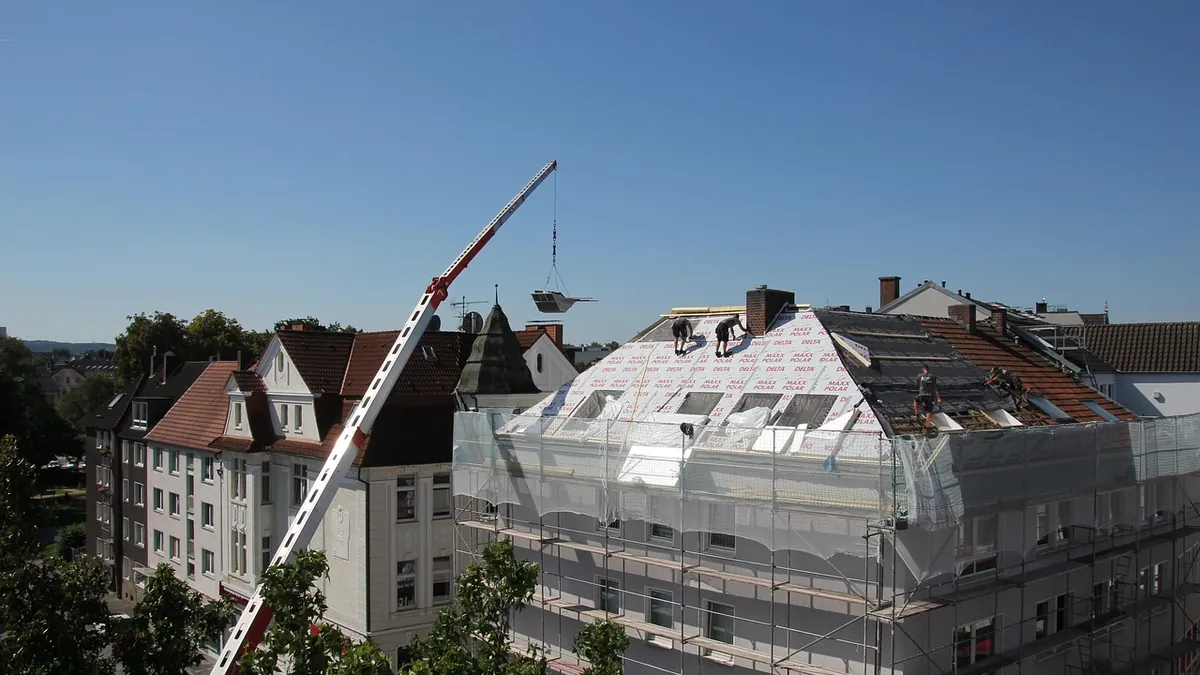
“How much roof coating,” on the other hand, is specific to roofing applications. While the underlying calculation principles remain similar, roof coatings often face unique challenges. These include specific surface textures (e.g., asphalt shingles, metal, concrete tiles), varying degrees of slope, and exposure to extreme weather conditions. Roof coatings might also come with specific application thicknesses or multi-coat requirements that differ from other waterproofing projects. For instance, a liquid rubber roof coating might require a thicker application than a waterproofing membrane applied to a foundation wall, influencing the total amount needed per square meter.
The practical implication is that while general “waterproof coating coverage” principles provide a foundation, specific “how much roof coating” considerations often introduce additional variables. These might include the need for primers, seam tapes, or specialized repair compounds, all of which add to the overall material requirement beyond the main coating itself. Edge cases for roof coatings could involve highly irregular roof geometries or existing damage that requires extensive patching before the primary coating can be applied.
Consider a flat concrete roof versus a vertical concrete foundation wall. Both might use a liquid waterproofing membrane. However, the roof might require a higher mil thickness due to ponding water concerns, thus consuming more material per square meter than the vertical wall. The “how much roof coating” perspective inherently accounts for these roofing-specific demands.
Shared Benefits and Overlaps
Despite their differences, both “waterproof coating coverage” and “how much roof coating” share fundamental principles and benefits. The primary overlap lies in the goal: to determine the exact quantity of material required to achieve effective waterproofing. This precision offers several advantages:
- Cost Efficiency: Accurate estimation prevents over-ordering, reducing material waste and overall project costs. It also helps avoid under-ordering, which can lead to project delays and additional shipping expenses for supplemental material.
- Project Planning: Knowing the material quantity allows for better scheduling of labor and equipment. It ensures that all necessary resources are available from the outset, minimizing downtime.
- Performance Assurance: Applying the correct thickness or number of coats, as dictated by the manufacturer’s coverage rates, is vital for the coating to perform as intended. Too thin an application can compromise the waterproofing integrity, leading to premature failure.
- Environmental Impact: Reducing waste contributes to more sustainable construction practices.
The core calculation method is identical: surface area multiplied by the manufacturer’s recommended coverage rate. For example, if a product specifies 0.5 litres per square meter, and you have a 100 square meter surface, you will need 50 litres. The same logic applies whether that surface is a roof, a wall, or a tank.
Trade-offs often arise when choosing between different products, even within the same category. A product with a higher coverage rate (meaning less material per square meter) might seem more economical initially, but it could be more expensive per unit or require more meticulous surface preparation. Conversely, a product with a lower coverage rate (more material per square meter) might offer superior durability or easier application, justifying the increased quantity. The decision hinges on balancing initial cost, long-term performance, and application complexity.
When Waterproof Coating Coverage May Be a Better Fit
The broader concept of “waterproof coating coverage” is particularly relevant when dealing with non-roofing surfaces or when comparing different types of waterproofing materials across various applications.
This approach is a better fit in scenarios such as:
- Basement Waterproofing: When waterproofing interior or exterior basement walls, foundation slabs, or crawl spaces, the focus is purely on preventing water ingress from the ground. The dynamics of water pressure, soil conditions, and concrete porosity dictate material choice and application thickness, rather than specific roofing concerns like UV exposure or foot traffic.
- Wet Rooms and Bathrooms: For internal applications like showers, wet rooms, or commercial kitchens, the waterproofing is contained within a structure. Here, the coverage calculation focuses on preventing leaks to adjacent areas, often involving tanking membranes or liquid-applied systems on walls and floors. The environment is typically less exposed to extreme weather than a roof.
- Balconies and Terraces (Non-Exposed): If a balcony is covered by an overhead structure, the primary concern is water shedding and preventing ingress into the building envelope, rather than direct UV resistance or ponding water on an open roof.
- Tunnels and Underground Structures: These projects require robust waterproofing against hydrostatic pressure, often involving specialized sheet membranes or sprayed coatings. The calculations are driven by the specific engineering requirements for subsurface water control.
- Water Tanks and Reservoirs: For containment structures, the focus is on preventing leaks and ensuring water quality. Coatings must be potable-water safe if applicable, and coverage calculations account for internal surface area, including complex geometries.
In these instances, the general principles of calculating material based on surface area and product density (for kilograms) or volume (for litres) are paramount. The “waterproof coating coverage” perspective allows for a more direct comparison of different waterproofing technologies (e.g., cementitious slurries vs. liquid rubber vs. epoxy coatings) without the specific biases of roofing applications. Trade-offs might involve flexibility versus rigidity, breathability versus absolute vapor barrier, or ease of application versus long-term durability. For example, a cementitious coating might be chosen for its breathability on a basement wall, while a fully impermeable liquid membrane might be used for a water tank.
When “How Much Roof Coating” May Be a Better Fit
Conversely, focusing specifically on “how much roof coating” becomes essential when the project directly involves the top surface of a building, exposed to the elements.
This more specialized approach is better suited for:
- Low-Slope and Flat Roofs: These roofs are prone to ponding water, requiring coatings with excellent elasticity, UV resistance, and often a higher build-up or reinforced systems. The calculation must account for potential water accumulation and the need for seamless, durable membranes.
- Steep-Slope Roofs (e.g., metal, tile, asphalt): While less prone to ponding, these roofs require coatings that can adhere well to existing materials, resist wind uplift, and provide long-term UV protection. The texture of the existing roof material can significantly impact coverage rates – a rough asphalt shingle roof will absorb more coating than a smooth metal roof.
- Roof Restoration Projects: When applying a new coating over an existing roof system (e.g., a modified bitumen roof, EPDM, or TPO), the condition of the existing surface profoundly influences the amount of primer and main coating needed. Deteriorated surfaces often require more material to achieve proper adhesion and a uniform film thickness.
- Energy-Efficient Roofs (Cool Roofs): These coatings often have specific reflective properties and require precise application thicknesses to meet energy performance standards. The “how much roof coating” consideration here extends beyond just waterproofing to include thermal performance.
- Roofs with Complex Penetrations: HVAC units, skylights, vents, and other roof penetrations require intricate detailing and often multiple layers of flashing and coating. Estimating material for these specific areas adds complexity to the overall roof coating calculation.
In these cases, the “how much roof coating” perspective inherently brings in factors like:
- UV Resistance: Roof coatings must withstand prolonged sun exposure without degradation.
- Thermal Cycling: The expansion and contraction of roof materials due to temperature changes demand flexible coatings.
- Foot Traffic: Some roofs require coatings robust enough to handle maintenance traffic.
- Existing Substrate Condition: The porosity, cleanliness, and soundness of the existing roof surface directly impact adhesion and coverage. A heavily oxidized or granular surface will consume more material than a smooth, primed one.
For example, a liquid-applied EPDM roof coating might specify different coverage rates for a first coat (which might soak into the existing surface more) versus a second or third coat. A highly granulated modified bitumen roof will require significantly more coating per square meter than a smooth, previously primed metal roof, even if both are being coated with the same product. The trade-offs often involve the type of coating (acrylic, silicone, urethane, asphalt emulsion), its elasticity, and its ability to bridge cracks or tolerate movement in the roof substrate.
How to Choose Based on Goals and Context
The choice between focusing on general “waterproof coating coverage” principles and specific “how much roof coating” considerations ultimately depends on the project’s nature, the surface involved, and the desired outcome.
Here’s a decision table to guide your approach:
| Feature/Consideration | General “Waterproof Coating Coverage” Focus | Specific “How Much Roof Coating” Focus |
|---|---|---|
| Primary Application | Basements, foundations, wet rooms, tanks, balconies (under cover), underground structures | Low-slope/flat roofs, steep-slope roofs (metal, tile, asphalt), roof restoration |
| Key Environmental Stress | Hydrostatic pressure, ground moisture, internal humidity, chemical resistance | UV radiation, thermal cycling, ponding water, foot traffic, wind uplift |
| Surface Irregularity | Generally smoother, more predictable surfaces (concrete, block) | Highly varied surfaces (shingles, metal ribs, granular membranes) |
| Product Variety | Cementitious slurries, liquid membranes, epoxy coatings, sheet membranes | Acrylics, silicones, urethanes, asphalt emulsions, elastomeric coatings |
| Critical Performance | Absolute water barrier, resistance to specific chemicals, breathability | Long-term flexibility, UV stability, reflective properties, adhesion to existing roof |
| Material Unit | Often litres (volume) for liquids, kilograms (weight) for pastes/slurries | Primarily litres (volume) for liquid applied, sometimes kilograms for thicker systems |
| Calculation Nuance | Surface area x specified thickness/rate | Surface area x specified thickness/rate, with significant adjustment for substrate condition, pitch, and detailing |
| Example Scenario | Waterproofing a new concrete basement wall before backfilling. | Applying a restorative coating to an aging commercial flat roof. |
When to lean towards a general “waterproof coating coverage” approach:
- Your project involves non-roofing surfaces.
- The primary concern is general water ingress rather than specific environmental factors unique to roofs.
- You are comparing different types of waterproofing materials across diverse applications.
- The surface is relatively uniform and predictable.
When to lean towards a “how much roof coating” approach:
- Your project is specifically on a roof.
- You must account for UV exposure, thermal movement, ponding water, or adhesion to existing roof materials.
- The roof has complex geometries, penetrations, or significant existing damage.
- Energy efficiency or specific aesthetic requirements (e.g., cool roof properties) are critical.
Ultimately, regardless of the focus, always consult the manufacturer’s technical data sheet (TDS) or product data sheet (PDS). These documents provide the most accurate coverage rates, recommended application thicknesses, number of coats, and specific surface preparation requirements. These details are paramount for accurate estimation and successful application.
Frequently Asked Questions
What is waterproof coating coverage?
Waterproof coating coverage indicates the surface area a given amount of waterproofing material can effectively protect. This is usually expressed as square meters per liter (m²/L) for liquid coatings or square meters per kilogram (m²/kg) for paste-like or heavier materials. This rate is crucial for accurately estimating project material needs and ensuring the correct application thickness and performance. Several factors, including surface porosity, texture, and the required film thickness, directly affect the actual coverage achieved.
How does waterproof coating coverage compare with alternatives?
Waterproof coating coverage is a metric specific to liquid-applied or trowel-applied waterproofing systems. Alternatives often involve pre-formed membranes, where the coverage is simpler to calculate: it’s typically the square footage of the roll, minus overlap waste.
- Liquid Coatings vs. Sheet Membranes:
- Liquid Coatings: Coverage varies significantly based on application thickness, surface texture, and product density. They offer seamless application and conform well to irregular shapes.
- Sheet Membranes (e.g., EPDM, TPO, PVC, self-adhered bitumen): Coverage is more straightforward as it’s based on the roll dimensions. The primary calculation involves accounting for overlaps and waste from cuts. They offer consistent thickness and are often faster to install over large, uniform areas.
- Liquid Coatings vs. Cementitious Waterproofing:
- Liquid Coatings: Often more flexible and elastic, suitable for surfaces with movement. Coverage is typically higher per unit of material.
- Cementitious Waterproofing: Less flexible, but highly durable and good for rigid structures like concrete foundations. Coverage can be lower due to denser material and often thicker application.
The choice depends on the project’s specific needs regarding flexibility, substrate type, ease of application, and expected lifespan. Liquid coatings generally require more precise coverage calculations due to their variable application.
What are the most common mistakes people make with waterproof coating coverage?
Several common mistakes can lead to either insufficient waterproofing or significant material waste:
- Ignoring Surface Porosity and Texture: A rough, porous surface (like unprimed concrete or old, weathered shingles) will absorb significantly more coating than a smooth, non-porous, or properly primed surface. Failing to account for this often results in underestimating material needs.
- Not Accounting for Multiple Coats: Many waterproofing systems require two or more coats to achieve the desired film thickness and performance. People often calculate for only one coat, leading to shortages.
- Disregarding Manufacturer’s Specifications: The manufacturer’s technical data sheet provides the recommended coverage rate, minimum dry film thickness (DFT), and number of coats. Deviating from these specifications, either by applying too thin or too thick, compromises performance.
- Not Measuring Accurately: Inaccurate measurement of the surface area to be coated is a fundamental error. Always measure carefully and add a small percentage (e.g., 5-10%) for waste and unforeseen circumstances.
- Underestimating Waste: Spills, roller/brush saturation, overspray (for spray applications), and material left in containers can all contribute to waste. A small buffer in the estimate is always prudent.
- Ignoring Detailing and Complex Areas: Areas around pipes, drains, corners, and penetrations often require more material or specialized application techniques, which can consume extra coating beyond the flat surface area calculation.
- Calculating Volume vs. Weight Incorrectly: Some products are sold by volume (litres), others by weight (kilograms). It’s crucial to use the correct unit in your calculation and understand the product’s density if converting between units is necessary.
By being mindful of these factors, you can significantly improve the accuracy of your waterproof coating coverage estimates.
Conclusion
Accurately estimating waterproof coating coverage, whether in litres or kilograms, is a foundational step for any successful waterproofing project. It moves beyond a simple surface area calculation to encompass the nuances of specific materials, application environments, and surface conditions. By understanding the distinctions between general waterproofing needs and the specialized requirements of roof coatings, and by meticulously following manufacturer guidelines, project managers and DIY enthusiasts alike can ensure optimal material usage, consistent performance, and cost-effective outcomes. A precise estimate not only saves money and time but also guarantees the long-term integrity of the waterproofed structure.
DIY safety disclaimer
Home Leak Fix publishes general DIY information for homeowners. Water intrusion can involve structural, electrical, height, mould, or insurance risks. Use proper safety equipment, follow local building rules, and call a qualified professional when a repair is unsafe, unclear, or beyond your experience.