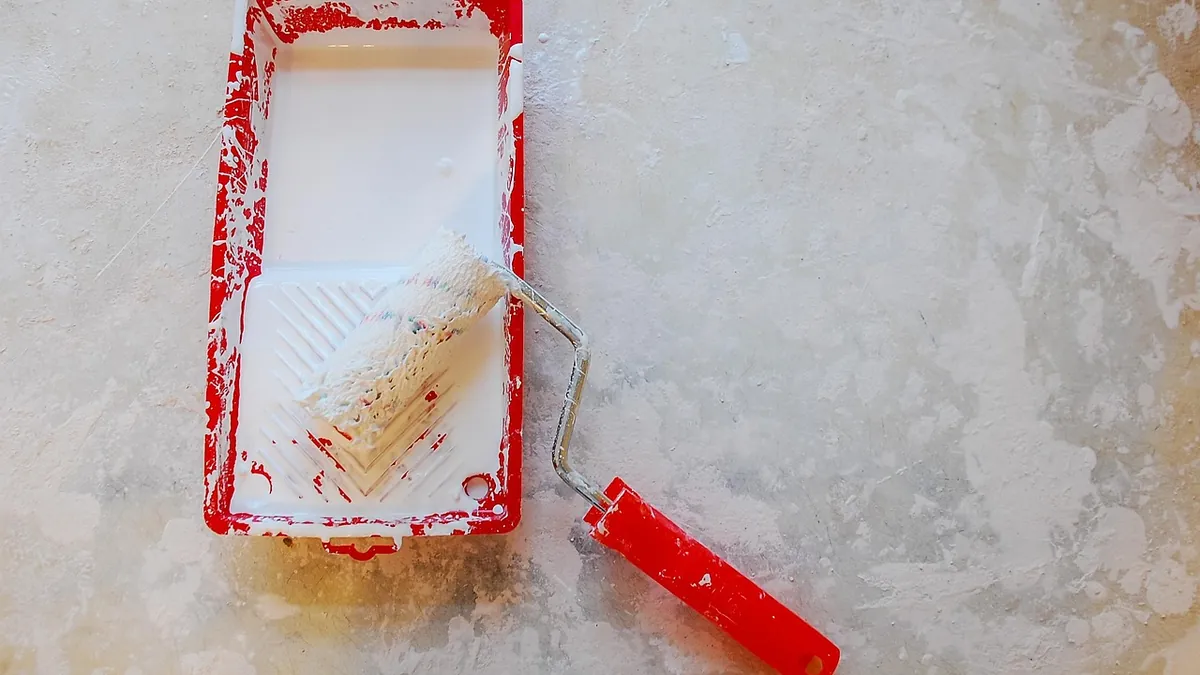
When considering bathroom renovations or moisture management, the term “waterproof paint” often surfaces. It sounds like a simple solution: a coat of paint that repels water, solving all humidity-related problems in one go. However, the reality is more nuanced. While specialized paints offer significant advantages in moisture-prone environments like bathrooms, they have limitations and are not a universal replacement for traditional waterproofing methods, especially in areas of direct water exposure. Understanding these distinctions is crucial for making informed decisions that protect your home from water damage.
Key Differences Between Waterproof Paint and Dedicated Waterproofing
The terms “waterproof paint bathroom” and “bathroom waterproof paint” might seem interchangeable, but they often refer to products with different capabilities and intended applications. It’s less about semantic difference and more about the degree of protection offered.
Waterproof Paint (or Moisture-Resistant Paint): This typically refers to paints formulated with additives that enhance their resistance to moisture, mildew, and mold. They create a durable, non-porous surface that repels water splashes and high humidity. These paints are excellent for walls and ceilings in general bathroom areas, helping to prevent moisture absorption into the drywall or plaster beneath. They are designed to withstand condensation, steam, and incidental splashing, making cleaning easier and inhibiting fungal growth.
- Practical Implications: Applying a high-quality moisture-resistant paint to your bathroom walls and ceiling can significantly improve the longevity and appearance of these surfaces. It’s a proactive measure against common bathroom issues like peeling paint, bubbling, and black mold spots. However, it’s a surface treatment, not a structural barrier against liquid water under pressure.
- Trade-offs: While effective against humidity and splashes, these paints cannot withstand continuous direct water exposure. They will not prevent water from penetrating through grout lines, cracks, or gaps in tiling, nor will they stop leaks from plumbing fixtures. They are not designed to be submerged or to form a watertight seal in areas like shower enclosures or behind tiles.
- Example Scenario: Painting the walls around a sink or toilet with moisture-resistant paint is an excellent choice. It protects against splashes and high humidity from showers without direct contact.
Dedicated Waterproofing (often involving membranes or coatings): This refers to specialized systems designed to create an impenetrable barrier to water, preventing it from passing through a substrate. These systems are essential in areas of direct and prolonged water exposure, such as inside shower stalls, behind tiled tub surrounds, and sometimes on bathroom floors beneath tiling. They typically involve liquid-applied membranes, sheet membranes, or cementitious coatings applied before the final surface material (like tile).
- Practical Implications: True waterproofing forms a continuous, sealed layer that physically stops water from reaching the wall studs, subfloor, or other moisture-sensitive building materials. This is critical for preventing structural damage, rot, and widespread mold growth. Without it, even perfectly installed tiles and grout can eventually allow water to seep through.
- Trade-offs: These systems are more labor-intensive and costly to install than simply painting. They require careful surface preparation and application to ensure a complete seal. They are also not decorative finishes; they must be covered by tiles or other suitable surfaces.
- Example Scenario: Before tiling a shower enclosure, a liquid-applied waterproofing membrane is painted onto the cement board or other substrate. This forms a waterproof barrier behind the tiles, protecting the wall structure from direct shower spray.
To summarize, waterproof paint for bathrooms is a protective topcoat against ambient moisture and splashes, whereas dedicated waterproofing creates a primary, robust barrier against direct water infiltration, often underneath a finished surface.
Shared Benefits and Overlaps
Despite their distinct primary functions, both high-quality waterproof paint and dedicated waterproofing share some common goals and offer overlapping benefits in the broader context of bathroom moisture management.
- Mold and Mildew Resistance: Both types of products contribute to inhibiting mold and mildew growth. Moisture-resistant paints contain antimicrobial additives that prevent fungi from establishing on the painted surface. Dedicated waterproofing, by preventing water intrusion into the wall cavity, removes the damp conditions necessary for hidden mold growth within the structure.
- Enhanced Durability: By protecting the underlying surfaces from moisture, both approaches extend the lifespan of bathroom finishes. Paint is less likely to peel or blister, and structural components are less likely to rot or degrade when shielded from water.
- Easier Maintenance: Surfaces treated with moisture-resistant paint or covered by tiles over a waterproof membrane are generally easier to clean. They resist staining from water spots and soap scum more effectively, and mold/mildew, if it does appear, is less likely to penetrate deeply, making it simpler to wipe away.
- Improved Hygiene: By controlling moisture and inhibiting mold, both methods contribute to a more hygienic bathroom environment, reducing potential allergens and odors associated with damp conditions.
- Protection of Substrates: Fundamentally, both aim to protect the building materials (drywall, plaster, cement board, wood studs) from water damage. Waterproof paint does this on the surface, while dedicated waterproofing does it beneath the finish layer.
Consider a bathroom ceiling: a high-quality moisture-resistant paint (often labeled “bathroom paint”) is typically sufficient. It will repel steam and condensation, preventing paint failure and mold. The “overlap” here is that both types of products contribute to a healthier, more durable bathroom, just at different layers of defense.
When Waterproof Paint May Be a Better Fit
Waterproof paint, or more accurately, high-performance moisture-resistant paint designed for bathrooms, is an excellent choice for specific areas and situations where dedicated waterproofing is overkill or impractical.
- Low to Moderate Moisture Areas: For bathroom walls and ceilings that experience high humidity and occasional splashes but no direct, continuous water exposure, moisture-resistant paint is ideal. This includes areas around toilets, vanities, and general wall space outside the immediate shower or tub enclosure.
- Cost-Effectiveness and Ease of Application: Painting is a significantly less expensive and less labor-intensive process than installing a full waterproofing membrane system. For DIY enthusiasts, it’s a manageable project that can yield substantial benefits in terms of moisture protection and aesthetics.
- Aesthetic Finish: Unlike waterproofing membranes, which are always covered, bathroom paints are the final decorative layer. They come in a wide array of colors and finishes, allowing for personalization and design flexibility.
- Renovating an Existing Bathroom (Non-Shower Areas): If you’re updating the look of a bathroom and the existing waterproofing in the shower/tub area is sound, simply repainting the non-wet walls and ceiling with a high-quality moisture-resistant paint is the appropriate solution. It refreshes the space and adds a layer of protection against ambient moisture.
- Preventing Surface Mold and Mildew: If your primary concern is the growth of mold and mildew on painted surfaces due to condensation, a good bathroom paint with antimicrobial additives is precisely what you need. It creates a hostile environment for these organisms on the surface.
- Example Scenario: A powder room or guest bathroom with only a toilet and sink would benefit greatly from moisture-resistant paint on all walls and the ceiling. There’s no shower to waterproof, but humidity from handwashing and general use still necessitates a durable, moisture-repelling finish.
When Dedicated Waterproofing May Be a Better Fit
Dedicated waterproofing, typically in the form of liquid membranes, sheet membranes, or specialized cementitious coatings, is indispensable for areas that will be subjected to direct, continuous water exposure or potential standing water.
- Shower Enclosures and Tub Surrounds: This is the most critical application. Any area that will be regularly sprayed with water from a showerhead or will contain standing water (like the inside of a tub surround) absolutely requires a robust waterproofing system behind the tiles. Paint alone will not suffice here.
- Steam Showers: Steam showers generate an extreme amount of moisture and heat. The entire enclosure, including the ceiling, must be fully waterproofed to prevent steam from penetrating the structure.
- Wet Rooms: In a wet room design, where the entire bathroom floor and often a portion of the walls are designed to get wet and drain, comprehensive waterproofing is essential for both the floor and the lower wall sections. The floor will also require a sloped substrate for proper drainage.
- Bathroom Floors Below Tiles (in some cases): While not every tiled bathroom floor requires full waterproofing (especially if there’s no shower or tub leak risk), it’s highly recommended for floors that might experience splashes from a shower, overflowing toilets, or prolonged leaks. This provides an extra layer of protection for the subfloor.
- Behind Backer Board in Wet Areas: Waterproofing membranes are typically applied directly to cement backer board or other suitable substrates before tile installation. This creates the primary barrier.
- Preventing Structural Water Damage: If your primary concern is preventing water from reaching and damaging wall studs, subfloors, or other structural elements, then dedicated waterproofing is the only reliable solution. Paint cannot offer this level of protection.
- Example Scenario: Building a new walk-in shower. After installing cement backer board on the walls and a pre-sloped shower pan, a liquid-applied waterproofing membrane is painted over all surfaces that will be tiled. This ensures that even if grout fails or tiles crack, water cannot penetrate the wall cavity.
How to Choose Based on Goals and Context
Selecting the right approach depends on understanding your bathroom’s specific needs, the level of moisture exposure, and your overall project goals.
1. Assess the Moisture Level and Location:
- High-Exposure Zones (Direct Water): Shower walls, tub surrounds, steam shower interiors, wet room floors.
- Choice: Dedicated waterproofing (liquid membrane, sheet membrane, cementitious coating) underneath tiles or other finished surfaces. Paint is never a substitute here.
- Moderate-Exposure Zones (Splashes & High Humidity): Walls around sinks/toilets, general bathroom walls, ceilings.
- Choice: High-quality moisture-resistant bathroom paint. This protects the surface from condensation, splashes, and inhibits mold.
- Low-Exposure Zones (Minimal Humidity): Powder rooms, guest bathrooms without showers/tubs.
- Choice: Standard interior paint with good mildew resistance, or a moisture-resistant bathroom paint for added peace of mind.
2. Consider Your Project Type:
- New Construction or Major Renovation (Wet Areas): Always incorporate dedicated waterproofing for showers, tubs, and wet rooms. This is non-negotiable for longevity and preventing costly future repairs.
- Minor Renovation/Aesthetic Update (Non-Wet Areas): Repainting with moisture-resistant bathroom paint is appropriate.
- Addressing Existing Mold/Mildew on Walls: Clean existing mold thoroughly, then apply a high-quality moisture-resistant bathroom paint. If the mold is recurring behind the wall, that indicates a deeper water intrusion problem that paint cannot fix, and dedicated waterproofing or leak repair is needed.
3. Budget and DIY Capability:
- Waterproof Paint: Generally more budget-friendly and DIY-friendly. It’s a painting project.
- Dedicated Waterproofing: More expensive materials and often requires skilled labor for proper installation, especially for complex shower pans or wet rooms. Improper installation can lead to catastrophic failure.
4. Long-Term Durability and Protection:
- If your priority is absolute protection against structural water damage in areas of direct contact, dedicated waterproofing is the only answer.
- If your priority is surface protection, ease of cleaning, and mold/mildew prevention on visible surfaces, then moisture-resistant paint is effective.
Decision Table: Waterproof Paint vs. Dedicated Waterproofing
| Feature/Application | Waterproof Paint (Moisture-Resistant Bathroom Paint) | Dedicated Waterproofing (Membranes, Coatings) |
|---|---|---|
| Primary Function | Surface protection; resists humidity, splashes, mold | Impermeable barrier against liquid water |
| Location of Use | General bathroom walls, ceilings, non-shower areas | Inside shower enclosures, tub surrounds, wet rooms, behind tiles |
| Water Exposure Type | Condensation, steam, incidental splashes | Direct, continuous water spray; standing water |
| Installation | Paint brush/roller; DIY-friendly | Trowel/brush; often requires professional skill |
| Finish | Decorative final coat (various colors/sheens) | Not a finish; must be covered by tiles/surface |
| Cost | Lower | Higher (materials + labor) |
| Structural Protection | Limited; protects surface | High; prevents water from reaching studs/subfloor |
| Mold/Mildew Prevention | On surface | Prevents hidden growth within wall cavity |
| Replaces Tiling? | No | No; goes under tiling |
| Required for Showers? | No | Yes, absolutely |
Frequently Asked Questions
What is waterproof paint bathroom?
“Waterproof paint bathroom” typically refers to a specialized type of interior paint formulated for high-humidity environments. It contains additives that make the paint film more resistant to moisture penetration, inhibit the growth of mold and mildew, and prevent common issues like peeling, blistering, and staining caused by condensation and splashes. It creates a durable, washable surface but is not designed to withstand direct, continuous water flow or submersion.
How does waterproof paint bathroom compare with alternatives?
Waterproof paint serves a different purpose than true waterproofing membranes or traditional tiling.
- Compared to Standard Interior Paint: Bathroom waterproof paint is significantly more durable, moisture-resistant, and mold-resistant. Standard paints will often fail in high-humidity bathrooms, leading to peeling and mold growth.
- Compared to Tiling (without waterproofing): Tiling itself is not waterproof. Grout lines and even hairline cracks in tiles can allow water to seep through. Waterproof paint cannot replace tiling in direct wet areas, nor can it provide the same level of water resistance as a properly installed tile system over a waterproofing membrane.
- Compared to Dedicated Waterproofing Membranes: This is the most crucial distinction. Dedicated waterproofing membranes (liquid-applied or sheet) create an impenetrable barrier behind the finished surface (like tile) in areas of direct water exposure (showers, tub surrounds, wet rooms). Waterproof paint, conversely, is a surface finish for general bathroom walls and ceilings, protecting against ambient moisture and splashes, but not continuous water flow. It cannot replace the function of a waterproofing membrane in a shower.
What are the most common mistakes people make with waterproof paint bathroom?
- Using it as a substitute for dedicated waterproofing in showers: This is the most critical mistake. Waterproof paint is not a primary barrier for areas subjected to direct, constant water. It will fail, leading to leaks and structural damage.
- Not addressing underlying moisture issues: If there’s a leak in the plumbing or inadequate ventilation causing excessive condensation, waterproof paint will only offer a superficial fix. The root cause must be addressed first.
- Improper surface preparation: Like any paint, waterproof paint requires a clean, dry, and properly primed surface for optimal adhesion and performance. Skipping steps like cleaning off mold, sanding, or priming can compromise its effectiveness.
- Applying too few coats: To achieve the full protective benefits, applying the recommended number of coats (often two) is essential.
- Assuming it eliminates the need for ventilation: Even with the best moisture-resistant paint, proper bathroom ventilation (exhaust fan) is crucial for removing humidity and preventing moisture buildup that can still lead to problems over time.
Conclusion
Waterproof paint for bathrooms is a valuable tool in moisture management, offering enhanced resistance to humidity, splashes, and mold on general bathroom walls and ceilings. It’s an excellent choice for maintaining a clean, durable, and aesthetically pleasing finish in these areas. However, it’s critical to understand its limitations. Waterproof paint cannot, and should not, replace dedicated waterproofing membranes in areas of direct and prolonged water exposure, such as inside shower enclosures or behind tiled tub surrounds. For these high-risk areas, a robust, professionally installed waterproofing system underneath the finish material is indispensable for preventing structural damage and ensuring the long-term integrity of your bathroom. The key lies in using the right product for the right application, combining the benefits of both approaches for a truly protected and resilient bathroom space.
DIY safety disclaimer
Home Leak Fix publishes general DIY information for homeowners. Water intrusion can involve structural, electrical, height, mould, or insurance risks. Use proper safety equipment, follow local building rules, and call a qualified professional when a repair is unsafe, unclear, or beyond your experience.