Concrete, a durable and ubiquitous building material, is not inherently impervious to water. Its porous nature means that without proper treatment, moisture can infiltrate, leading to a range of issues from aesthetic damage to structural compromise. This is where waterproof sealants for concrete become essential. These products are designed to create a barrier that repels water, protecting concrete surfaces in various applications, including minor cracks, extensive walls, outdoor paths, and subterranean basements. Understanding the distinctions and appropriate uses of different sealant types is key to effective concrete protection.
Key Differences Between Waterproof Sealant for Concrete and Concrete Crack Sealant
While both “waterproof sealant for concrete” and “concrete crack sealant” aim to mitigate water intrusion, they serve distinct primary functions and are formulated differently. A general waterproof sealant for concrete, often referred to as a concrete waterproof coating, typically covers a broader surface area. Its main goal is to reduce the overall porosity of the concrete, preventing water absorption across the entire treated surface. These sealants form a protective layer that can be topical or penetrating, depending on the product. They are designed for widespread application on surfaces like garage floors, basement walls, or concrete patios.
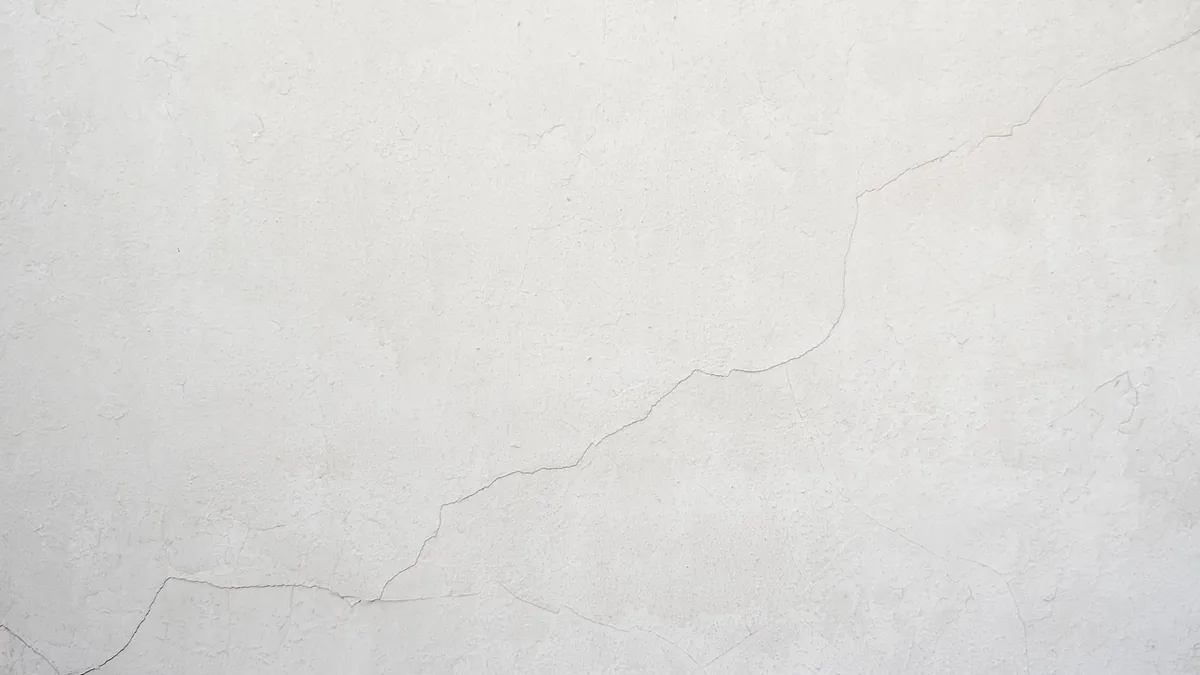
In contrast, a concrete crack sealant is specifically engineered to fill and seal individual cracks. Its formulation prioritizes adhesion to the crack’s edges, flexibility to accommodate concrete movement, and resistance to further crack propagation. These products are typically thicker, more elastic, and designed for targeted application within the void of a crack, rather than as a broad surface treatment. Their primary function is to prevent water from entering through a specific fissure, whereas a general waterproof sealant aims to prevent water from entering into the concrete matrix itself. For instance, a concrete driveway with a network of hairline cracks might benefit from a general waterproof coating to protect the entire surface, while a single, larger crack in that same driveway would require a dedicated crack sealant.
The practical implications of this difference are significant. Applying a thin, general waterproof coating to a substantial crack may not provide adequate sealing or flexibility, potentially leading to continued water ingress. Conversely, using a thick, crack-filling sealant across an entire concrete slab would be impractical, costly, and likely result in an uneven, unsightly finish, and may not offer the same comprehensive protection against surface absorption.
Shared Benefits and Overlaps
Despite their distinct primary applications, both general waterproof sealants for concrete and specific concrete crack sealants share fundamental benefits. The overarching goal for both is to prevent water from reaching and damaging the concrete substrate. This protection translates into several advantages:
- Preventing Freeze-Thaw Damage: In colder climates, water absorbed into concrete can freeze, expand, and cause spalling, cracking, and surface deterioration. Both types of sealants mitigate this by limiting water penetration. A waterproof coating reduces the amount of water available to freeze within the concrete’s pores, while a crack sealant prevents water from pooling and freezing within the crack itself.
- Inhibiting Mold and Mildew Growth: Damp concrete surfaces are fertile ground for mold and mildew. By keeping surfaces drier, both sealants help to create an environment less conducive to these growths, which is particularly crucial in basements or other enclosed spaces.
- Reducing Efflorescence: Efflorescence, the white, powdery residue seen on concrete surfaces, occurs when water dissolves salts within the concrete and then evaporates, leaving the salts behind. By blocking water movement, sealants, whether applied broadly or to specific cracks, can significantly reduce or prevent this aesthetic issue.
- Enhancing Durability and Lifespan: By protecting concrete from the destructive effects of water, both types of sealants contribute to the material’s overall longevity. This means fewer repairs, less deterioration, and a longer service life for concrete structures and surfaces.
- Improving Appearance: Beyond protection, many waterproof coatings and crack sealants can enhance the visual appeal of concrete by providing a uniform finish, preventing stains, and maintaining the material’s original look. Some coatings also come with decorative finishes or tints.
While a general waterproof sealant offers broad protection against surface absorption, it can also offer some minor crack protection if the cracks are hairline and non-moving. Similarly, a high-quality crack sealant, while focused on specific fissures, inherently provides waterproofing within that localized area. The overlap lies in their shared objective of water management for concrete, even if their methods and scales of application differ. For instance, a basement wall treated with a comprehensive waterproof coating will be protected from general dampness, but any existing structural cracks would still require the targeted intervention of a dedicated crack sealant for complete water stoppage.
When Waterproof Sealant for Concrete May Be a Better Fit
A broad-application waterproof sealant for concrete, often applied as a coating or penetrating treatment, is generally a better fit for scenarios where the primary concern is preventing widespread moisture absorption across an entire surface, or where minor, non-structural imperfections are present.
Consider the following situations:
- New Concrete Installations: For newly poured concrete slabs, walls, or patios, applying a waterproof coating acts as a proactive measure. It seals the inherent porosity of the concrete from the outset, preventing future water intrusion and related issues like efflorescence, staining, and freeze-thaw damage. This is particularly relevant for outdoor concrete paths and driveways exposed to the elements.
- Basement Walls and Floors (General Dampness): If a basement experiences general dampness, musty odors, or minor efflorescence without clear, active leaks from specific cracks, a basement wall sealant or floor coating can be highly effective. These coatings create a barrier that prevents ambient moisture from penetrating the concrete, improving indoor air quality and preventing mold growth. This is about managing overall humidity and moisture ingress, not stopping a gushing leak from a major crack.
- Garage Floors and Workshops: These areas often face spills, oil drips, and general wear. A waterproof concrete coating not only protects against water but can also provide resistance to chemicals, stains, and abrasion, making cleanup easier and extending the floor’s life. The goal here is broad surface protection.
- Outdoor Concrete Patios, Pool Decks, and Walkways: These surfaces are constantly exposed to rain, snow, and UV radiation. A comprehensive outdoor concrete sealant, typically a topical waterproof coating, protects against weathering, prevents water absorption that leads to freeze-thaw damage, and helps maintain the aesthetic appeal by resisting algae and mildew growth.
- Improving Concrete Appearance and Cleanability: Many waterproof coatings offer aesthetic benefits, such as a glossy finish, color enhancement, or a matte look. They also make surfaces easier to clean by creating a non-porous barrier that prevents dirt and grime from embedding into the concrete.
- Pre-existing Hairline Cracks (Non-Moving): While not a crack repair solution, some penetrating waterproof sealants can effectively fill very fine, static hairline cracks (less than 1/16 inch wide) by reducing the concrete’s overall permeability. However, for any crack showing movement or significant width, a dedicated crack sealant is necessary.
In essence, if the problem is widespread surface porosity, general dampness, or preventative protection for a large area, a comprehensive waterproof sealant for concrete is the appropriate choice. It treats the concrete as a whole, rather than focusing on isolated defects.
When Concrete Crack Sealant May Be a Better Fit
Concrete crack sealant is specifically formulated and best suited for situations where water is actively entering or is likely to enter through distinct, visible cracks in concrete. Its strength lies in its ability to fill voids, bond to the crack edges, and often, maintain flexibility to accommodate concrete movement.
Consider these scenarios:
- Active Leaks from Specific Cracks: If water is visibly seeping or pouring through a distinct crack in a basement wall, foundation, or floor, a targeted concrete crack sealant is essential. These products are designed to create a watertight seal within the crack itself, stopping the flow of water at its source. For instance, a basement wall sealant specifically designed for cracks will be much more effective than a general coating in this situation.
- Structural Cracks: Cracks that are wider than hairline (e.g., 1/8 inch or more), show evidence of movement (widening or narrowing over time), or extend through the full thickness of the concrete usually indicate structural issues or significant stress. These require a robust, flexible crack sealant that can bridge the gap and maintain its integrity despite concrete expansion and contraction.
- Foundation Cracks: Any crack in a building’s foundation, whether in a basement or crawl space, is a critical point of water entry. These often require specialized crack injection sealants (e.g., polyurethane or epoxy) that can penetrate deep into the crack and form a durable, waterproof bond.
- Expansion Joints and Control Joints: While not technically “cracks,” these engineered separations in concrete slabs (like driveways or patios) also require sealing to prevent water infiltration. Flexible concrete crack sealants are often used to fill these joints, protecting the sub-base from water damage and preventing weed growth.
- Repairing Damaged Concrete Before Coating: If a concrete surface, such as a garage floor or patio, has significant cracks that need to be addressed before a general waterproof coating is applied, the crack sealant should be used first. The crack sealant provides the necessary structural and waterproofing repair to the individual crack, and then the waterproof coating can be applied over the entire surface for comprehensive protection.
- Targeted Repair for Outdoor Concrete: For outdoor concrete paths or steps with isolated, larger cracks, a concrete crack sealant offers a precise and effective repair without the need to treat the entire surface. This is more economical and practical for localized damage.
In these cases, the problem is not general porosity but a specific breach in the concrete’s integrity. A crack sealant provides the necessary material to fill that breach, often with properties like elasticity or high tensile strength, that a general waterproof coating cannot offer for larger or moving cracks.
How to Choose Based on Goals and Context
Selecting the right product – either a general waterproof sealant for concrete or a specific concrete crack sealant – hinges entirely on understanding the nature of the problem, the specific application, and your desired outcome. It’s not always an either/or decision; sometimes, both are necessary in combination.
Here’s a breakdown to guide your choice:
| Factor | General Waterproof Sealant (Coating/Penetrating) | Concrete Crack Sealant (Filler/Injection) |
|---|---|---|
| Primary Problem | Widespread porosity, general dampness, surface protection, aesthetic enhancement. | Specific, visible cracks, active leaks, structural breaches, expansion joints. |
| Area of Concern | Entire surface (e.g., basement floor, patio, driveway, wall). | Individual cracks, joints, or localized weak points. |
| Crack Type | Hairline, static, very fine (less than 1/16 inch), or no cracks. | Wider (1/16 inch+), moving, active leaking, structural. |
| Application | Roller, sprayer, brush (broad coverage). | Caulk gun, injection kit, trowel (targeted application). |
| Desired Outcome | Overall water repellency, stain resistance, freeze-thaw protection, appearance. | Stopping specific leaks, preventing crack propagation, structural integrity. |
| Example Use | Sealing a new concrete basement floor, protecting an outdoor patio from weather. | Repairing a leaking foundation crack, filling a large driveway crack. |
| Cost Efficiency | Cost-effective for large areas needing general protection. | Cost-effective for targeted repairs of specific issues. |
| Flexibility | Varies; some coatings offer minor flexibility. | Often highly flexible to accommodate concrete movement. |
Consider these questions when making your choice:
What is the source of the water problem?
- Is it general dampness permeating through an entire concrete slab or wall? (Leans towards waterproof coating)
- Is water actively flowing or seeping through a specific, visible crack? (Leans towards crack sealant)
What is the condition of the concrete?
- Is the concrete relatively sound with no major cracks, but you want to protect it from future damage or general moisture? (Waterproof coating)
- Are there existing, significant cracks that need to be addressed individually? (Crack sealant)
What is the location of the concrete?
- Basement Walls/Floors: For overall dampness, a basement wall sealant (coating) for the entire surface. If specific cracks are leaking, use a dedicated basement crack sealant first.
- Outdoor Paths/Driveways: For general weather protection and preventing widespread freeze-thaw damage, an outdoor concrete sealant (coating). For larger, individual cracks, a specific concrete crack sealant.
- Garage Floors: For stain and general moisture protection, a waterproof coating. If there are deep control joint cracks or structural cracks, use a crack sealant first.
Are you looking for preventative or remedial action?
- Preventative: Often achieved with a general waterproof sealant on new or undamaged concrete.
- Remedial: If a problem (like a leak) already exists, a crack sealant is usually the immediate solution.
Combination Approach: In many real-world scenarios, the most effective solution involves a combination of both. For example, if a basement has a leaking foundation crack, you would first use a robust concrete crack sealant to stop the leak. Once that’s cured, you might then apply a general basement wall sealant (waterproof coating) to the entire wall to provide comprehensive protection against general moisture and improve the overall appearance. This layered approach addresses both specific breaches and general porosity, offering the most thorough defense against water. Always ensure the crack sealant is compatible with the waterproof coating if applying both.
Frequently Asked Questions
What is waterproof sealant for concrete?
Waterproof sealant for concrete is a product designed to prevent water from penetrating concrete surfaces. It creates a barrier that repels moisture, protecting the concrete from damage caused by water absorption, such as freeze-thaw cycles, efflorescence, staining, and mold growth. These sealants can be topical coatings that sit on the surface, or penetrating sealants that soak into the concrete’s pores. They are typically applied to broad areas like basement floors, garage floors, patios, and walls to provide general moisture protection.
How does waterproof sealant for concrete compare with alternatives?
Waterproof sealant for concrete primarily competes with other forms of moisture control for concrete. Compared to diluted sealers (which offer minimal protection), waterproof sealants provide a much more robust and durable barrier against water. Compared to raw, untreated concrete, which is inherently porous, a waterproof sealant drastically reduces water absorption and its associated problems. For specific leaks, a general waterproof sealant differs from concrete crack sealants (as discussed above) by focusing on broad surface protection rather than targeted crack repair. Another alternative for exterior applications might be drainage systems (e.g., French drains), which divert water away from concrete structures altogether. While drainage is critical, sealants provide direct protection to the concrete itself, acting as a last line of defense against any moisture that reaches the surface.
What are the most common mistakes people make with waterproof sealant for concrete?
The most common mistakes when using waterproof sealant for concrete often stem from improper preparation, misapplication, or choosing the wrong product for the job. These include:
- Insufficient Surface Preparation: Applying sealant to a dirty, dusty, or greasy surface will prevent proper adhesion and compromise its effectiveness. Concrete must be thoroughly cleaned, dried, and sometimes etched or ground before application.
- Ignoring Existing Cracks: Applying a general waterproof coating over active, leaking, or moving cracks will not stop the water. These cracks require specific concrete crack sealants before the general coating is applied.
- Incorrect Product Selection: Using a surface coating when a penetrating sealant is needed, or vice-versa, can lead to poor performance. Similarly, using a general sealant for a major crack, or a crack sealant for broad surface protection, is a common error.
- Applying to Damp Concrete: Most sealants require a completely dry surface for optimal adhesion and curing. Applying to damp concrete can trap moisture, leading to bubbling, poor bonding, and premature failure.
- Improper Application Thickness/Coverage: Applying too thin a coat may not provide adequate protection, while too thick a coat can lead to uneven drying, peeling, or a slippery surface. Following manufacturer instructions for coverage rates is crucial.
- Lack of Curing Time: Not allowing the sealant to cure fully before exposing it to water, traffic, or heavy use will significantly reduce its lifespan and effectiveness.
- Ignoring Temperature and Humidity: Extreme temperatures or high humidity during application can affect the sealant’s curing process, leading to a compromised finish and reduced performance.
Conclusion
Protecting concrete from water is a fundamental aspect of maintaining its integrity and longevity, whether it’s a basement wall, an outdoor patio, or a foundation. The choice between a general waterproof sealant for concrete and a specific concrete crack sealant is not trivial; it depends on the precise nature of the water problem and the condition of the concrete. For widespread porosity, general dampness, and preventative measures across large surfaces, a comprehensive waterproof coating is typically the answer. However, for targeted issues like active leaks from distinct cracks, movement within fissures, or the need to fill expansion joints, a dedicated concrete crack sealant is indispensable. Often, the most effective solution involves a strategic combination of both, addressing individual breaches with specialized products before applying a broader protective layer. Understanding these distinctions ensures that the concrete receives the appropriate treatment, leading to lasting protection and peace of mind.
DIY safety disclaimer
Home Leak Fix publishes general DIY information for homeowners. Water intrusion can involve structural, electrical, height, mould, or insurance risks. Use proper safety equipment, follow local building rules, and call a qualified professional when a repair is unsafe, unclear, or beyond your experience.