Addressing water intrusion in a home often comes down to selecting the right waterproof sealant. These materials are designed to create a barrier against moisture, protecting various building components from damage. While the basic function of preventing water penetration remains consistent, the specific formulations and application methods vary significantly depending on the surface and environmental conditions. Understanding these differences is crucial for effective and lasting home repairs, whether you’re dealing with a leaky roof, a cracked foundation, or deteriorating window frames.
Understanding Waterproof Sealants for Home Repairs
Waterproof sealants for home repair encompass a broad category of products designed to prevent water ingress into a structure. Their primary role is to fill gaps, cracks, and joints in various materials, creating a flexible, impermeable barrier. These sealants differ from general-purpose caulks in their composition, which is specifically engineered for superior water resistance and durability in exposed environments.
The practical implications of choosing the right sealant are significant. Using an unsuitable product can lead to premature failure, requiring repeat repairs and potentially causing further water damage. For instance, a sealant designed for interior use might degrade rapidly when exposed to UV light and temperature fluctuations outdoors. Similarly, a rigid sealant applied to a joint that experiences movement could crack and lose its effectiveness. The trade-offs often involve balancing flexibility, adhesion to specific substrates, cure time, and resistance to environmental factors like UV radiation, temperature extremes, and chemical exposure.
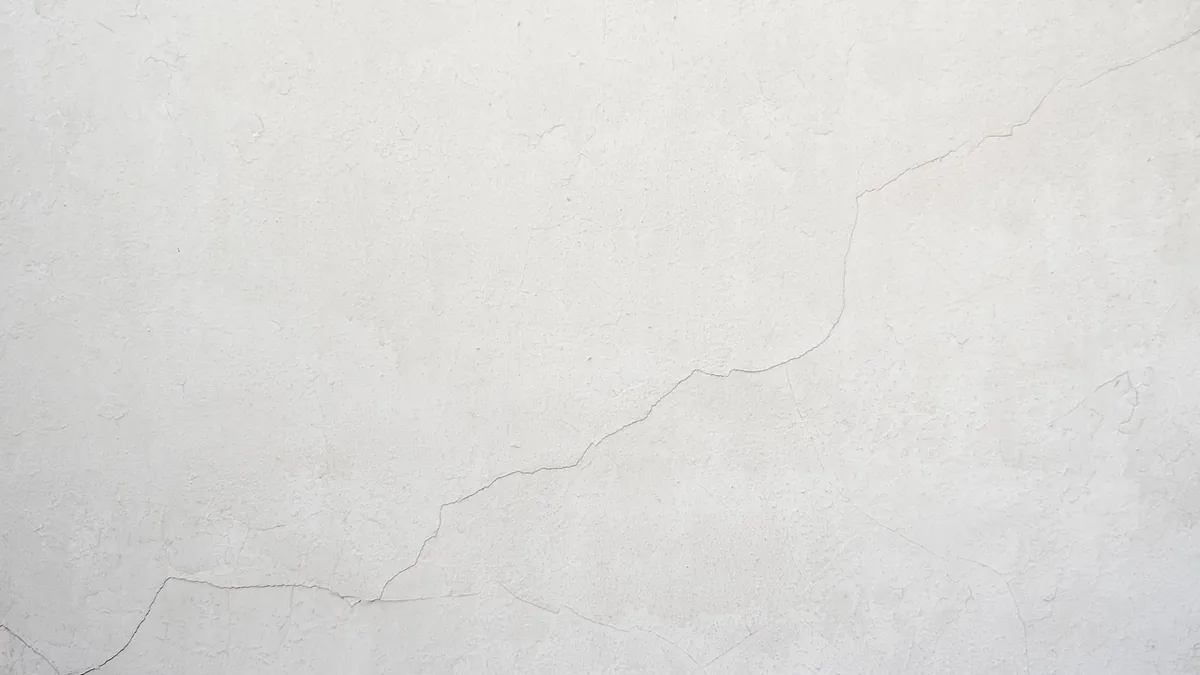
Consider a common scenario: a hairline crack in a concrete foundation. A general-purpose acrylic caulk might fill the crack, but its limited elasticity means it could reopen with the natural expansion and contraction of the concrete, allowing water to seep in. A specialized polyurethane or silicone concrete sealant, on the other hand, would offer the necessary flexibility and strong adhesion to withstand these movements, providing a more durable waterproof barrier. This highlights the need to match the sealant’s properties to the specific demands of the repair.
Shared Benefits and Overlaps
Despite their specialized applications, various waterproof sealants share fundamental benefits. All are intended to prevent water penetration, which in turn protects structural integrity, prevents mold and mildew growth, and extends the lifespan of building materials. They achieve this by forming a continuous, non-porous barrier over or within a substrate.
Many sealants, regardless of their specific end-use, offer a degree of flexibility. This is critical because most building materials expand and contract with temperature changes and settle over time. A rigid sealant would eventually crack under such stress, compromising its waterproof capabilities. Good adhesion to a variety of surfaces is another common trait, though the strength and type of adhesion can differ greatly. For example, a silicone sealant might adhere exceptionally well to glass and smooth metals, while a polyurethane might be better suited for porous concrete or wood.
Additionally, many exterior waterproof sealants share resistance to common environmental stressors. This includes UV radiation from sunlight, which can break down the chemical bonds in some materials, making them brittle or chalky. They also often resist extreme temperatures, maintaining their flexibility and adhesion in both freezing and scorching conditions. The ability to withstand moisture, not just block it, is inherent; they won’t degrade or wash away when constantly wet.
For instance, a high-quality exterior waterproof sealant used around a window frame shares some characteristics with a roof sealant. Both need strong adhesion, UV resistance, and flexibility to accommodate movement. However, the roof sealant might be engineered for more extreme thermal cycling and ponding water conditions, while the window sealant might prioritize paintability and aesthetic finish. The overlap lies in their core function of creating a durable, weather-resistant seal, but their specific performance envelopes diverge based on the demands of their primary application.
When General Waterproof Sealant for Home Repair May Be a Better Fit
The term “waterproof sealant for home repair” often refers to versatile, multi-purpose products suitable for a range of smaller, less specialized tasks around the home. These sealants are typically user-friendly, readily available, and effective for many common leaks and gaps.
General-purpose waterproof sealants are often a good fit for:
- Window and Door Frame Sealing: For sealing gaps between window or door frames and the exterior siding. These areas require a sealant that can adhere well to multiple substrates (e.g., vinyl, wood, aluminum, concrete) and withstand moderate movement. Acrylic latex with silicone, or general-purpose silicone sealants, are often used here due to their good adhesion, flexibility, and paintability (for acrylic latex).
- Small Cracks in Siding or Trim: Minor cracks in exterior wood or vinyl siding that aren’t subject to significant structural movement. A flexible, paintable sealant can prevent water intrusion and improve aesthetics.
- Flashing Repairs (Non-Roof Critical): Sealing around flashing on chimneys, vents, or wall penetrations where the primary waterproofing is handled by the flashing itself, and the sealant acts as a secondary barrier.
- Bathroom and Kitchen Sealing: While not strictly “exterior home repair,” many general waterproof sealants (especially silicone-based ones) are excellent for sealing around sinks, tubs, and showers due to their water resistance and mold-inhibiting properties.
- Gutter Seams: For smaller, non-structural seam repairs in metal or vinyl gutters. A sealant with good adhesion to these materials and resistance to standing water is important.
The practical implications here are convenience and cost-effectiveness for minor repairs. Instead of stocking multiple specialized products, a homeowner can often tackle several different tasks with one tube of a high-quality general exterior waterproof sealant. However, the trade-off is often a slightly lower performance ceiling compared to highly specialized products. For instance, while a general silicone sealant might work on a gutter seam, a dedicated gutter sealant might offer superior adhesion to specific metals and better resistance to chemical corrosion from debris. It’s about matching the sealant’s capabilities to the anticipated stress and longevity requirements of the repair.
When Specialized Sealants Are a Better Fit
While general waterproof sealants have their place, many home repair scenarios demand products tailored for specific materials and environmental conditions. These specialized sealants offer enhanced performance where standard options might fail.
Let’s examine situations where specific types of sealants are preferred:
Roof Sealants
Roof sealants are engineered to withstand the harshest conditions a home faces: constant UV exposure, extreme temperature fluctuations, heavy rain, snow, and sometimes even standing water. They need exceptional adhesion to roofing materials (asphalt shingles, metal, EPDM, TPO), superior flexibility, and long-term durability.
- When to Use:
- Flashing repair: Sealing around chimneys, skylights, vents, and any area where different roofing planes or materials meet. These are common leak points.
- Small punctures or tears: Patching minor damage in roofing membranes or shingles.
- Sealing seams on flat roofs: Particularly for EPDM or TPO membrane roofs, where specific sealants are designed to bond to the membrane material.
- Emergency leak repair: Some roof sealants are designed for application in wet conditions, offering immediate, temporary relief until a more permanent repair can be made.
- Why they are a better fit: Roof sealants often contain asphaltic or rubberized compounds that offer superior waterproofing and flexibility in extreme temperatures. They are designed to expand and contract with the roof structure without cracking or losing adhesion. Many have high solids content for robust film build and exceptional UV resistance to prevent degradation under constant sun exposure. Standard sealants would quickly break down or lose adhesion on a roof.
Gutter Sealants
Gutter systems are designed to channel water away from the house, but their seams and joints are vulnerable to leaks. Gutter sealants need to adhere well to metals (aluminum, steel, copper) or vinyl, remain flexible, and resist standing water and debris.
- When to Use:
- Sealing gutter seams: The most common application, preventing leaks where gutter sections join or where end caps are installed.
- Downspout connections: Sealing the connection points between gutters and downspouts.
- Repairing small holes or cracks: Patching minor damage to the gutter trough.
- Why they are a better fit: Gutter sealants are formulated for strong, long-lasting adhesion to common gutter materials, which can be challenging for some general sealants due to their smooth, non-porous surfaces. They maintain flexibility to accommodate expansion and contraction from temperature changes, preventing cracks in the seal. Many are also resistant to mildew and algae growth that can occur in damp gutter environments. Some include specific solvents to bite into metal surfaces for a stronger bond.
Concrete Sealants
Concrete is a porous material prone to cracking due to settling, freeze-thaw cycles, and heavy loads. Concrete sealants must be highly durable, flexible, and capable of bonding firmly to mineral substrates, often in damp or dusty conditions.
- When to Use:
- Foundation crack repair: Sealing vertical or horizontal cracks in basement walls or slabs to prevent water ingress.
- Driveway and sidewalk joint sealing: Filling expansion joints to prevent water from undermining the sub-base and to deter weed growth.
- Sealing around concrete patios or steps: Preventing water from seeping underneath and causing erosion or freeze-thaw damage.
- Repairing concrete block walls: Sealing mortar joints or cracks in blocks.
- Why they are a better fit: Concrete sealants (often polyurethane or specialized silicones) are designed to penetrate porous surfaces and form a strong, lasting bond. They offer high elasticity to accommodate the significant movement and stress concrete experiences. Many are also abrasion-resistant, suitable for high-traffic areas like driveways, and resistant to chemicals like road salts. Their robust formulation ensures they won’t simply wash out or crack under the weight and movement of concrete.
Wood Sealants
Wood, especially exterior wood, is susceptible to rot, decay, and insect damage when exposed to moisture. Wood sealants protect joints and gaps while often being paintable or stainable for aesthetic integration.
- When to Use:
- Sealing gaps in siding or trim: Preventing water from penetrating behind wood siding, fascia boards, or window trim.
- Deck and fence post bases: Sealing around the base of posts where they meet concrete or soil to prevent moisture wicking.
- Repairing rotted wood (after removal of damaged material): Sealing new wood patches into existing structures.
- Log home chinking/sealing: Specialized sealants are used for the large gaps between logs.
- Why they are a better fit: Wood sealants often have excellent adhesion to wood and are flexible enough to move with wood’s natural expansion and contraction due to moisture absorption. Many are paintable or stainable, crucial for maintaining the appearance of painted or stained wood surfaces. Some formulations contain fungicides or mildewcides to resist biological growth. Acrylic latex with silicone, or specialized elastomeric sealants, are common for wood.
Metal Sealants
Metal surfaces, while inherently non-porous, require sealants that adhere strongly to smooth, often oily surfaces and can withstand thermal expansion and contraction without losing their bond. Corrosion resistance is also key.
- When to Use:
- HVAC ductwork: Sealing seams and joints in metal ductwork to prevent air and moisture leaks.
- Metal roofing fasteners and seams: Sealing around screws and panel overlaps on metal roofs.
- Trailer or RV body seams: Sealing joints in metal panels to prevent water intrusion.
- Metal flashing: Sealing joints in architectural metal flashing around windows or parapet walls.
- Why they are a better fit: Metal sealants (often silicone, polyurethane, or butyl-based) are formulated for superior adhesion to various metals, including galvanized steel, aluminum, and copper, without promoting corrosion. They offer high flexibility to accommodate the significant thermal expansion and contraction of metal. Many are UV resistant and can withstand harsh exterior conditions without degrading. Some are specifically designed to be non-corrosive to sensitive metals.
How to Choose Based on Goals and Context
Selecting the appropriate waterproof sealant requires a systematic approach, considering the material, location, environmental exposure, and desired longevity of the repair.
Here’s a breakdown of key considerations:
1. Identify the Substrate Material(s)
This is perhaps the most critical factor. Different sealants are formulated to bond optimally with specific materials.
- Porous materials (Concrete, Masonry, Wood): These require sealants that can penetrate slightly and form a strong mechanical and chemical bond. Polyurethane and specialized silicone sealants are often excellent choices.
- Non-porous materials (Metal, Glass, PVC, Vinyl): These need sealants with strong adhesive properties that “stick” well to smooth surfaces. Silicone and some butyl or polysulfide sealants perform well here.
- Mixed materials: For joints between, say, wood and metal, or concrete and PVC, choose a sealant specifically rated for multi-material adhesion.
2. Assess the Location and Environmental Exposure
- Exterior vs. Interior: Exterior sealants need UV resistance, temperature stability, and resistance to rain, snow, and wind. Interior sealants might prioritize low VOCs, paintability, and mold resistance (e.g., in bathrooms).
- Movement in the Joint: Joints that experience significant expansion and contraction (e.g., large concrete slabs, roof seams, window perimeters) require highly flexible, elastomeric sealants. Low-movement joints can sometimes use less flexible options.
- Water Exposure: Is it occasional splash, constant dampness, or standing water (e.g., gutters, flat roofs)? The sealant must be able to withstand the specific level of moisture. For continuous water immersion, specific underwater-grade sealants might be necessary.
- Temperature Extremes: Will the sealant be exposed to freezing winters or scorching summers? Its flexibility and adhesion capabilities must remain stable across the anticipated temperature range.
3. Consider the Desired Performance and Longevity
- Durability: How long do you want the repair to last? A temporary patch might use a less robust sealant, while a long-term structural repair demands a high-performance product.
- Paintability/Stainability: If the sealant needs to match a painted or stained surface, ensure it’s explicitly labeled as paintable or stainable. Most silicones are not paintable.
- Cure Time: How quickly does the sealant need to cure? Some applications (e.g., a roof during an impending rainstorm) might require a fast-curing product.
- Special Properties: Do you need mold resistance (bathrooms), chemical resistance (industrial areas), or high abrasion resistance (driveways)?
4. Consult Product Specifications
Always read the product label and technical data sheet. These will specify:
- Recommended Substrates: Lists the materials the sealant is designed to bond with.
- Temperature Range: Both for application and for service.
- Cure Time: How long it takes to skin over and fully cure.
- VOC Content: Important for indoor air quality.
- Shelf Life: How long an unopened tube can be stored.
Comparison Table: Common Sealant Types and Their Best Uses
| Sealant Type | Best For | Key Characteristics | Limitations |
|---|---|---|---|
| Acrylic Latex (w/ or w/o Silicone) | Interior/exterior window/door frames, small gaps in siding, trim. | Paintable, easy to clean with water, good adhesion to porous surfaces, moderate flexibility. | Limited flexibility, not ideal for high-movement joints or constant water exposure, lower durability. |
| 100% Silicone | Glass, metal, tile, plumbing fixtures, non-porous surfaces. | Excellent flexibility, superior water resistance, UV stable, long-lasting, mold/mildew resistant. | Not paintable, difficult to clean up, can be challenging to remove, poor adhesion to some porous surfaces. |
| Polyurethane | Concrete, masonry, wood, metal (structural joints, heavy-duty applications). | High strength, excellent adhesion, high flexibility, abrasion-resistant, paintable (often after priming), good for high-movement joints. | Slower cure time, can be harder to work with, UV degradation (some types), requires clean surfaces. |
| Butyl Rubber | Metal roofing, gutters, RVs, flashing, lap joints. | Excellent water resistance, good adhesion to metals, very flexible (remains tacky), good for non-moving parts. | Not paintable, can be messy, limited structural strength, often used as a tape or bead, not for aesthetic. |
| Elastomeric (e.g., Styrene-Butadiene Rubber) | Roofs, foundations, large gaps with movement. | High flexibility, bridges larger gaps, good adhesion, forms a thick, durable membrane. | Often not paintable, can be challenging to apply evenly, specialized formulations. |
By systematically evaluating these factors, you can move beyond generic claims and select a waterproof sealant that is genuinely fit for purpose, ensuring a durable and effective repair.
Frequently Asked Questions
What is waterproof sealant for home repair?
Waterproof sealant for home repair is a material designed to prevent water from penetrating gaps, cracks, and joints in various building components. It forms a flexible, impermeable barrier that protects against moisture damage, rot, mold, and structural deterioration. These sealants are distinct from general caulks due to their specialized formulations for superior water resistance and durability in exposed conditions.
How does waterproof sealant for home repair compare with alternatives?
When comparing waterproof sealants with alternatives like general-purpose caulk or expanding foam, the key difference lies in their primary function and durability.
- General-purpose caulk (e.g., acrylic latex): While some acrylic caulks have limited water resistance, they are generally less flexible, less durable, and more prone to cracking and shrinking when exposed to outdoor elements or significant joint movement. They are often paintable and easier to clean, making them suitable for interior, low-moisture areas or temporary exterior fixes. Waterproof sealants, by contrast, are specifically engineered for long-term water exclusion in demanding environments.
- Expanding foam: Expanding foam is excellent for filling large voids and providing insulation, but it is not inherently a waterproof sealant in the same way. While it can block air and some moisture, its cellular structure can absorb water, and it often requires a waterproof coating or sealant over it to truly prevent water ingress, especially in exposed areas. Its primary role is gap filling and insulation, not creating a flexible, impermeable, surface-adhering barrier.
- Waterproof membranes: These are typically sheet-like materials applied over a large area (e.g., shower walls, foundations, roofs) to create a continuous waterproof layer. While highly effective, they are a different class of product used for broader coverage rather than filling specific joints or cracks, which is the domain of sealants. Sealants often complement membranes by sealing their edges or penetrations.
In essence, waterproof sealants offer a dedicated, durable, and flexible solution for creating a moisture barrier in specific points of vulnerability, where general caulks would fail and other alternatives like foam or membranes serve different primary purposes.
What are the most common mistakes people make with waterproof sealant for home repair?
Several common mistakes can compromise the effectiveness and longevity of a waterproof sealant repair:
- Improper Surface Preparation: This is arguably the most frequent error. Applying sealant to dirty, dusty, greasy, or wet surfaces significantly reduces adhesion. The surface must be clean, dry, and free of loose material for the sealant to bond properly.
- Choosing the Wrong Sealant: Using a sealant not suited for the specific material (e.g., silicone on concrete where polyurethane might be better) or environment (e.g., interior caulk outdoors) will lead to premature failure. Not checking for paintability is also a common oversight.
- Applying Too Much or Too Little Sealant: An excessive bead doesn’t improve performance and can look messy. Insufficient sealant won’t fill the gap adequately or provide the necessary thickness for durability and flexibility. Follow manufacturer recommendations for bead size.
- Not Tooling the Bead: Properly tooling (smoothing) the sealant bead immediately after application ensures good contact with both sides of the joint, eliminates air pockets, and creates a neat, professional finish. Without tooling, the sealant may not fully adhere or may create channels for water.
- Applying in Unsuitable Conditions: Applying sealant in extreme heat, cold, or when rain is imminent can affect its cure time and adhesion. Most sealants have an optimal temperature range for application.
- Ignoring Joint Movement: Joints that experience significant movement (e.g., expansion joints in concrete, building material transitions) require highly flexible sealants. Using a rigid sealant in such a joint will cause it to crack and fail quickly.
- Not Removing Old Sealant: Applying new sealant directly over old, degraded sealant often results in poor adhesion and a compromised seal. Old sealant should be thoroughly removed, and the surface cleaned before applying new material.
- Rushing the Cure Time: Not allowing the sealant to fully cure before exposing it to water, stress, or paint can lead to adhesion failure, cracking, or smudging. Always respect the manufacturer’s specified cure times.
Avoiding these common pitfalls will significantly increase the chances of a successful and long-lasting waterproof repair.
Conclusion
Effective waterproof sealing is a critical aspect of home maintenance and repair, directly impacting a home’s durability and comfort. The landscape of waterproof sealants is diverse, with formulations specifically engineered for the unique demands of roofs, gutters, concrete, wood, and metal. While general-purpose options exist for minor tasks, understanding the specialized properties of different sealants—such as adhesion to specific substrates, flexibility, UV resistance, and temperature stability—is paramount. By carefully considering the material, location, environmental exposure, and desired longevity of a repair, homeowners can select the most appropriate sealant, ensuring a durable, effective barrier against water intrusion and protecting their investment for years to come.
DIY safety disclaimer
Home Leak Fix publishes general DIY information for homeowners. Water intrusion can involve structural, electrical, height, mould, or insurance risks. Use proper safety equipment, follow local building rules, and call a qualified professional when a repair is unsafe, unclear, or beyond your experience.