Waterproofing a stone foundation, especially in older European homes, presents unique challenges compared to modern construction. These difficulties arise from historical materials and building techniques, which often react unfavorably with contemporary waterproofing approaches. Recognizing these differences is essential when addressing dampness or water penetration in a heritage foundation.
Key Differences Between Waterproofing Stone Foundation and Old Stone Basement Damp
Addressing water issues in an old stone basement, often characterized by general dampness, differs significantly from the targeted intervention implied by “waterproofing a stone foundation.” The distinction lies not just in terminology but in approach, materials, and potential consequences.
“Waterproofing a stone foundation” generally means establishing an impermeable barrier to block water from entering a basement or crawl space. This usually involves applying modern sealants, membranes, or coatings to the foundation’s exterior (which requires excavation) or interior surfaces. The aim is to completely stop water intrusion, often to achieve a dry, conditioned space. This method is standard and effective for modern concrete foundations, given that concrete is a relatively homogeneous and non-porous material.
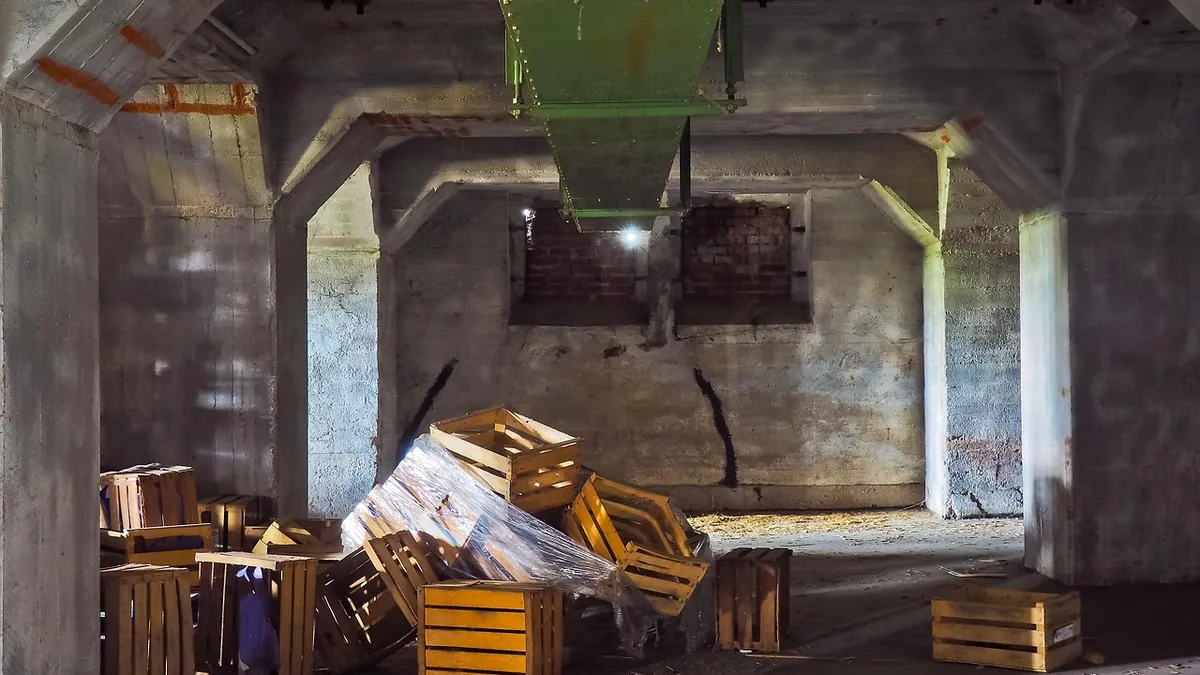
However, older European stone foundations, particularly those constructed before the 20th century, were rarely designed to be completely watertight in the modern sense. Their construction relied on different principles:
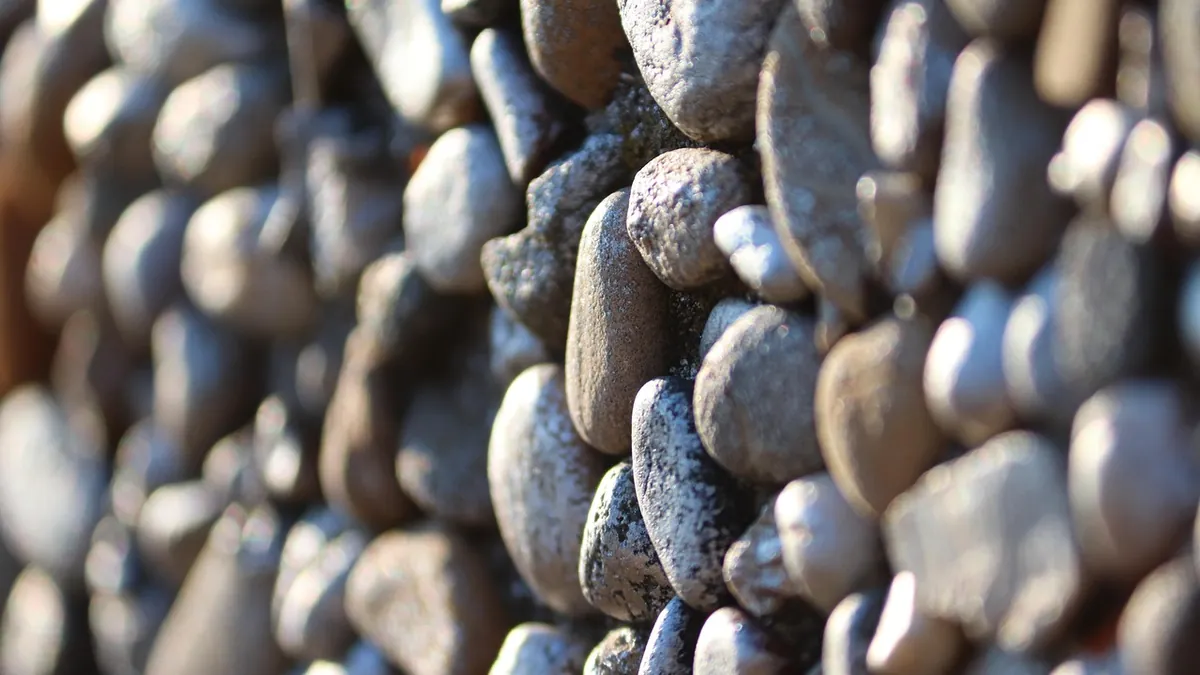
- Materials: These foundations are typically built from irregular stones, rubble, or brick, bound together with lime mortar. Lime mortar is a crucial distinction. Unlike modern Portland cement, lime mortar is “breathable” or vapor-permeable. It allows moisture to pass through it slowly, evaporating from the surface. This breathability helps manage moisture without trapping it within the wall structure, which can lead to deterioration.
- Drainage: Many older homes lacked sophisticated external drainage systems. Instead, they relied on the ground’s natural ability to absorb water and the foundation’s inherent breathability to manage any moisture that did penetrate. Basements were often intended as cool, damp storage areas, not dry living spaces.
- Movement: Old stone foundations, especially those built on reactive clay soils, can exhibit minor, natural movements over time. Lime mortar’s flexibility accommodates this better than rigid cementitious materials.
When modern waterproofing techniques are applied to these older structures, several issues can arise:
- Trapped Moisture: Applying an impermeable barrier (like a cement-based render or synthetic membrane) to the interior or exterior of a breathable lime mortar foundation can trap moisture within the stone and mortar. This moisture, unable to evaporate, can lead to:
- Accelerated Mortar Decay: Constant saturation can cause lime mortar to degrade faster, turning it soft and crumbly.
- Stone Deterioration: Some softer stones (like sandstone or chalk) can suffer from freeze-thaw cycles if saturated, leading to spalling (flaking) or cracking.
- Increased Internal Dampness: Paradoxically, trapping moisture externally can push it inward through any unsealed areas, or force it to rise higher through the walls via capillary action (rising damp), seeking an escape route.
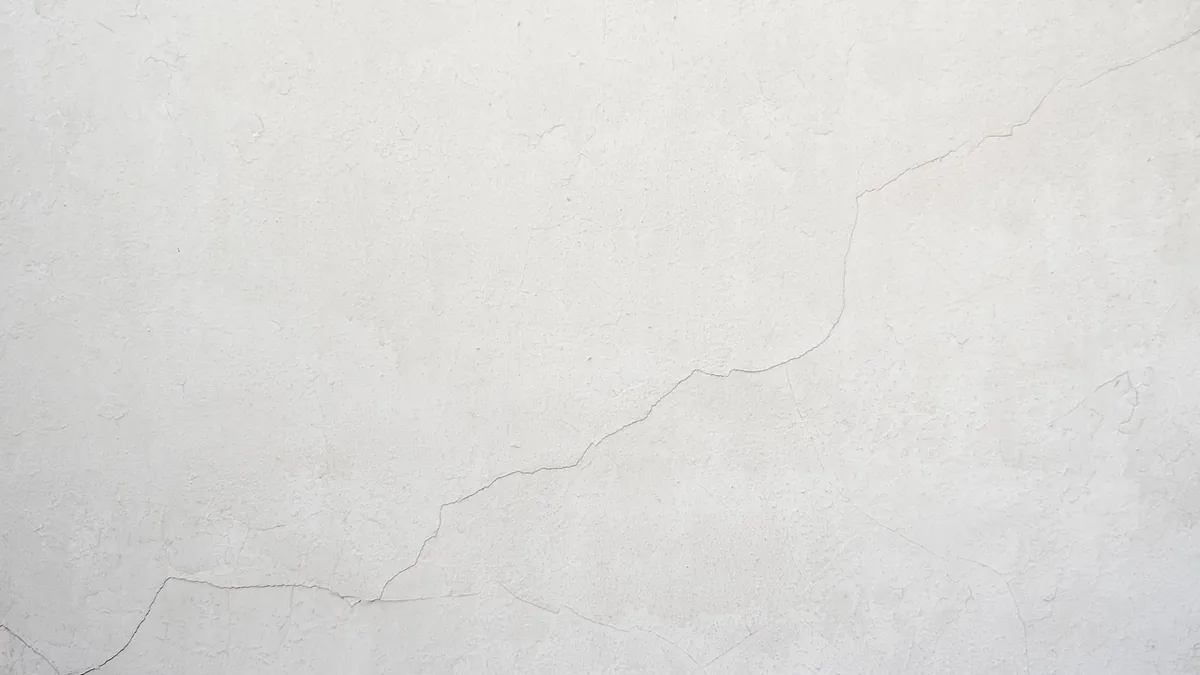
- Structural Stress: Rigid modern materials applied over flexible old foundations can crack and fail if the foundation experiences its natural, minor movements. These cracks then become pathways for concentrated water ingress.
- Salt Contamination: If salts are present in the ground or building materials (common in older structures), trapping moisture can lead to salt crystallization within the wall, causing significant damage to plaster and masonry.
“Old stone basement damp,” on the other hand, describes the condition of moisture presence in such a basement. This dampness isn’t necessarily a “failure” of the original construction but rather a characteristic. Addressing this dampness often focuses on managing moisture rather than eliminating it entirely. This might involve:
- Improving external drainage: Diverting surface water away from the foundation.
- Ventilation: Enhancing airflow within the basement to promote evaporation.
- Dehumidification: Using mechanical means to reduce airborne moisture.
- Breathable finishes: Using lime-based renders or washes internally that allow the walls to continue breathing.
The fundamental difference, therefore, is one of philosophy: modern waterproofing aims for absolute dryness through impermeable barriers, while managing old stone basement damp prioritizes moisture equilibrium and breathability.
Shared Benefits and Overlaps
Despite their differing approaches, both “waterproofing a stone foundation” (even if misapplied to old structures) and managing “old stone basement damp” share the ultimate goal of improving the living or storage environment within a basement.
- Reduced Humidity: Whether through barrier methods or improved ventilation, both aim to lower relative humidity, which can prevent mold growth, mildew, and the musty odors associated with damp basements. This benefits indoor air quality and protects stored items.
- Protection of Contents: A drier basement is a safer place for furniture, documents, and other belongings susceptible to moisture damage.
- Structural Preservation (with caveats): In theory, both approaches seek to protect the foundation from excessive moisture, which can degrade materials over time. However, as discussed, applying modern waterproofing to old stone can sometimes have the opposite effect if breathability is not considered.
- Increased Usable Space: A less damp basement can be converted into more functional living or utility space, increasing the overall utility of the home.
- Improved Energy Efficiency: Damp air requires more energy to heat or cool than dry air. Reducing dampness can contribute to better thermal performance, though this is often a secondary benefit.
- Addressing Water Ingress: Both approaches, when correctly implemented, aim to stop or significantly reduce the entry of liquid water into the basement, preventing puddles and reducing the risk of water damage. This is a primary concern for any homeowner.
The overlap largely concerns the desired outcome – a healthier, more usable basement. The divergence lies in the methods and the understanding of how older structures behave when subjected to moisture. For heritage foundations, the “benefits” of modern waterproofing are only realized if the chosen method respects the original construction principles, or if the foundation is robust enough to withstand the change in moisture dynamics.
When Waterproofing a Stone Foundation May Be a Better Fit
While generally cautioned against for older European lime mortar foundations, there are specific scenarios where a more aggressive “waterproofing” approach might be considered, or where the term applies more directly.
- Modern Additions to Old Structures: If a new, concrete extension or basement is being added to an older stone building, the new section would typically be waterproofed using modern methods. The interface between the old and new structures would require careful design to manage differential movement and moisture paths.
- Severely Damaged or Rebuilt Foundations: In cases where an old stone foundation has deteriorated to the point of requiring significant rebuilding or underpinning, modern materials like concrete might be incorporated. If a significant portion of the foundation is effectively new concrete, then traditional waterproofing techniques for concrete may be appropriate for that section. However, this is a major structural intervention and not a simple waterproofing job.
- Very Robust, Dense Stone with Portland Cement Repairs: Some older foundations, particularly those built with very hard, dense, non-porous stone (like granite or certain types of basalt) and later repaired or repointed extensively with Portland cement, might behave more like modern foundations. If the original breathability has already been compromised by previous cementitious repairs, then a more impermeable barrier might be less detrimental, though still requiring careful assessment. This is an edge case and requires expert evaluation.
- Specific, Localized Point Source Leaks: If there’s a very specific, isolated point where water is actively gushing into the basement (e.g., a crack in a cement patch, a failing pipe penetration), a targeted “waterproofing” repair using hydraulic cement or an injection system might be appropriate for that specific leak, rather than general application across the entire foundation. This is a repair of a defect, not a general waterproofing strategy.
- Exterior Drainage is Impossible or Insufficient, and Internal Approach is Chosen: In rare cases where exterior excavation for drainage is absolutely impossible due to site constraints, and an interior drainage system (like an interior法国排水系统) combined with a vapor barrier is chosen, this system acts to “waterproof” the interior space by collecting water and preventing it from reaching the living area, even if the foundation walls themselves remain damp. This isn’t really waterproofing the foundation but rather the basement interior.
It’s critical to emphasize that these situations are exceptions. For the vast majority of old European stone foundations with lime mortar, applying an impermeable barrier is generally ill-advised due to the risks of trapping moisture and accelerating decay. Any decision to implement modern waterproofing should be made only after thorough investigation by specialists familiar with historic building pathology.
When Old Stone Basement Damp Management May Be a Better Fit
For the typical older European home with a stone foundation and lime mortar, managing “old stone basement damp” is almost always the preferred and safer approach. This strategy acknowledges the inherent characteristics of these structures and works with them, rather than against them.
- Preservation of Historic Fabric: The primary reason for choosing damp management over aggressive waterproofing is to preserve the original building materials. Lime mortar and many types of stone rely on their ability to breathe. Maintaining this breathability prevents moisture from becoming trapped, which can lead to accelerated degradation of both mortar and stone. This is particularly vital for listed buildings or those in conservation areas.
- Addressing Rising Damp: Many old stone basements experience rising damp, where ground moisture wicks up through the porous foundation walls. Applying an external or internal impermeable barrier can exacerbate this by forcing the moisture to rise higher or find new escape routes, often into the main living areas. Damp management focuses on improving external drainage, ensuring breathable internal finishes, and sometimes introducing a damp-proof course (DPC) if appropriate, to interrupt capillary action.
- Cost-Effectiveness and Sustainability: Often, managing damp is less invasive and potentially less costly than full-scale external waterproofing, which requires extensive excavation. It also tends to be more sustainable by using traditional, compatible materials.
- Flexibility with Building Movement: Old stone foundations, especially those on clay, can experience minor seasonal movements. Breathable lime renders and plasters are more flexible than modern cement-based coatings and are less likely to crack and fail under such conditions.
- Avoiding Hidden Problems: Modern waterproofing can sometimes conceal ongoing moisture issues behind the barrier, making them harder to detect until significant damage has occurred. Damp management, by allowing the walls to breathe, provides earlier indicators of problems.
- Environmental Considerations: Many traditional building materials are more environmentally friendly than modern synthetic waterproofing membranes and cement-based products.
- Typical Basement Use: If the basement is primarily used for storage that can tolerate some ambient humidity, or as a utility space, then complete dryness might be an unnecessary and potentially damaging goal. Managing damp to a comfortable level of humidity is often sufficient.
The focus here is on understanding the sources of moisture (surface water, groundwater, condensation, rising damp), and implementing solutions that allow the building to manage and dissipate this moisture naturally.
How to Choose Based on Goals and Context
Choosing the right approach for your old European stone foundation requires careful consideration of several factors. There isn’t a one-size-fits-all solution, and a misstep can lead to significant problems.
| Feature/Consideration | “Waterproofing Stone Foundation” (Modern, Impermeable) | “Old Stone Basement Damp” (Breathable Management) |
|---|---|---|
| Primary Goal | Achieve completely dry, habitable basement space. | Manage moisture, prevent active water ingress, preserve structure, maintain healthy humidity. |
| Foundation Type | Best suited for modern concrete/block foundations. Rarely appropriate for old lime mortar/rubble. | Ideal for old stone/brick foundations with lime mortar. |
| Materials Used | Cement-based renders, membranes (bituminous, synthetic), epoxies, sealants. | Lime renders, plasters, washes; improved external drainage, ventilation, dehumidification. |
| Impact on Breathability | Eliminates breathability, traps moisture. | Maintains or restores breathability, allows moisture to dissipate. |
| Risk of Damage | High risk of accelerated mortar/stone decay, rising damp, structural stress. | Low risk of damage when correctly applied; promotes long-term structural health. |
| Intervention Level | Often invasive (extensive excavation, interior coatings). | Can be less invasive (exterior drainage, interior breathable finishes). |
| Cost Implications | Can be very expensive due to excavation and specialized materials. | Potentially less expensive for basic damp management; can vary with extent of drainage work. |
| Heritage Status | Generally discouraged for listed/heritage buildings due to material incompatibility. | Highly recommended for heritage buildings to preserve original fabric. |
| Desired Basement Use | Creating a fully finished, living space. | Storage, utility, or moderately conditioned space. |
| Expertise Required | Specialist waterproofing contractors (ensure they understand old buildings). | Building pathology experts, conservation architects, specialized damp surveyors. |
Decision Process:
- Understand Your Foundation: Is it truly old stone with lime mortar, or has it been heavily modified with Portland cement? A professional assessment is crucial.
- Identify Moisture Sources: Is it surface water, groundwater, rising damp, condensation, or a combination? A thorough damp survey should identify these.
- Define Your Goals: Do you need a museum-dry basement, or simply a healthier, less damp space? Your desired outcome will heavily influence the approach.
- Consider Heritage Status: If your home is listed or in a conservation area, preservation of historic fabric will be a primary concern, strongly favoring breathable solutions.
- Seek Specialist Advice: Consult with building pathology experts or conservation specialists who have experience with older European stone foundations. Generic waterproofing contractors may lack the specific knowledge needed for heritage structures.
- Prioritize External Solutions: For any foundation, managing water before it reaches the structure is always the first and best line of defense. This includes proper grading, functioning gutters and downspouts, and effective perimeter drainage.
- Embrace Breathability: For old stone foundations, the principle of breathability should guide most internal interventions.
In most scenarios involving older European stone homes, the goal should be to manage dampness through sympathetic, breathable methods rather than attempting to “waterproof” in the modern, impermeable sense.
Frequently Asked Questions
What is waterproofing stone foundation?
“Waterproofing stone foundation” typically refers to the process of applying an impermeable barrier, such as a membrane, sealant, or cementitious coating, to the exterior or interior surfaces of a stone foundation to prevent water from penetrating. While effective for modern concrete foundations, this approach can be problematic for older stone foundations built with breathable lime mortar, as it can trap moisture within the wall structure and lead to deterioration.
How does waterproofing stone foundation compare with alternatives?
The primary alternative, especially for older European stone foundations, is “damp management” or “moisture management.” This approach focuses on allowing the foundation to breathe and managing moisture rather than blocking it entirely.
Comparison Table:
| Feature | Waterproofing (Modern, Impermeable) | Damp Management (Breathable, Traditional) |
|---|---|---|
| Goal | Eliminate all water ingress, achieve dryness. | Control moisture, prevent damage, allow breathability. |
| Materials | Cement renders, synthetic membranes, epoxy. | Lime mortars/renders, natural ventilation, external drainage. |
| Mechanism | Blocks water flow. | Manages water flow, promotes evaporation. |
| Suitability | Modern concrete foundations. | Older stone/brick foundations with lime mortar. |
| Risks to Old Buildings | Trapped moisture, accelerated decay, structural stress. | Low risk when correctly applied, promotes longevity. |
| Cost | Often high due to excavation. | Can be lower, depending on scope. |
What are the most common mistakes people make with waterproofing stone foundation?
The most common and damaging mistakes when dealing with old stone foundations, particularly in European homes, include:
- Applying Impermeable Barriers (Cement Renders, Bitumen) to Breathable Walls: This is the most significant error. It traps moisture within the stone and lime mortar, preventing it from evaporating. This leads to accelerated decay of the mortar, spalling of stone, and can force moisture higher into the building (rising damp).
- Ignoring External Drainage: Failing to address the root causes of water ingress, such as poor surface grading, blocked gutters, or insufficient perimeter drainage. Water should be diverted away from the foundation before it becomes a problem.
- Lack of Ventilation: In older basements, adequate airflow is crucial for drying out any ambient moisture. Sealing a basement without improving ventilation can lead to condensation issues, mold, and stagnant air.
- Using Modern Materials Incompatible with Historic Structures: Portland cement, gypsum plaster, and non-breathable paints are often used out of convenience but can be detrimental to old stone and lime mortar, exacerbating damp problems.
- Failing to Understand the Building’s Original Design: Older homes were built with different principles. Assuming a “dry basement” was the original intent, or that modern methods are universally applicable, is a mistake.
- Not Seeking Specialist Advice: Consulting general contractors or waterproofing companies without specific expertise in historic building pathology often leads to inappropriate and damaging interventions.
Conclusion
Addressing dampness in older European stone foundations is a nuanced undertaking that requires a deep understanding of historical construction methods and materials. Attempting to “waterproof” these structures with modern, impermeable barriers often creates more problems than it solves, leading to trapped moisture, accelerated decay, and potential structural issues. Instead, a focus on sympathetic damp management, which prioritizes breathability, effective external drainage, and appropriate internal finishes, is almost always the more prudent and sustainable approach. For any intervention, consulting with specialists in building pathology and conservation is essential to ensure the longevity and health of these irreplaceable heritage foundations.
DIY safety disclaimer
Home Leak Fix publishes general DIY information for homeowners. Water intrusion can involve structural, electrical, height, mould, or insurance risks. Use proper safety equipment, follow local building rules, and call a qualified professional when a repair is unsafe, unclear, or beyond your experience.