A wet basement wall after rain is a common and concerning issue for homeowners. It signals water entering your home, which can lead to property damage, mold growth, and compromised structural integrity over time. Diagnosing the precise source of this water intrusion is the critical first step toward an effective and lasting repair. Without accurate identification, attempts to fix the problem might be misdirected, leading to ongoing issues and wasted resources.
This article will guide you through understanding the nuances of water entry, distinguishing between different types of basement leaks, and systematically identifying the point of entry so you can address the problem effectively.
Key Differences Between Wet Basement Wall After Rain and Basement Leak After Rain
While “wet basement wall after rain” and “basement leak after rain” might seem interchangeable, understanding the subtle distinctions can help in diagnosing the problem more accurately.
A “wet basement wall after rain” broadly describes any instance where a basement wall shows signs of moisture following precipitation. This could range from a slightly damp, cool surface to visible streaks, puddles, or even active drips. The key is the presence of moisture linked to rainfall.
A “basement leak after rain,” on the other hand, often implies a more specific, identifiable point of water entry. This might be a crack in the foundation, a compromised window well, or a faulty pipe. While all leaks result in wet walls, not all wet walls are the result of a clearly defined “leak” in the sense of a concentrated stream. Sometimes, the moisture is due to widespread dampness, condensation, or hydrostatic pressure forcing water through microscopic pores in the concrete. The term “leak” suggests a breach, whereas “wet wall” encompasses a broader range of moisture issues.
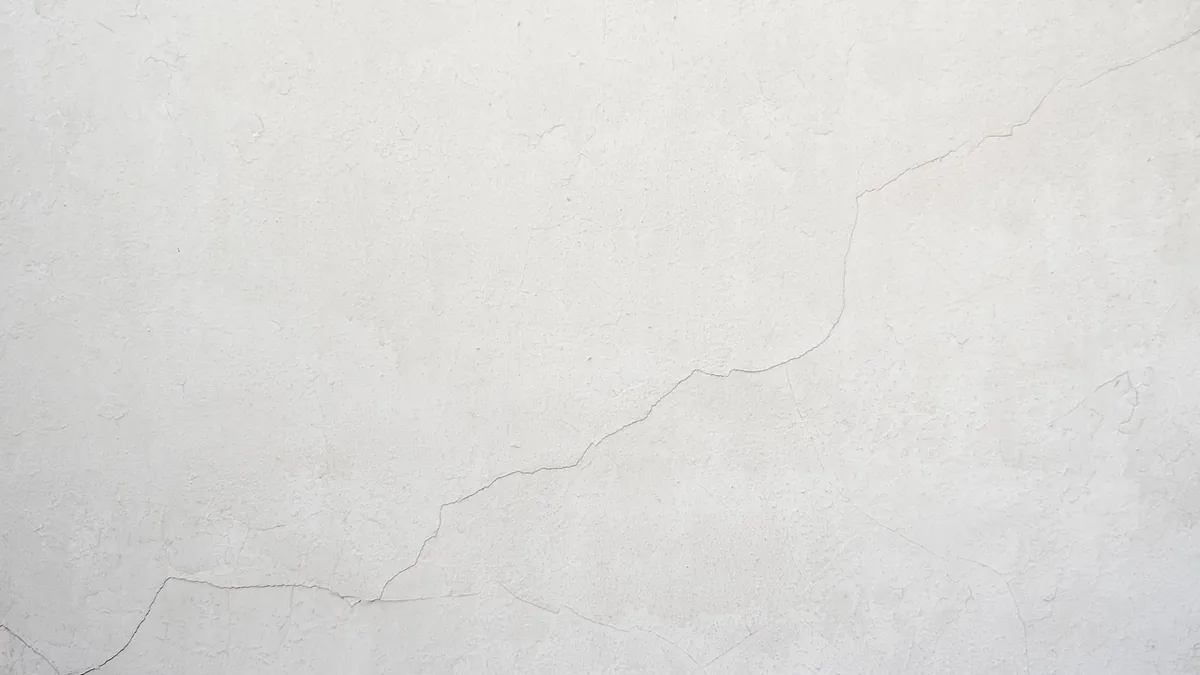
Consider a scenario: after a heavy storm, you notice a large, dark, damp patch spreading across a section of your basement wall. This is a wet basement wall. Upon closer inspection, you might discover a hairline crack running vertically through the center of that damp patch, with a small trickle of water visibly emerging when it rains. This specific point of entry transforms the general “wet wall” situation into a more precisely defined “basement leak through a crack.” If, however, the wall is just generally damp and cool to the touch with no visible entry point, it’s still a wet wall, but the “leak” might be less obvious or more diffuse, possibly due to hydrostatic pressure or condensation.
The practical implication is that a “wet basement wall” prompts a broader investigation into all potential sources of moisture, including external drainage, foundation issues, and even indoor humidity. A “basement leak” often directs the focus more immediately to specific structural breaches.
Shared Benefits and Overlaps
Despite their differences in specificity, both scenarios—a wet basement wall and a basement leak after rain—share common underlying causes and necessitate similar approaches to diagnosis and repair. The primary shared benefit of addressing either is the preservation of your home’s value and structural integrity. Ignoring any form of water intrusion can lead to significant problems down the line.
Shared Benefits:
- Preventing Structural Damage: Water can erode soil around the foundation, compromise concrete and mortar, and lead to settling or cracking over time. Addressing moisture early protects the structural components of your home.
- Mitigating Mold and Mildew Growth: Damp environments are ideal breeding grounds for mold and mildew, which can cause respiratory issues and other health problems. Eliminating moisture prevents these growths.
- Protecting Indoor Air Quality: Mold spores and musty odors from dampness degrade indoor air quality. Resolving the issue improves the living environment.
- Preserving Belongings: Stored items in a damp basement are susceptible to water damage, rot, and mold. A dry basement protects these possessions.
- Maintaining Property Value: A dry, healthy basement is a significant asset. Chronic moisture problems can deter potential buyers and reduce resale value.
- Avoiding Costly Future Repairs: Small moisture issues can escalate into major problems if left unaddressed. Early diagnosis and repair are typically far less expensive than extensive remediation later.
The overlap in these terms also extends to the diagnostic process. Whether you observe a generally damp wall or a distinct stream, the investigative steps often begin similarly: observing the affected area, checking external drainage, inspecting the foundation, and considering internal factors. Both situations demand a systematic approach to pinpoint the root cause.
When Wet Basement Wall After Rain May Be a Better Fit
The broader term “wet basement wall after rain” is particularly useful when the source of moisture isn’t immediately obvious, or when the problem appears to be more diffuse than a concentrated leak. It’s a better descriptor when you are dealing with:
- General Dampness or Sweating Walls: If your basement walls feel cool and clammy after rain, or you see widespread moisture without a clear point of entry, “wet basement wall” is appropriate. This often points to issues like hydrostatic pressure forcing moisture through the porous concrete or high humidity condensing on cool surfaces. For example, if you notice the entire bottom section of a concrete wall is consistently damp after heavy rain, but there are no visible cracks or drips, hydrostatic pressure pushing water through the concrete’s natural porosity is a likely culprit.
- Efflorescence: This is a white, powdery substance on masonry surfaces, left behind when water evaporates, leaving mineral salts. While efflorescence indicates water intrusion, it doesn’t always pinpoint a specific leak. It suggests moisture is moving through the wall from the exterior. A wet basement wall showing efflorescence across a broad area, rather than concentrated at a single crack, points to more general water migration.
- Intermittent or Seasonal Issues: If the dampness appears only after prolonged, heavy rains or during specific seasons when the water table is high, it suggests a broader environmental factor rather than a singular structural flaw. For instance, a wall that only gets damp after several days of continuous rainfall, not just a quick shower, might indicate saturated soil around the foundation.
- Hidden or Multiple Entry Points: Sometimes, water enters through several small, hard-to-find pathways or through the entire foundation perimeter due to poor exterior drainage. In such cases, focusing solely on finding “a leak” might be misleading, as the problem is more diffuse. Imagine a situation where you’ve checked all obvious cracks, but the wall still feels damp. The issue might be a combination of poor grading, insufficient guttering, and a general lack of exterior waterproofing, leading to overall wall saturation.
In these scenarios, adopting the broader “wet basement wall” perspective encourages a comprehensive investigation of all potential water pathways, both inside and outside the home, rather than narrowly focusing on a single, identifiable breach.
When Basement Leak After Rain May Be a Better Fit
The more specific term “basement leak after rain” is more fitting when the water entry is localized, concentrated, and often visually traceable to a particular defect. This term is more appropriate when you observe:
- Visible Cracks in Foundation Walls: If you see water actively trickling, seeping, or even gushing from a specific crack in your poured concrete or block foundation, you have a clear basement leak. This is often the most straightforward type of leak to identify. For example, after a downpour, you might see a dark, wet line extending from a vertical crack in the concrete, with a small puddle forming directly below it.
- Water Entry Around Windows or Doors: If water is pooling around basement windows, seeping in through the window frame, or coming in under a basement door, it’s a specific leak. This often indicates issues with window well drainage, sealant failure, or improper flashing. A common scenario is a window well filling with water during heavy rain, which then overwhelms the well’s drainage and spills over into the basement.
- Floor-Wall Joint Leaks (Cove Joint Leaks): Water entering where the basement floor meets the wall, often due to hydrostatic pressure or drainage issues under the slab, is a distinct leak point. This is a very common type of basement leak. You might notice a consistent wet streak along the bottom edge of the wall, where it meets the concrete floor, sometimes accompanied by a small amount of standing water.
- Penetration Leaks: These occur where utilities (pipes, wires) penetrate the foundation wall, or around tie rods from the original concrete pour. If water is coming in directly around these penetrations, it’s a specific leak. For instance, water might be visibly dripping from around a sewer pipe that exits the foundation wall.
- Active Drips or Streams: Any situation where water is clearly dripping or flowing from a specific point on the wall or ceiling, rather than just general dampness, constitutes a leak. This indicates a direct pathway for water entry.
In these instances, the problem is often a breach in the foundation’s integrity that allows a concentrated flow of water. Focusing on “the leak” helps narrow down the diagnostic process to specific structural repairs or sealing efforts at those identified points.
How to Choose Based on Goals and Context
Choosing the right terminology and diagnostic approach depends on your initial observations and what you hope to achieve. If your goal is a quick, targeted repair for an obvious problem, “basement leak after rain” might guide your actions. If your goal is a comprehensive understanding and prevention strategy for pervasive moisture, “wet basement wall after rain” is a better framework.
Here’s a comparison to help guide your approach:
| Feature/Goal | Wet Basement Wall After Rain (Broader) | Basement Leak After Rain (Specific) |
|---|---|---|
| Initial Observation | General dampness, efflorescence, widespread discoloration, musty odor. | Visible trickles, drips, puddles at specific points, distinct water lines. |
| Primary Concern | Overall moisture management, humidity control, long-term prevention. | Immediate repair of a clear breach, stopping active water entry. |
| Likely Causes | Hydrostatic pressure, poor exterior grading, condensation, saturated soil, inadequate drainage. | Foundation cracks, faulty window wells, pipe penetrations, cove joint failures, structural defects. |
| Diagnostic Approach | Comprehensive exterior inspection (grading, gutters, downspouts), interior humidity checks, long-term monitoring. | Pinpointing exact entry point, tracing water path, identifying specific defect. |
| Typical Solutions | Exterior waterproofing (e.g., French drains, foundation coating), interior drainage systems, dehumidification, grading improvements. | Crack injection, patching, window well drainage repair, re-sealing penetrations, targeted structural repairs. |
| Timeframe for Resolution | Can be ongoing, requiring multiple steps or professional assessment. | Often a more immediate, single-point repair, though underlying causes may still need addressing. |
| Cost Implications | Potentially higher for comprehensive exterior solutions or interior drainage systems. | Can be lower for minor crack repairs, but significant structural leaks can be costly. |
Contextual Examples:
- Scenario 1: New Homeowner, First Rainstorm. You’ve just bought an older home. After a particularly heavy rain, you notice a distinct wet streak running down the middle of one basement wall, leading to a small puddle. In this case, “basement leak after rain” is the better fit. Your goal is to find that specific crack or defect and seal it. You’d likely start by visually inspecting the exterior directly opposite the wet spot for cracks or drainage issues.
- Scenario 2: Long-Term Resident, Persistent Dampness. You’ve lived in your home for years and always noticed a general musty smell and a slight dampness on the lower parts of your basement walls after extended periods of rain, but never active drips. Here, “wet basement wall after rain” is more appropriate. Your goal is to understand the broader moisture dynamics. You’d investigate exterior grading, gutter functionality, and consider interior humidity levels and potentially the need for a dehumidifier or an exterior waterproofing system.
- Scenario 3: Renovation Project. You’re planning to finish your basement and want to ensure it stays dry. You’ve noticed some efflorescence on one wall. Your goal is total prevention. While efflorescence points to water entry, the “wet basement wall” perspective encourages a holistic approach, including exterior drainage, foundation coating, and interior vapor barriers, to ensure a truly dry space before investing in finishing materials.
Ultimately, regardless of the initial descriptor, a thorough investigation is always necessary. The distinction primarily helps in framing the problem and guiding your initial diagnostic steps.
Frequently Asked Questions
Understanding the common questions homeowners have about wet basement walls and leaks can further clarify the diagnostic process.
What is wet basement wall after rain?
When you notice a basement wall is wet after it rains, it means moisture has appeared on that wall following precipitation. This moisture might show up as general dampness, noticeable water streaks, efflorescence (those white mineral deposits), or even puddles on the floor right next to the wall. It’s a clear sign that outside water is getting into your basement, usually because of problems with drainage, the foundation, or high humidity.
How does wet basement wall after rain compare with alternatives?
The primary “alternative” to a wet basement wall after rain is a dry basement wall. The comparison highlights the severity of the problem. A dry basement wall indicates effective waterproofing and drainage, preventing water intrusion. A wet basement wall, on the other hand, signals a failure in these systems.
When comparing a “wet basement wall” to a specific “basement leak,” the key difference is specificity. A wet wall is a general observation of moisture, while a leak implies a distinct, identifiable point of entry. Both require attention, but a leak often allows for a more immediate, targeted repair, whereas a generally wet wall may demand a broader investigation into diffuse moisture sources like hydrostatic pressure or condensation.
What are the most common mistakes people make with wet basement wall after rain?
The most common mistakes homeowners make when dealing with a wet basement wall after rain include:
- Ignoring the Problem: Assuming it’s a minor issue that will resolve itself or only happens during extreme weather can lead to escalating damage, mold growth, and more costly repairs down the line.
- Addressing Only the Symptom, Not the Cause: Painting over a damp spot or simply running a dehumidifier without identifying and fixing the source of water entry will not solve the underlying problem. The moisture will eventually return, potentially causing further damage.
- Misdiagnosing the Source: Incorrectly attributing the wetness to condensation when it’s actually a foundation leak, or vice-versa, leads to ineffective solutions. For example, installing a dehumidifier for a foundation crack won’t stop water from entering.
- DIY Repairs Without Proper Understanding: Attempting complex foundation repairs or exterior drainage solutions without adequate knowledge or tools can worsen the problem or create new issues.
- Neglecting Exterior Drainage: Many basement moisture problems originate outside the home. Failing to check and maintain gutters, downspouts, and the grading around the foundation is a common oversight.
- Panicking and Overspending: Rushing into an expensive, extensive waterproofing solution without a clear diagnosis can lead to unnecessary costs. A systematic approach to diagnosis often reveals simpler, more affordable solutions first.
Conclusion
A wet basement wall after rain clearly indicates a breach in your home’s water defenses. Whether it’s general dampness or a distinct leak, water is entering your home where it shouldn’t. The critical first step is accurate diagnosis. By systematically examining both interior and exterior factors, you can pinpoint the source, be it a structural crack, poor exterior drainage, or a more diffuse issue like hydrostatic pressure. Addressing these issues promptly not only protects your property from costly damage and mold but also contributes to a healthier, more stable living environment. Don’t let rain turn your basement into a persistent problem; take action to understand and resolve the moisture source.
DIY safety disclaimer
Home Leak Fix publishes general DIY information for homeowners. Water intrusion can involve structural, electrical, height, mould, or insurance risks. Use proper safety equipment, follow local building rules, and call a qualified professional when a repair is unsafe, unclear, or beyond your experience.