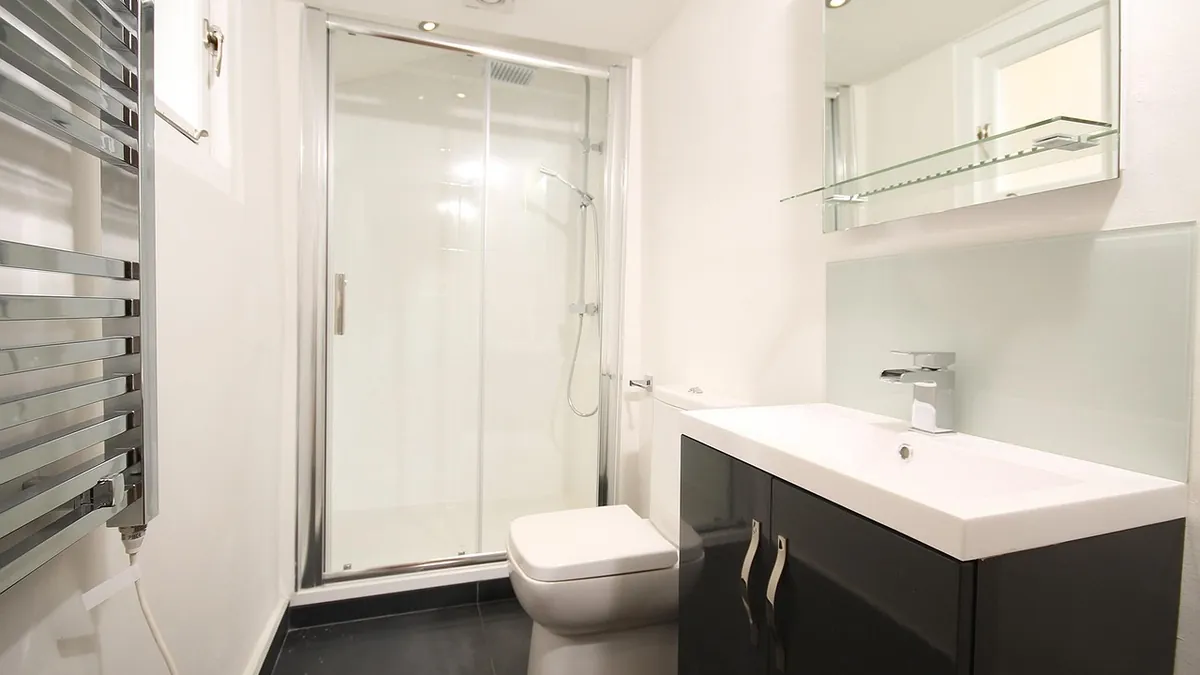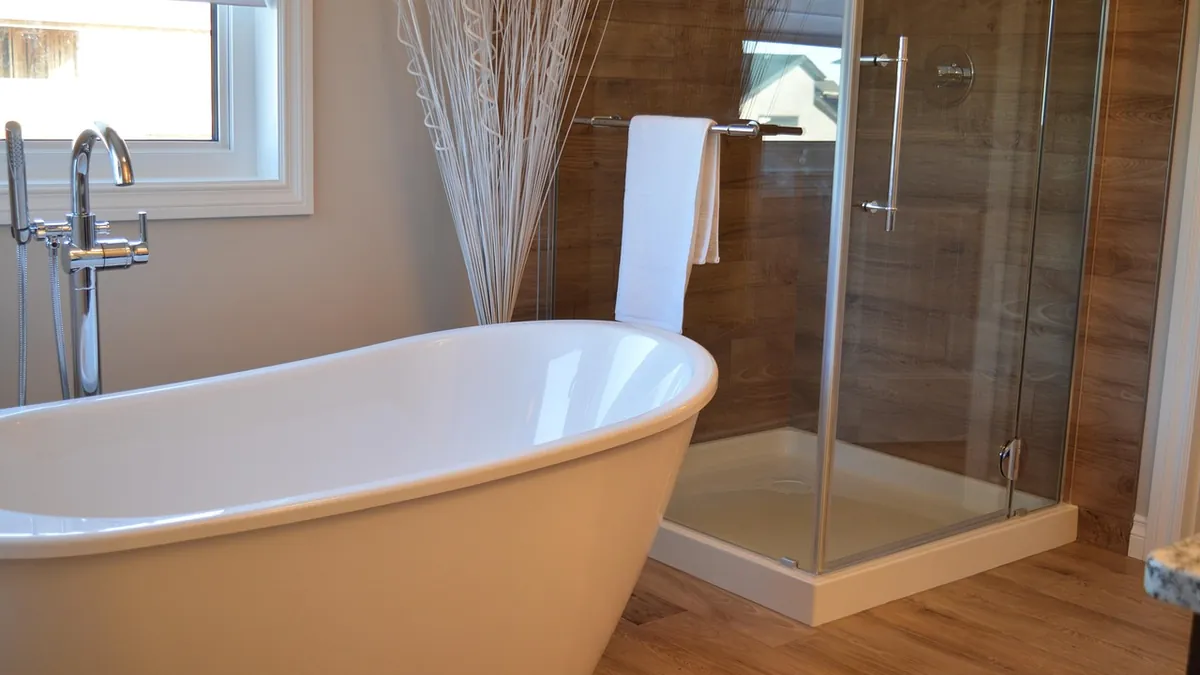
Creating a wet room involves more than just tiling; it requires a robust system to prevent water from escaping the designated shower area and causing damage. This system is commonly referred to as “tanking” or “waterproofing.” While often used interchangeably, understanding the nuances of a wet room tanking guide and general wet room waterproofing can help in planning and executing a durable, leak-proof bathroom. This guide explores the specifics of tanking for floors, walls, corners, and drains, highlighting the distinctions and commonalities between these essential processes.
Key Differences Between Wet Room Tanking and Wet Room Waterproofing
At first glance, “wet room tanking” and “wet room waterproofing” might seem to describe the same process. In many practical applications, they do overlap significantly. However, a helpful distinction can be made by viewing “tanking” as a specific, often more intensive, form of “waterproofing” within a wet room context.
“Wet room waterproofing” is the broader term, encompassing all measures taken to prevent water ingress into the building structure. This includes everything from selecting appropriate tiles and grout to ensuring proper drainage and ventilation. It’s about creating a water-resistant environment.
“Wet room tanking,” on the other hand, specifically refers to the application of a continuous, impervious barrier to the substrate of the wet area – the floors, walls, and junctions – before tiling. This barrier is designed to contain water even if the tiles or grout fail. Think of it as creating a “tank” within your bathroom, hence the name. Tanking typically involves specialized membranes, liquid applied coatings, or cementitious slurries that form a sealed envelope.
The practical implication is that while all wet rooms require waterproofing, not all waterproofing methods achieve the uncompromised barrier provided by dedicated tanking systems. For instance, simply using water-resistant plasterboard and grout might be considered a form of waterproofing, but it doesn’t offer the same level of protection as a fully tanked system with a continuous membrane across all surfaces.
Consider a scenario where a hairline crack develops in the grout line of a tiled shower. In a room with basic waterproofing, this crack could allow water to penetrate to the substrate, potentially leading to timber rot or plaster damage over time. In a tanked wet room, however, the underlying membrane would prevent this water from reaching the structural elements, channeling it towards the drain. This makes tanking a more resilient and often more durable solution for areas with consistent and direct water exposure.
Shared Benefits and Overlaps
Despite their subtle differences in definition, wet room tanking and general wet room waterproofing share fundamental goals and offer many of the same critical benefits. Both aim to:
- Prevent Water Damage: This is the primary objective. By stopping water from penetrating walls, floors, and ceilings, both approaches safeguard the structural integrity of the building, prevent rot in timber, and protect plasterboard or other moisture-sensitive substrates.
- Mitigate Mold and Mildew Growth: Water ingress creates damp conditions that are ideal breeding grounds for mold and mildew. Effective waterproofing and tanking significantly reduce the risk of these unhealthy and unsightly growths within the building fabric.
- Increase Property Value: A professionally installed wet room, complete with proper waterproofing or tanking, is often seen as a premium feature that can add value to a property. It signals quality and thoughtful construction.
- Extend Bathroom Lifespan: By protecting the underlying structure from water damage, both methods contribute to the longevity of the bathroom itself, reducing the need for costly repairs or renovations down the line.
- Enhance Hygiene: A dry and well-ventilated structure behind the tiles contributes to a cleaner, more hygienic environment overall.
- Provide Peace of Mind: Knowing that the wet areas are adequately protected offers significant peace of mind to homeowners, especially given the potential for extensive damage from water leaks.
The overlap is most evident in the materials and techniques used. Many products marketed for “wet room waterproofing” are, in fact, tanking systems. For example, liquid waterproofing membranes, waterproof backing boards, and sealing tapes are common components in both descriptions. The distinction often comes down to the comprehensiveness and critical application of these materials to create an uninterrupted barrier. A “wet room waterproofing” project that meticulously applies a continuous membrane to all wet surfaces, including corners and pipe penetrations, is effectively “tanking” that wet room.
A concrete example of this overlap is the use of waterproof tile backer boards. These boards, when properly sealed at the joints and corners with waterproof tape and adhesive, act as a primary tanking layer. They prevent water from reaching the wall studs, fulfilling both the broad goal of waterproofing and the specific function of creating an impervious tank. Similarly, a sloped shower tray or a pre-formed wet room former with an integrated drain is a waterproofing component that also forms part of the tanking system for the floor.
When Wet Room Tanking May Be a Better Fit
When considering the level of protection required for a wet room, dedicated tanking systems often emerge as the more robust choice, particularly in specific scenarios. Tanking provides an additional layer of security that can be invaluable.
One key situation where tanking is a superior fit is in new builds or full bathroom renovations. When you’re starting from scratch, or stripping a bathroom back to the studs, it’s the ideal time to install a comprehensive tanking system. The cost and effort of tanking are significantly less disruptive during this phase compared to trying to retrofit it later. It allows for meticulous preparation of the substrate and uninterrupted application of membranes, ensuring maximum effectiveness.
Another scenario is for high-traffic wet rooms or commercial applications. Environments like hotel bathrooms, gym showers, or multi-person household wet rooms experience constant and heavy water exposure. In these cases, the risk of grout failure or minor surface damage is higher, making the underlying tanking layer crucial for long-term durability and preventing costly downtime due to leaks. The resilience of a tanked system provides a necessary buffer against the increased wear and tear.
Consider also wet rooms built on timber floor joists or in upper-story locations. Water leaks in these areas can have catastrophic consequences, leading to structural damage, ceiling collapse in rooms below, and extensive repair work. A fully tanked wet room provides a higher level of assurance against such failures. The continuous membrane acts as a failsafe, containing any water that might breach the tiled surface before it can reach the timber structure.
Furthermore, if the substrate itself is prone to movement or has potential imperfections, tanking can bridge minor cracks or absorb slight structural shifts more effectively than surface-level waterproofing. Flexible tanking membranes are designed to accommodate some movement without compromising their integrity, a critical advantage in older properties or those with less stable subfloors.
For instance, imagine a wet room being installed on an older timber floor that might experience slight seasonal movement. A liquid-applied tanking membrane, reinforced with mesh tape at joints and corners, can flex with these minor movements, maintaining its waterproof seal. Relying solely on water-resistant plasterboard and grout in such a situation might eventually lead to cracks and leaks as the building settles or shifts. Tanking is about proactive protection against the unpredictable.
When Wet Room Waterproofing May Be a Better Fit
While tanking offers maximum protection, there are situations where a less intensive, but still effective, approach to wet room waterproofing might be a more practical or appropriate fit. These scenarios often involve specific constraints or lower risk profiles.
One common instance is minor bathroom upgrades or partial renovations where the existing structure is sound. If you’re simply retiling a shower area and the underlying substrate (e.g., cement board or water-resistant plasterboard) is in excellent condition and was adequately waterproofed originally, a targeted waterproofing approach might suffice. This could involve reapplying a liquid membrane in the existing shower footprint, sealing joints, and ensuring new grout is properly applied. Tearing out an entire wall for a full tanking system might be overkill and unnecessarily expensive in such cases.
Another situation is for bathrooms where direct and constant water exposure is limited to a specific, smaller area, and the overall moisture load is lower. For example, a guest bathroom with an occasional shower, rather than a daily-use family wet room. Here, focusing waterproofing efforts precisely on the shower enclosure itself, using waterproof panels or a robust liquid membrane in that zone, could be adequate without extending a full tanking system to every wall and the entire floor.
Budget constraints can also influence the decision. While the long-term cost benefits of tanking are significant, the initial outlay for materials and specialized labor can be higher. For projects with very tight budgets where the risk of severe water damage is assessed as low, a carefully executed waterproofing strategy using water-resistant materials and sealants might be chosen over a full tanking system. It’s a trade-off between ultimate protection and immediate cost.
Finally, in some commercial or multi-unit residential buildings with pre-fabricated bathroom pods, the waterproofing is often integrated into the manufacturing process. These pods arrive with factory-sealed, waterproof surfaces that function as a complete system, negating the need for on-site tanking. Here, the “waterproofing” is inherent to the product design.
For example, imagine a homeowner wants to update a small, rarely used ensuite shower. The existing walls are cement board, installed correctly years ago. Instead of a full tanking kit involving primer, membrane, and sealing tapes across the entire room, a focused approach might involve cleaning the existing cement board, applying a liquid waterproofing membrane to the shower walls and floor perimeter, and then tiling. This method effectively waterproofs the high-risk zone without the extensive labor and material costs of a full tanking installation. The key is a thorough assessment of the existing conditions and the expected use.
How to Choose Based on Goals and Context
Selecting between a comprehensive wet room tanking system and a more targeted wet room waterproofing approach depends heavily on your specific project goals, budget, the existing structure, and the intended use of the wet room. There’s no one-size-fits-all answer, but by evaluating several factors, you can make an informed decision.
1. Risk Tolerance and Longevity Expectations:
- High Risk/Long-Term: If you want the absolute highest level of protection against leaks, especially in areas where water damage would be catastrophic (e.g., upper floors, timber joists, high-traffic areas), tanking is the preferred choice. It’s an investment in decades of peace of mind.
- Moderate Risk/Shorter Term: For less critical areas or situations where a full renovation isn’t feasible, a robust waterproofing approach focusing on critical areas might be acceptable, provided the underlying structure is sound.
2. Type of Renovation:
- New Build or Full Strip-Out: This is the ideal scenario for full tanking. Access to the bare substrate allows for perfect application of membranes and seals.
- Partial Renovation/Retiling: If the existing substrate is healthy and was previously waterproofed, a targeted waterproofing upgrade might be sufficient. However, if there’s any doubt about the existing protection, tanking the specific wet zone is advisable.
3. Budget:
- Higher Budget: Allows for the superior materials and potentially more labor-intensive application of a full tanking system.
- Tighter Budget: May necessitate a more focused waterproofing strategy, prioritizing the most critical areas and selecting cost-effective, yet reliable, materials. Remember that skimping on waterproofing can lead to far greater costs down the line.
4. Substrate Type and Condition:
- Porous or Potentially Unstable Substrates (e.g., older timber, certain plasterboards): Tanking provides a continuous, flexible barrier that can better cope with movement and prevent water ingress through compromised materials.
- Stable, Waterproof Backer Boards (e.g., cement board, specialist wet room boards): These materials already offer a high degree of waterproofing. Additional tanking layers enhance this, but a careful waterproofing of joints and penetrations might be sufficient in some cases.
5. Intended Use:
- Daily, Heavy Use (e.g., family bathroom, commercial): Tanking is highly recommended due to constant water exposure and potential for wear and tear.
- Infrequent, Light Use (e.g., guest bathroom): A well-executed waterproofing of the immediate shower zone might be adequate.
Here’s a comparison table to help visualize the decision-making process:
| Feature | Wet Room Tanking | Wet Room Waterproofing (Targeted) |
|---|---|---|
| Protection Level | Maximum; continuous, impervious barrier | High; focused on critical areas, relies on substrate |
| Best For | New builds, full renovations, high-traffic, upper floors, timber substrates, long-term peace of mind | Partial renovations, sound existing substrates, lower traffic, budget-conscious |
| Complexity | Higher; meticulous surface preparation, multi-layer application | Moderate; focused application, less extensive area |
| Cost (Initial) | Higher | Moderate |
| Failsafe | Acts as a secondary containment if tiles/grout fail | Relies more heavily on tile/grout integrity and substrate |
| Typical Materials | Liquid membranes, sheet membranes, waterproof backing boards, sealing tapes, primers | Water-resistant plasterboard, waterproof tile adhesive/grout, liquid membranes (localized), sealant |
Ultimately, the goal is to prevent water damage. For most new wet room installations, particularly in residential settings, a comprehensive tanking system provides the most reliable and durable solution. If you are uncertain, consulting with an experienced professional is always recommended to assess your specific situation and ensure compliance with building regulations.
Frequently Asked Questions
What is wet room tanking?
Wet room tanking involves applying a continuous, impervious barrier to the floors, walls, and all junctions in a wet room, usually before tiling. This process creates a sealed “tank” designed to contain water and prevent it from penetrating the building’s structure, even if the tiles or grout fail. The barrier itself typically consists of specialized liquid membranes, sheet membranes, or waterproof backing boards, complemented by sealing tapes for corners and pipe penetrations.
How does wet room tanking compare with alternatives?
The primary alternative to comprehensive wet room tanking is a more basic wet room waterproofing approach. While both aim to prevent water damage, tanking offers a higher level of protection. Basic waterproofing might rely more heavily on water-resistant building materials (like water-resistant plasterboard) and the integrity of the tile and grout itself. Tanking provides a dedicated, continuous secondary defense layer.
| Feature Area | Wet Room Tanking | Basic Wet Room Waterproofing |
|---|---|---|
| Core Principle | Create an impervious, continuous sealed envelope | Use water-resistant materials and surface sealing |
| Primary Barrier | Flexible membrane (liquid or sheet) | Tiles, grout, water-resistant substrate |
| Secondary Barrier | The membrane itself | Limited or none; relies on primary barrier’s integrity |
| Risk Mitigation | High; protects against grout/tile failure | Moderate; vulnerable if grout/tile fails significantly |
| Longevity | Generally longer-lasting, more resilient | Shorter, more prone to issues over time |
| Cost | Higher initial material and labor cost | Lower initial cost |
For example, consider a shower area. With basic waterproofing, water might eventually seep through cracked grout, soaking into the plasterboard behind. With tanking, even if grout cracks, the underlying membrane would prevent the water from reaching the plasterboard, channeling it toward the drain.
What are the most common mistakes people make with wet room tanking?
Several common mistakes can compromise the effectiveness of wet room tanking, leading to future leaks and costly repairs:
- Inadequate Substrate Preparation: Failing to properly clean, prime, and repair the substrate (walls and floors) before applying the tanking material. Any dust, grease, or unevenness can prevent proper adhesion, creating weak spots.
- Skipping or Improper Sealing of Corners and Joints: The junctions between walls and floors, and internal corners, are critical points for water ingress. Not using appropriate sealing tapes, reinforcing fabric, or sufficient layers of membrane at these points is a frequent error.
- Insufficient Overlap of Membranes: When using sheet membranes, inadequate overlap between sheets can create gaps. With liquid membranes, not extending the application far enough beyond the expected wet zone or not applying enough coats can lead to breaches.
- Poor Detailing Around Drains and Pipe Penetrations: These are notorious weak points. Failure to use specific sealing collars, flanges, or sufficient sealant around drain outlets and where pipes exit the wall or floor allows immediate pathways for water to escape the tanked area.
- Not Allowing Proper Curing Time: Rushing the process and not allowing liquid membranes or primers to fully cure according to manufacturer instructions before applying subsequent layers or tiling can compromise the integrity and adhesion of the system.
- Not Following Manufacturer Instructions: Each tanking product has specific application guidelines, including temperature ranges, drying times, and recommended tools. Deviating from these instructions can void warranties and reduce effectiveness.
- Lack of a Flood Test (if feasible): While not always possible or required for every system, a supervised flood test (filling the tanked area with a small amount of water for a set period) can identify leaks before tiling, saving significant rework.
By paying meticulous attention to these details, the longevity and reliability of a wet room tanking system can be significantly improved.
A wet room tanking system creates a complete, impervious barrier beneath the tiled surfaces. While “wet room waterproofing” is a broader term for all water-resistant measures, tanking specifically refers to this critical, continuous seal for floors, walls, corners, and drains. The best approach—full tanking versus targeted waterproofing—depends on the project’s scope, budget, the underlying structure, and the desired level of long-term protection. For most new wet rooms, especially those on upper floors or with timber substrates, a comprehensive tanking system offers the most robust defense against water damage, ensuring the bathroom’s longevity and structural integrity. Always prioritize thorough preparation and follow manufacturer guidelines for any waterproofing or tanking project.
DIY safety disclaimer
Home Leak Fix publishes general DIY information for homeowners. Water intrusion can involve structural, electrical, height, mould, or insurance risks. Use proper safety equipment, follow local building rules, and call a qualified professional when a repair is unsafe, unclear, or beyond your experience.