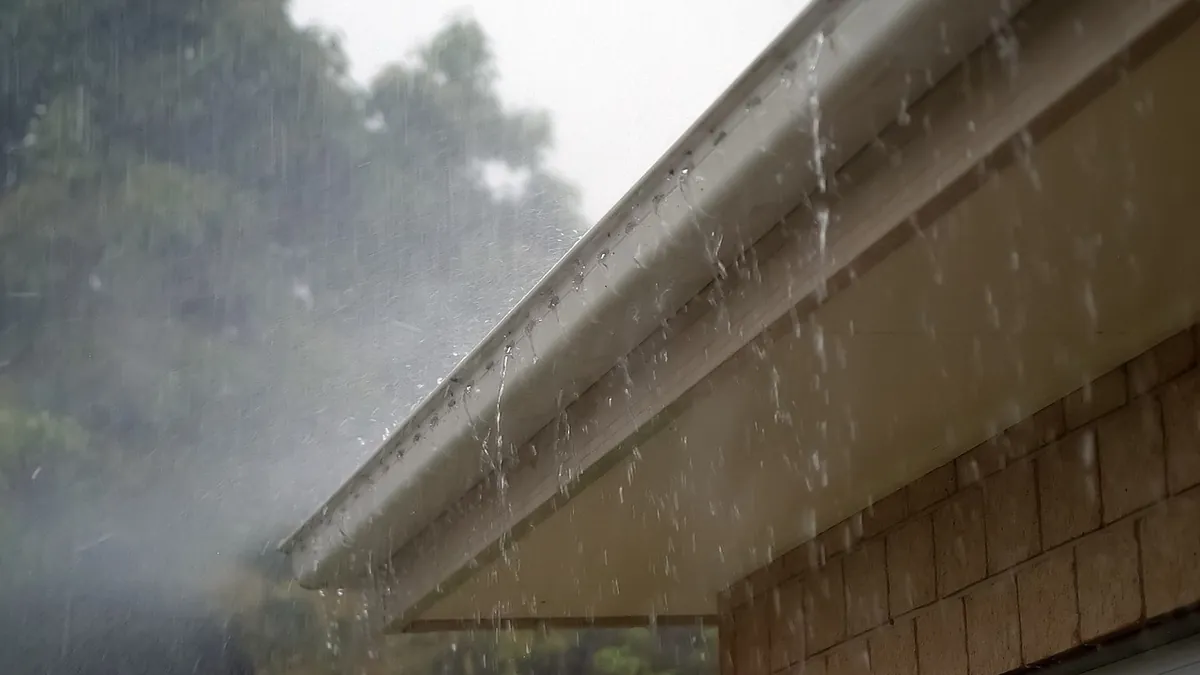
Gutters are fundamental to protecting a home’s foundation, siding, and landscaping from water damage. They channel rainwater away, preventing erosion, basement flooding, and costly structural issues. However, gutters are exposed to the elements constantly and will eventually show signs of wear. Deciding whether to repair a leaky section or invest in a full replacement is a common homeowner dilemma. This isn’t always a straightforward choice; it depends on the nature and extent of the damage, the age of the system, and your long-term goals for the property.
Sealing a small leak might seem like a quick fix, and sometimes it is. But when problems are widespread, recurring, or indicative of underlying structural issues, patching up individual spots can become a wasted effort and expense. Understanding the key indicators for replacement versus repair can save time, money, and prevent more significant damage down the line.
Key Differences Between Repair or Replace Gutters and Gutter Replacement Signs
The decision to repair or replace gutters hinges on distinguishing between isolated, minor issues and systemic failures. Repair focuses on addressing specific, localized damage to restore functionality. Replacement, on the other hand, involves removing the old system entirely and installing a new one, typically when the existing gutters are beyond economical or effective repair.
Repairing Gutters: This usually involves tasks like sealing small cracks or holes, reattaching a loose section, tightening hangers, or clearing a stubborn clog. It’s a targeted intervention aimed at fixing a particular problem without overhauling the entire system. For instance, if a single seam has separated, applying a high-quality gutter sealant might resolve the issue for several years. If a downspout has detached from the gutter, re-securing it with appropriate fasteners is a repair.
Replacing Gutters: This becomes necessary when the system as a whole is failing. This could be due to widespread corrosion, multiple significant leaks, extensive sagging, or damage from severe weather that has compromised large sections. The cost of repeatedly repairing an aging, failing system can quickly surpass the cost of a new installation, and the effectiveness of such repairs is often temporary. For example, if half the gutter run along one side of the house is riddled with rust holes, or if multiple sections are pulling away from the fascia, a full replacement is often the more practical and durable solution.
The distinction isn’t just about the type of work but also the expected lifespan and cost-effectiveness. A repair extends the life of an otherwise sound system, while a replacement restarts the clock, providing a new, fully functional system with a fresh warranty.
Shared Benefits and Overlaps
Both repairing and replacing gutters share the fundamental goal of protecting your home from water damage. When executed effectively, either approach helps to:
- Prevent Foundation Damage: Properly functioning gutters divert rainwater away from the foundation, reducing hydrostatic pressure that can lead to cracks, leaks, and costly structural repairs.
- Protect Siding and Trim: Water cascading directly down the side of a house can cause wood rot, paint damage, and mold growth on siding, fascia, and soffits. Gutters prevent this direct exposure.
- Control Landscape Erosion: Uncontrolled runoff can wash away topsoil, damage plants, and create unsightly trenches in your landscaping. Gutters manage water flow, preserving your yard.
- Minimize Basement Flooding: By directing water away from the perimeter, gutters significantly reduce the risk of water pooling around the basement walls and seeping indoors.
- Maintain Aesthetic Appeal: Sagging, rusted, or overflowing gutters detract from a home’s appearance. Both repair and replacement can restore a neat, well-maintained look.
The overlap lies in the desired outcome: effective water management. A well-executed repair on a relatively new system can provide the same protective benefits as a brand-new installation, at least for a period. Similarly, a new gutter system eliminates the issues that necessitated repair in the first place, ensuring long-term protection. The choice often comes down to evaluating the existing system’s overall condition and predicting its remaining useful life.
When Repair May Be a Better Fit
Repairing gutters is often the most sensible and economical choice when the issues are isolated, minor, and don’t indicate systemic failure. This approach is best suited for scenarios where the majority of the gutter system is still in good condition and has significant life left.
- Small, Isolated Leaks: If you notice a drip from a single seam or a small pinhole, a high-quality sealant or patching compound can often provide a lasting fix. This is especially true for newer gutters or those made from durable materials.
- Loose Hangers or Sections: Strong winds, heavy ice, or debris accumulation can sometimes dislodge a hanger or cause a section of gutter to pull away from the fascia. Re-securing these components with appropriate fasteners is a simple repair that restores function.
- Minor Sagging in One Area: If a gutter sags slightly in one spot due to localized debris buildup or a loose hanger, adjusting the slope by re-securing or adding a hanger can correct the problem. This is distinct from widespread sagging caused by structural issues.
- Clogged Downspouts: While often a maintenance issue, a stubbornly clogged downspout that doesn’t clear with basic flushing might require professional attention to remove blockages or repair a damaged section. This is typically a repair, not a replacement trigger.
- Damage to a Single Section: If a tree branch falls and damages only one 10-foot section of a 50-foot gutter run, it’s usually more cost-effective to replace just that damaged section rather than the entire run. This assumes the replacement section can be seamlessly integrated with the existing system.
- Newer Gutter Systems: Gutters that are less than 10-15 years old, depending on the material, are generally good candidates for repair. They haven’t reached the end of their expected lifespan, and minor issues are less likely to signal widespread deterioration.
Consider a scenario where a relatively new aluminum gutter system develops a leak at one end cap. This is a common issue that can often be resolved by thoroughly cleaning the area, applying a specialized sealant, and ensuring the end cap is properly seated. Replacing the entire system for such a minor, localized problem would be unnecessary and wasteful.
When Gutter Replacement Signs May Be a Better Fit
Replacement becomes the more prudent option when the existing gutter system is extensively damaged, aged, or experiencing recurring problems that indicate it’s past its prime. Ignoring these gutter replacement signs can lead to escalating repair costs and potential damage to your home.
- Widespread Rust and Corrosion (Rusted Gutters): For metal gutters (steel, galvanized), extensive rust is a clear sign of deterioration. While small rust spots can sometimes be treated, widespread rust indicates the metal is breaking down, leading to multiple leaks and structural weakness. Patching rust is often a temporary solution as new spots will likely appear elsewhere.
- Numerous Leaks or Recurring Leaks (Gutter Leak Repair): If you’re constantly patching leaks in various sections, or if previously repaired leaks reappear, it suggests the material itself is failing. The integrity of the seams, joints, or even the gutter troughs might be compromised throughout.
- Significant Sagging or Pulling Away from the House (Sagging Gutters): While minor sagging can be repaired, widespread or severe sagging indicates that the gutters are overloaded, the hangers are failing, or the fascia board to which they are attached is rotting. If multiple sections are noticeably pulled away, or if the pitch is inconsistent across long runs, the system is likely structurally compromised. This can prevent proper drainage and lead to water pooling.
- Cracked or Split Gutters: Large cracks, especially those running along the bottom or sides of the trough, are difficult to repair effectively. They often indicate material fatigue or stress from ice and heavy loads. For vinyl gutters, brittleness and cracking are common signs of age and UV degradation.
- Water Damage to Fascia or Siding: If you observe rot on the fascia boards directly behind the gutters, or staining and damage to the siding below, it’s a strong indication that the gutters have been failing for some time. This kind of damage often points to long-term leaks or overflows that have compromised the surrounding structures.
- Peeling Exterior Paint Around Gutters: Persistent moisture from overflowing or leaking gutters can cause paint on fascia, soffits, and trim to peel prematurely. This is a visual cue that the gutter system isn’t managing water effectively.
- Mold or Mildew Growth Near the Foundation: While some mold can be from other sources, if you consistently find mold or mildew on foundation walls or around the perimeter of your home, it suggests that excess water is not being properly diverted by the gutters.
- Gutters are Very Old: The typical lifespan for galvanized steel gutters is 20 years, aluminum 20-30 years, and copper 50+ years. If your gutters are approaching or exceeding their expected lifespan, even if they appear “okay,” their structural integrity may be compromised, making replacement a more proactive choice.
- Poorly Pitched Gutters: If the gutters were improperly installed with insufficient slope, water will pool rather than drain, leading to stagnant water, debris buildup, and accelerated deterioration. Correcting this often requires reinstallation, which makes a full replacement more sensible.
For example, imagine a home with 25-year-old galvanized steel gutters. You’ve sealed three leaks in the past year, and now you notice significant rust along the bottom of several sections, accompanied by sagging in the middle of a long run. The fascia board behind one section is also showing signs of rot. In this scenario, attempting more repairs would be akin to putting bandages on a system that’s failing structurally. The cumulative cost and effort of ongoing repairs would likely outweigh the investment in a new, modern, and more durable gutter system.
How to Choose Based on Goals and Context
The decision to repair or replace gutters is rarely black and white. It involves weighing the immediate cost against long-term benefits, considering your home’s value, and assessing your capacity for ongoing maintenance.
Factors Favoring Repair:
- Cost-Effectiveness for Minor Issues: Small repairs are significantly cheaper than a full replacement. If your budget is tight and the problem is truly isolated, repair is the logical choice.
- Preserving a Newer System: If your gutters are relatively new (e.g., less than 10-15 years old) and a specific issue arises, repairing it maintains the investment in the existing system.
- Temporary Solution for Upcoming Sale: If you’re planning to sell your home within a year or two and the issues are minor, a quality repair might be sufficient to pass inspection and satisfy buyers, avoiding a larger upfront cost.
- DIY Aptitude: For very simple repairs like re-attaching a downspout or sealing a small seam, a homeowner with basic tools and comfort on a ladder might handle it themselves, further reducing cost.
Factors Favoring Replacement:
- Long-Term Value and ROI: A new gutter system offers superior protection, better aesthetics, and a longer lifespan. This is a sound investment, especially if you plan to stay in your home for many years.
- Addressing Systemic Failures: When problems are widespread (multiple leaks, extensive rust, widespread sagging), replacement solves the core issue rather than just patching symptoms.
- Preventing Further Damage: A failing gutter system can lead to expensive damage to your foundation, roof, and landscaping. Replacing them proactively can prevent these larger costs.
- Home Renovation or Upgrade: If you’re already undertaking other exterior renovations (e.g., new roof, siding), it’s often efficient and cost-effective to replace gutters simultaneously. This also allows for upgrades to larger gutters, seamless systems, or leaf guards.
- Curb Appeal: Old, damaged gutters detract from a home’s appearance. New gutters can significantly enhance curb appeal, which is particularly important if you’re selling.
- Reduced Maintenance: New, properly installed gutters, especially seamless ones, often require less frequent maintenance than aging, patched systems.
- Professional Assessment: When in doubt, a professional gutter contractor can provide an objective assessment of your system’s condition and recommend the most cost-effective solution. They can spot issues you might miss.
Decision Matrix: Repair vs. Replace Gutters
| Feature/Condition | Lean Towards Repair | Lean Towards Replacement |
|---|---|---|
| Age of Gutters | Less than 10-15 years old | Over 15-20 years old (depending on material) |
| Extent of Damage | Isolated, small section, single leak, loose hanger | Widespread rust, multiple leaks, extensive sagging, large cracks |
| Frequency of Repairs | First-time issue, rare problems | Recurring leaks, frequent patching efforts |
| Underlying Cause | Minor impact, debris clog, loose fastener | Material degradation, improper initial installation, structural failure |
| Adjacent Structures | No signs of damage to fascia, soffit, or foundation | Rotting fascia, water stains on siding, foundation cracks |
| Budget | Limited immediate funds, need a quick fix | Willing to invest for long-term solution and peace of mind |
| Long-Term Plans | Selling soon, short-term occupancy | Staying long-term, desire to increase home value |
| Aesthetics | Damage is not highly visible or easily hidden | Visibly deteriorated, negatively impacts curb appeal |
Ultimately, the best approach aligns with your specific situation. A thorough inspection, ideally by a professional who can assess the entire system, is crucial. They can help you understand the full scope of any issues and provide an informed recommendation that considers both immediate costs and long-term consequences.
Frequently Asked Questions
What is repair or replace gutters?
“Repair or replace gutters” refers to the common decision homeowners face when their gutter system shows signs of wear or damage. It involves assessing whether to fix specific problems (repair) or to install an entirely new gutter system (replace). The choice depends on the severity, extent, and type of damage, as well as the age and overall condition of the existing gutters.
How does repair or replace gutters compare with alternatives?
The primary alternative to repairing or replacing gutters is to do nothing, which is generally not advisable. Without functional gutters, rainwater will run directly off the roof, leading to various forms of water damage to the home’s foundation, landscaping, siding, and potentially the interior.
Comparing repair versus replacement itself:
- Repair: Often a quicker, less expensive upfront solution for minor, isolated issues. It extends the life of an existing system that is otherwise in good condition. However, it can become a recurring expense if the underlying problems are systemic or if the gutters are past their prime.
- Replacement: A more significant investment upfront but provides a long-term solution. It ensures uniform performance, enhances curb appeal, and often comes with warranties. It’s ideal for widespread damage, aging systems, or when upgrading to more efficient or durable materials.
Other “alternatives” might involve installing gutter guards or leaf filters. These are not alternatives to gutters themselves but rather additions that can reduce maintenance and improve the efficiency of an existing or new gutter system. They do not address structural issues or leaks in the gutter troughs themselves.
What are the most common mistakes people make with repair or replace gutters?
- Ignoring the Problem: The most common mistake is delaying action. Small leaks or minor sagging can quickly escalate into significant damage to the home’s foundation, fascia, or landscaping if left unaddressed.
- Over-Repairing an Aging System: Continuously patching an old, deteriorating gutter system can be a waste of money. The cumulative cost of frequent, temporary repairs can eventually exceed the cost of a new, more durable system, without providing the same long-term protection.
- Under-Repairing a Salvageable System: Conversely, replacing an entire gutter system when only a minor, inexpensive repair is needed is an unnecessary expense. It’s crucial to accurately assess the extent of the damage.
- DIY Repairs Beyond Skill Level: While some minor repairs are homeowner-friendly, tackling complex issues like extensive re-pitching, seamless gutter repair, or working at significant heights without proper safety equipment can be dangerous and lead to ineffective fixes.
- Not Addressing the Root Cause: Simply patching a leak without understanding why it occurred (e.g., improper pitch, clogged downspout, damaged hanger) means the problem is likely to recur.
- Neglecting Maintenance After Repair/Replacement: Even new gutters require regular cleaning and occasional inspection to ensure they continue to function effectively. Neglecting this basic maintenance can shorten their lifespan.
- Choosing the Wrong Materials: When replacing, choosing materials that aren’t suitable for the climate or budget (e.g., thin-gauge aluminum in an area with heavy ice loads, or expensive copper when budget is a primary concern) can lead to dissatisfaction.
Conclusion
Deciding whether to repair or replace gutters comes down to a careful assessment of the damage, the age of your current system, and your long-term plans for your home. While a quick seal can address an isolated leak, widespread issues like significant rust, persistent sagging, or numerous leaks often signal that the system is past its useful life. In such cases, investing in a full replacement is usually the more cost-effective and protective choice, preventing further damage to your home’s foundation and structure. For newer systems with minor, localized problems, repair remains a sensible option. When in doubt, a professional evaluation can provide clarity and guide you toward the most appropriate decision for your specific circumstances.
DIY safety disclaimer
Home Leak Fix publishes general DIY information for homeowners. Water intrusion can involve structural, electrical, height, mould, or insurance risks. Use proper safety equipment, follow local building rules, and call a qualified professional when a repair is unsafe, unclear, or beyond your experience.