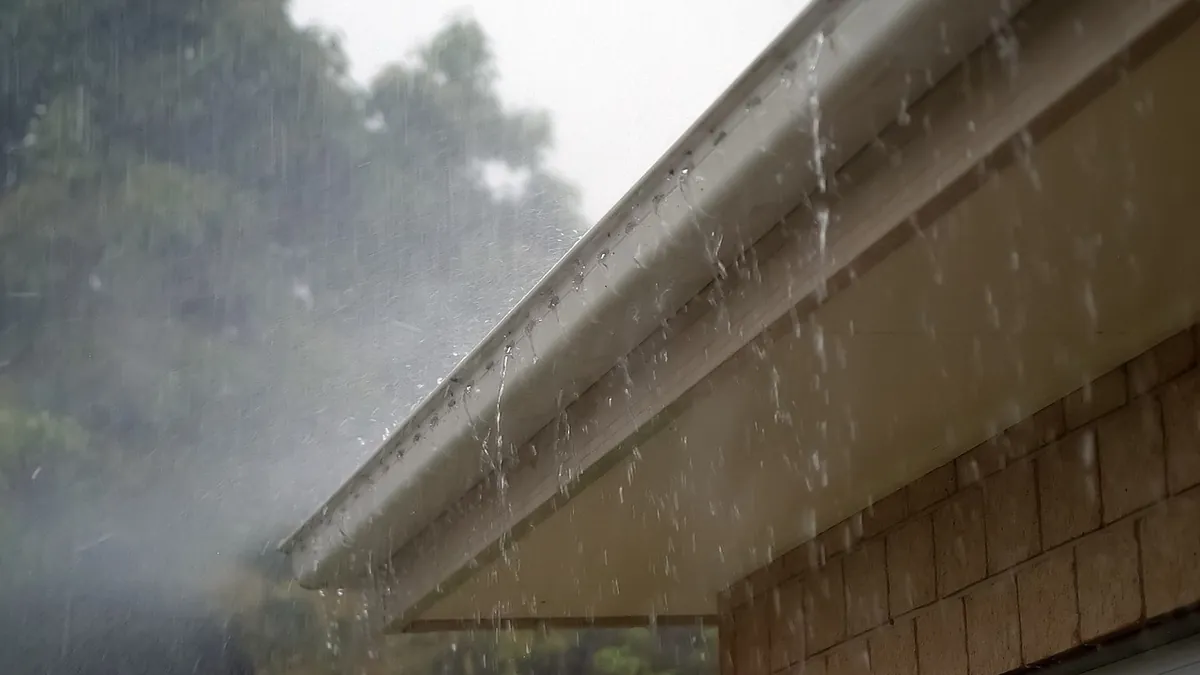
Basement waterproofing paint, despite good intentions, can peel, flake, or blister, failing to protect. This isn’t random; specific conditions and application errors compromise the paint’s adhesion and integrity. Understanding these causes is key to preventing problems and ensuring a lasting moisture barrier in your basement.
The core problem often traces back to the very challenge waterproofing paint is designed to address: moisture. However, it’s not just the presence of water but its movement and pressure that undermine the coating. Furthermore, improper surface preparation, incompatible materials, and even environmental factors play significant roles in why these coatings fail.
Key Differences Between Basement Waterproofing Paint Peeling and Peeling Wall Coating
While the terms “basement waterproofing paint peeling” and “peeling wall coating” might sound similar, their underlying causes and implications often differ, especially in a basement environment.
“Basement waterproofing paint peeling” specifically refers to the failure of a specialized coating designed to resist water penetration. This type of paint typically contains binders that allow it to form a denser, less permeable film than standard interior paints. When it peels, it indicates a failure in this protective barrier, often due to hydrostatic pressure, efflorescence, or improper surface preparation specific to damp environments. The consequence is not just cosmetic; it means the intended waterproofing function has been compromised, potentially leading to continued moisture intrusion, mold growth, and structural concerns. For instance, if a basement wall painted with a waterproofing coating begins to peel in large, thick sheets, it’s a strong indicator that water is pushing through the masonry from the exterior, causing the coating to delaminate.
“Peeling wall coating” broadly describes any paint or finish separating from a wall. This issue can occur in any room and stems from various causes, such as poor paint adhesion, aged paint, temperature shifts, or even dust on the wall during application. While moisture can contribute, it’s frequently not the main or most aggressive cause. For instance, peeling in a dry bedroom might result from painting over glossy surfaces without proper sanding. However, if standard, non-waterproofing interior paint peels in a basement, moisture is almost certainly the culprit, as that paint wasn’t formulated to resist it. The consequences are typically less severe than with failed waterproofing paint, given that moisture resistance wasn’t an original expectation.
The practical implication is that addressing peeling waterproofing paint requires a more thorough investigation into moisture sources and often demands more robust solutions than simply scraping and repainting. It signals a deeper problem with the moisture management of the basement structure itself.
Shared Benefits and Overlaps
Despite their distinctions, both basement waterproofing paint and general wall coatings share some common benefits and exhibit overlapping failure mechanisms, particularly in challenging environments like basements.
Both types of coatings, when properly applied and performing as intended, offer aesthetic improvement. They can brighten a dark basement, conceal minor surface imperfections, and create a more finished look. From a practical standpoint, both provide a surface that can be wiped clean, offering a degree of protection against surface dirt and dust.
However, the overlaps become more apparent when discussing failure. While waterproofing paint is designed to resist moisture, excessive and persistent moisture can overcome even its capabilities. Similarly, while standard paint isn’t designed for waterproofing, it will still peel if subjected to moisture. In both cases, moisture is a common denominator for failure. For example, if a basement wall has a severe leak, both a standard paint and a waterproofing paint will eventually peel, albeit perhaps at different rates and with different characteristic forms of peeling. The underlying cause – water intrusion – is the same.
Another overlap lies in the importance of surface preparation. For any paint or coating to adhere properly, the surface must be clean, dry, and sound. Applying either a waterproofing paint or a standard wall coating over loose debris, efflorescence, or a crumbling substrate will inevitably lead to peeling. In a basement, this requirement is even more stringent due to the inherent dampness and potential for mineral deposits. Skipping steps like cleaning, etching, or allowing sufficient drying time will compromise the adhesion of both types of coatings.
Furthermore, both types of coatings can suffer from improper application techniques. Applying too thick a coat, applying in unsuitable temperatures, or not allowing adequate drying time between coats can lead to a compromised film that peels, regardless of the paint’s specific formulation or purpose.
In essence, while their primary functions differ, the foundational principles of good adhesion, proper surface preparation, and appropriate application techniques are universally critical for both specialized waterproofing paints and general wall coatings. When these principles are violated, peeling is a common outcome for both.
When Basement Waterproofing Paint Peeling May Be a Better Fit
The concept of “basement waterproofing paint peeling” isn’t desirable; it’s a problem. Therefore, the question isn’t when peeling is a better fit, but rather when preventing peeling of basement waterproofing paint is the appropriate focus, and when the application of basement waterproofing paint is the right solution for a basement moisture problem.
Basement waterproofing paint is a better fit when dealing with minor to moderate dampness or efflorescence on interior basement walls. This paint is formulated to create a barrier that resists hydrostatic pressure up to a certain degree, preventing capillary action from drawing moisture into the living space.
Consider a scenario where:
- You observe efflorescence: White, powdery mineral deposits on your basement walls indicate that moisture is passing through the masonry, dissolving salts, and depositing them on the surface as the water evaporates. Waterproofing paint, properly applied after removing the efflorescence and addressing the moisture source, can help block this process.
- Walls feel consistently damp but do not have active leaks: If your basement walls feel cool and slightly damp to the touch, but there are no visible streams or puddles of water, it suggests general moisture penetration through the porous masonry. A high-quality waterproofing paint can effectively seal these pores.
- You’re looking for an interior solution for light seepage: For situations where exterior excavation or more invasive solutions are not feasible or necessary for minor seepage, an interior waterproofing paint can offer a temporary or supplementary barrier. It’s a more accessible and often more affordable option for homeowners.
- There’s a desire to brighten and finish the basement: Beyond its functional role, waterproofing paint can also serve an aesthetic purpose by providing a clean, bright finish to otherwise drab concrete or cinder block walls, while simultaneously offering moisture resistance.
For example, if you have an older home with a stone foundation that exhibits consistent, mild dampness after heavy rains, but no structural cracks or significant water ingress, applying a specialized waterproofing paint after thorough preparation could be an appropriate solution. The paint’s formulation allows it to adhere to damp surfaces (within limits) and withstand some hydrostatic pressure, making it more suitable than standard paint for this specific challenge. The goal is always to apply it correctly to prevent it from peeling.
When Peeling Wall Coating May Be a Better Fit
Again, “peeling wall coating” is a symptom of failure, not a solution. The question is when a standard wall coating (which might peel if moisture is present) is appropriate, or when the causes of general wall coating peeling are the primary concern, indicating a different approach is needed.
A standard wall coating, such as interior latex or acrylic paint, is a better fit when the basement walls are demonstrably dry and free from moisture intrusion. If your basement is already effectively waterproofed (e.g., via an exterior drainage system, interior French drain, or robust foundation sealing), or if it’s a walk-out basement with minimal below-grade exposure, then a standard paint might be sufficient for aesthetic purposes.
Consider a scenario where:
- The basement is consistently dry: If your basement remains dry even after heavy rainfall, and there’s no evidence of efflorescence, damp spots, or musty odors, standard paint can be used. This indicates that any moisture issues have already been mitigated through other means.
- You’re finishing a new, properly constructed basement: Modern basements often incorporate effective exterior waterproofing during construction. In such cases, standard drywall and paint can be used on the interior walls without concern for moisture-induced peeling.
- The primary goal is purely aesthetic: If the walls are structurally sound and dry, and the main objective is to change the color or refresh the appearance, a standard interior wall paint offers a wider range of colors, finishes, and often easier application compared to specialized waterproofing paints.
- Minor, localized peeling of non-waterproofing paint: If you encounter peeling of a standard paint in a basement, and the underlying surface is dry, the issue might stem from poor surface preparation (e.g., painting over dust, grease, or old, failing paint) rather than moisture intrusion. In such cases, addressing the surface prep and reapplying standard paint is the appropriate solution, as the problem isn’t primarily about waterproofing.
For example, if you have a finished basement with drywall that shows minor peeling near a window due to condensation, but the rest of the basement is dry, simply scraping the old paint, cleaning, and repainting with a quality interior paint (perhaps a mildew-resistant one for high-humidity areas) would be the correct approach. The problem isn’t a failure of a waterproofing barrier, but rather localized surface moisture or adhesion issues typical of any painted surface.
How to Choose Based on Goals and Context
Choosing the right approach for your basement walls — whether it involves specialized waterproofing paint or standard coatings, and how to prevent their failure — depends heavily on your specific goals and the existing conditions of your basement.
The fundamental decision matrix revolves around the presence and nature of moisture:
Assess the Moisture Problem:
- Is there active water ingress? If you have standing water, cracks with water flowing through them, or constant puddles, neither waterproofing paint nor standard paint will solve the problem. These indicate structural issues or significant hydrostatic pressure that requires professional intervention (e.g., exterior excavation, interior drainage systems, crack injection). Paint is a barrier, not a dam.
- Is there consistent dampness or efflorescence? This suggests capillary action or minor seepage. Here, a high-quality basement waterproofing paint, applied after thorough surface preparation, can be an effective solution. Your goal is to create an interior barrier against this vapor drive.
- Is the basement consistently dry? If moisture isn’t an issue, your goals shift primarily to aesthetics and durability. Standard interior paints are suitable.
Consider Your Goals:
- Primary Goal: Moisture Control: If your main objective is to mitigate dampness, efflorescence, or minor seepage, then investing in a quality basement waterproofing paint is appropriate. Focus on proper surface preparation (cleaning, etching, drying) to ensure it adheres and performs as intended, preventing it from peeling.
- Primary Goal: Aesthetics/Finishing: If the basement is already dry and you’re looking to create a livable space, then standard interior paints are suitable. Your focus should be on good painting practices for adhesion (clean, smooth, primed surface) to prevent general peeling.
- Combined Goals: Many homeowners want both. If addressing dampness, start with the waterproofing paint. Once that’s cured and performing, you might be able to apply a standard decorative paint over it, but always check the waterproofing paint manufacturer’s recommendations for compatibility.
Evaluate the Surface:
- Porous Masonry (concrete block, poured concrete, stone): These surfaces are ideal for basement waterproofing paints, which are designed to penetrate and seal these materials.
- Drywall, Plaster, Finished Surfaces: If your basement walls are already framed and drywalled, a standard primer and paint system is appropriate, assuming the drywall itself isn’t getting wet from behind.
Here’s a decision table to help narrow down the choice:
| Factor | Basement Waterproofing Paint | Standard Wall Coating (Interior Paint) |
|---|---|---|
| Primary Problem | Dampness, efflorescence, minor seepage, musty odors | Aesthetic improvement, color change, general surface protection |
| Moisture Level | Minor to moderate dampness, no active leaks | Consistently dry, no signs of moisture intrusion |
| Surface Prep | Critical: Clean, etch, remove efflorescence, dry as much as possible | Important: Clean, smooth, primed surface |
| Adhesion Mechanism | Formulated to bond to porous, sometimes slightly damp, masonry | Bonds to dry, prepared surfaces (drywall, plaster, wood) |
| Cost (Material) | Generally higher per gallon | Generally lower per gallon |
| Application Skill | More critical, precise prep and application for effectiveness | Standard painting skills |
| What it Won’t Fix | Active leaks, structural cracks, major hydrostatic pressure | Any moisture problem, even minor dampness |
| Risk of Peeling | High if moisture pressure exceeds capacity or prep is poor | High if moisture is present or prep is poor |
Ultimately, the best strategy is to address the root cause of any moisture. If that root cause is significant, paint alone, regardless of its type, will likely fail. If the moisture is manageable, then selecting the correct paint and meticulously preparing the surface will prevent premature peeling and ensure the coating performs its intended function.
Frequently Asked Questions
What is basement waterproofing paint peeling?
Basement waterproofing paint peeling refers to the detachment or flaking of a specialized moisture-resistant coating from basement walls. This happens when the paint fails to adhere properly or when it’s overwhelmed by moisture pushing through the wall. Unlike regular paint peeling, which might be due to poor surface preparation or age, waterproofing paint peeling almost always indicates an underlying moisture problem that the paint could not contain, or that the paint was applied incorrectly given the conditions. It’s a sign that the intended moisture barrier has failed.
How does basement waterproofing paint peeling compare with alternatives?
Basement waterproofing paint is an interior solution designed to block minor moisture penetration and efflorescence. When it peels, it signifies a failure of this approach. Alternatives to address basement moisture, which might be necessary if paint peeling occurs, include:
- Exterior Waterproofing: This involves excavating around the foundation, repairing cracks, applying a waterproof membrane, and installing drainage. It’s the most comprehensive and effective method but also the most expensive and disruptive. Peeling paint suggests the problem is beyond an interior coating’s ability, making exterior solutions a strong consideration.
- Interior Drainage Systems (French Drains): These systems collect water that enters the basement walls or floor and channel it to a sump pump. They don’t block water from entering the wall but manage it once it’s inside. If waterproofing paint is peeling due to significant hydrostatic pressure, an interior drainage system might be a more robust solution.
- Crack Injection: For specific cracks in poured concrete foundations, injecting epoxy or polyurethane can seal them directly. This is a targeted repair, whereas paint is a surface coating. If peeling is localized around a crack, injection might be the primary fix before repainting.
- Vapor Barriers/Dehumidification: For humidity issues rather than direct water intrusion, a simple vapor barrier (like plastic sheeting behind finished walls) or a dehumidifier can be more effective than paint. Peeling paint implies water, not just humidity, is the issue.
In comparison, waterproofing paint is a relatively low-cost, less invasive option for minor issues. Its peeling indicates that the moisture problem is either too severe for paint alone or that the application was flawed, necessitating a re-evaluation of the problem and potentially a more aggressive alternative.
What are the most common mistakes people make with basement waterproofing paint peeling?
The most common mistakes leading to basement waterproofing paint peeling revolve around underestimating the power of moisture and neglecting proper preparation:
- Inadequate Surface Preparation: This is perhaps the leading cause. People often fail to thoroughly clean the walls, remove all existing efflorescence (the white, powdery mineral deposits), or etch the surface to create a profile for the paint to adhere to. Any dirt, grease, loose paint, or mineral deposits will prevent the new coating from bonding properly.
- Applying Over Active Leaks or High Hydrostatic Pressure: Waterproofing paint is designed for dampness and minor seepage, not active leaks or significant water pressure. Trying to paint over a stream of water or a wall with constant, heavy moisture will inevitably lead to peeling as the water pushes the paint off.
- Not Allowing Sufficient Drying Time: Even “waterproofing” paint needs a relatively dry surface to bond effectively. Applying it to a saturated wall, or not allowing adequate drying time between coats, compromises adhesion.
- Skipping Primer (When Recommended): Some waterproofing paints are self-priming, but others benefit from or require a specific primer, especially on very porous or problematic surfaces. Skipping this step can reduce adhesion.
- Applying Too Thinly: Waterproofing paints often require a specific film thickness to be effective. Applying too thin a coat reduces its ability to resist moisture and makes it more prone to failure.
- Ignoring the Root Cause of Moisture: Painting over a problem without understanding or addressing why the basement is wet (e.g., poor exterior drainage, clogged gutters, foundation cracks) means the moisture will simply find another way in, or build up pressure behind the paint, eventually causing it to peel. The paint is a symptom manager, not a cure for the underlying issue.
Conclusion
Peeling basement waterproofing paint clearly indicates a failed moisture barrier, often due to persistent moisture pressure, inadequate surface preparation, or improper application. While waterproofing paint can address minor dampness and efflorescence, it’s not a solution for active leaks or significant hydrostatic pressure. Preventing peeling requires meticulous surface preparation—cleaning, etching, and ensuring the surface is as dry as possible—followed by applying the paint precisely according to manufacturer specifications. When evaluating solutions for a damp basement, accurately assessing the moisture problem’s severity is crucial. If paint fails, it often signals a need to investigate more robust waterproofing methods to address the root cause of water intrusion.
DIY safety disclaimer
Home Leak Fix publishes general DIY information for homeowners. Water intrusion can involve structural, electrical, height, mould, or insurance risks. Use proper safety equipment, follow local building rules, and call a qualified professional when a repair is unsafe, unclear, or beyond your experience.