When planning a bathroom renovation, a common misconception often arises: that the grout between your tiles makes your shower or bathroom floor waterproof. This isn’t the case. While grout plays a critical role in tile installations, its primary function is not to create a waterproof barrier. Understanding this distinction is crucial for preventing costly water damage and ensuring the longevity of your renovation.
Grout, by its nature, is porous. Even dense epoxy grouts, while highly water-resistant, are not truly waterproof in the way a continuous membrane is. Water can and will eventually penetrate grout lines if not properly managed, leading to issues like mold growth, structural damage, and expensive repairs. The real waterproofing of a tiled shower or wet area relies on an entirely separate system installed behind the tiles and grout.
Key Differences Between Grout and Waterproofing
It’s easy to conflate grout’s role with waterproofing, especially since it’s the visible material filling the gaps between tiles in a wet environment. However, their functions and properties are distinct.
Grout is a cement-based or epoxy-based material used to fill the spaces between tiles. Its main purposes are:
- Structural Stability: It locks tiles together, adding rigidity to the tiled surface.
- Aesthetic Finish: It provides a clean, finished look to the tiled area and can significantly influence the overall appearance.
- Hygiene: It prevents dirt and debris from accumulating in the gaps between tiles, making the surface easier to clean.
- Limited Water Resistance: While it resists water penetration to varying degrees, especially when sealed, it is not an impermeable barrier.
Waterproofing, in the context of a tiled shower or wet area, refers to a continuous, impervious barrier system designed to prevent any water from passing through to the underlying structure. This system is typically installed before the tile and grout. Its primary purpose is:
- Moisture Protection: To completely block water from reaching the wall studs, subfloor, or other building materials, thereby preventing rot, mold, and structural damage.
- System Integrity: To ensure that even if water penetrates the tile and grout layer, it is stopped by the membrane and directed towards the drain.
The critical difference lies in their fundamental nature: grout is a filler with some water resistance, while true waterproofing is an absolute barrier. Think of grout as a permeable sieve and a waterproofing membrane as a solid, non-porous sheet.
Consider a simple analogy: wearing a rain jacket versus wearing a sweater. A sweater (grout) might offer some protection from a light drizzle, but it will eventually soak through in a downpour. A rain jacket (waterproofing membrane) is designed specifically to repel water and keep you dry, regardless of the intensity.
Shared Benefits and Overlaps
While their primary functions differ, grout and waterproofing systems do share some overlapping benefits in the context of a functional and durable bathroom. Both contribute to the overall integrity and longevity of a tiled wet area.
One significant overlap is in hygiene and mold prevention. While grout itself isn’t waterproof, a well-maintained and sealed grout line, combined with an effective waterproofing system, significantly reduces the opportunities for mold and mildew to take hold. If the underlying structure is protected by a waterproof membrane, any moisture that does penetrate the grout won’t find a damp, organic material (like wood or drywall) to feed on, thus inhibiting extensive mold growth behind the tiles.
Furthermore, both elements are crucial for the aesthetic preservation of your bathroom. A properly waterproofed substrate prevents moisture from seeping through and causing efflorescence (white mineral deposits) on the grout surface or even tile discoloration. Similarly, intact and well-maintained grout protects the waterproofing membrane by keeping it largely dry and preventing direct exposure to harsh cleaning chemicals or physical abrasion.
In essence, they work in tandem as layers of defense. The grout and tile form the sacrificial, visible layer that endures daily wear and tear and provides initial resistance to water. The waterproofing membrane is the ultimate, hidden line of defense that safeguards the structural integrity of your home. Neither can fully perform its role optimally without the other in a wet environment like a shower.
When Grout May Seem “Waterproof” (But Isn’t)
There are specific scenarios where grout, especially certain types, might appear to be waterproof or highly resistant. This can lead to the false impression that a separate waterproofing system isn’t necessary.
Epoxy Grout: This type of grout is significantly less porous than traditional cementitious grout. It’s made from epoxy resins and a filler powder, resulting in a very dense, stain-resistant, and highly water-resistant finish. In applications like kitchen backsplashes or floors that experience minimal direct water exposure, epoxy grout performs exceptionally well, often resisting spills and splashes without issue. Its non-porous nature makes it nearly impervious to water penetration in these less demanding environments. However, even epoxy grout, when used in a continuously wet environment like a shower, cannot guarantee absolute waterproofing for the underlying structure. Pinholes, hairline cracks, or imperfect adhesion can still allow minute amounts of water to pass through over time, eventually compromising the substrate.
Sealed Cementitious Grout: Traditional cement-based grouts are inherently porous. However, applying a high-quality penetrating sealer can drastically improve their water resistance. These sealers penetrate the grout’s surface, filling microscopic pores and creating a barrier that repels water. For areas like bathroom floors outside the shower, or even shower walls that don’t receive constant direct spray, sealed grout can effectively prevent moisture absorption and staining. The key here is “repels water,” not “stops water.” A sealer needs regular reapplication (typically annually or biannually, depending on traffic and product) as it wears down. If the sealer fails or isn’t maintained, the grout reverts to its porous state.
Horizontal Surfaces with Minimal Standing Water: On a floor, where water tends to drain away quickly, sealed grout offers good protection against incidental splashes and brief exposure. The issue arises when water is allowed to pool or soak for extended periods, or when it’s under hydrostatic pressure, as it often is in a shower pan or behind shower walls.
In all these cases, while the grout might resist water very effectively, it does not provide the absolute, continuous barrier needed to protect building materials from moisture intrusion over the long term in a true wet environment. The consequence of relying solely on grout for waterproofing in a shower is a high risk of developing leaks, mold, and structural damage years down the line.
When Grout Waterproofing (Membranes) May Be a Better Fit
The term “grout waterproofing” can be a bit misleading because, as established, grout itself isn’t truly waterproof. However, if we interpret “grout waterproofing” to mean the system designed to waterproof the tiled area (which includes the membrane), then this system is almost always the better fit for wet environments.
A dedicated waterproofing membrane is essential in any area where water will be consistently present or under pressure. This includes:
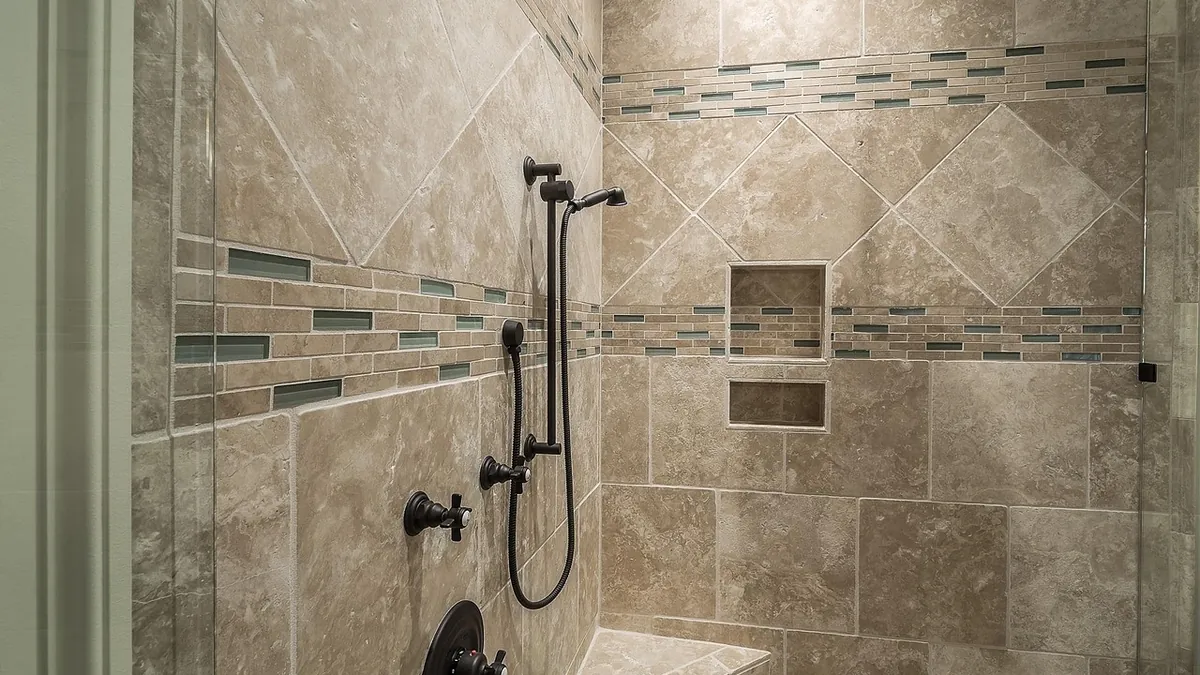
- Showers: Whether it’s a walk-in shower, a tub surround, or a steam shower, a continuous waterproofing membrane is non-negotiable. This membrane is applied directly to the substrate (e.g., cement board, foam backer board) before tiles are installed. It acts as the primary barrier, containing all water within the shower enclosure and directing it to the drain.
- Wet Rooms: These are bathrooms where the entire floor and often the lower portions of the walls are designed to get wet and be hosed down for cleaning. A full waterproofing membrane system covering the entire floor and extending up the walls is critical here.
- Outdoor Tiled Areas (e.g., balconies, patios): While not a bathroom, these areas also require robust waterproofing beneath the tile to prevent water from seeping into the building structure below, especially in regions prone to heavy rain or freeze-thaw cycles.
- Areas Prone to Leaks: Around bathtubs that will be used for showering, or in laundry rooms where appliance leaks are a possibility, a waterproofing layer provides an extra measure of protection.
There are several types of waterproofing membranes, each with its own application method and benefits:
- Liquid-Applied Membranes: These are typically troweled or rolled onto the substrate, forming a seamless, flexible, and waterproof layer once cured. They conform to irregular shapes and corners easily.
- Sheet Membranes: These are fabric or plastic sheets that are adhered to the substrate using thin-set mortar. They offer consistent thickness and excellent crack isolation properties.
- Integrated Systems: Some backer boards come with an integrated waterproof layer or are designed to be part of a proprietary waterproofing system that includes specialized sealants and tapes for seams and corners.
The key advantage of these dedicated waterproofing systems is their ability to create an uninterrupted, impermeable barrier. Unlike grout, which has numerous seams, changes in material, and inherent porosity (even if minimal in epoxy), a properly installed membrane eliminates pathways for water migration. This is the only reliable method to protect your home’s structure from water damage in consistently wet areas.
How to Choose Based on Goals and Context
Deciding on the appropriate level of protection – understanding where grout’s inherent resistance is sufficient versus where a dedicated waterproofing system is essential – boils down to assessing the specific environment and your long-term goals for durability and prevention.
Here’s a breakdown to help guide your choices:
| Feature/Consideration | Grout (Cementitious & Epoxy) | Dedicated Waterproofing Membrane System |
|---|---|---|
| Primary Function | Fills tile gaps, provides stability, aesthetic finish, limited water resistance. | Creates an impervious barrier, protects substrate from moisture. |
| Water Exposure Level | Low to moderate (splashes, incidental moisture, infrequent saturation). | High to continuous (direct shower spray, standing water, steam). |
| Required Areas | Kitchen backsplashes, dry bathroom floors, wall tiles outside shower. | All shower enclosures (walls, pan/floor), wet rooms, outdoor tiled areas, areas prone to leaks. |
| Protection Type | Water-resistant (slows water penetration). | Waterproof (stops water penetration completely). |
| Maintenance | Cementitious: Regular sealing (annual/biannual). Epoxy: Low maintenance. | Minimal maintenance once installed correctly; hidden behind tile. |
| Mold/Mildew Risk | Higher risk if unsealed or constantly wet, as moisture can sit in pores. | Very low risk to substrate; surface mold on grout is separate issue. |
| Longevity of Protection | Dependent on grout type, sealing, and exposure; can degrade over time. | Designed for long-term structural protection, typically lasts the life of the tile installation. |
| Installation Complexity | Relatively straightforward. | Requires careful, systematic application; critical details at seams, corners, and penetrations. |
| Cost Implication | Part of standard tiling costs. | Additional material and labor cost, but prevents far more expensive future repairs. |
When to rely primarily on grout (with sealing for cementitious types):
- Kitchen Backsplashes: These areas see splashes but rarely sustained water exposure. Sealed or epoxy grout is perfectly adequate here.
- Bathroom Floors (outside the shower): For general bathroom traffic, spills, and humidity, properly sealed cementitious or epoxy grout offers sufficient protection. The goal is to prevent surface absorption and staining, not to stop water from penetrating a continuously soaked area.
- Accent Walls or Decorative Tiling: Any tiled area purely for aesthetics and not subject to direct water exposure.
When a dedicated waterproofing membrane is essential:
- Showers (all surfaces): This is the most crucial application. Whether it’s a full shower enclosure, a shower-over-tub, or a steam shower, a continuous, properly lapped and sealed membrane system is non-negotiable for walls, benches, niches, and the floor.
- Wet Rooms: If your design calls for an open-concept bathroom where the entire floor and possibly lower walls are designed to get wet, a comprehensive waterproofing system covering these areas is mandatory.
- Outdoor Tiled Areas: Balconies, patios, and outdoor kitchens need waterproofing beneath the tile to protect the underlying structure from rain, snow, and runoff.
- Commercial Kitchens or High-Traffic Wet Areas: Environments with frequent cleaning, spills, and potential for standing water benefit from robust waterproofing.
Ultimately, for any area that will experience consistent direct water exposure, especially vertical surfaces where water can continuously run down, or horizontal surfaces where water might pool, a dedicated waterproofing membrane system is the only reliable solution. Grout serves as the aesthetic and protective layer over that waterproofing, not as the waterproofing itself. Ignoring this distinction is a common and costly mistake in bathroom renovations.
Frequently Asked Questions
What is the most common mistake people make regarding grout and waterproofing?
The most common mistake is believing that grout, especially when sealed, or even epoxy grout, provides sufficient waterproofing for a shower or other consistently wet area. This leads renovators to skip the critical step of installing a dedicated waterproofing membrane behind the tiles, directly on the substrate. The result is often hidden water damage to wall studs, subflooring, and insulation, leading to mold, rot, and expensive repairs down the line, sometimes years after the initial renovation.
Is there such a thing as “waterproof grout”?
While some grouts are highly water-resistant (like epoxy grout), no grout is truly “waterproof” in the sense of being an impermeable barrier that can protect a structure from continuous water exposure. Even epoxy grout can develop hairline cracks, pinholes, or fail at adhesion points over time, allowing water to pass through. The term “waterproof” is better reserved for continuous membrane systems designed specifically to block all water penetration.
How can I make my grout more water-resistant?
For cementitious grout, the best way to enhance its water resistance is by applying a high-quality penetrating grout sealer. This sealer soaks into the pores of the grout, making it less absorbent and more resistant to stains and moisture. These sealers need to be reapplied periodically (typically annually or every few years, depending on traffic and product specifications). For the highest level of water resistance in grout itself, epoxy grout is the superior choice, as it is naturally very dense and non-porous, requiring no sealing. However, even with these measures, remember that increased water resistance is not the same as full waterproofing.
What is the difference between water-resistant and waterproof?
- Water-resistant means a material can withstand the penetration of water to some degree but is not entirely impervious. It will repel water for a period or under certain conditions but can eventually be overwhelmed. Many grouts, especially sealed ones, fall into this category.
- Waterproof means a material is completely impervious to water penetration, regardless of the duration or pressure of water exposure. A true waterproofing membrane is designed to be waterproof, forming an absolute barrier.
If grout isn’t waterproof, why do we use it in showers?
We use grout in showers for several essential reasons despite it not being waterproof:
- Structural Stability: It locks the tiles together, creating a rigid and durable surface.
- Aesthetics: It provides a finished, clean look and allows for design versatility with different colors.
- Hygiene: It fills the gaps, preventing dirt, soap scum, and debris from accumulating between tiles, making the surface easier to clean.
- Protection for the Waterproofing: While not waterproof itself, the tile and grout layer acts as a sacrificial surface, protecting the underlying waterproofing membrane from physical damage, UV exposure, and harsh cleaning chemicals.
Conclusion
The distinction between grout and true waterproofing is fundamental for anyone undertaking a bathroom renovation. Grout, whether cementitious or epoxy, serves vital roles in a tiled installation, offering structural integrity, aesthetic appeal, and a degree of water resistance. However, it is not, and should not be relied upon as, a waterproof barrier. For consistently wet environments like showers, wet rooms, and outdoor tiled areas, a dedicated, continuous waterproofing membrane system installed behind the tiles is absolutely essential. Understanding this critical difference will save you from potential water damage, mold issues, and costly repairs, ensuring your renovation is not only beautiful but also built to last.
DIY safety disclaimer
Home Leak Fix publishes general DIY information for homeowners. Water intrusion can involve structural, electrical, height, mould, or insurance risks. Use proper safety equipment, follow local building rules, and call a qualified professional when a repair is unsafe, unclear, or beyond your experience.