Waterproof coatings are designed to be a barrier, protecting structures from the ingress of water. When they fail, the consequences can range from minor inconvenience to significant structural damage and costly repairs. Understanding why these coatings fail is crucial for effective prevention and remediation. The primary culprits often boil down to four categories: surface contaminants like dirt, the presence of moisture during application, structural movement, and the selection of an inappropriate material for the specific application.
This article explains the nuances of waterproof coating failure, differentiating between the overarching concept of “why waterproof coatings fail” and the more specific “waterproof coating failure” as a phenomenon. While seemingly similar, one delves into the root causes and contributing factors, while the other describes the observable outcome. We’ll examine the shared characteristics, distinct applications, and how to make informed decisions to ensure the longevity and effectiveness of waterproofing efforts.
Key Differences Between “Why Waterproof Coatings Fail” and “Waterproof Coating Failure”
The distinction between “why waterproof coatings fail” and “waterproof coating failure” lies primarily in their focus. One addresses the causation and the other describes the event or state.
“Why waterproof coatings fail” examines the specific mechanisms and conditions that cause a waterproof barrier to break down. This includes factors like improper surface preparation, material incompatibility, environmental stressors, and application errors. Essentially, it explains the processes and decisions that lead to the failure.
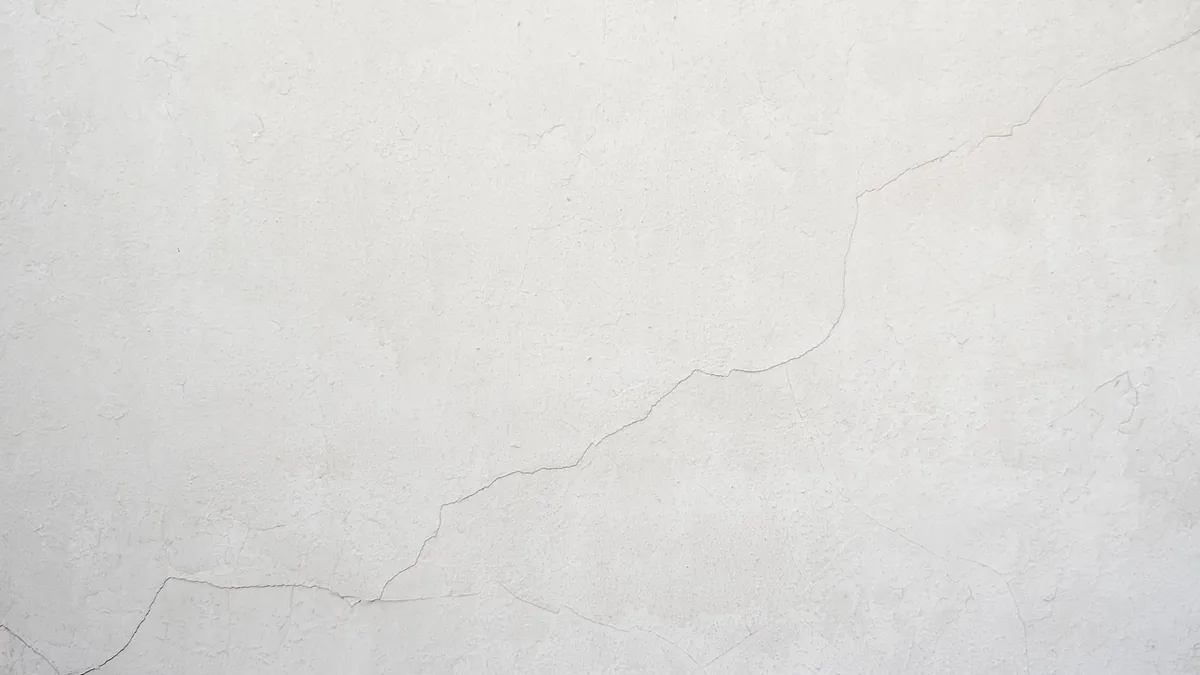
Conversely, “waterproof coating failure” refers to the observable breakdown or compromise of the waterproofing system itself. It’s the symptom, the end result. This could manifest as leaks, blistering, delamination, cracking, or softening of the coating. When a contractor or building owner observes “waterproof coating failure,” they are seeing the physical evidence that the system is no longer performing its intended function.
For example, if a roof membrane is leaking, the failure is the leak. The reason why it failed might be that the substrate wasn’t properly cleaned (dirt), or the coating was applied on a damp day (moisture), or the building experienced significant thermal expansion and contraction (movement), or the wrong type of coating was chosen for a high-traffic area (wrong material). The “why” provides the diagnostic information needed to prevent or fix the “failure.”
Shared Benefits and Overlaps
Despite their conceptual differences, both “why waterproof coatings fail” and “waterproof coating failure” are intrinsically linked and share common ground. Their primary overlap lies in their ultimate goal: understanding and addressing issues related to waterproofing integrity.
Both concepts benefit from a systematic approach to problem-solving. Investigating “waterproof coating failure” often leads directly to questions of “why waterproof coatings fail.” A crack in a basement wall coating (the failure) prompts an inquiry into whether it was due to inadequate surface preparation, hydrostatic pressure, or material incompatibility (the why).
Furthermore, the same body of knowledge – materials science, application best practices, environmental considerations, and structural engineering principles – informs both discussions. Understanding the properties of different coating types (e.g., acrylics, polyurethanes, epoxies, cementitious), the importance of substrate adhesion, and the impact of UV radiation or chemical exposure is relevant whether one is analyzing a failure or trying to prevent one.
Both perspectives also emphasize the importance of quality control throughout the waterproofing process. From material selection and storage to surface preparation and application techniques, each step contributes to the overall success or vulnerability of the system. A detailed understanding of potential failure modes (the “why”) allows for more effective inspection protocols and quality checks, ultimately reducing the incidence of observable “waterproof coating failure.”
Consider the following common elements that contribute to both understanding the “why” and observing the “failure”:
- Substrate Condition: The surface beneath the coating is paramount. Any contamination (dirt, oil, dust), structural unsoundness (cracks, spalling), or improper curing can lead to adhesion issues and subsequent failure.
- Environmental Factors: Temperature fluctuations, UV radiation, chemical exposure, and freeze-thaw cycles can all degrade coating materials over time, leading to embrittlement, softening, or cracking.
- Application Quality: Incorrect mixing ratios, inadequate film thickness, missed spots, or application in unsuitable weather conditions (e.g., too hot, too cold, too humid) directly impact performance.
- Material Suitability: Using a rigid coating on a flexible substrate, or a non-UV stable coating in direct sunlight, are examples of material mismatch that preordain failure.
Ultimately, preventing “waterproof coating failure” requires a deep dive into “why waterproof coatings fail.” The insights gained from analyzing past failures inform better practices for future applications, thus creating a feedback loop for continuous improvement in waterproofing technology and methodology.
When “Why Waterproof Coatings Fail” May Be a Better Fit
Focusing on “why waterproof coatings fail” is particularly beneficial in scenarios where the primary objective is prevention, education, or forensic analysis.
- Preventative Design and Planning: Architects, engineers, and specifiers need to understand the failure mechanisms to design robust waterproofing systems. Knowing that certain materials perform poorly with specific substrates, or that dynamic joints require flexible sealants, allows them to make informed choices that mitigate future problems. For instance, understanding that thermal movement can cause rigid coatings to crack guides the selection of elastomeric membranes for large roof decks.
- Training and Certification: Education programs for applicators and inspectors heavily rely on teaching the “why.” Understanding the critical role of surface preparation (e.g., “why” a clean, dry surface is essential for adhesion) or the consequences of applying a coating outside its specified temperature range (e.g., “why” it won’t cure properly) equips professionals with the knowledge to avoid common pitfalls.
- Product Development and Research: Manufacturers of waterproofing materials are intensely interested in “why waterproof coatings fail.” This knowledge drives innovation, leading to the development of more durable, flexible, or chemically resistant products. Researchers might investigate the “why” behind accelerated aging or specific degradation pathways to improve formulations.
- Forensic Investigation: When a waterproofing system has clearly failed and costly repairs are imminent, a forensic analysis focuses on determining the “why.” Expert witnesses or consultants will meticulously examine the site, review documentation, and conduct tests to pinpoint the exact cause of failure (e.g., poor adhesion due to surface contamination, material degradation from UV exposure, or structural movement exceeding the coating’s capacity). This helps assign responsibility and inform legal or insurance claims.
- Troubleshooting and Diagnosis: Before attempting repairs, understanding the “why” is paramount. If a roof is leaking, simply patching the leak without understanding its origin (e.g., a flashing detail failure, a puncture, or material fatigue) is a temporary fix at best. A thorough diagnosis of “why” the leak occurred guides the correct, long-term repair strategy.
In these contexts, the focus isn’t just on observing the problem, but on dissecting its origins and causal chain.
When “Waterproof Coating Failure” May Be a Better Fit
The term “waterproof coating failure” is more appropriate when the emphasis is on the observable manifestation, immediate impact, or remedial action.
- Initial Problem Identification: When a building owner notices water stains on an interior wall or a contractor sees blisters on a newly applied roof membrane, they are observing “waterproof coating failure.” This is the first step in recognizing that a problem exists and that the waterproofing system is compromised. The immediate concern is the visible evidence of water ingress or coating degradation.
- Damage Assessment and Scope of Work: Once a failure is identified, the next step often involves assessing the extent of the damage. This includes quantifying the area affected, evaluating the severity of the failure (e.g., minor cracking vs. widespread delamination), and determining the immediate impact on the structure or occupants. This assessment helps in defining the scope of necessary repairs.
- Remedial Action and Repair Planning: When a failure occurs, the immediate need is to stop the water ingress and restore the integrity of the barrier. The “failure” itself dictates the urgency and type of repair. For instance, a small puncture (a type of failure) might require a simple patch, while widespread cracking (another type of failure) might necessitate a complete reapplication. The focus shifts from abstract causes to concrete solutions for the observed problem.
- Performance Monitoring and Warranty Claims: A “waterproof coating failure” is the trigger for warranty claims. If a system fails within its warranty period, the observable failure is the basis for demanding corrective action from the installer or manufacturer. Performance monitoring also looks for signs of failure to proactively address issues before they escalate.
- Public Awareness and General Communication: For a general audience, describing “waterproof coating failure” is more straightforward. People easily understand a leaking basement or a peeling roof coating. While the “why” is important for experts, the “failure” is the tangible problem that resonates with property owners.
Essentially, “waterproof coating failure” describes the “what” – what went wrong and what is currently observable. It’s the practical, real-world manifestation that demands attention and action.
How to Choose Based on Goals and Context
Selecting whether to focus on “why waterproof coatings fail” or “waterproof coating failure” depends entirely on your objectives and the specific stage of a project or problem. The two concepts are complementary, forming a complete picture when considered together.
Here’s a guide to help you choose:
| Goal/Context | Focus On | Primary Implication | Example Scenario |
|---|---|---|---|
| Prevention | Why Waterproof Coatings Fail | Proactive measures, design choices, material selection, application protocols. | An architect designing a new building’s foundation waterproofing system. |
| Education/Training | Why Waterproof Coatings Fail | Understanding principles, best practices, common mistakes, and their consequences. | Training new waterproofing applicators on surface preparation techniques. |
| Diagnosis | Why Waterproof Coatings Fail | Root cause analysis, identifying contributing factors, forensic investigation. | An expert investigating persistent leaks in a recently installed roof coating. |
| Product Development | Why Waterproof Coatings Fail | Improving material formulations, testing new technologies. | A chemist developing a more UV-resistant liquid-applied membrane. |
| Problem Recognition | Waterproof Coating Failure | Identifying observable symptoms, immediate impact assessment. | A homeowner discovering water damage in their basement. |
| Remedial Action | Waterproof Coating Failure | Planning repairs, executing corrective measures, stopping water ingress. | A contractor patching a ruptured membrane on a plaza deck. |
| Warranty Claims | Waterproof Coating Failure | Documentation of observable damage, proof of non-performance. | A building owner filing a claim for a delaminated deck coating within its warranty. |
| Performance Audit | Waterproof Coating Failure | Assessing existing system integrity, identifying areas needing attention. | An inspector evaluating the condition of an aging parking garage waterproof membrane. |
In many real-world scenarios, one starts by observing the “waterproof coating failure” and then immediately delves into “why waterproof coatings fail” to devise an effective, long-term solution. For instance, if you see blistering (failure) on a flat roof, you’d then ask why it blistered – perhaps due to moisture entrapment during application, or inadequate substrate ventilation. The “why” guides the repair beyond simply popping the blisters.
Frequently Asked Questions
What is why waterproof coatings fail?
“Why waterproof coatings fail” refers to the underlying reasons, conditions, and processes that lead to a waterproofing system losing its integrity and allowing water ingress. It encompasses a range of factors such as improper surface preparation (dirt, dust, oils), the presence of moisture during application, structural movement that exceeds the coating’s flexibility, and the selection of materials unsuitable for the specific environment or substrate. Understanding these root causes is essential for preventing future failures and effectively remediating existing ones.
How does why waterproof coatings fail compare with alternatives?
When discussing “why waterproof coatings fail,” there isn’t a direct “alternative” in the sense of a substitute product. Instead, it compares with the concept of “waterproof coating success” or “effective waterproofing strategies.” The alternative to understanding why coatings fail is to simply observe the failure without comprehending its origins, which often leads to repeated problems. Other related concepts include “sealant failure,” which focuses specifically on the breakdown of joint sealants, and “adhesion failure,” which is a common reason why coatings fail, characterized by the coating detaching from the substrate. While these are specific types of failure, “why waterproof coatings fail” provides a broader framework for understanding the multitude of factors at play.
What are the most common mistakes people make with why waterproof coatings fail?
The most common mistakes often stem from overlooking critical details or underestimating the complexity of waterproofing. These include:
- Inadequate Surface Preparation: Failing to properly clean, dry, and prime the substrate. Dirt, oil, grease, loose debris, or excessive moisture prevent proper adhesion, leading to delamination or blistering. This is arguably the most frequent cause of failure.
- Wrong Material Selection: Choosing a coating that is incompatible with the substrate, the environmental conditions (e.g., UV exposure, chemical contact, temperature extremes), or the expected structural movement. For example, using a rigid coating on a substrate prone to significant movement.
- Improper Application: This covers a range of errors, such as applying the coating too thinly or too thickly, incorrect mixing ratios for multi-component systems, applying in unsuitable weather conditions (too hot, too cold, too humid, or in rain), or failing to properly detail critical areas like corners, penetrations, and joints.
- Ignoring Structural Movement: Waterproofing systems must accommodate the natural expansion, contraction, and deflection of a structure. If a coating is too brittle or inflexible for the expected movement, it will crack or tear, creating pathways for water.
- Lack of Curing Time/Conditions: Rushing the curing process or not providing the necessary environmental conditions (temperature, humidity) can compromise the coating’s final properties, leading to premature degradation.
- Poor Detailing: Many failures occur at junctions, penetrations, or changes in plane (e.g., around pipes, drains, parapet walls) where proper flashing or reinforcement is overlooked or incorrectly installed.
- Insufficient Protection: Leaving a waterproof membrane exposed to construction traffic, sharp objects, or prolonged UV without a protective layer can lead to punctures or degradation.
These mistakes often compound, leading to premature and costly “waterproof coating failure.”
Conclusion
Understanding “why waterproof coatings fail” is a foundational step toward achieving durable, effective waterproofing. It moves beyond merely observing a leak or a crack to dissecting the root causes: the presence of dirt and contaminants, moisture during application, the dynamic forces of structural movement, and the critical choice of the right material for the job. While “waterproof coating failure” describes the observable outcome, grasping the “why” empowers better decision-making in design, material selection, application, and maintenance.
For curious readers seeking trustworthy information, this distinction provides a clearer framework. Whether you are a homeowner facing a damp basement, a contractor planning a new installation, or an architect specifying materials, recognizing the interplay between these factors is paramount. By focusing on preventing the reasons why coatings fail, we can significantly reduce the incidence of actual failures, ultimately protecting structures and investments more effectively. The consideration of these interconnected elements offers a comprehensive approach to ensuring the long-term integrity of any waterproofing system.
DIY safety disclaimer
Home Leak Fix publishes general DIY information for homeowners. Water intrusion can involve structural, electrical, height, mould, or insurance risks. Use proper safety equipment, follow local building rules, and call a qualified professional when a repair is unsafe, unclear, or beyond your experience.